Space-Saving Garden Designs
Space-Saving Garden Designs
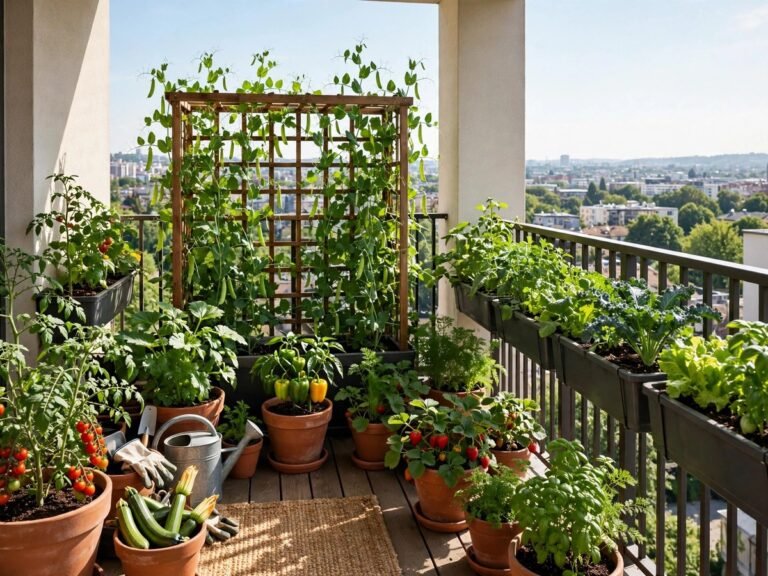
Space-saving garden designs prove you do not need acres to grow a garden you love. These clever designs squeeze remarkable harvests and real beauty out of the tiniest yards, patios, and side strips. The secret is not working harder — it is designing smarter: growing up instead of out, stacking functions, and making every square foot earn its keep. Whether you are working with a postage-stamp backyard or a narrow strip beside the driveway, the right layout turns cramped into cozy and limited into lush. Below are six proven ideas that make small spaces feel — and produce — far bigger than they are.
Why Small Gardens Can Outperform Big Ones
Here is a truth most gardeners learn the hard way: bigger gardens do not grow more food — better-tended ones do. A compact plot gets watered on time, weeded before weeds seed, and harvested at peak ripeness, while a sprawling one quietly turns into a chore. Small spaces also force good decisions. You choose varieties that earn their spot, build soil deeply instead of thinly, and waste almost nothing. Water bills shrink, compost goes further, and every plant sits within arm’s reach. Design a small garden well, and it will out-yield a neglected large one while asking for a fraction of the weekend.
6 Space-Saving Garden Designs That Actually Work
1. Raised Bed Grids
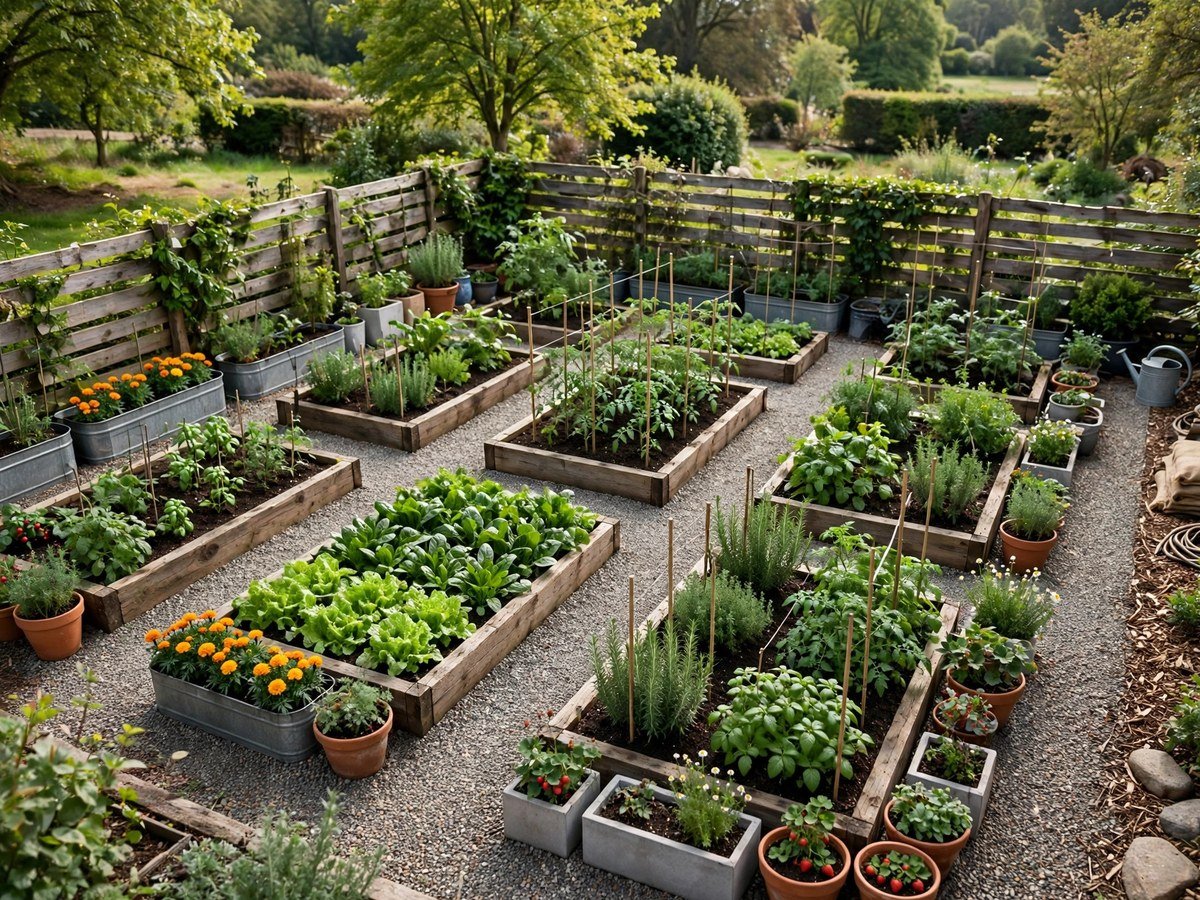
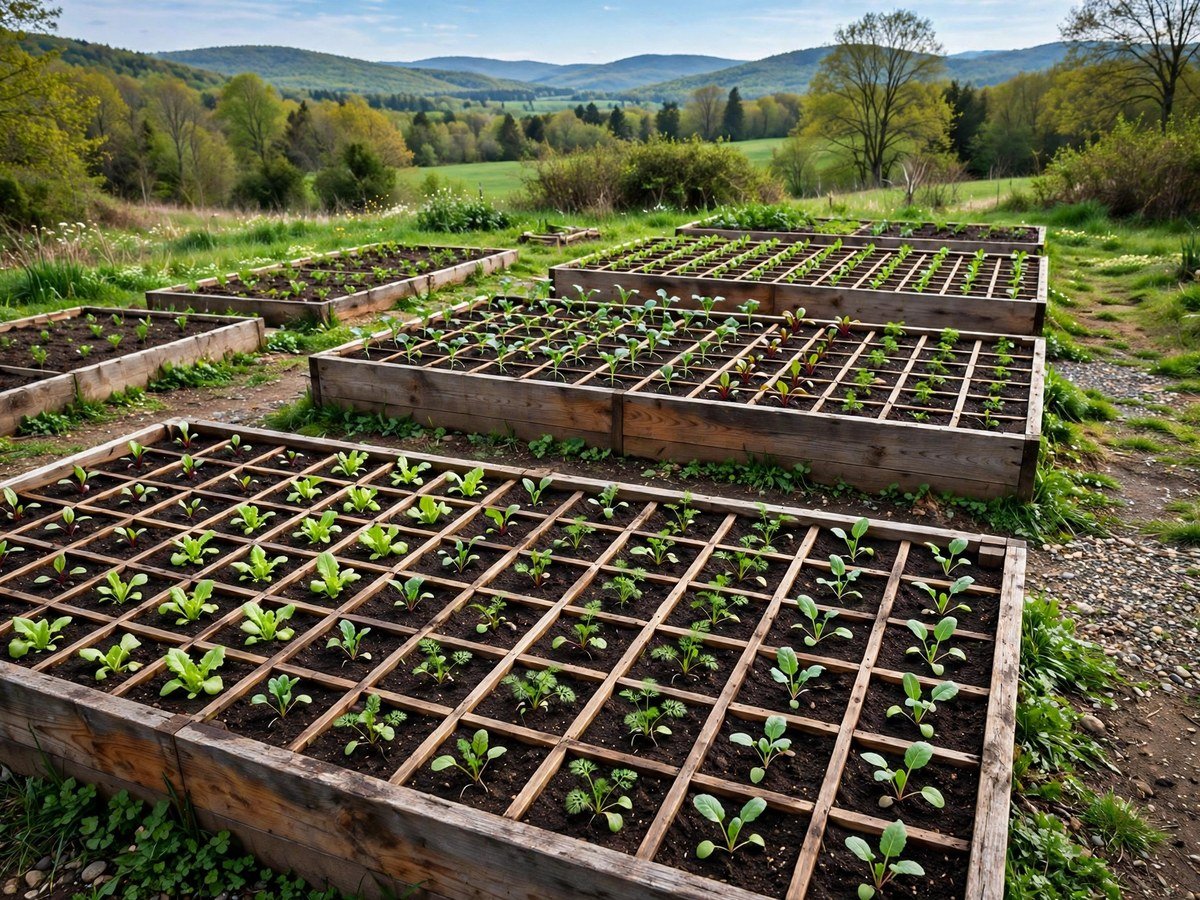
Raised bed grids are the workhorse of small-space growing. Divide each bed into one-foot squares with lath or twine, and plant each square at its ideal spacing — sixteen carrots here, nine beans there, one tomato in the middle of its own. The grid eliminates guesswork, squeezes out wasted paths inside the bed, and makes succession planting almost automatic: the moment one square finishes, you replant it. Build beds no wider than four feet so you can reach the center from either side without ever stepping on the soil.
2. Square-Foot Layout
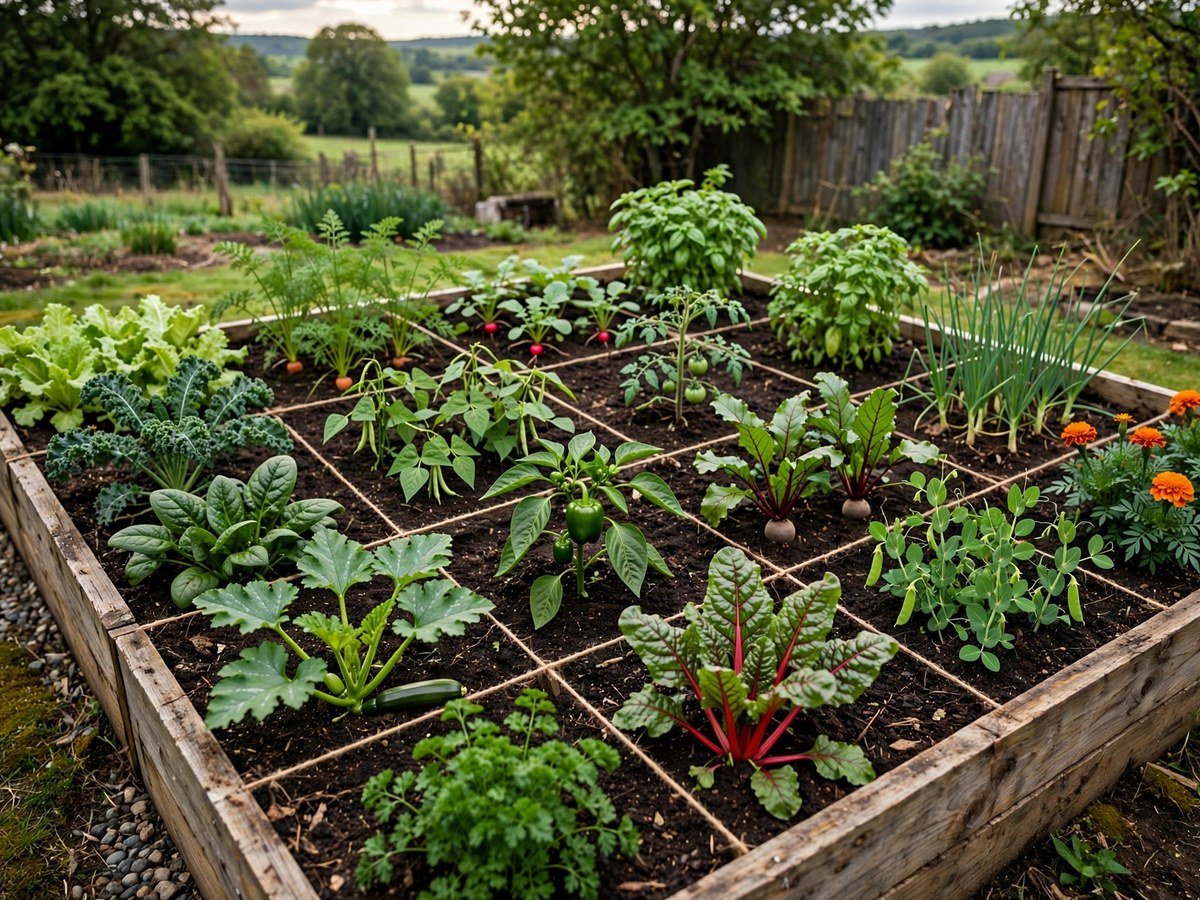
The square-foot layout takes the grid idea and turns it into a whole-garden system. Instead of rows, you plan the entire plot as a patchwork of one-foot squares, mixing vegetables, herbs, and flowers in each bed for beauty and pest confusion. Tall plants go on the north side so they never shade their neighbors, and a trellis on one edge adds a vertical layer. It is the most productive method ever devised for tiny plots — a single 4×4 bed can keep a household in salads all summer.
3. Tiered Planters
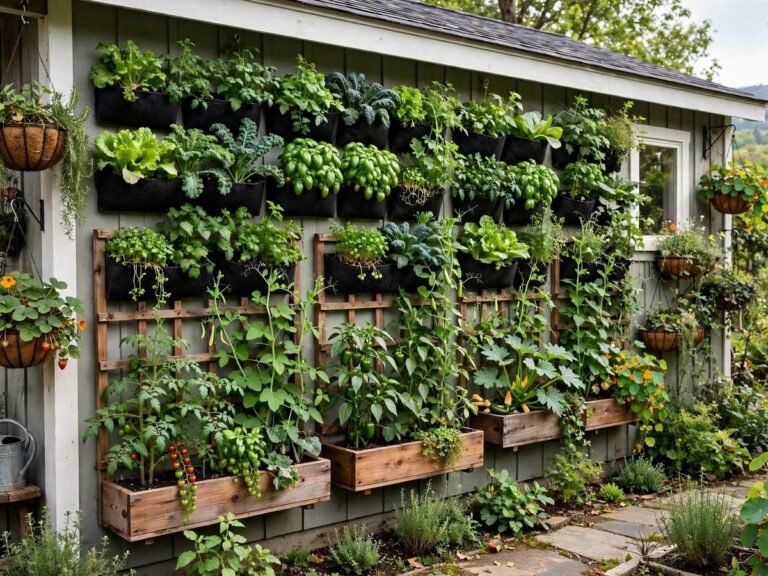
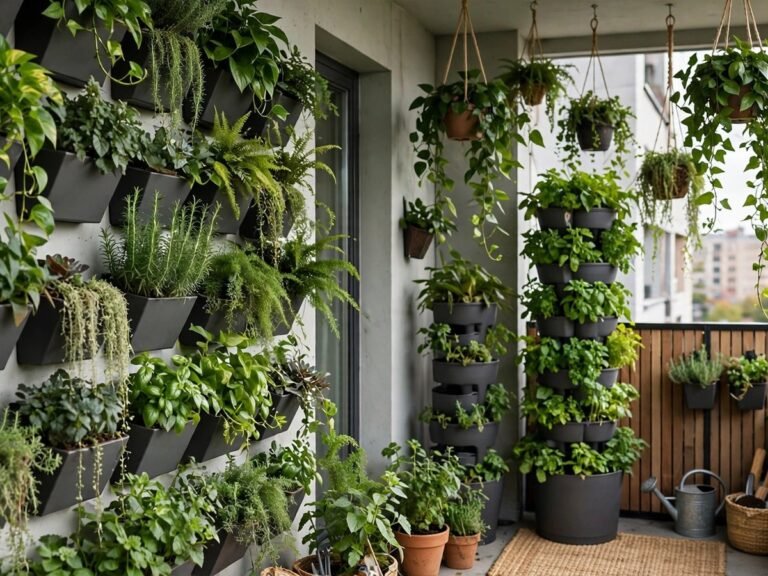
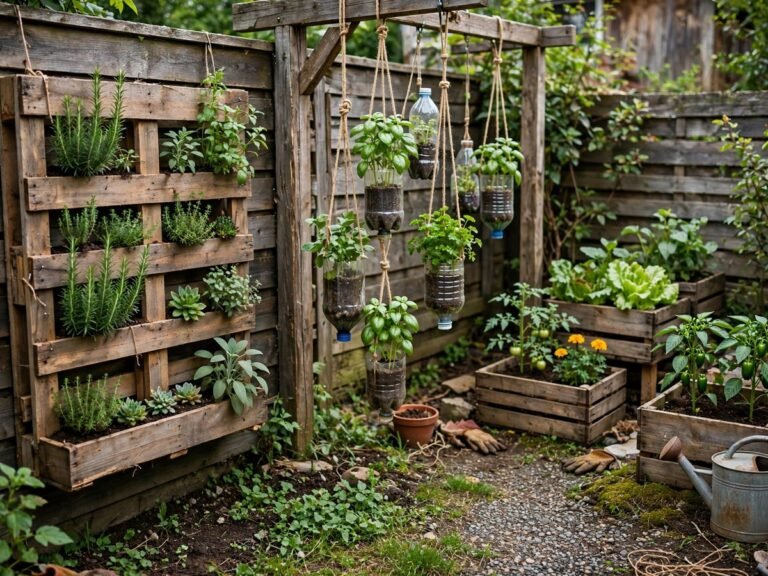
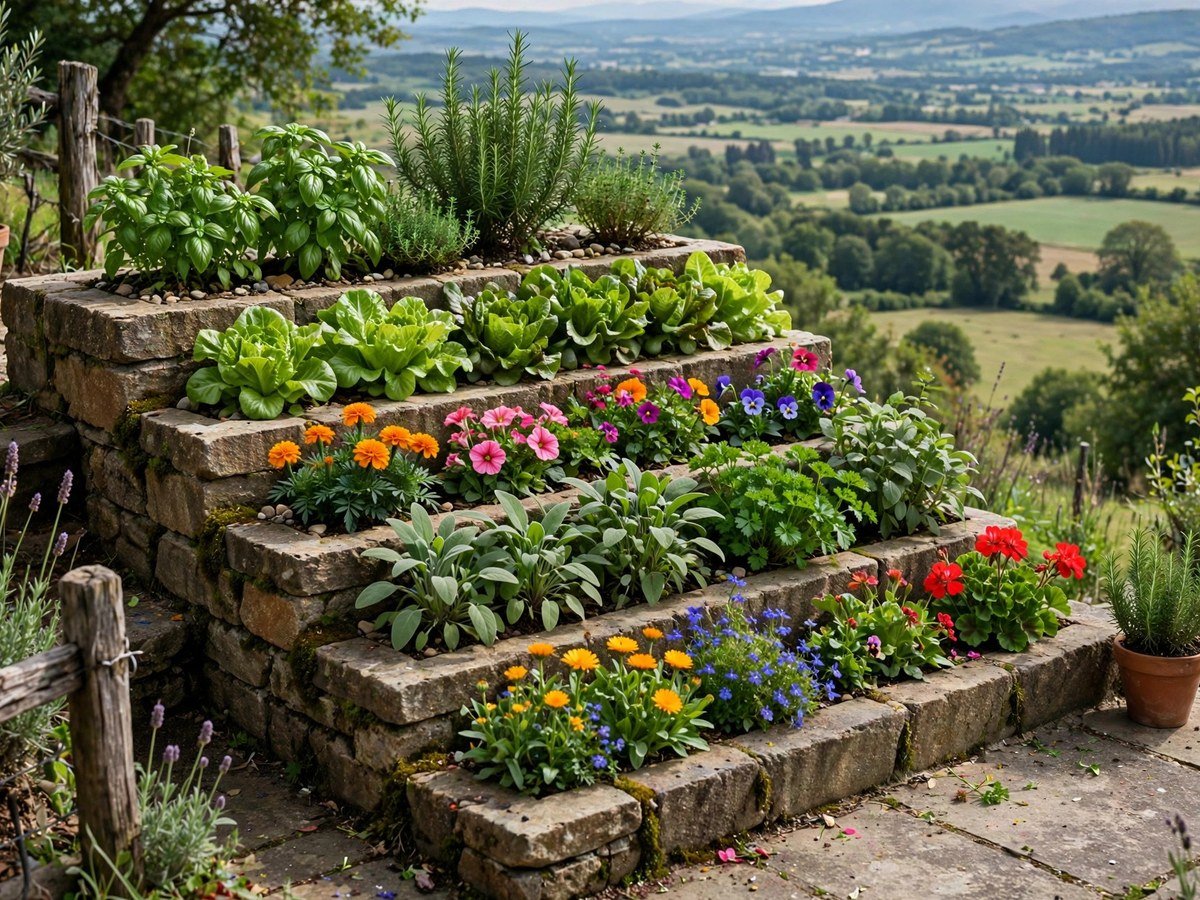
Tiered planters turn one footprint into three or four growing levels. Stacked like stadium seating, each tier catches full sun while the level below stays shaded just enough for lettuce and herbs that bolt in heat. You can buy cedar corner planters or build them from reclaimed pallets in an afternoon. They are perfect for patios and renters: fill them with potting mix, plant densely, and when you move, the whole garden moves with you.
4. Corner Beds
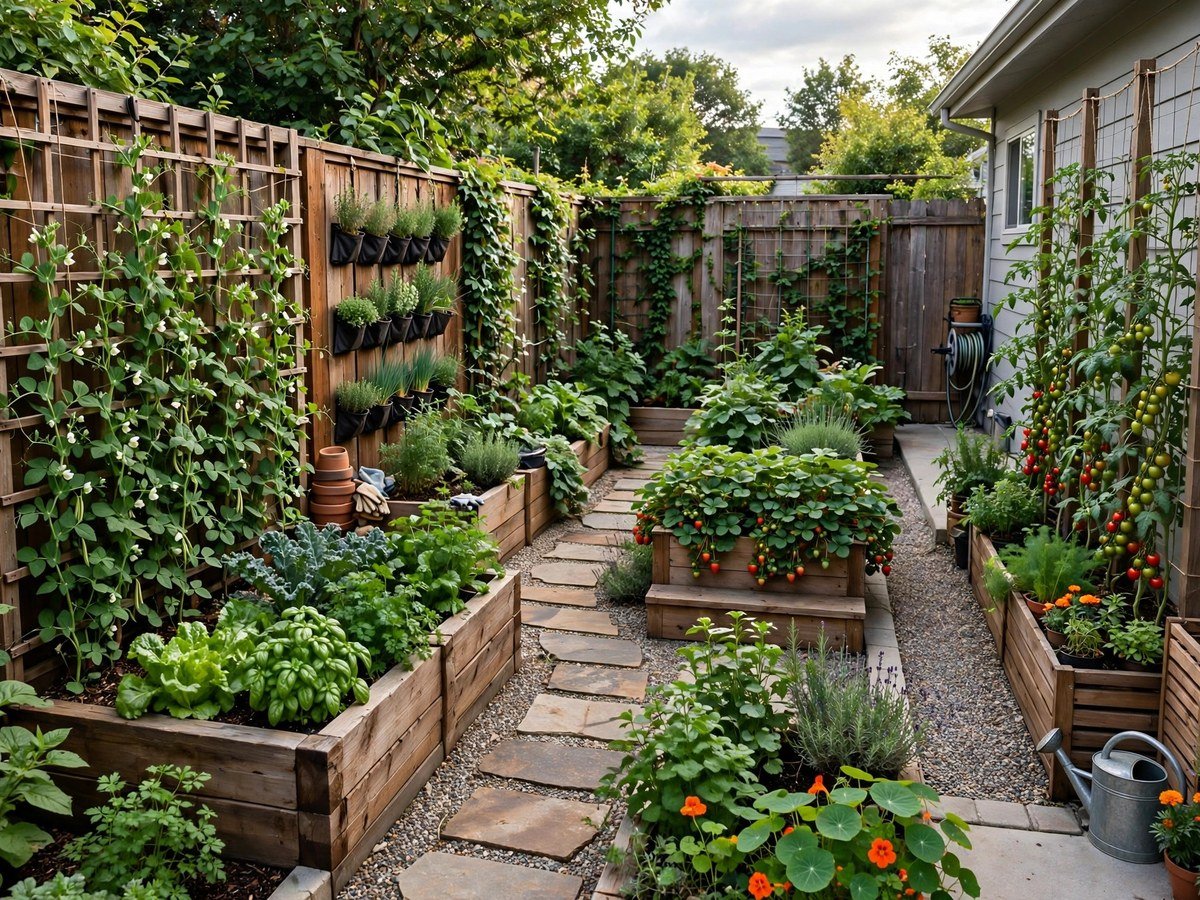
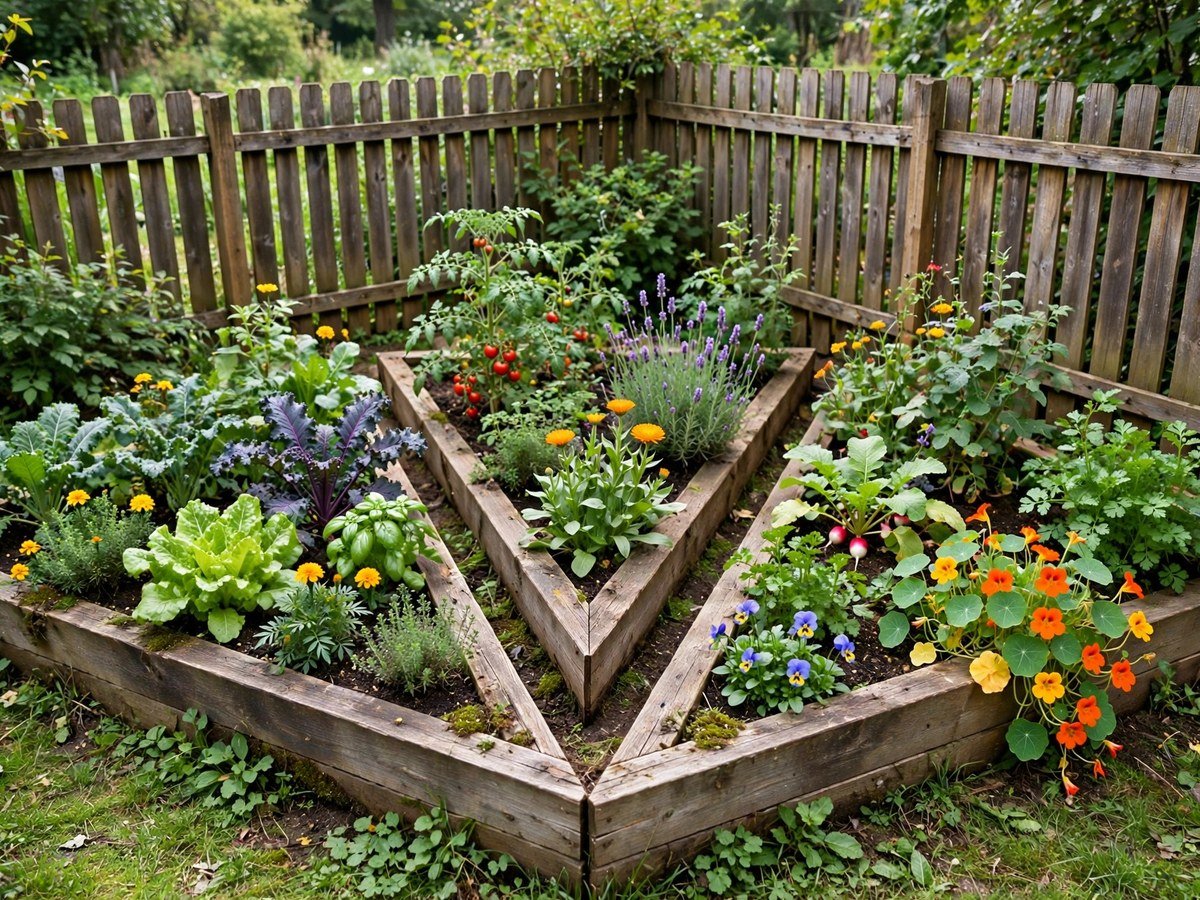
Corners are the most wasted real estate in small gardens, and corner beds reclaim every inch of them. Triangular or L-shaped raised beds tuck neatly into fence corners where mowers cannot reach and weeds usually win. Because two sides are already fenced, you build less and gain a natural trellis for beans or cucumbers. Fill the sunny corner with tomatoes and the shady one with mint and parsley, and suddenly dead space becomes your most productive square footage.
5. Edible Pathways
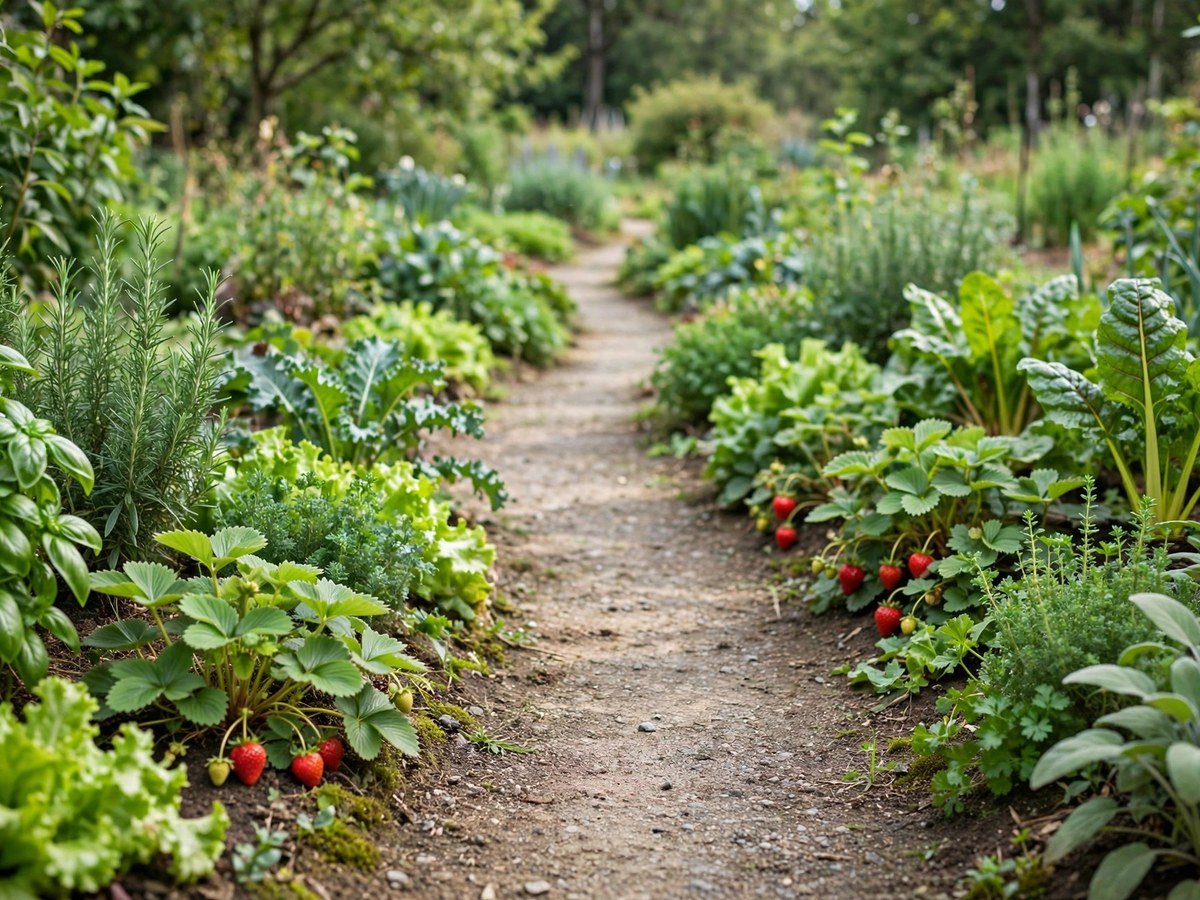
Edible pathways make your walkways work as hard as your beds. Instead of bare mulch or gravel, edge paths with low-growing food: creeping thyme between stepping stones, strawberries as a fragrant border, chives and parsley in the sunny strips. You harvest snacks on every trip to the compost bin, and pollinators feast on the constant flowers. Just keep taller edibles set back so foliage never trips anyone — beauty first, snacks second.
6. Foldable Greenhouse
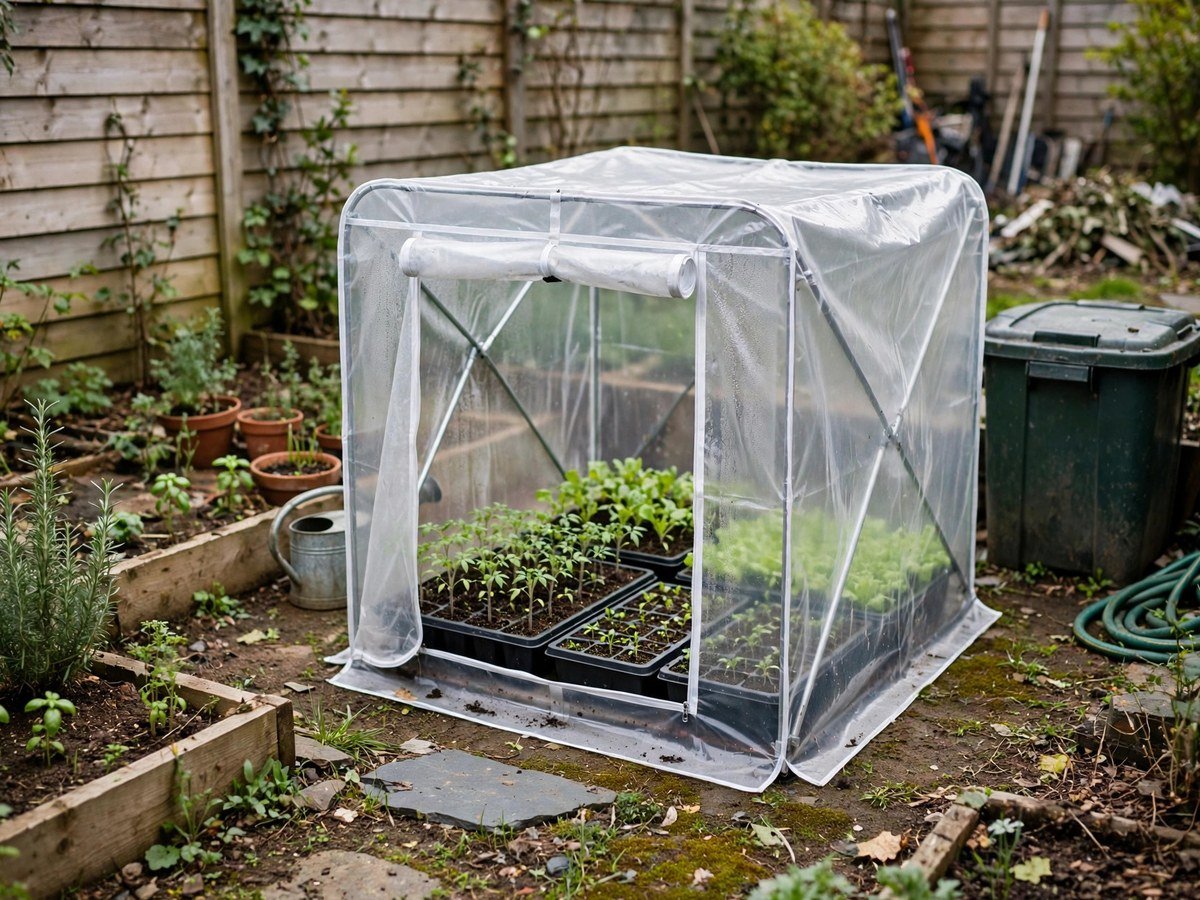
A foldable greenhouse is a season-extender that vanishes when you do not need it. Pop-up PVC and mesh houses unfold over a raised bed in minutes, warming soil weeks earlier in spring and sheltering tender crops from surprise frosts in fall. When summer heat arrives, fold it flat against the fence and reclaim the space. For the cost of a bag of potting mix, you effectively add a month to each end of your growing season.
Design Tips for Tiny Gardens
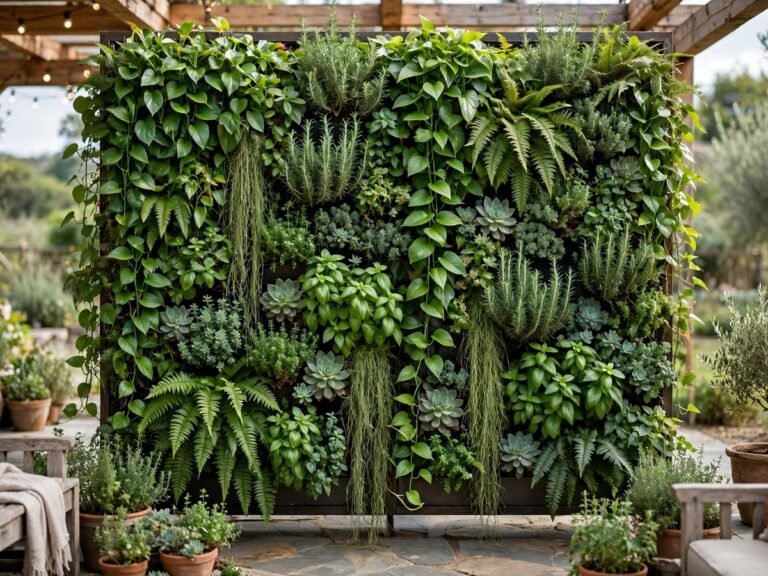
Start every small garden on paper before you lift a spade. Sketch the space, mark where sun falls morning to evening, and note the soggy and dry spots — plants are unforgiving about both. Keep paths narrow but real: eighteen inches is enough for a wheelbarrow-free garden, and every path should lead somewhere useful. Go vertical wherever possible, since walls and fences are free square footage. Finally, invest in soil over gadgets: deep, rich soil in a small bed outperforms fancy tools in poor ground every single time.
Frequently Asked Questions
How do I start designing a small garden?
Measure the space, watch where the sun falls for a full day, then sketch beds on paper before buying anything. Plan paths, sunny spots for vegetables, and shady corners for herbs first — plants are much easier to move on paper than in soil.
What grows best in a tiny garden?
Cut-and-come-again crops like lettuce, herbs, green onions, and cherry tomatoes give the biggest return per square foot. Pair them with vertical growers like beans and cucumbers to stack a second harvest above the first.
How much sun does a small garden need?
Vegetables need at least six hours of direct sun daily. If you have less, lean into shade-tolerant crops like lettuce, spinach, arugula, mint, and parsley — they will still thrive where tomatoes would sulk.
Can I use these designs in a rental garden?
Absolutely. Tiered planters, containers, and foldable greenhouses are fully portable, and raised beds can sit on top of lawn without digging. You can take the whole garden with you when you move.
How do I keep a small garden from looking cluttered?
Stick to one or two bed materials, repeat the same plants in drifts rather than ones and twos, and keep a simple color palette. Restraint in materials makes a small space feel designed instead of crowded.
The Bottom Line
Small gardens reward the designer, not the digger. Pick one or two of these ideas, sketch them to fit your space, and build just that much this weekend. You will be amazed how quickly a thoughtful little plot starts feeding you — and how little of your Saturday it asks for in return.
For more on high-yield small-plot methods, see the overview of square foot gardening.