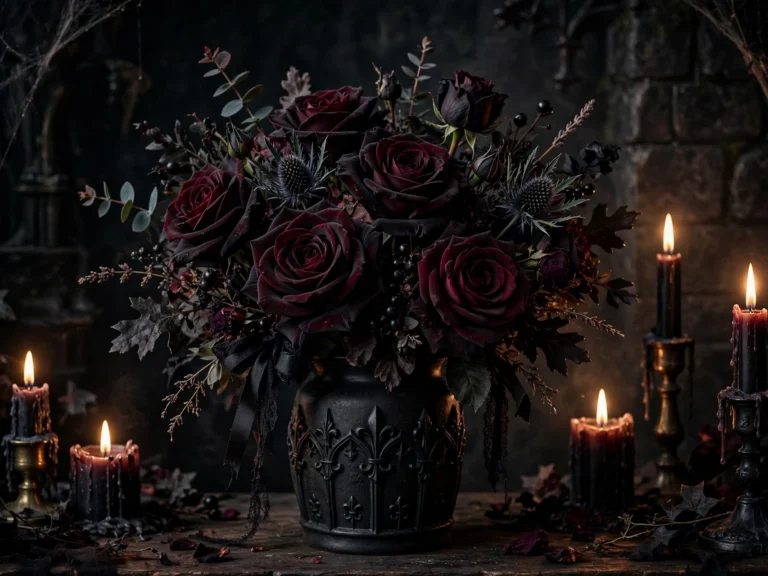
scary plant names: Plants with Scary Names to Grow This Halloween
When it comes to scary plants names, the garden world is full of delightful little frights. Some plants earned their creepy monikers from ghostly blooms, others from blood-red flowers or eerie shapes — and many of them are genuinely gorgeous additions to your borders. If you love the thrill of the season, a garden full of plants with scary names is the perfect way to celebrate. This Halloween, why not grow a few plants whose names sound like they escaped from a horror movie? Here are twelve of our favorites, from the infamous Corpse Flower to the surprisingly sweet Bleeding Heart, with tips to keep each one thriving.
Dead Man’s Fingers
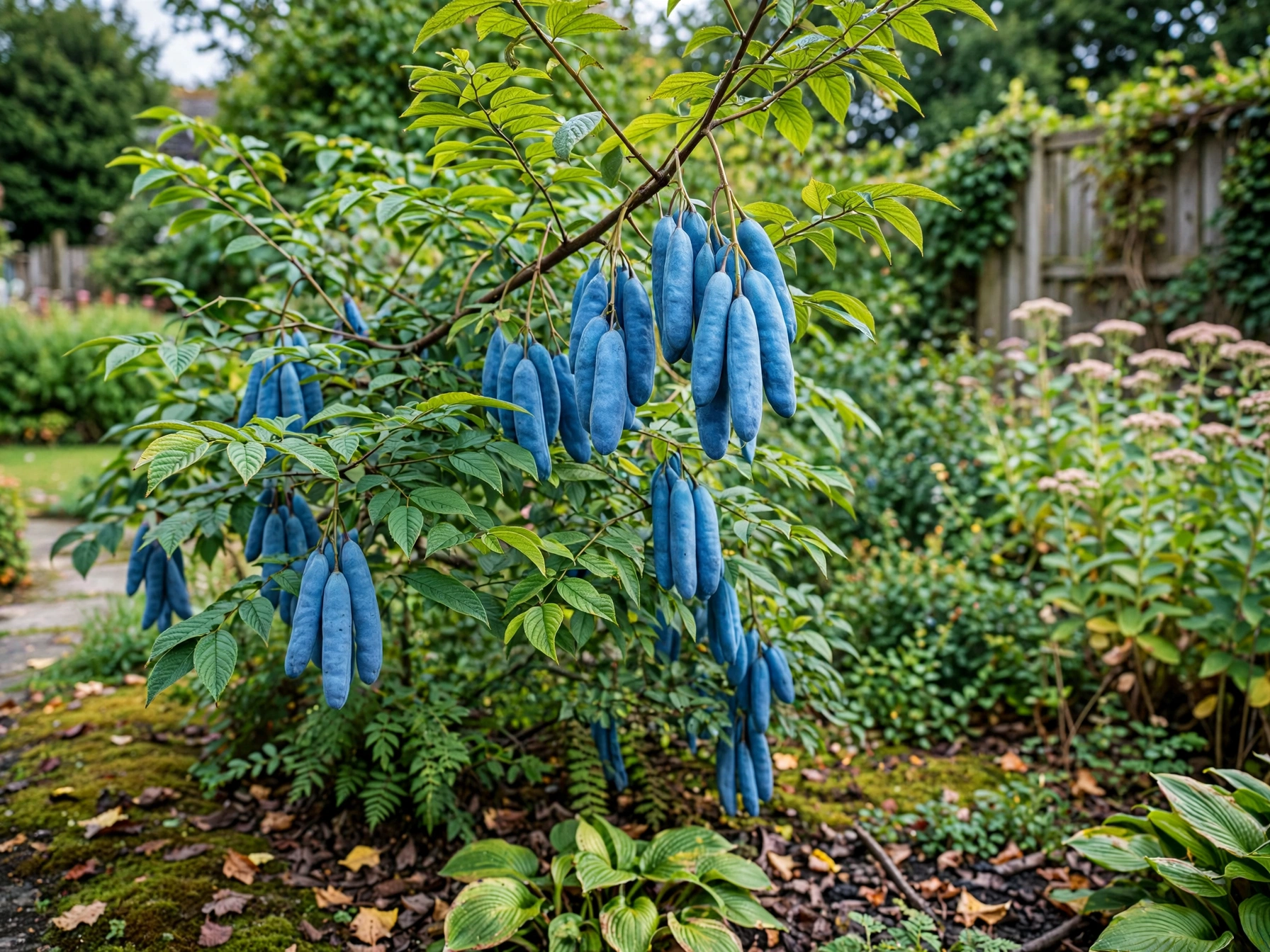
scary plants names: This deciduous shrub (Decaisnea fargesii) grows dangling, blue-grey pods that look unsettlingly like icy fingers. The name fits Halloween perfectly — imagine these swinging in an October breeze. Grow it in partial shade with moist, well-drained soil and shelter from harsh winds.
Doll’s Eyes
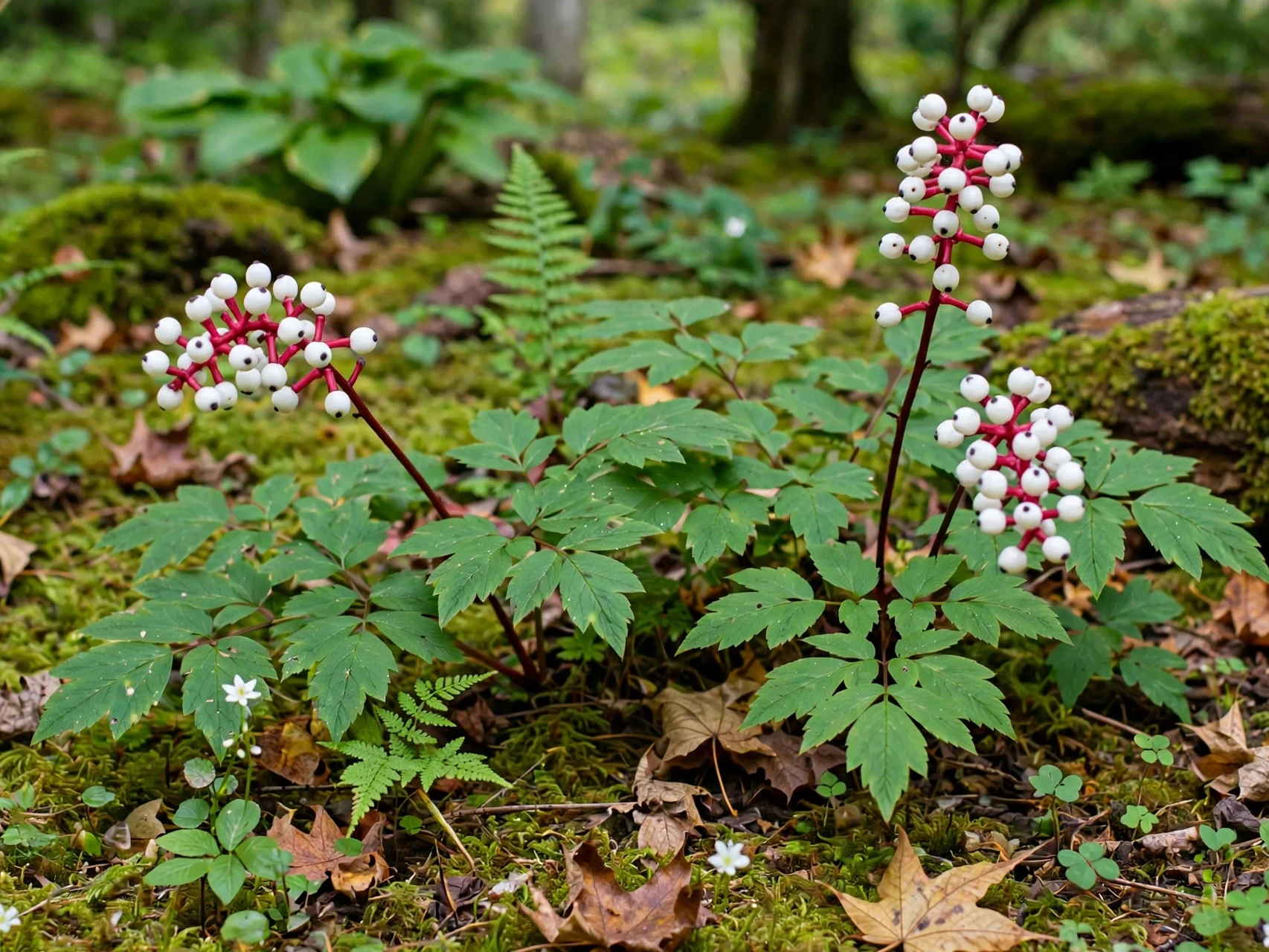
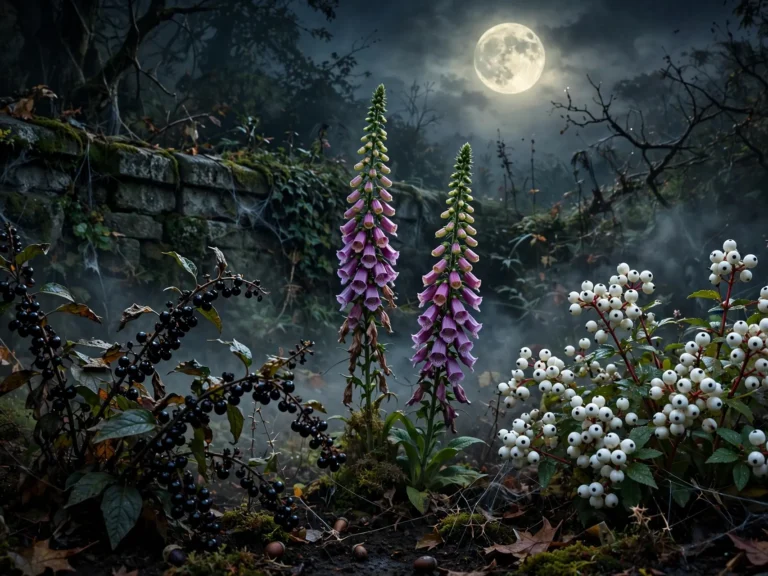
Doll’s Eyes (Actaea pachypoda) produces clusters of white berries, each tipped with a black dot, staring back at you like a doll’s glassy gaze. Pure haunted-house energy. It thrives in woodland-style shade with rich, humusy soil; note that all parts are toxic, so wear gloves.
Blood Lily
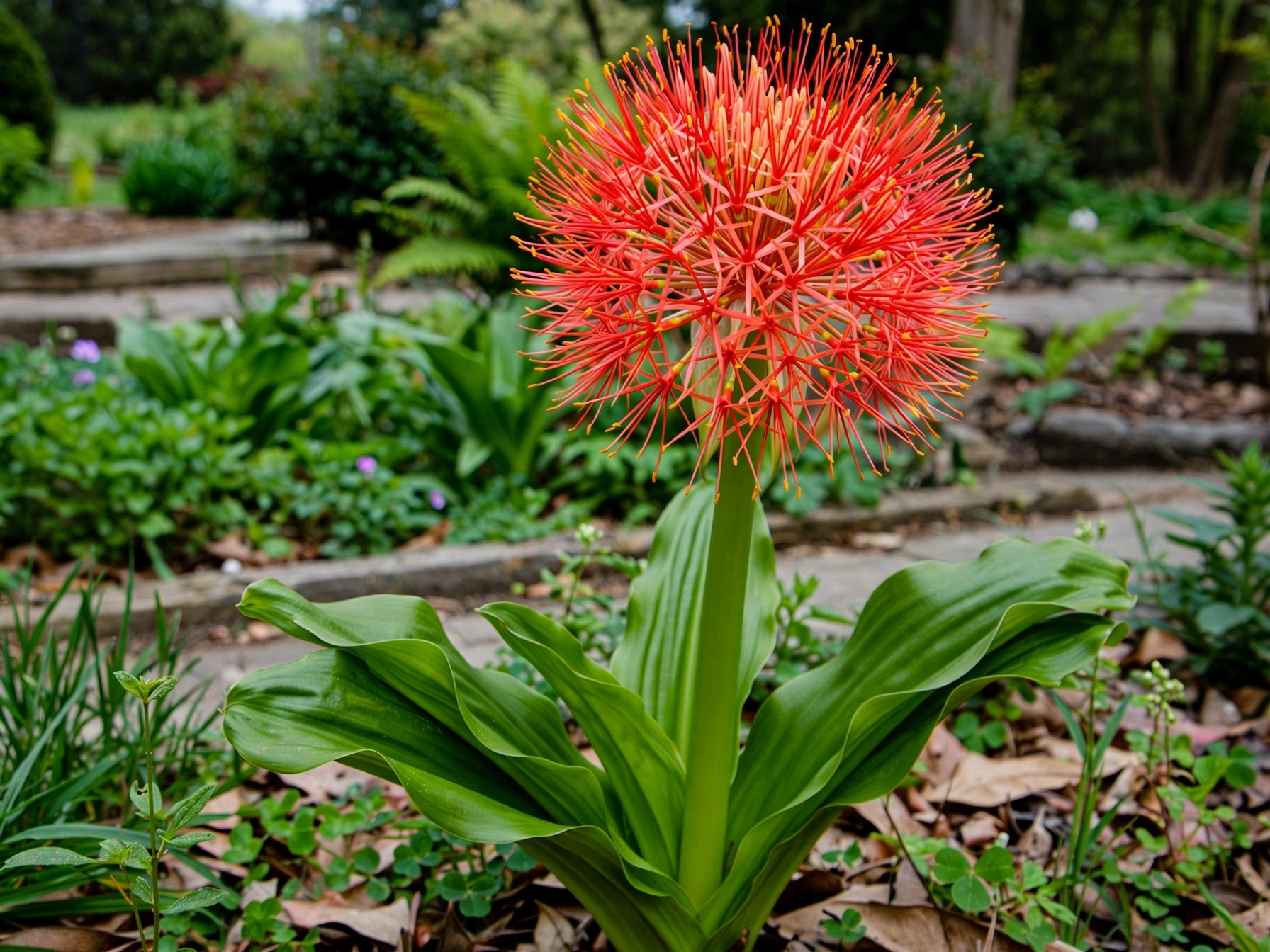
The Blood Lily (Scadoxus multiflorus) erupts into a perfect sphere of fiery red florets — a blood-red fireball on a stalk that looks like it belongs in a haunted greenhouse. It screams Halloween drama. Plant the bulb in spring, give it bright indirect light and regular water, let it go dormant in winter, and enjoy the show every summer.
Voodoo Lily
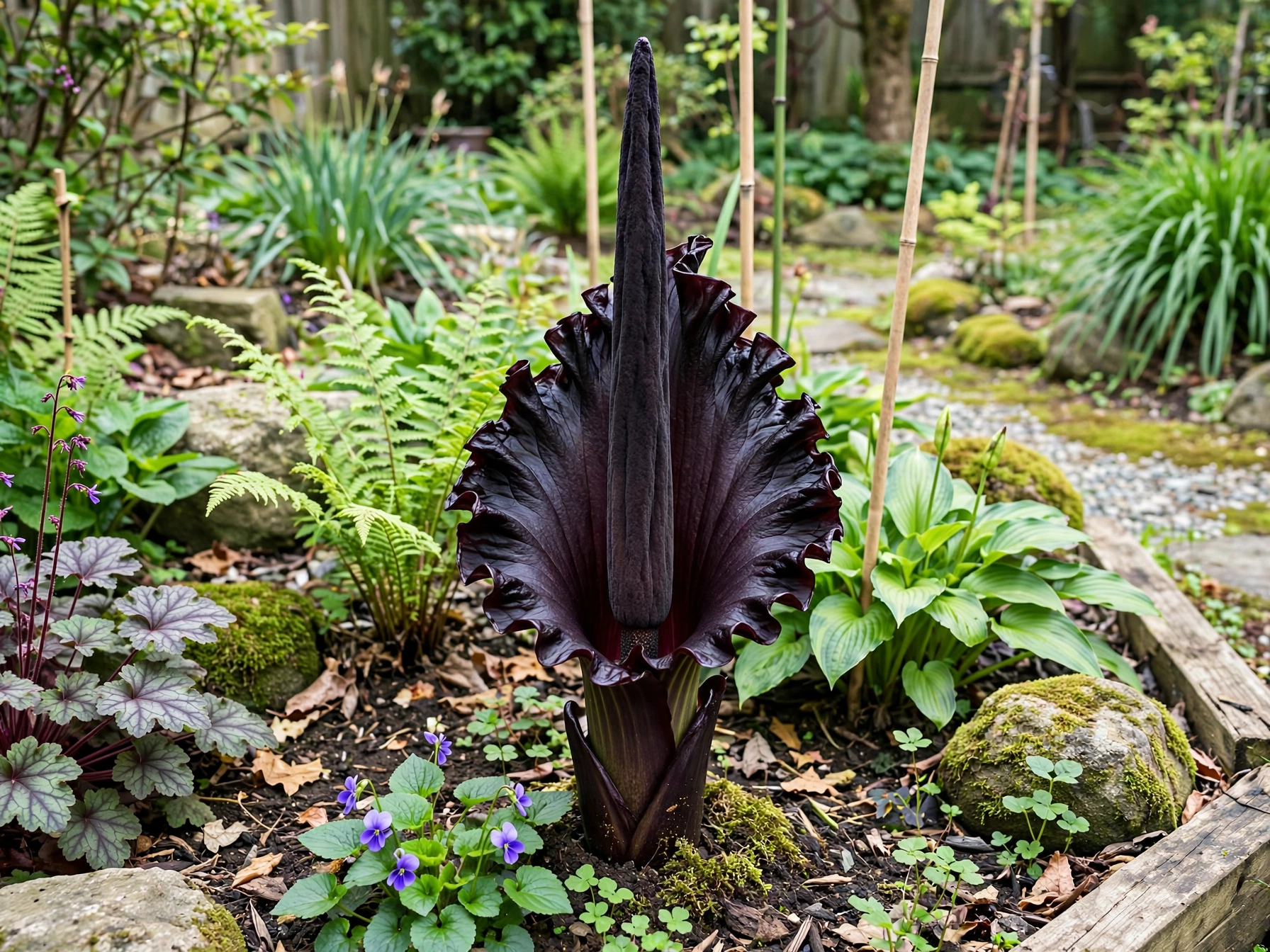
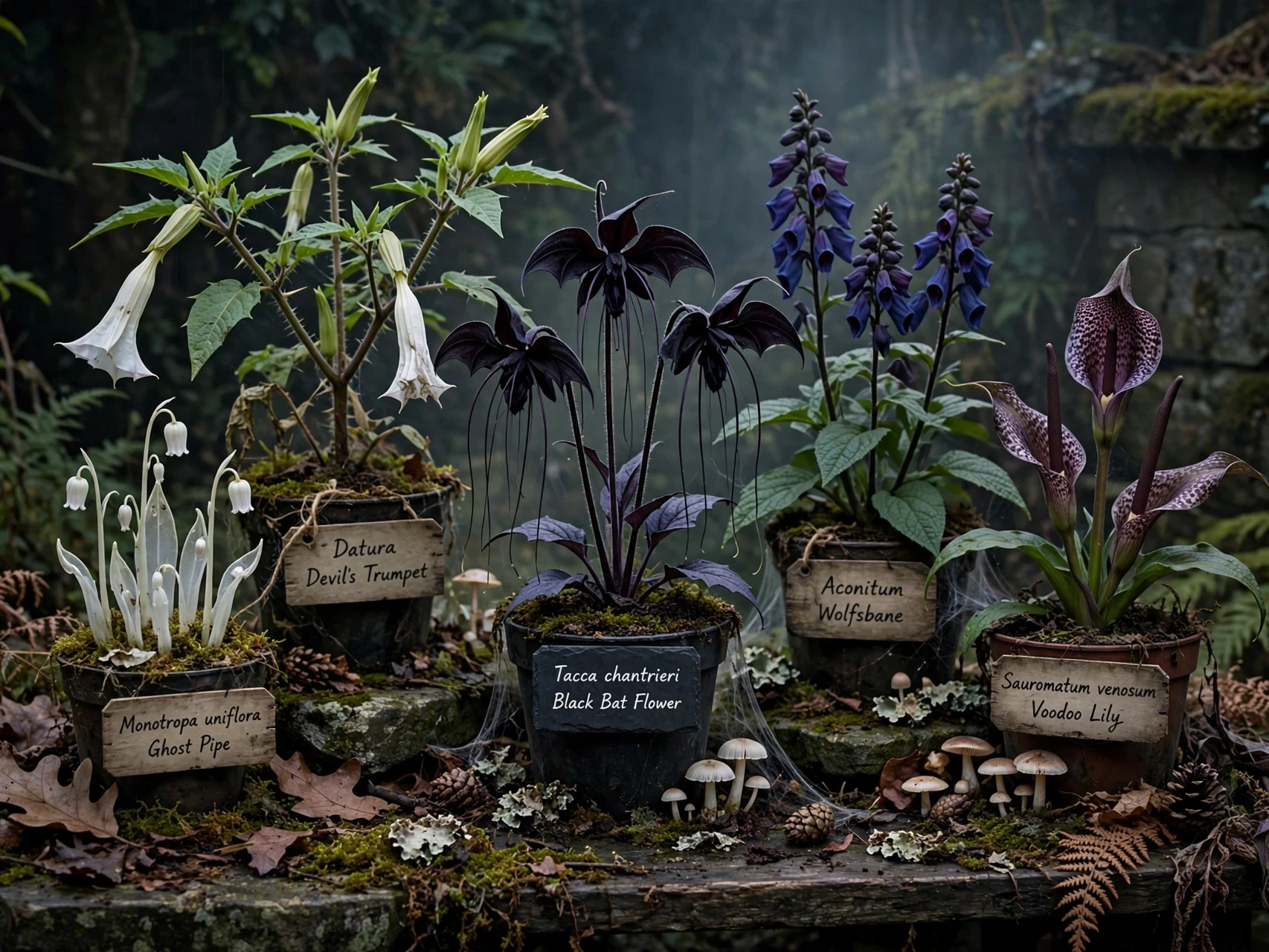
The Voodoo Lily (Amorphophallus konjac) unfurls a deep maroon, almost black spathe and famously stinks of rotting flesh to lure pollinators — truly spooky, and a guaranteed conversation starter. Give it dappled shade, rich moist soil, and lift the corm before hard frosts in cold climates.
Devil’s Claw
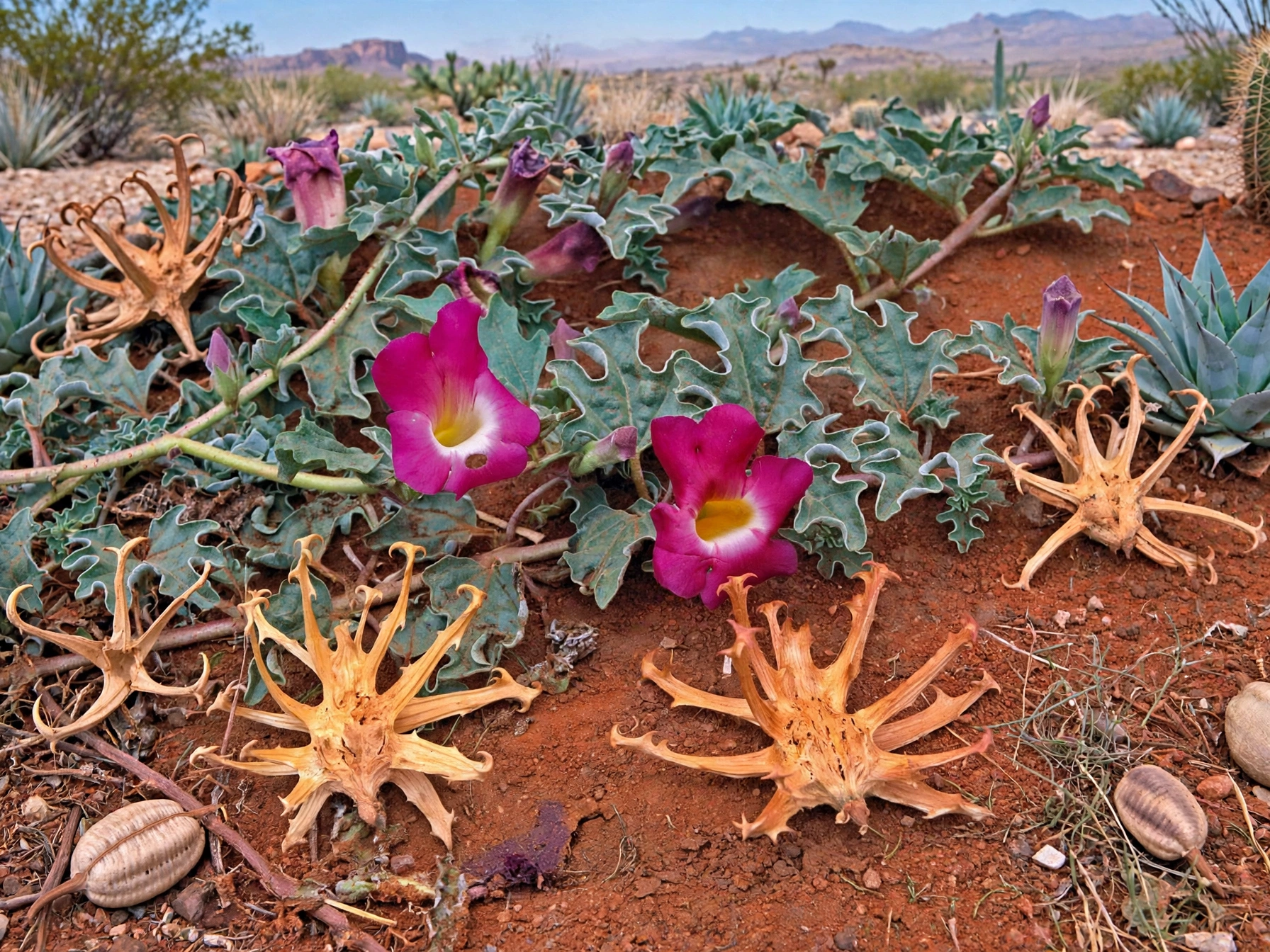
Devil’s Claw (Harpagophytum procumbens) earns its name from its clawed, hooked seed pods that look like miniature devil horns. A desert native with pretty trumpet flowers, it needs full sun, gritty well-drained soil, and very little water once established.
Witch Hazel
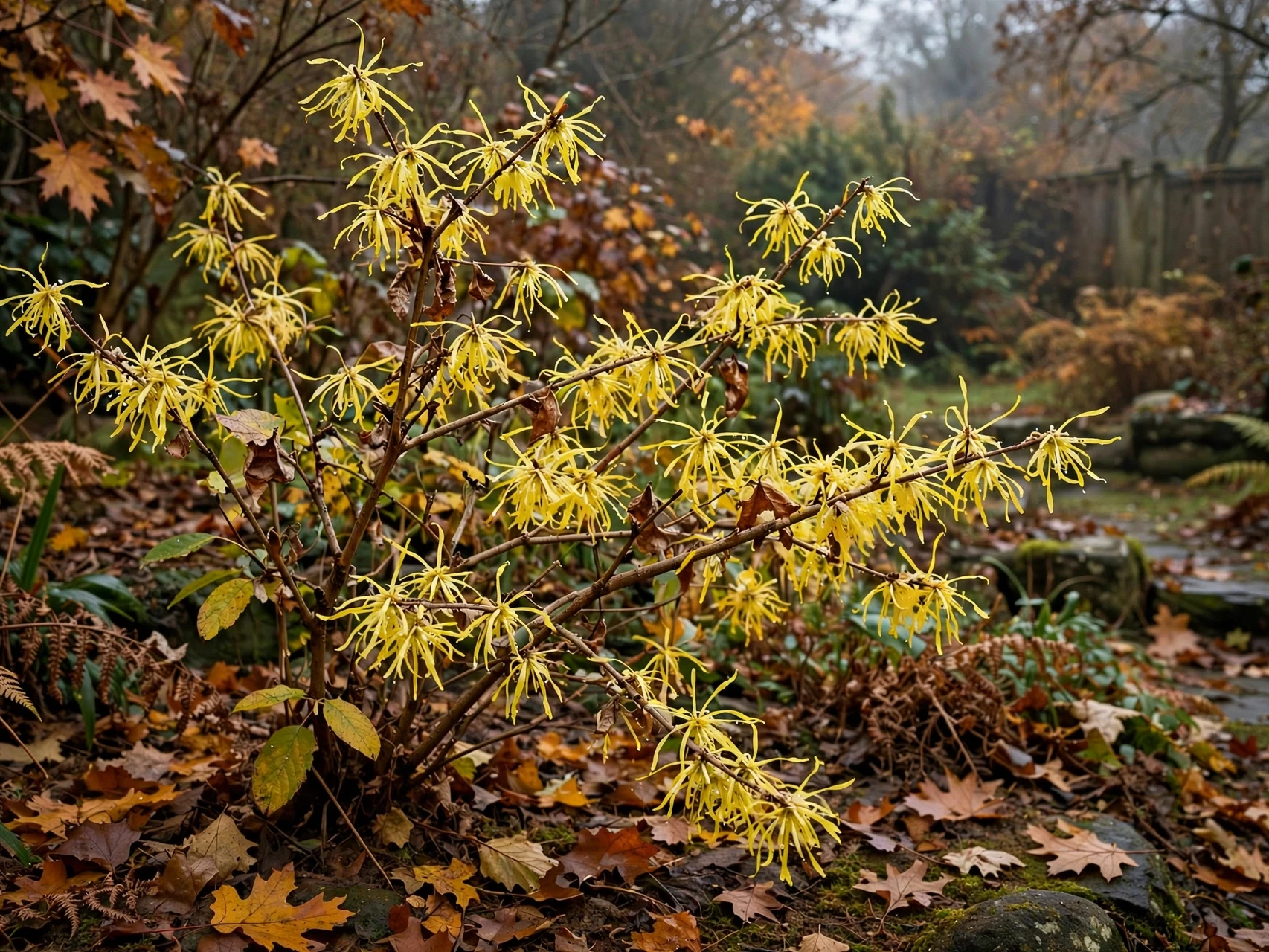
Witch Hazel sounds like it was brewed in a cauldron, and its spidery yellow blooms open in late autumn — right in time for Halloween season. This hardy shrub loves full sun to part shade and moist, acidic soil; prune lightly after flowering.
Ghost Plant
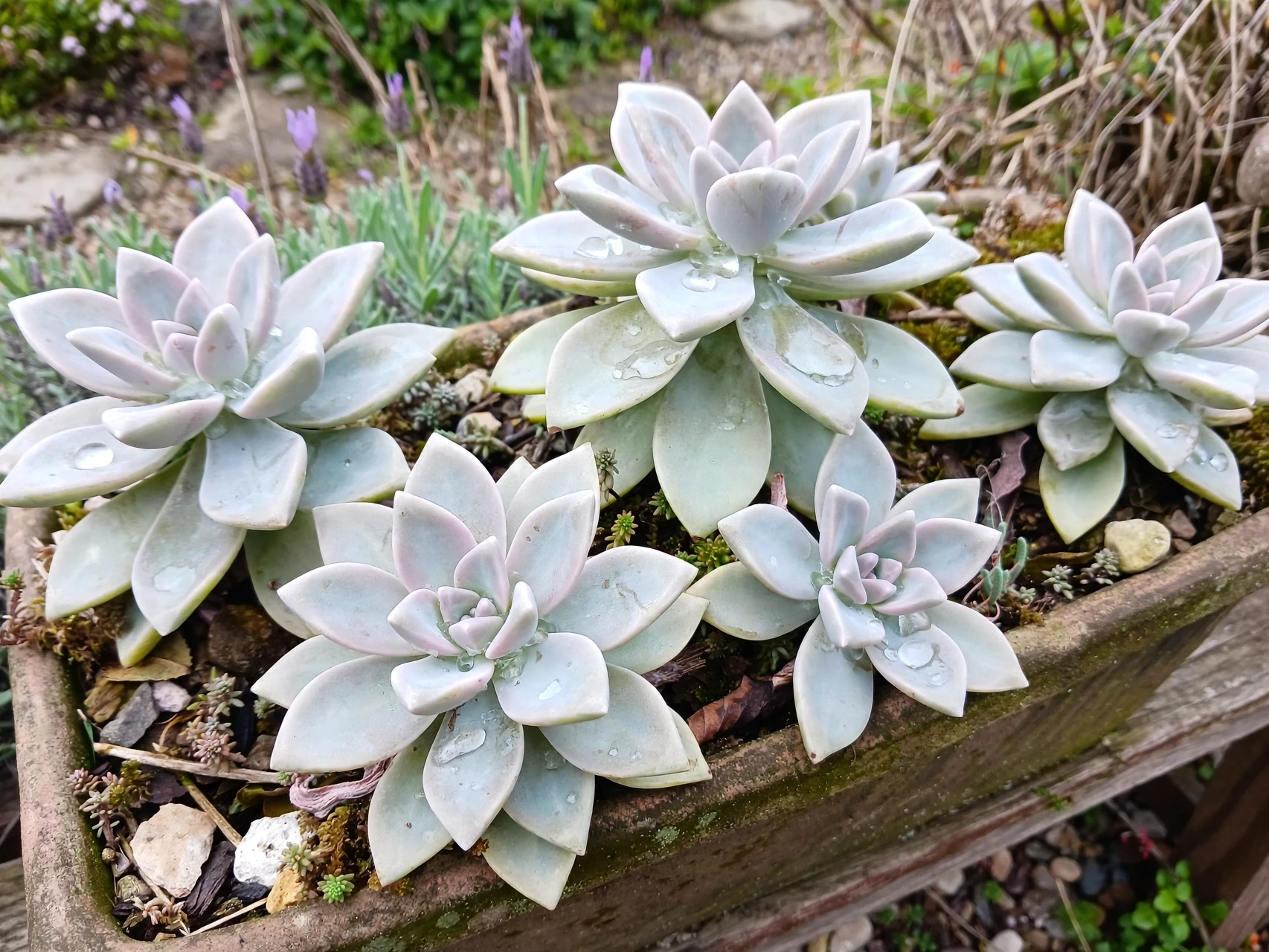
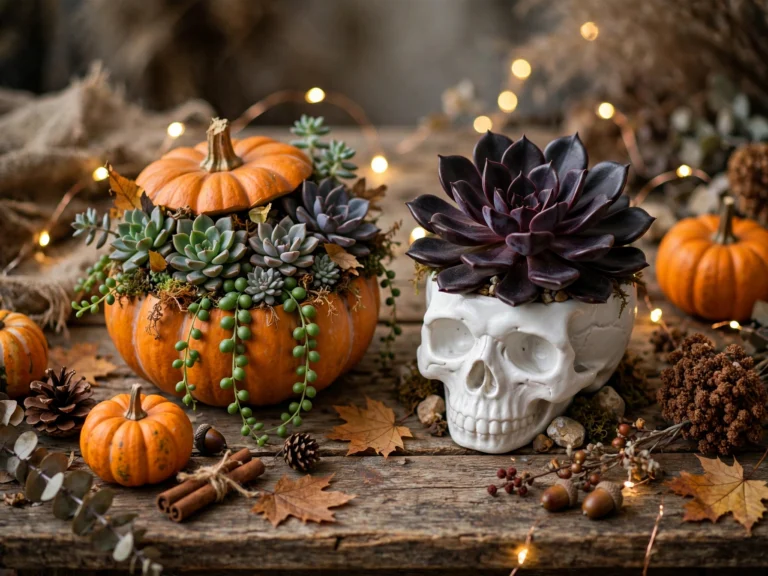
The Ghost Plant (Graptopetalum paraguayense) forms pale, silvery rosettes that glow like specters in moonlight. A wonderfully easy succulent, it wants bright light, gritty fast-draining soil, and infrequent watering — perfect for forgetful gardeners.
Bat Flower
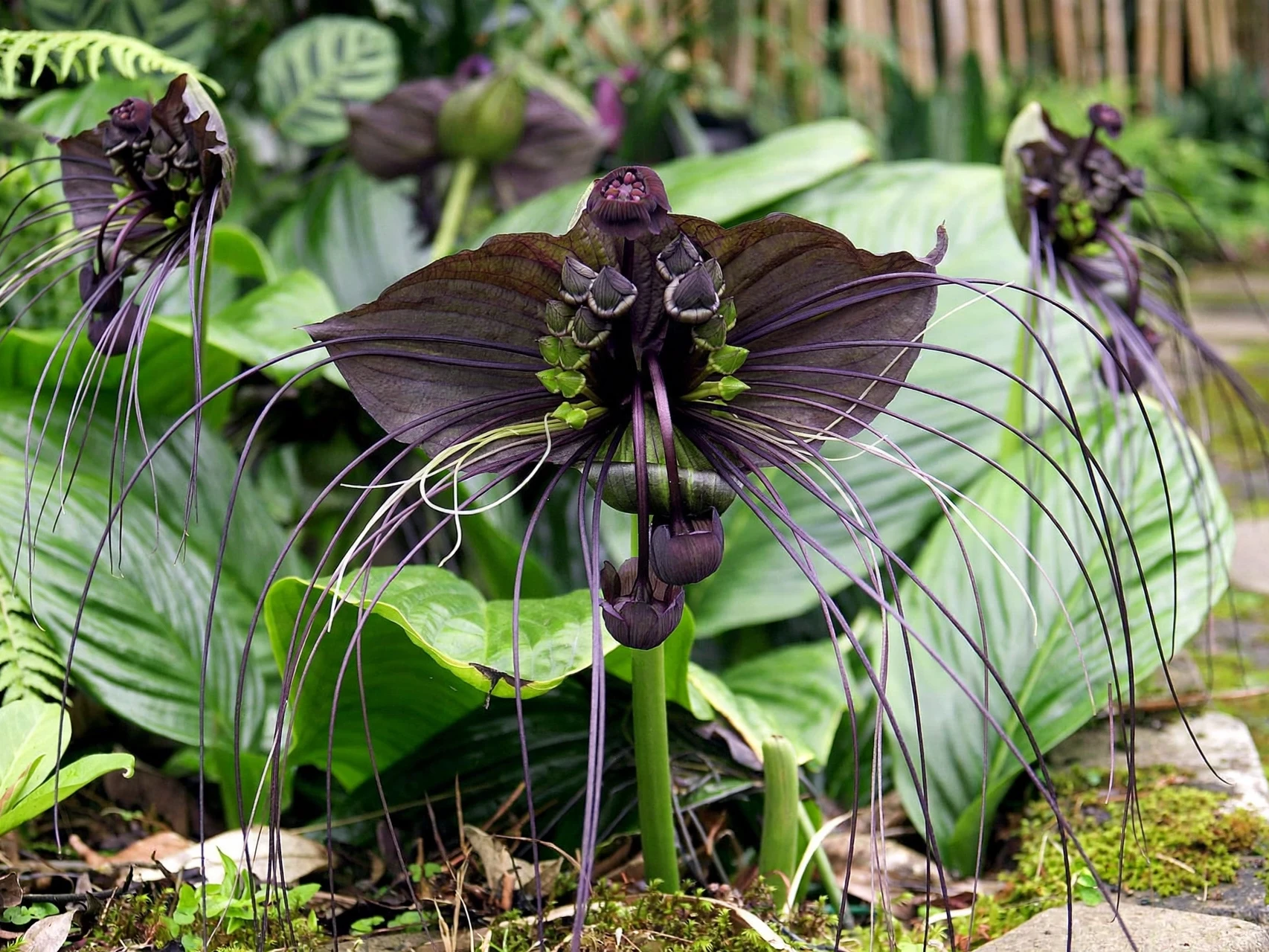
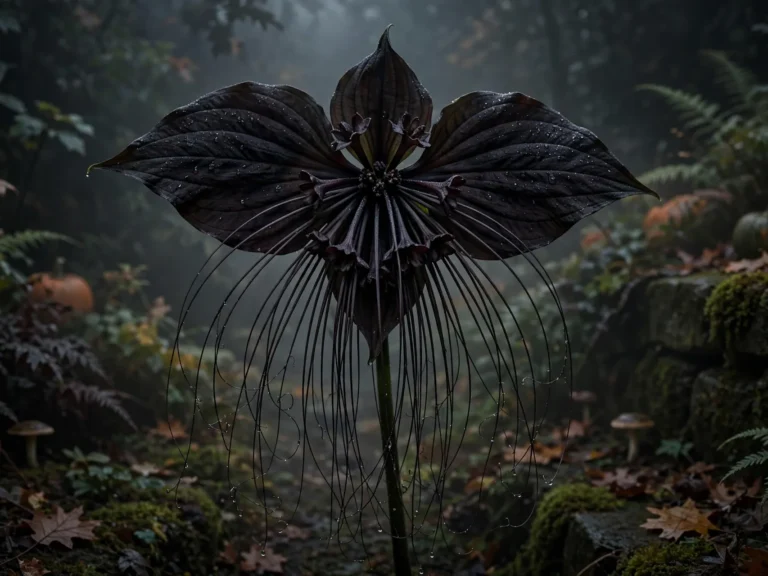
The Bat Flower (Tacca chantrieri) is Halloween royalty: near-black blossoms shaped like bats in flight, complete with long whisker-like bracts that sway in the breeze. This tropical diva demands warm humidity, shade, and consistently moist, rich soil — a greenhouse or bright bathroom favorite.
Dracula Orchid
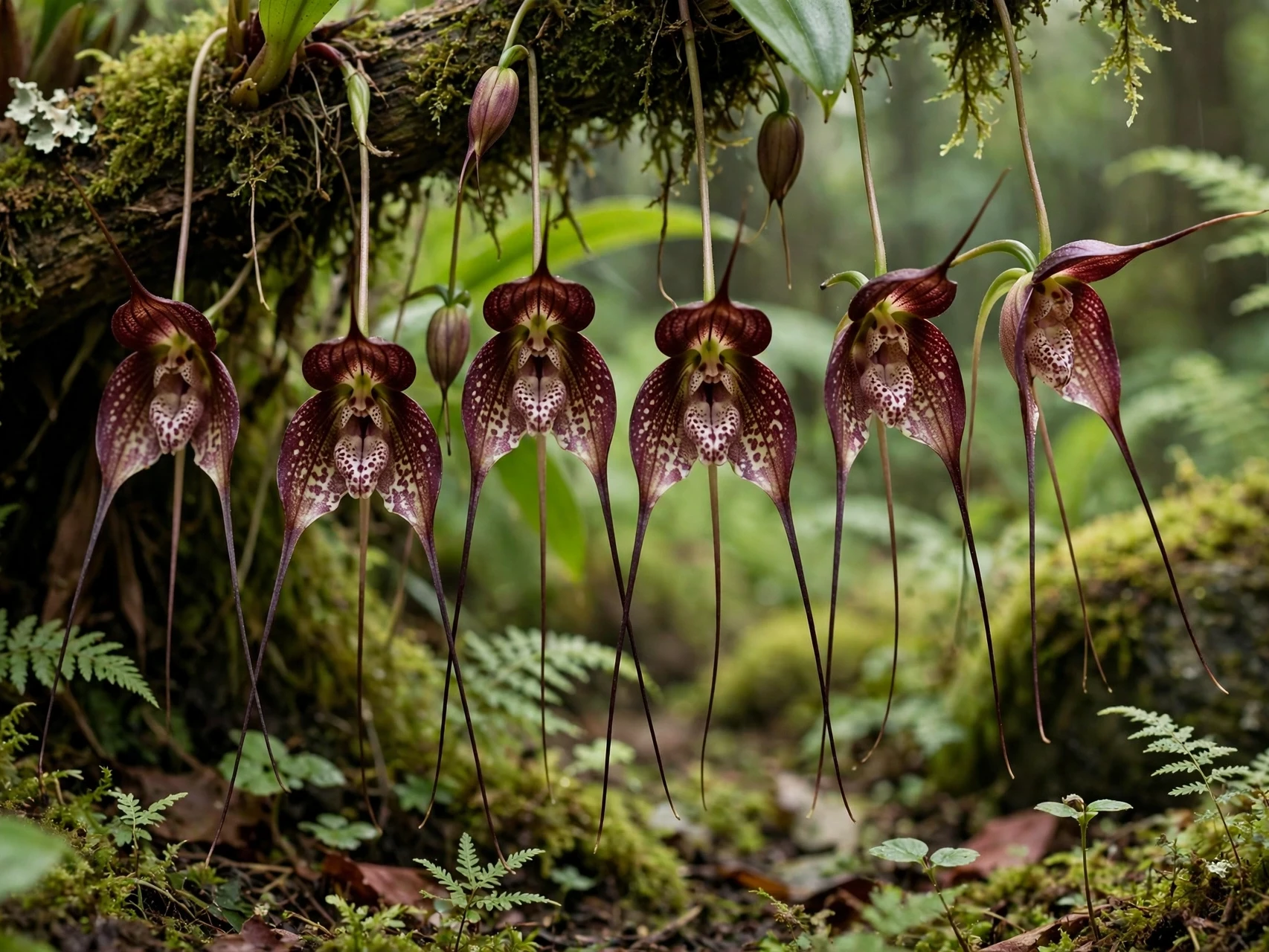
Dracula Orchids (Dracula spp.) dangle eerie, monkey-faced blooms that hang downward like tiny vampires lurking in the shadows of a cloud forest. The name — little dragon, but we all think of the Count — is half the fun. Keep them cool, shady, and humid with excellent air circulation.
Corpse Flower
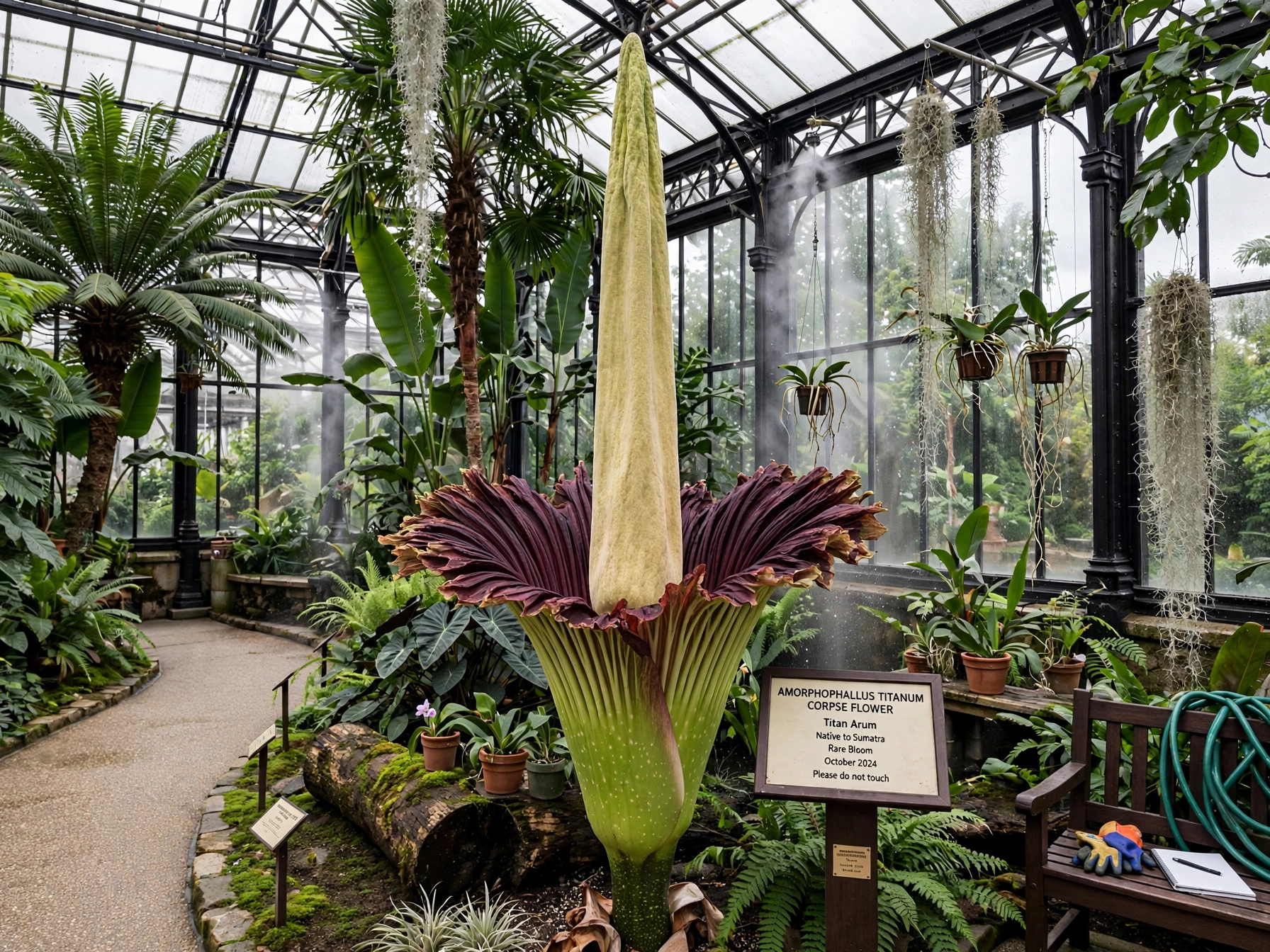
The Corpse Flower (Amorphophallus titanum) is the undisputed king of scary plant names, blooming rarely with a towering spadix that reeks of decay. Not a home-garden plant, but visit one at a botanical garden — it’s a once-in-a-decade spectacle.
Spider Plant
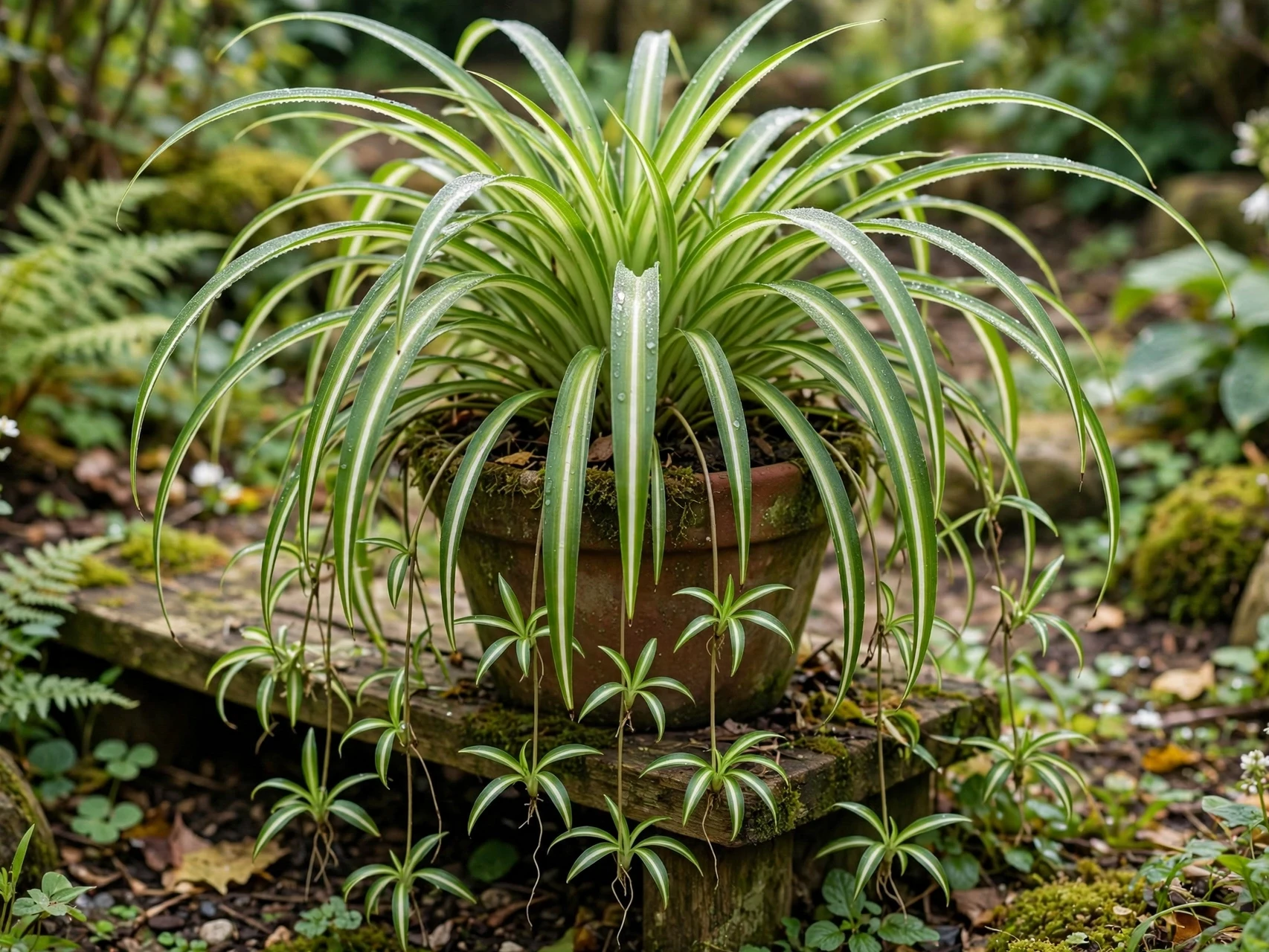
The Spider Plant (Chlorophytum comosum) sends out arching stems with baby plantlets that look like spiders dangling from webs — creepy, but only if arachnids bother you. Give it bright indirect light and water when the top inch of soil dries out.
Bleeding Heart
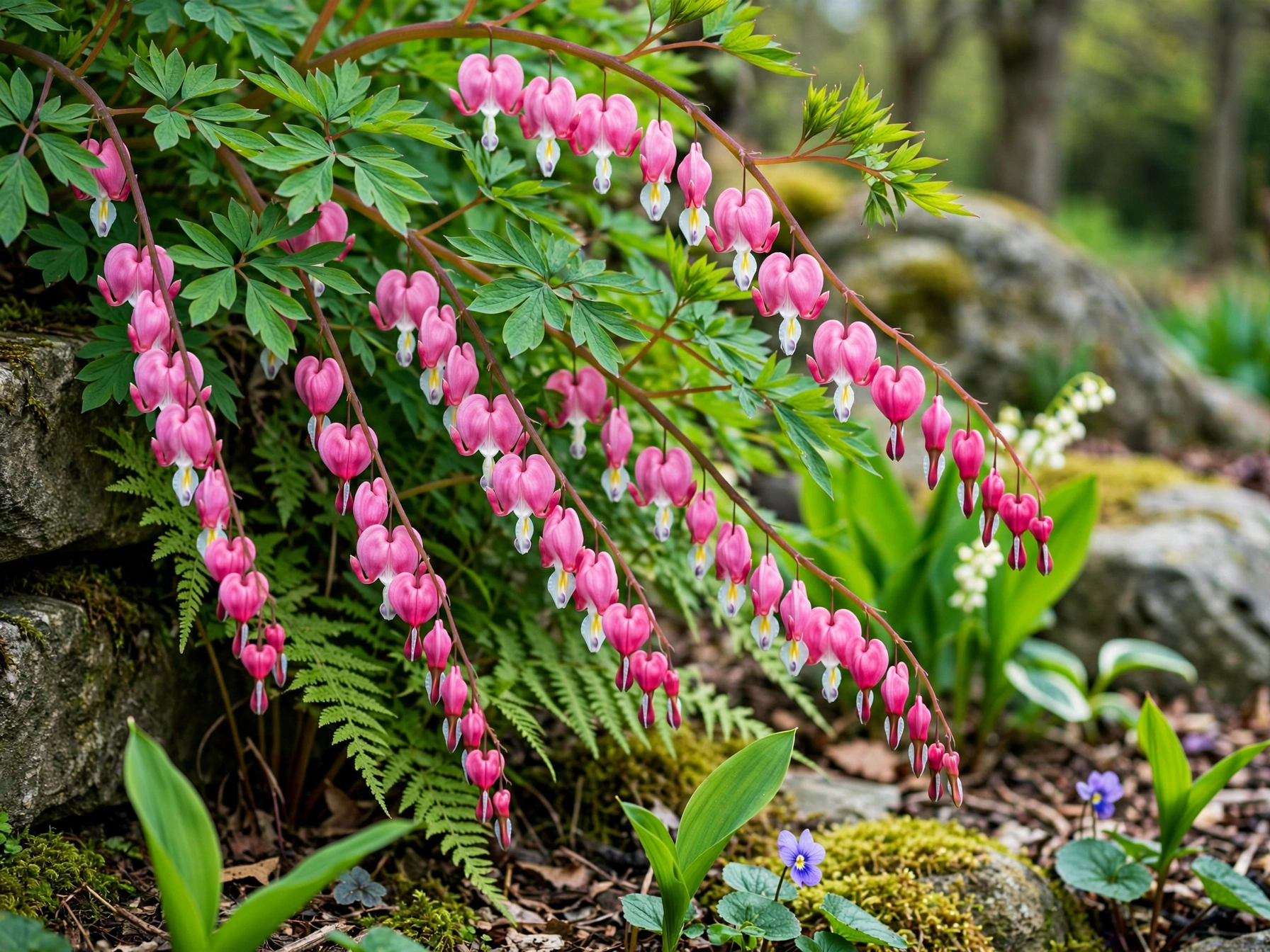
Bleeding Heart (Lamprocapnos spectabilis) drapes chains of pink, heart-shaped blooms that look like they’re dripping blood — romantic and macabre at once. It adores cool, shady spots with rich moist soil and goes dormant after flowering, so don’t panic.
For more ideas beyond the creepy corner of the nursery, browse our guide to the best flowering plants for every garden — many of these spooky picks pair beautifully with classic bloomers, so you can balance the fright with plenty of color. Whether you’re hosting a haunted garden party, decorating your porch for trick-or-treaters, or just love the theatrics of it all, Halloween is the perfect excuse to add a little mischief to your planting list. Which scary name will you grow first?
FAQ
Are plants with scary names dangerous to grow?
Most are perfectly safe, but a few — like Doll’s Eyes and Voodoo Lily — are toxic if eaten. Always check toxicity if you have curious kids or pets.
Can I grow these plants indoors?
Some, yes. The Ghost Plant, Spider Plant, and Bat Flower (with enough humidity) do well indoors, while shrubs like Witch Hazel and Dead Man’s Fingers need outdoor space.
Which scary-named plant is easiest for beginners?
The Spider Plant and Ghost Plant are nearly indestructible, forgiving houseplants that thrive on minimal attention.
Do any of these plants actually bloom around Halloween?
Yes — Witch Hazel opens its spidery blooms in late autumn, and many Bat Flowers and Blood Lilies can be timed to flower in October with the right care.
Where can I buy plants with scary names?
Specialty nurseries, botanical garden sales, and reputable online plant shops stock most of these; the Corpse Flower is best admired at a conservatory.