Best Flowering Plants for Every Garden
Best Flowering Plants for Every Garden
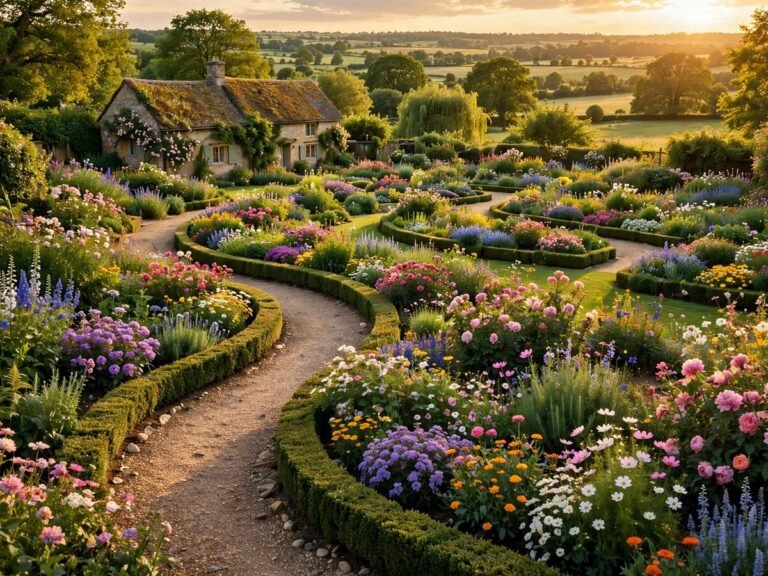
Finding the best flowering plants for your garden doesn’t have to be complicated. Whether you have a sunny border, a shady corner, or a small balcony, there’s a bloomer that will thrive and reward you with weeks of color. The best flowering plants don’t just look beautiful — they feed pollinators, lift your mood on the hardest days, and turn an ordinary yard into a place you actually want to spend time in.
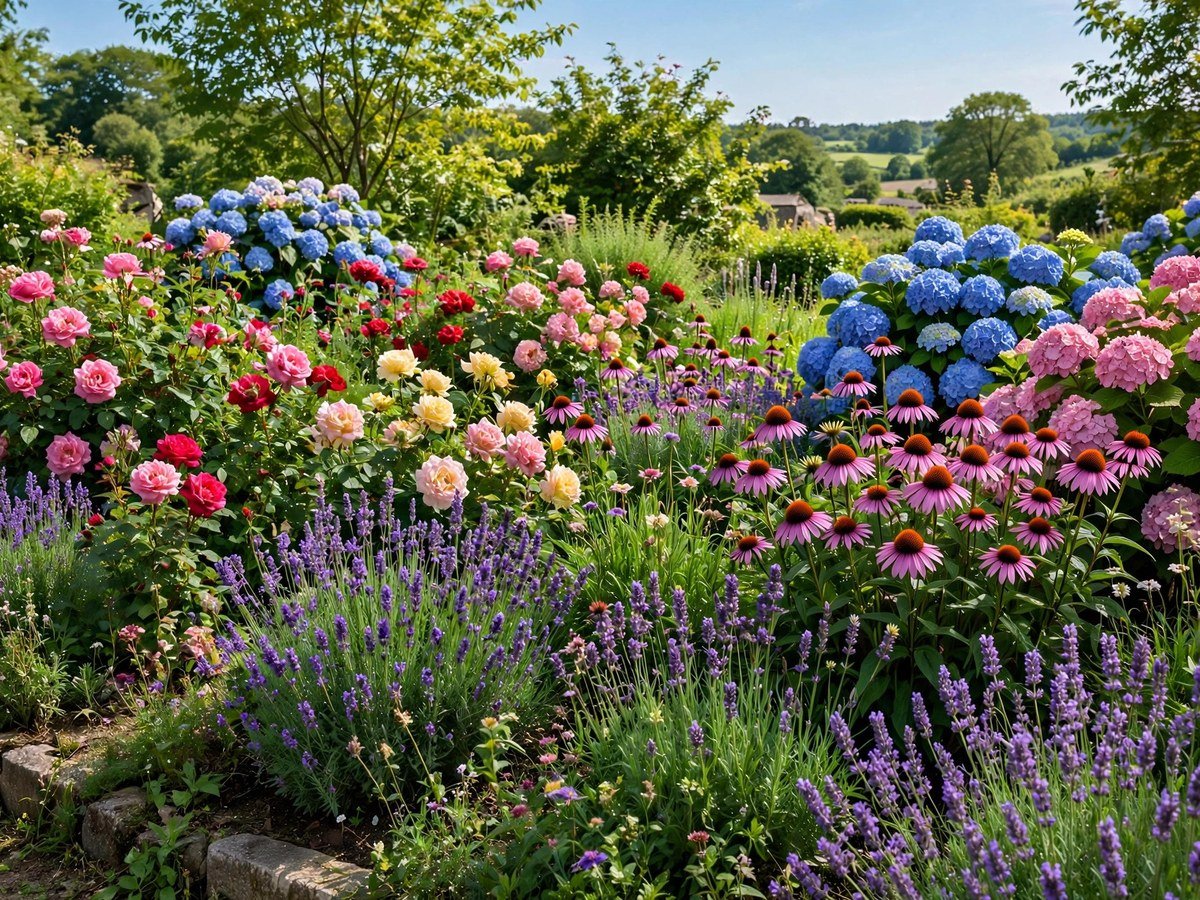
This guide rounds up six proven winners that earn their keep in almost any garden: roses for romance, lavender for scent, coneflowers for toughness, hydrangeas for shade, marigolds for nonstop color, and daylilies for pure reliability. You’ll find honest growing notes for each, so you can pick the ones that fit your space and your style.
Why Flowering Plants Transform Any Garden
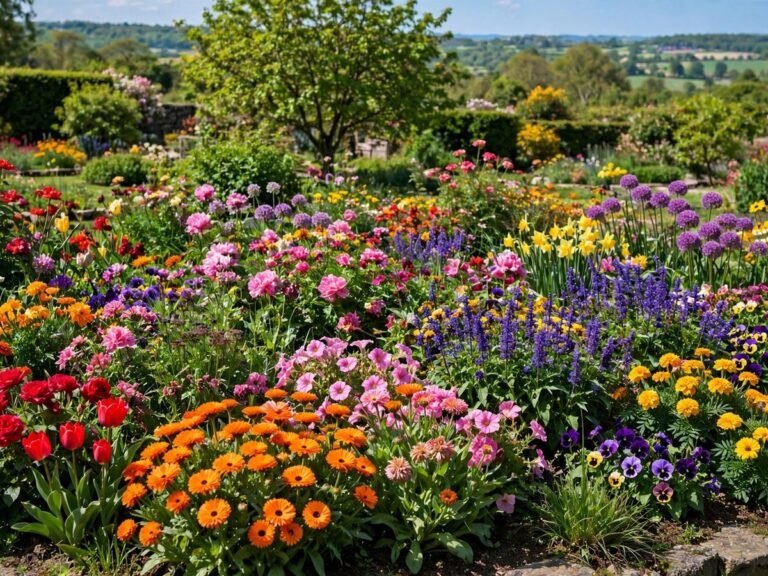
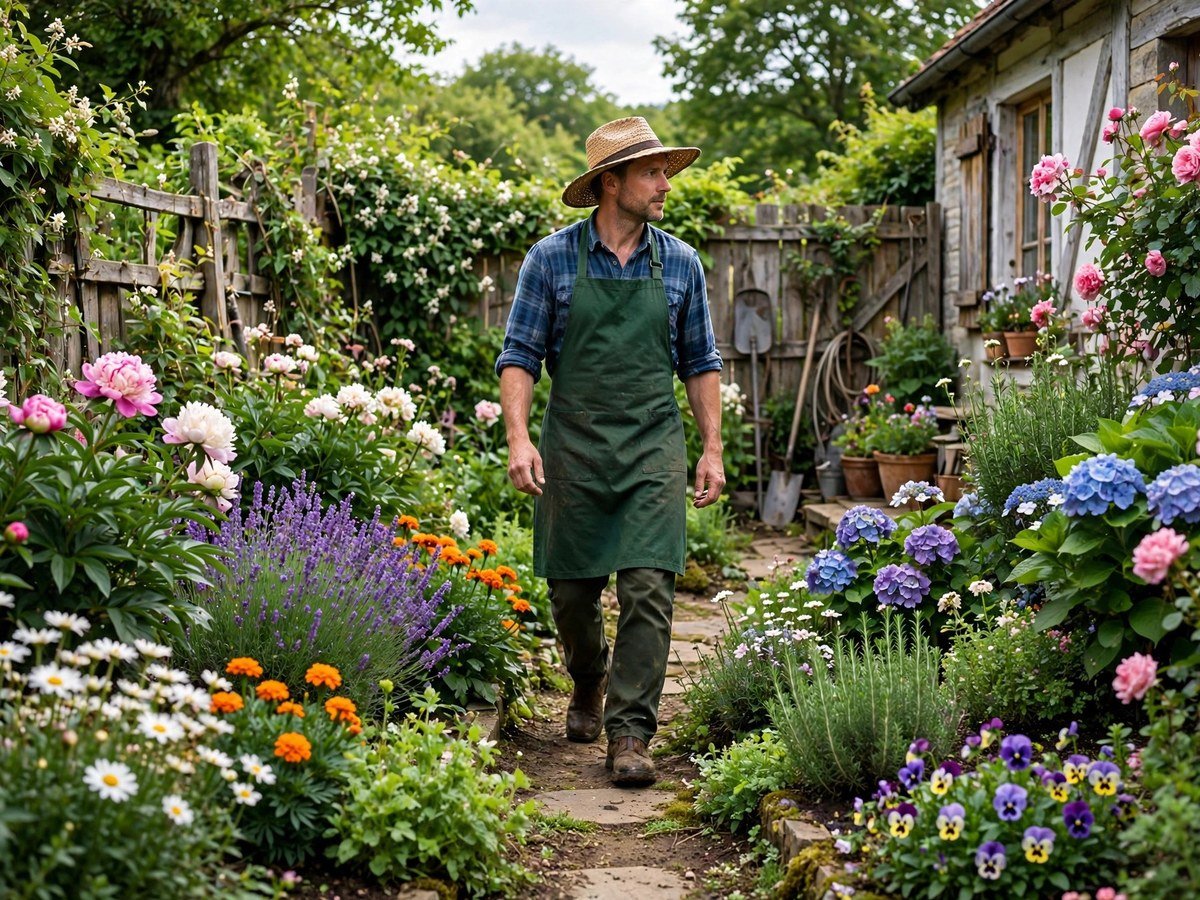
Flowers are the fastest way to give a garden personality. A patch of shrubs can look fine, but add a drift of coneflowers or a hedge of roses and suddenly the whole space comes alive with color, scent, and visitors. When choosing, think about your conditions first: hours of sun, soil drainage, and how much maintenance you honestly want to do.
Match the plant to the spot rather than fighting your yard, and even a beginner can get season-long blooms with very little effort. Aim for a mix of bloom times — something for early summer, something for high summer, and something that carries into fall — and you’ll never have an empty-feeling border.
The Best Flowering Plants, One by One
Roses
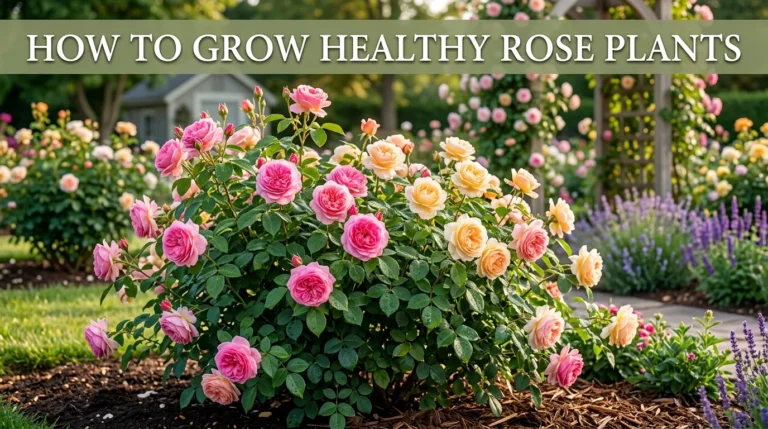
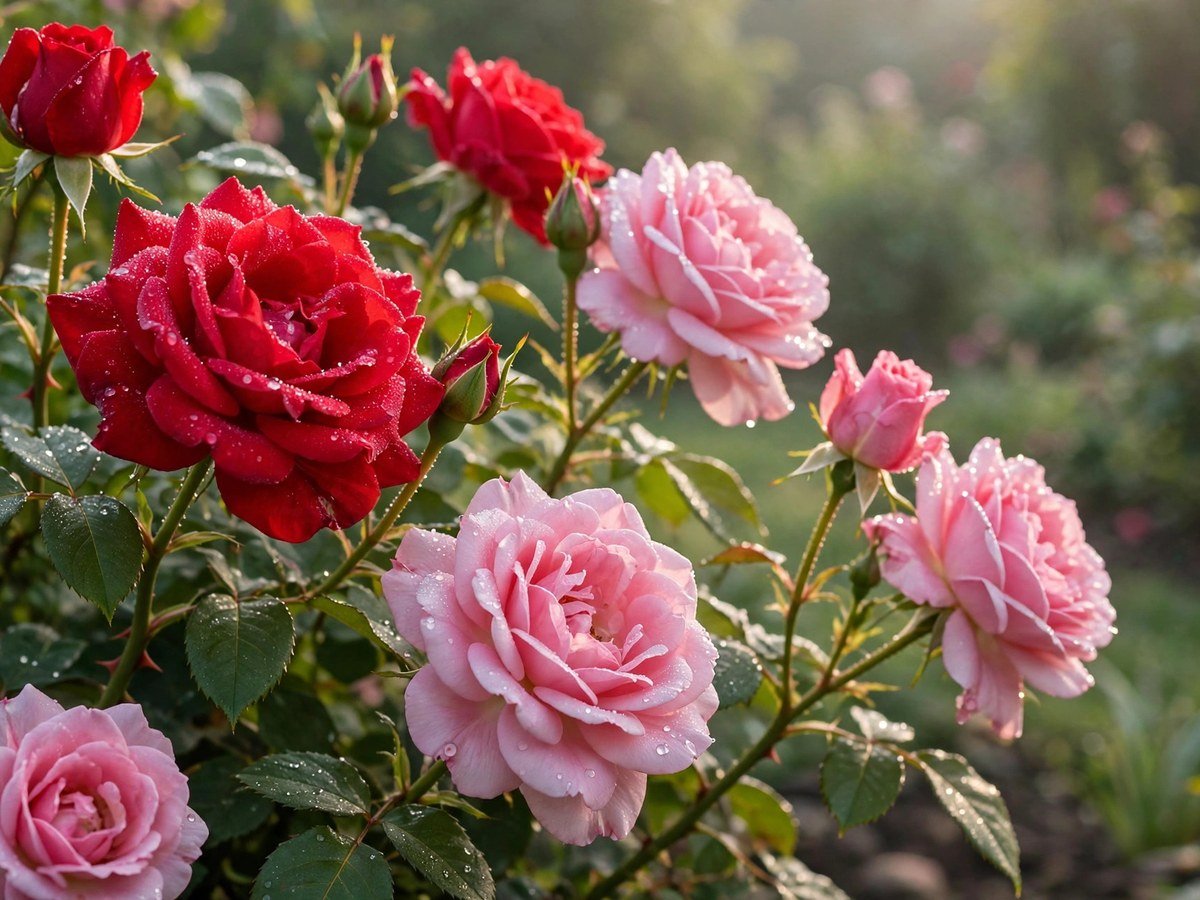
The classic for a reason — roses deliver unmatched flower power from late spring to frost. Modern shrub roses like Knock Out and Drift varieties need far less pampering than old tea roses, asking only for six hours of sun, rich soil, and regular deadheading. Plant them where you’ll brush past the fragrance daily.
Lavender
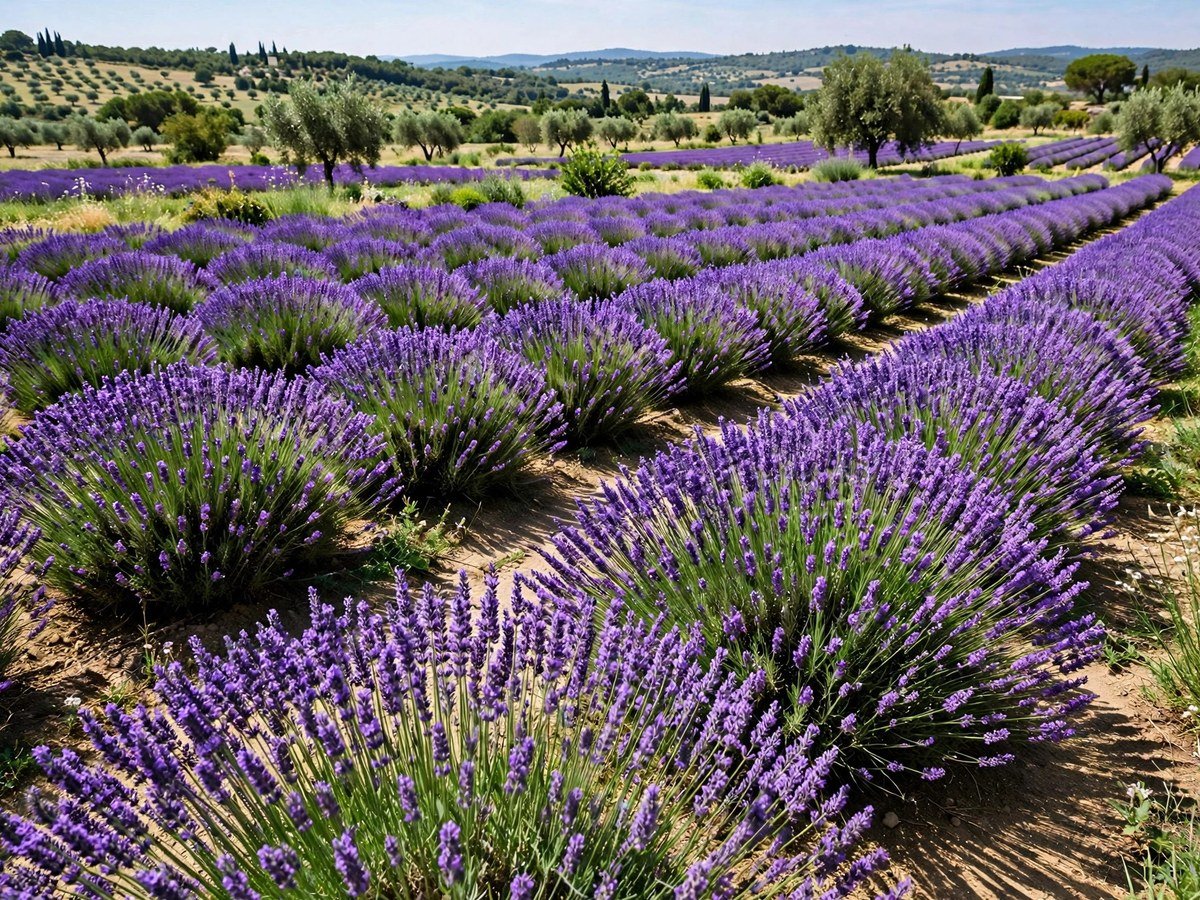
Lavender is sunshine you can smell. Its purple spikes bloom through summer, thrive on neglect, and ask for nothing more than full sun and sharp drainage. It shrugs off heat and drought, feeds bees for weeks, and gives you cut stems for drying. In heavy clay, plant it on a slight mound or in a raised bed.
Coneflowers (Echinacea)
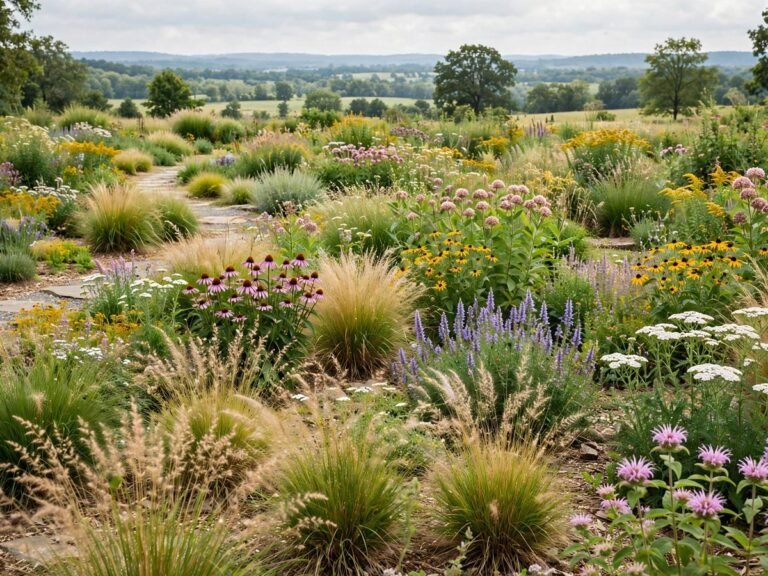
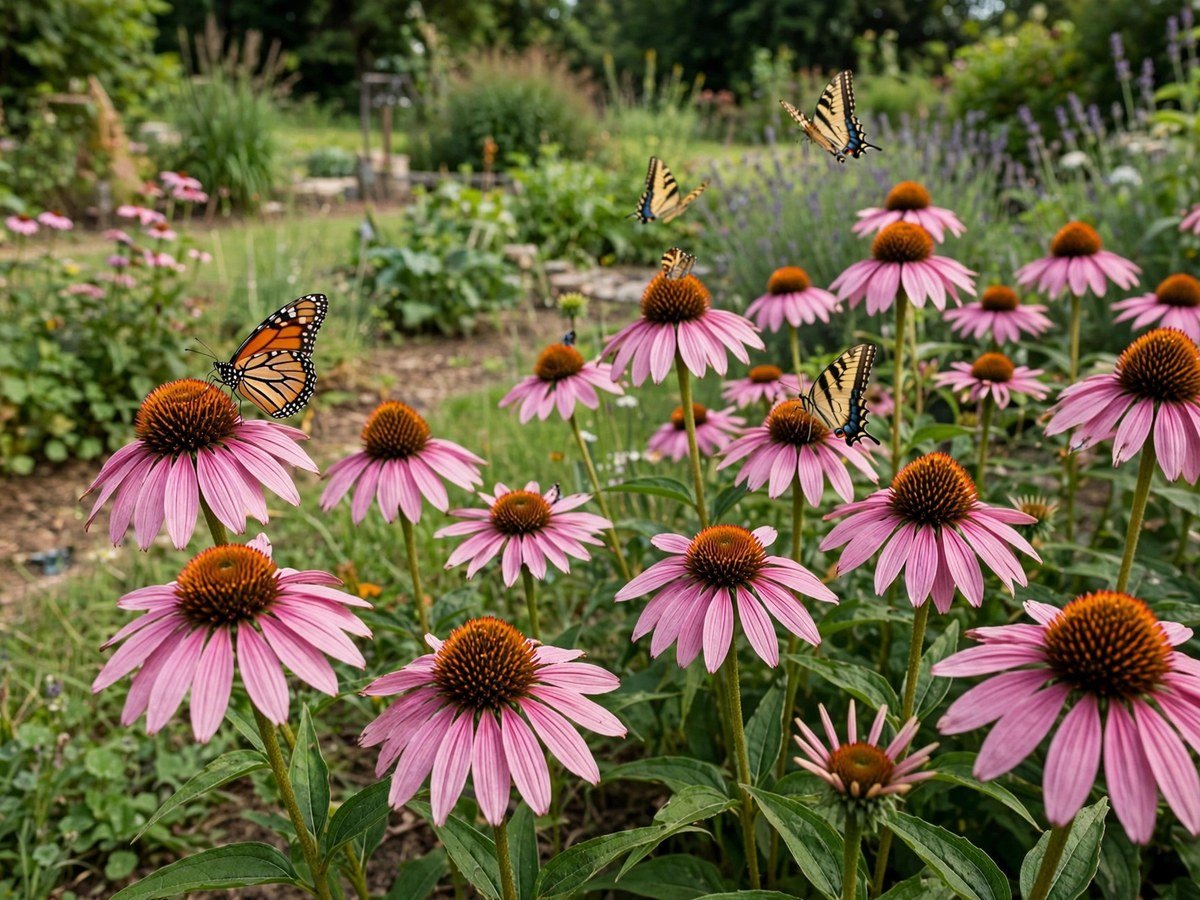
Tough as they come, coneflowers bloom from midsummer into fall with daisy-like petals around spiky orange centers. They tolerate poor soil, drought, and heat, and their seed heads feed goldfinches in winter. Deadhead for rebloom, or leave a few standing for wildlife and winter interest.
Hydrangeas
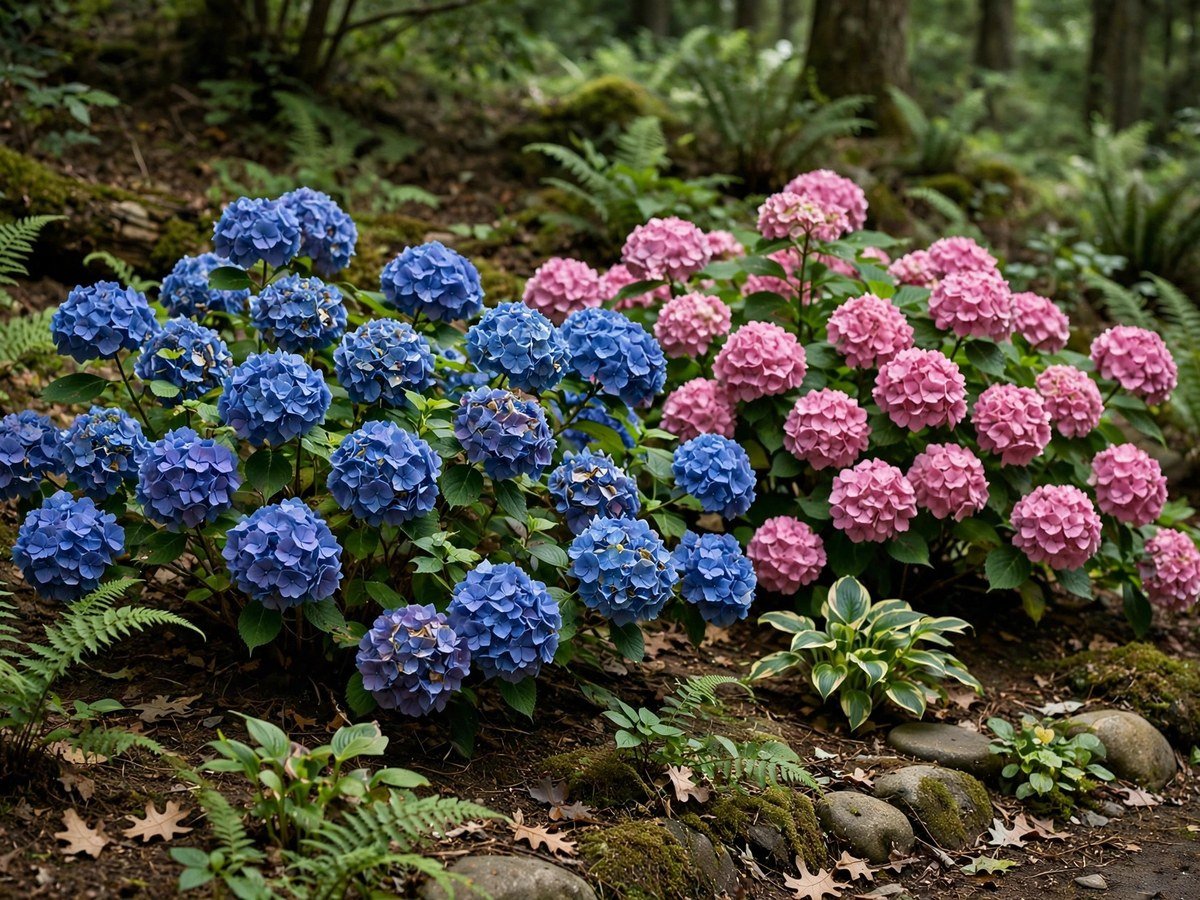
For shady spots where little else flowers, hydrangeas are unbeatable. Their big mophead or panicle blooms arrive in summer and can shift from pink to blue depending on soil pH — a fun experiment for the whole family. Give them morning sun, afternoon shade, and consistent water, and they’ll anchor a border for decades.
Marigolds
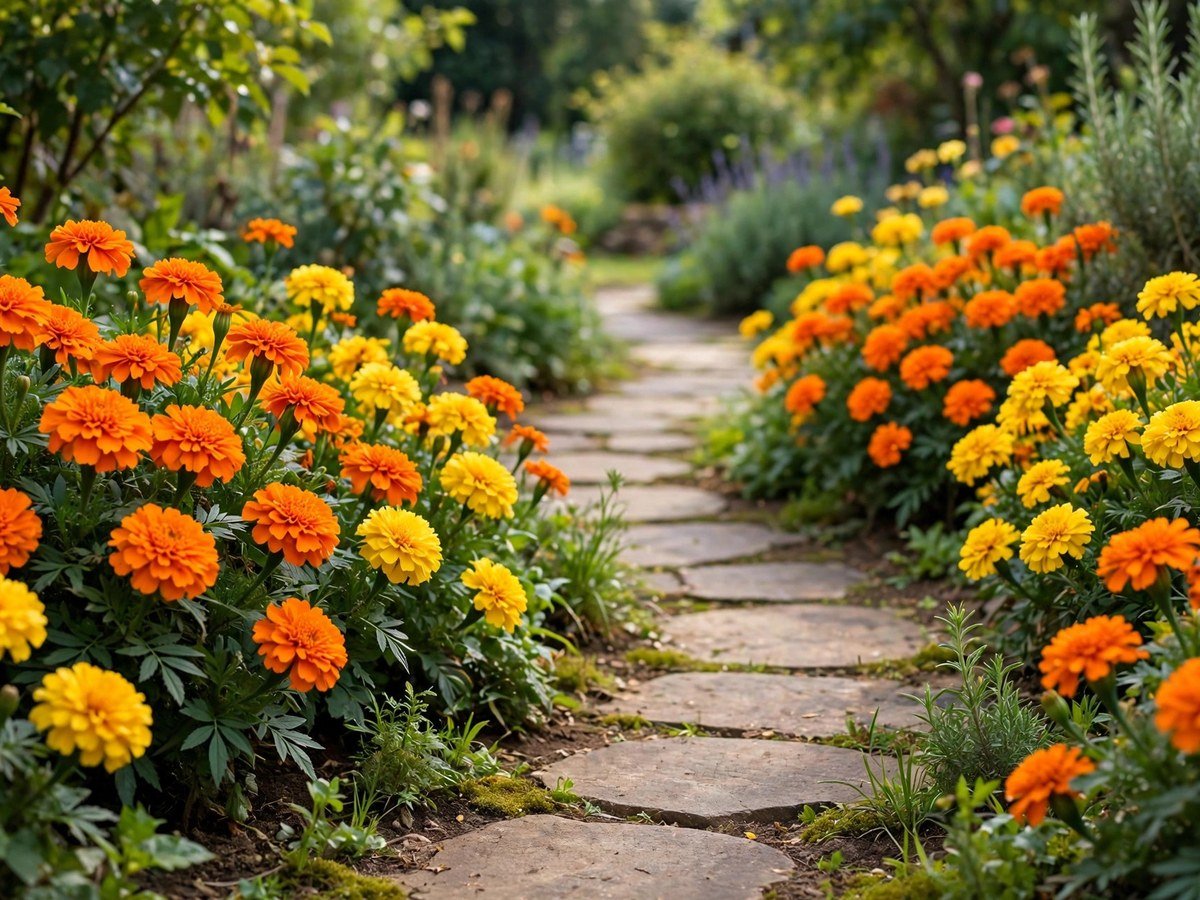
Marigolds are the garden’s cheerful workhorses. These fast-growing annuals bloom nonstop from planting until frost in blazing oranges and golds, and their roots help deter nematodes and other pests — which is why vegetable gardeners plant them everywhere. Sow or transplant after the last frost in full sun.
Daylilies
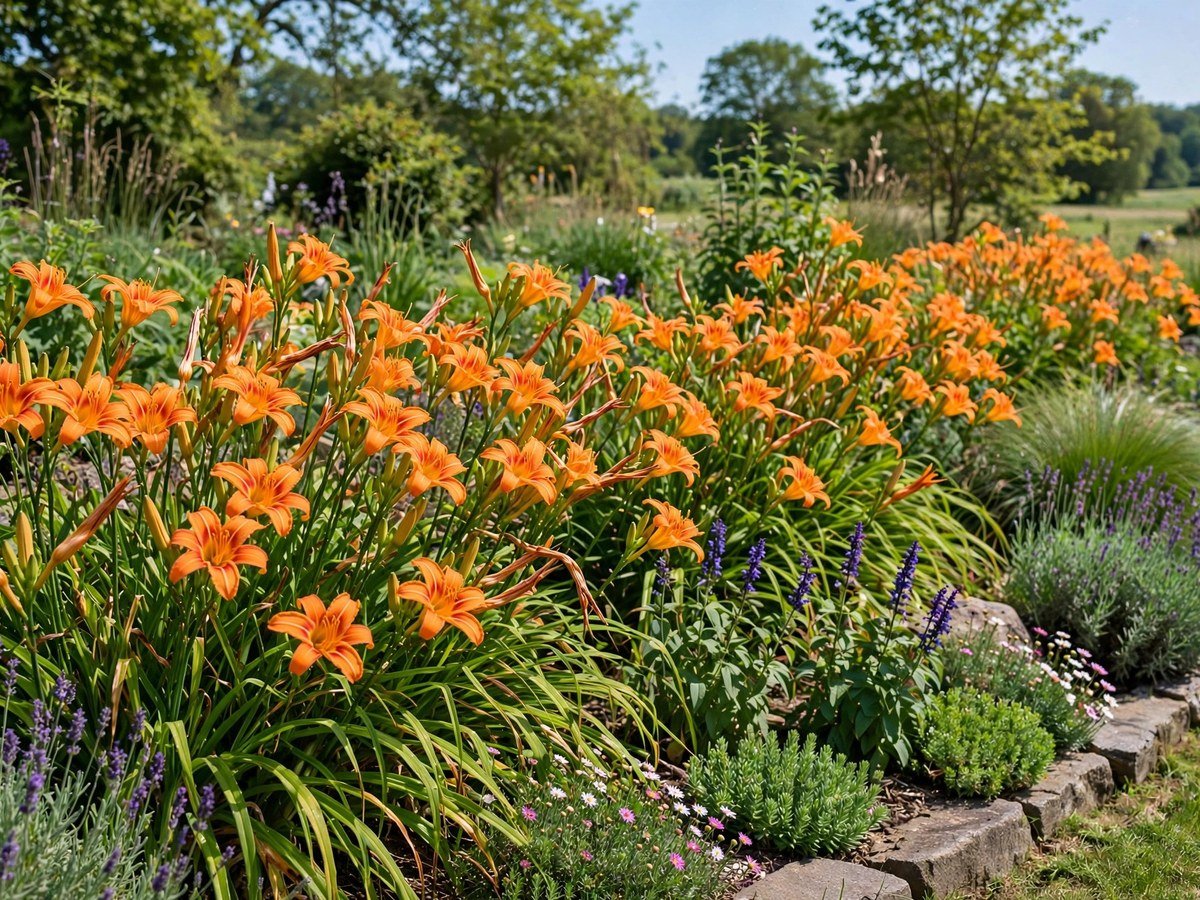
Daylilies earn their place through sheer reliability. Each flower lasts a day, but a healthy clump produces hundreds of buds over a month or more. They survive neglect, divide easily to make free plants, and modern reblooming varieties flower twice. Full sun to part shade and any decent soil will do.
Planting and Care Tips
Success starts at planting time. Dig a hole twice as wide as the pot but no deeper, set the plant at the same level it was growing, and water deeply right away. Mulch with two to three inches of bark or compost to hold moisture and suppress weeds, keeping it a few inches from stems so crowns stay dry and rot-free.
Feed in spring with a balanced slow-release fertilizer, water at the base rather than overhead to prevent disease, and deadhead spent blooms on repeat-flowerers to keep the show going. Most importantly, watch your plants for a season — they’ll tell you quickly whether a spot works, and moving a struggling perennial in fall is far better than hoping it improves.
Frequently Asked Questions
What are the easiest flowering plants for beginners?
Marigolds, coneflowers, and daylilies are nearly foolproof. They tolerate imperfect soil, forgive missed waterings, and still bloom generously in their first season. If you want guaranteed success, start with one of these three.
Which flowering plants bloom the longest?
Roses, marigolds, and reblooming daylilies flower for months at a stretch. Pair them with spring and fall perennials like lavender and asters for continuous color from April to October.
Can I grow flowering plants in shade?
Yes — hydrangeas are the star choice, blooming reliably with just morning sun and afternoon shade. Impatiens, begonias, and astilbe are other shade-tolerant options that flower without full sun.
How do I keep flowering plants blooming all season?
Deadhead spent flowers regularly to trigger new buds, water consistently during dry spells, and feed once or twice a season. Choosing varieties labeled “reblooming” or “everblooming” at the nursery helps too.
Which flowering plants attract pollinators?
Lavender, coneflowers, and echinacea relatives are pollinator magnets that buzz with bees and butterflies all summer. Leave coneflower seed heads standing through fall and winter to feed birds as well.
Bring Your Garden to Life
You don’t need all six of these to have a stunning garden — even two or three matched to your conditions will transform a space. Start with what excites you, plant generously, and let the flowers do what they’ve done for millions of years: grow, bloom, and make your little corner of the world more beautiful. Your future self, coffee in hand on a summer morning, will thank you.