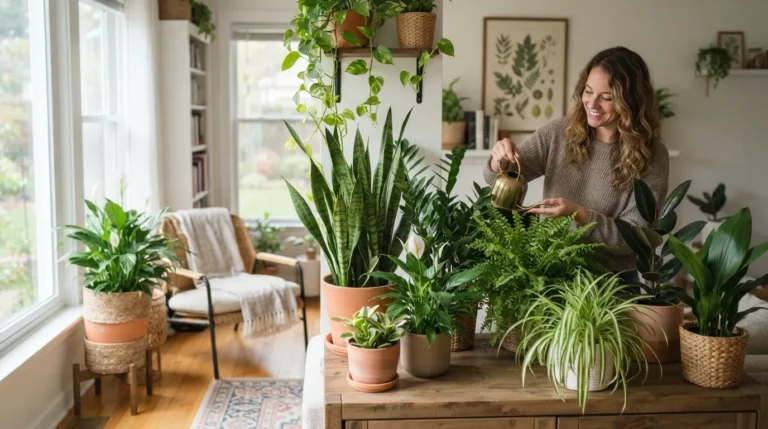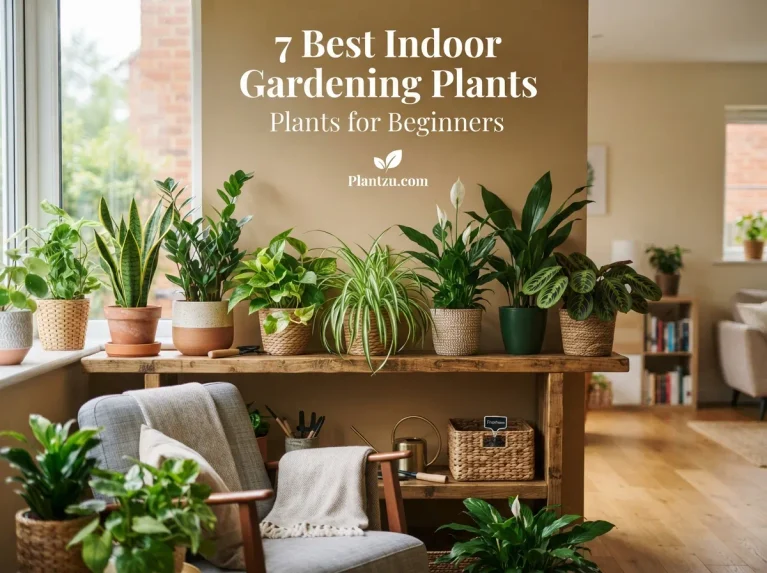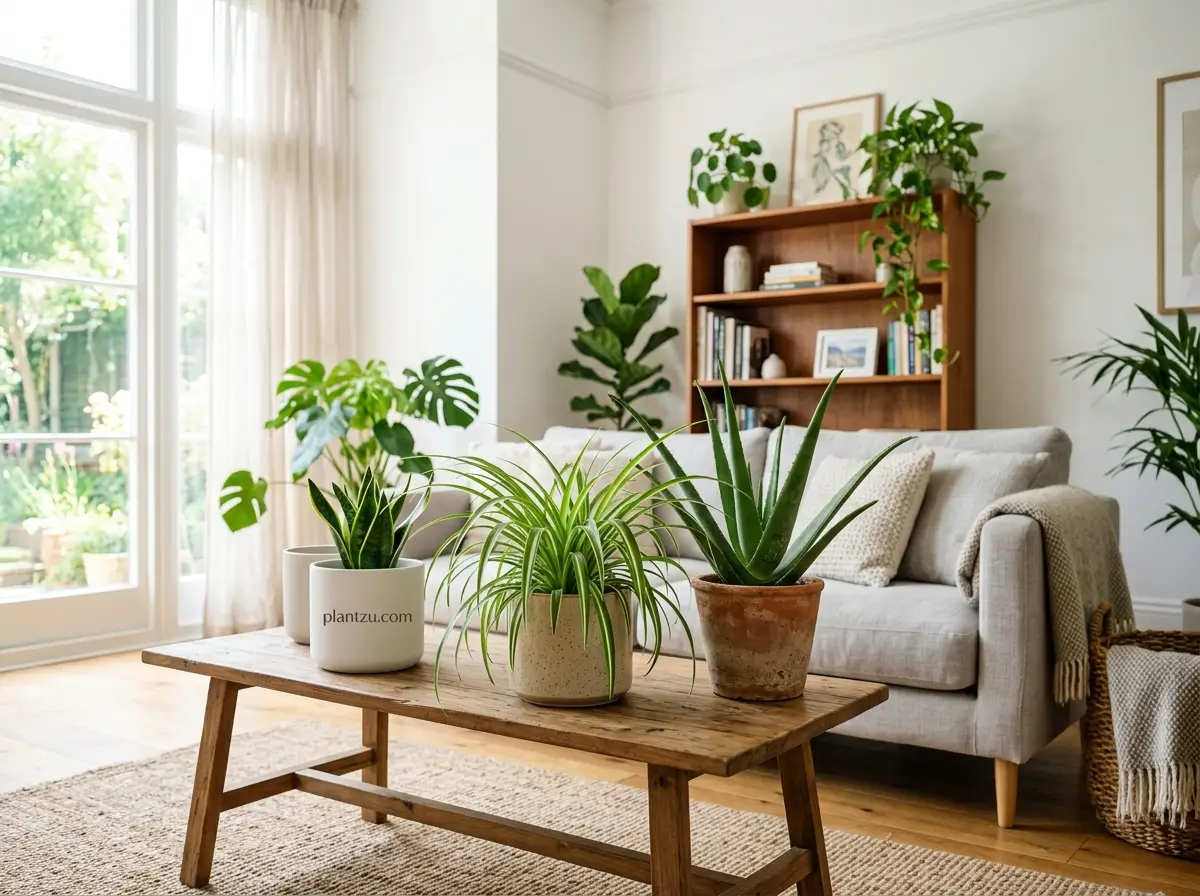
air-purifying indoor plants

Air-Purifying Indoor Plants That Actually Work

Indoor air quality has become a bigger concern for many American households. Between sealed windows, heating and cooling systems, synthetic furniture, cleaning products, pet dander, dust, and everyday cooking fumes, the air inside a home can sometimes feel stale without anyone noticing why. That is one reason air-purifying indoor plants have become so popular. They bring life into a room, soften modern interiors, and may help create a fresher, calmer environment.

But there is also a lot of confusion around this topic. Some people hear that one plant can “clean all the air” in a bedroom. Others buy a few trendy houseplants expecting them to work like an electric air purifier. The truth is more balanced. Indoor plants can support a healthier indoor environment, but they work best as part of a complete air-quality routine that includes ventilation, regular cleaning, humidity control, and reducing pollutant sources.

Still, certain indoor plants are better known for their ability to absorb airborne compounds, trap dust on leaf surfaces, release oxygen, and improve the feeling of freshness indoors. They are also beautiful, affordable, and easy to add to apartments, offices, dorm rooms, bedrooms, kitchens, and living rooms.

This guide explains the air-purifying indoor plants that actually work, how they help, where to place them, and how to care for them so they stay healthy and useful.
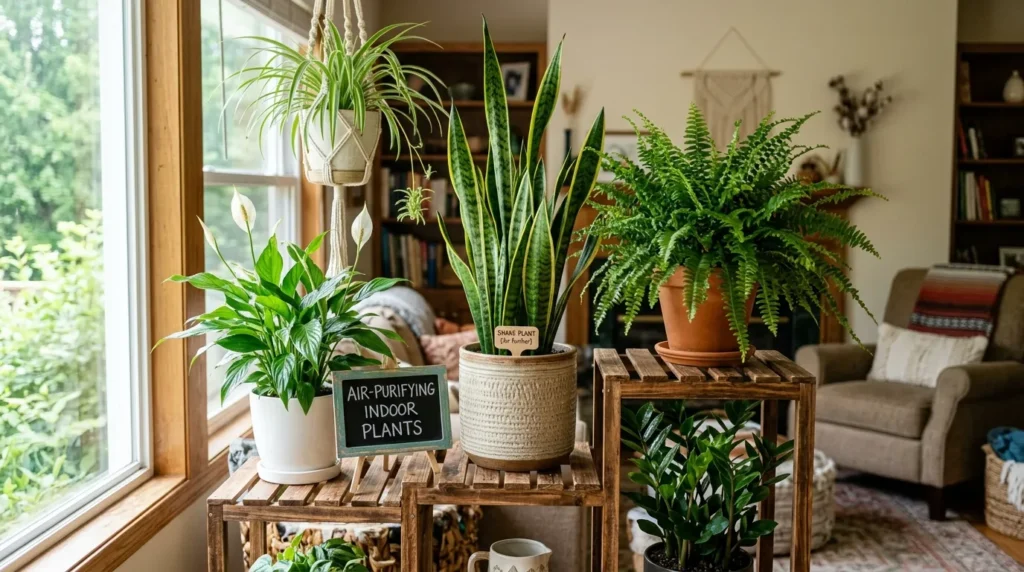
What Does “Air-Purifying Plant” Really Mean?

An air-purifying indoor plant is a plant that may help reduce certain airborne pollutants through its leaves, roots, soil microbes, and natural biological processes. Many popular houseplants have been studied for their ability to absorb volatile organic compounds, often called VOCs. These can come from paints, carpets, furniture, adhesives, air fresheners, cleaning supplies, and personal care products.

Common indoor pollutants may include formaldehyde, benzene, xylene, toluene, ammonia, carbon monoxide, and general airborne particles such as dust. Plants do not remove these instantly, and they do not replace proper ventilation or a good HEPA air purifier. However, they can contribute to a cleaner and more comfortable indoor environment over time.

The key is to choose plants that are hardy, leafy, and suitable for indoor growing. A dying plant will not purify much of anything. A healthy plant with active growth, clean leaves, and good soil conditions is much more likely to provide benefits.

Air-purifying plants also improve indoor spaces in ways that go beyond chemistry. They add humidity through transpiration, reduce visual stress, make rooms feel more natural, and can support a relaxing atmosphere. For people working from home or spending long hours indoors, that matters. Read Indoor Plants That Thrive on Minimal Sunlight.

Do Indoor Plants Really Clean the Air?

Yes, indoor plants can help improve air quality, but they work slowly and modestly in real homes. The idea that plants clean the air became widely popular after studies showed that certain houseplants could remove pollutants in controlled environments. Those results were real, but a sealed research chamber is very different from a typical American home with open doors, HVAC systems, pets, cooking, dust, furniture, and changing airflow.

That means a single snake plant in the corner will not perform like a mechanical air purifier. However, a group of healthy plants can still make a room feel fresher and may help reduce small amounts of pollutants. They also trap dust on leaves, add moisture to dry indoor air, and encourage people to maintain a cleaner, more cared-for space.

For the best results, think of indoor plants as one layer of indoor air quality support. They work well alongside habits such as opening windows when outdoor air quality is good, using low-VOC products, vacuuming with a HEPA filter, changing HVAC filters, avoiding indoor smoking, and controlling excess moisture.

The right expectation is important. Plants are not magic machines. They are living air-support companions that can make your home healthier, greener, and more pleasant when cared for properly.
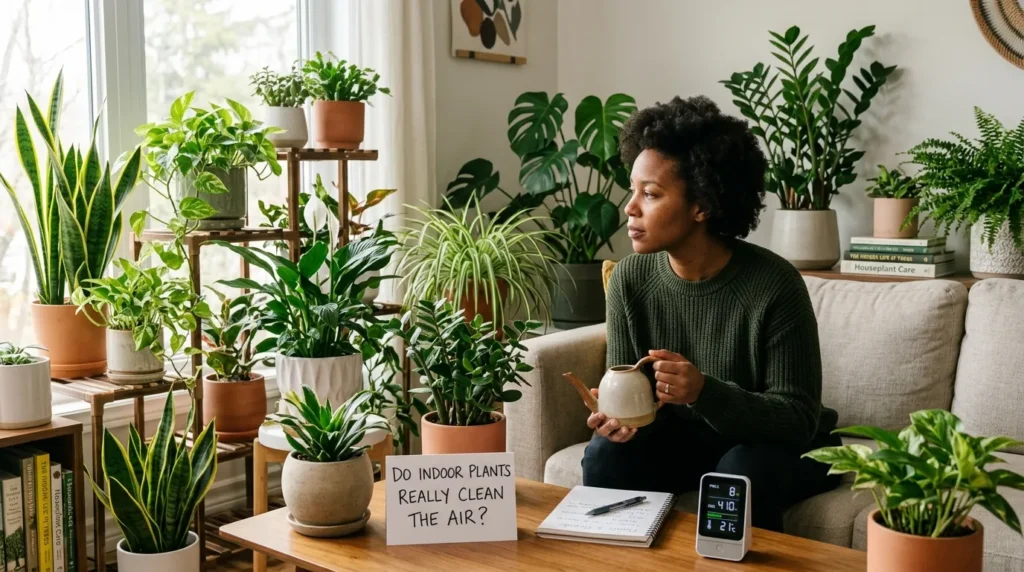
1. Snake Plant: One of the Best Low-Maintenance Air-Purifying Plants

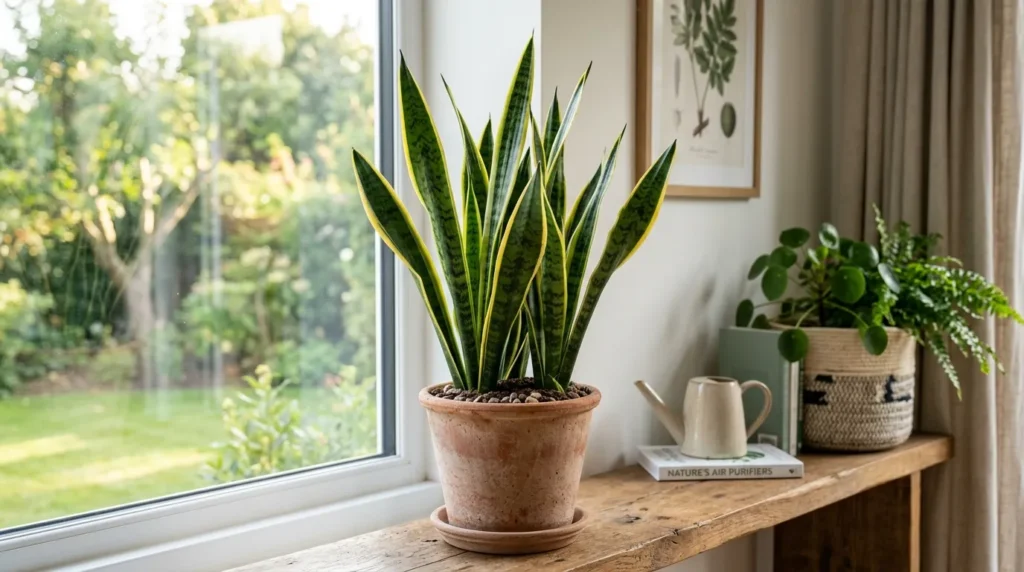
The snake plant, also called mother-in-law’s tongue, is one of the most popular air-purifying indoor plants in the United States. It has tall, upright leaves that look modern and architectural, making it a favorite for bedrooms, apartments, offices, and minimalist interiors.

One reason people love snake plants is that they are extremely forgiving. They tolerate low light, dry indoor air, irregular watering, and beginner mistakes. If you travel often or forget to water plants, this is one of the easiest choices.

Snake plants are commonly associated with removing airborne toxins such as formaldehyde, benzene, xylene, and trichloroethylene. They also release oxygen at night through a special type of plant metabolism, which is why many people like placing them in bedrooms.

For best results, place a snake plant near indirect sunlight. It can survive in low light, but it grows better with brighter filtered light. Water only when the soil is dry. Overwatering is the fastest way to damage this plant.

A snake plant works especially well in bedrooms, home offices, hallways, and small apartments because it grows vertically and does not take up much floor space. Its strong shape also makes it a stylish décor piece.
2. Peace Lily: Beautiful Blooms and Cleaner Indoor Air

The peace lily is another well-known indoor plant often recommended for air purification. It has glossy green leaves and elegant white flowers that brighten up a room without needing direct sunlight. For many homeowners, it is one of the best plants for adding both beauty and function.

Peace lilies are often linked with reducing pollutants such as ammonia, benzene, formaldehyde, and trichloroethylene. They also help increase indoor humidity, which can be useful in homes where heating systems make the air feel dry during winter.

This plant prefers medium to low indirect light. It does not like harsh sun, which can burn its leaves. Peace lilies also communicate clearly when they need water. Their leaves droop dramatically, then bounce back after watering. This makes them easy for beginners to understand.

However, peace lilies are not ideal for every household. They can be toxic to pets if chewed, so homes with curious cats or dogs should place them safely out of reach or choose pet-friendly alternatives.

Peace lilies are excellent for living rooms, bathrooms with natural light, offices, and shaded corners that need a soft, elegant touch.

3. Spider Plant: A Classic Air-Purifying Plant for Beginners

The spider plant is a classic houseplant that has remained popular for decades, and for good reason. It is cheerful, easy to grow, affordable, and known for producing baby plantlets that hang from long stems. This makes it perfect for shelves, hanging baskets, kitchen windows, and bright corners.

Spider plants are often mentioned for their ability to help reduce pollutants such as formaldehyde and xylene. They also grow quickly, which is helpful because fast-growing plants tend to have active biological processes.

This plant is also considered one of the more pet-friendly indoor plants, making it a good option for households with cats or dogs. Of course, pets can still damage the plant if they chew it too much, but it is generally a safer choice compared to many common houseplants.

Spider plants prefer bright, indirect light but can tolerate lower light conditions. They like evenly moist soil but do not want to sit in water. If the leaf tips turn brown, it may be due to dry air, too much fertilizer, or minerals in tap water. Using filtered water occasionally can help.

For American homes with busy schedules, spider plants are a practical and attractive option. They work well in kitchens, bathrooms, dorm rooms, and family spaces.

4. Boston Fern: A Natural Humidity Booster

The Boston fern is a lush, feathery plant that gives rooms a soft and fresh look. It is especially useful for people who want an indoor plant that adds humidity while also helping with air freshness.

Boston ferns are often associated with reducing formaldehyde and xylene. Their dense foliage can also catch dust, though that means the leaves need occasional cleaning or gentle rinsing. When kept healthy, a Boston fern can make a room feel noticeably more alive.

This plant does need more care than a snake plant or pothos. It prefers bright indirect light, consistent moisture, and higher humidity. Dry indoor air, especially in winter, can cause browning and leaf drop. A bathroom with a window can be one of the best places for a Boston fern because it naturally provides humidity.

If you live in a dry climate or run heat frequently, misting may help temporarily, but using a humidity tray or room humidifier is usually more effective. Keep the soil lightly moist but not soggy.

Boston ferns are best for plant owners who enjoy regular care. They are beautiful in hanging baskets, plant stands, bathrooms, sunrooms, and covered porches during warm months.

5. Pothos: The Fast-Growing Air-Purifying Favorite

Pothos is one of the easiest and most reliable indoor plants for American homes. It grows quickly, tolerates different light conditions, and trails beautifully from shelves, bookcases, hanging baskets, and cabinets.

Often called devil’s ivy, pothos is known for its heart-shaped leaves and strong survival skills. It can grow in low light, though variegated varieties keep their color better in bright indirect light. Pothos is often associated with removing pollutants such as formaldehyde, benzene, and xylene.

Because pothos grows long vines, it gives you a lot of leaf surface area over time. More healthy leaves mean more opportunity for the plant to interact with indoor air. It is also very easy to propagate. You can cut a vine below a node, place it in water, and grow a new plant.

Water pothos when the top inch or two of soil feels dry. Avoid letting it sit in soggy soil. Yellow leaves are often a sign of overwatering.

Pothos is great for offices, bedrooms, living rooms, and rental apartments because it is flexible and visually attractive. However, it is toxic to pets if eaten, so place it where animals cannot reach it.

6. Areca Palm: A Tropical Plant That Freshens Large Rooms

The areca palm is a graceful indoor palm that adds a tropical feeling to living rooms, entryways, and open spaces. It has soft, arching fronds and can grow into a large statement plant indoors.

Areca palms are valued for their ability to add moisture to indoor air. This can be especially helpful in homes where air conditioning or heating creates dryness. They are also commonly mentioned in relation to reducing indoor pollutants such as formaldehyde and xylene.

This plant prefers bright, indirect light. It does not do well in dark corners for long periods. It also likes evenly moist soil, but overwatering can lead to root problems. Good drainage is important.

Areca palms work best when you have enough space for them to spread. They are not tiny desk plants. A healthy areca palm can become a major visual feature in a room.

If you want a plant that makes your home feel fresher, warmer, and more relaxing, the areca palm is a strong choice. It fits especially well in living rooms, home offices, yoga rooms, and sunny apartment corners.

7. Rubber Plant: Bold Leaves With Air-Cleaning Potential

The rubber plant is a stylish indoor plant with large, glossy leaves that look elegant in modern homes. Its bold appearance makes it popular for living rooms, offices, and bedrooms where people want a strong design element.

Rubber plants are often associated with removing formaldehyde from indoor air. Their large leaves also collect dust, so wiping them regularly is important. Clean leaves not only look better but may also help the plant function more effectively.

This plant prefers bright, indirect light. It can tolerate lower light, but growth may slow. Water when the top layer of soil becomes dry, and avoid overwatering. Rubber plants dislike sitting in wet soil.

One of the advantages of rubber plants is that they can grow tall indoors, creating a tree-like effect without requiring a huge amount of care. They pair well with neutral furniture, natural wood, and contemporary décor.

Rubber plants are not the best choice for homes with pets that chew leaves, as they can be irritating if ingested. If you have pets, place the plant in a safe area.

8. Aloe Vera: Useful, Attractive, and Easy to Grow

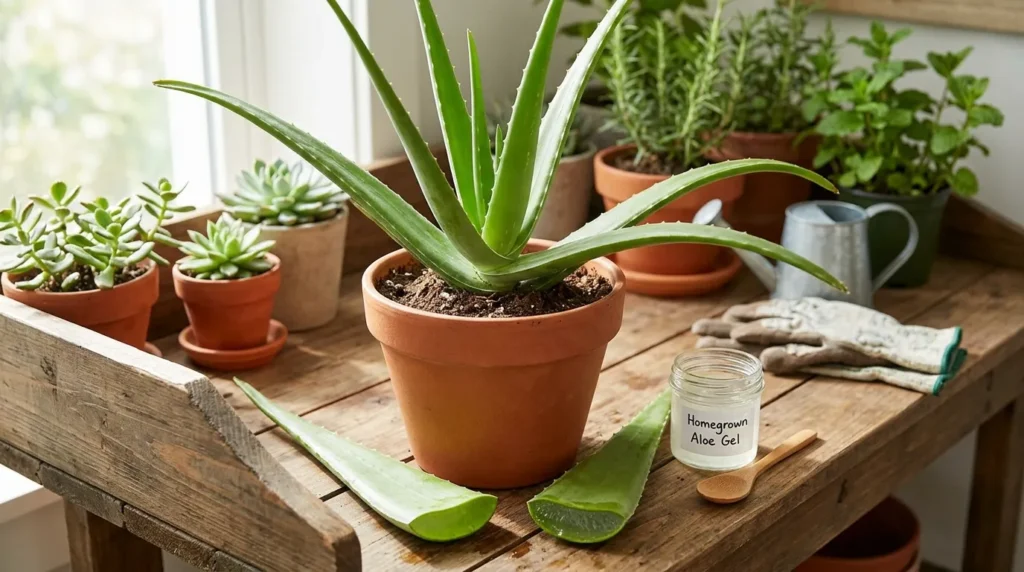
Aloe vera is best known for the soothing gel inside its leaves, but it is also a useful indoor plant for air quality support. It has thick, sculptural leaves and fits nicely on sunny windowsills, kitchen counters, and desks.

Aloe vera is often associated with reducing formaldehyde and benzene, which can come from certain household materials and cleaning products. It also needs very little water, making it ideal for people who prefer low-maintenance plants.

This plant loves bright light. A sunny window is usually best. Without enough light, aloe can become weak and stretched. Water deeply but infrequently, allowing the soil to dry out between watering. Like most succulents, aloe vera is very sensitive to overwatering.

Aloe vera is especially good for kitchens, bathrooms with bright windows, and small sunny spaces. Its clean shape works well in modern homes.

While aloe gel is widely used topically, the plant itself should not be eaten by pets. Keep it away from cats and dogs.
9. Dracaena: A Stylish Plant for Reducing Indoor Pollutants

Dracaena plants come in many varieties, including tall cane-like types and colorful striped-leaf types. They are popular because they look polished and can adapt to indoor conditions.

Dracaenas are commonly linked with reducing pollutants such as benzene, formaldehyde, trichloroethylene, and xylene. Their upright growth makes them useful for corners, offices, and rooms that need height.

These plants prefer bright, indirect light but can tolerate moderate indoor light. Direct sun may scorch the leaves. Water when the soil begins to dry, and avoid soggy conditions. Dracaenas can be sensitive to fluoride in tap water, which may cause brown leaf tips. Using filtered or distilled water can help if this becomes a problem.

Dracaena is a good choice for people who want an air-purifying plant that looks more like interior décor than a typical houseplant. It fits well in professional offices, entryways, bedrooms, and living rooms.

However, dracaena is toxic to pets if ingested, so pet owners should be careful with placement.

10. English Ivy: A Trailing Plant With Strong Air-Freshening Appeal

English ivy is a classic trailing plant that can look beautiful in hanging baskets, on shelves, or trained along a small indoor trellis. It has a traditional, cottage-style charm but can also fit modern interiors when styled simply.

English ivy is often discussed as an air-purifying plant because of its potential to reduce airborne pollutants and support fresher indoor air. Some people also like it for bathrooms or laundry rooms because it enjoys humidity.

This plant prefers bright, indirect light and cooler indoor temperatures. It does not like overly hot, dry rooms. Keep the soil lightly moist, but not soaked.

English ivy does require attention. It can attract spider mites in dry indoor air, so regular inspection is important. Rinsing the leaves occasionally can help keep pests away.

This plant is not ideal for homes with pets or small children who may chew leaves, as it can be toxic if ingested. If used safely, it can be a beautiful and useful addition to bright indoor spaces.

11. Bamboo Palm: A Soft, Elegant Choice for Cleaner Air

The bamboo palm is a beautiful indoor palm with soft green fronds and a relaxed tropical appearance. It is often used in homes, waiting rooms, offices, and apartment living areas because it creates a peaceful atmosphere.

Bamboo palms are commonly connected with reducing pollutants such as formaldehyde and benzene. They also help add moisture to indoor air, which can make a room feel more comfortable.

This plant prefers bright, indirect light but can tolerate moderate light. Keep the soil evenly moist, and avoid letting it dry out completely for long periods. Like other palms, it appreciates humidity.

A bamboo palm works well in larger rooms where it has space to grow. It can soften sharp corners, fill empty spaces, and make a home feel more inviting.

For people who want an indoor plant that looks natural, calming, and decorative while also supporting air quality, bamboo palm is a strong option.

12. Chinese Evergreen: A Hardy Plant for Low-Light Homes

Chinese evergreen is one of the best indoor plants for people who do not have bright windows. It has attractive patterned leaves and comes in green, silver, pink, and red varieties.

This plant is often included in lists of air-purifying plants because it is hardy, leafy, and adaptable. It can tolerate low to medium light and does not need constant attention.

Chinese evergreen prefers well-draining soil and moderate watering. Let the top layer of soil dry before watering again. It does not like cold drafts, so keep it away from exterior doors in winter.

This plant is a good choice for apartments, offices, bedrooms, and shaded living rooms. It is especially useful for beginners who want something more colorful than a snake plant but still easy to care for.

Like many common houseplants, Chinese evergreen can be toxic to pets if eaten, so safe placement is important.

How Many Plants Do You Need to Improve Indoor Air?

This is one of the most common questions people ask when shopping for air-purifying indoor plants. The honest answer is that there is no perfect number for every home. Room size, airflow, plant size, pollutant levels, and plant health all matter.

A small desk plant may improve mood and add beauty, but it will not dramatically clean a large living room. Larger plants with more leaf surface area can have a bigger effect. A group of plants placed throughout the home is usually better than one plant in a corner.

For a realistic approach, start with two or three easy-care plants in the rooms where you spend the most time. Bedrooms, living rooms, and home offices are good starting points. Over time, add more plants if you enjoy caring for them.

Do not overcrowd your home with plants just for air purification. Too many poorly maintained plants can create problems such as moldy soil, pests, and excess moisture. Healthy balance matters.

Best Places to Put Air-Purifying Indoor Plants

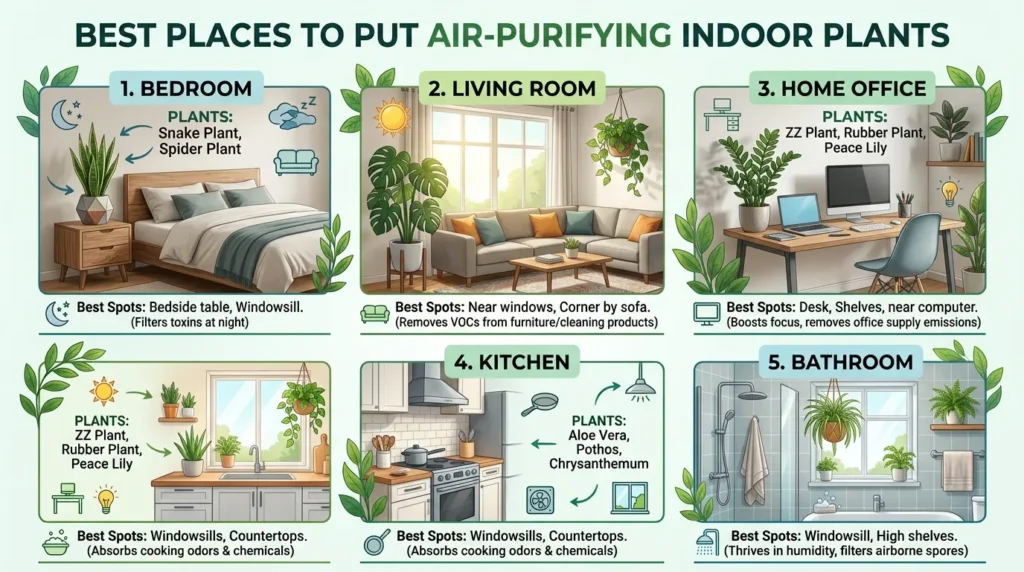
Placement makes a big difference. Plants need enough light to stay healthy, and healthy plants perform better. Before placing a plant, look at the light in each room. South- and west-facing windows usually provide brighter light, while north-facing windows often provide lower light.

Bedrooms are good places for snake plants, pothos, peace lilies, and Chinese evergreen. Home offices work well with rubber plants, dracaena, spider plants, and pothos. Bathrooms with windows are ideal for Boston ferns, peace lilies, and English ivy because these plants enjoy humidity.

Living rooms can handle larger plants such as areca palms, bamboo palms, rubber plants, and dracaenas. Kitchens are good for aloe vera, spider plants, and pothos, especially if there is bright indirect light.

Avoid placing plants directly next to heating vents, air conditioners, fireplaces, or drafty doors. Sudden temperature changes can stress them. Also keep toxic plants away from pets and children.
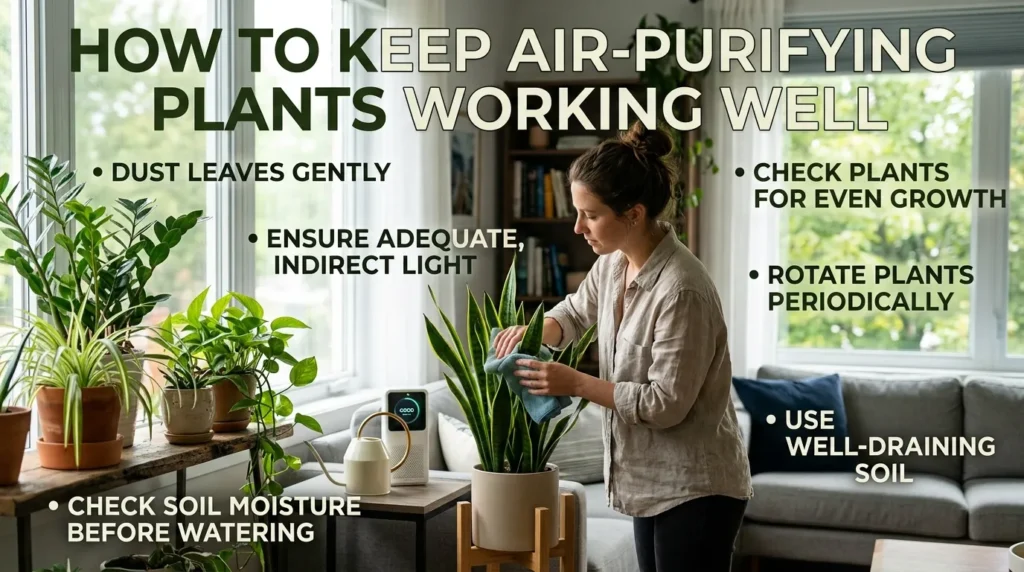
How to Keep Air-Purifying Plants Working Well

A plant’s air-supporting ability depends heavily on its health. A dusty, overwatered, pest-infested plant will not be very helpful. Basic plant care is essential.

Keep leaves clean by wiping large leaves with a damp cloth every couple of weeks. For smaller plants, a gentle shower or rinse can remove dust. Dust blocks light and reduces the plant’s ability to photosynthesize.

Water properly based on the plant’s needs. Overwatering is one of the most common houseplant problems. It can lead to root rot, fungus gnats, and moldy soil. Always use pots with drainage holes when possible.

Give each plant the right amount of light. Low-light tolerant does not mean no-light. Every plant needs some light to survive. If your home is very dark, consider using a grow light.

Remove dead leaves, check for pests, and refresh soil when needed. A healthy root system supports a healthy plant.
Common Mistakes to Avoid With Indoor Air-Purifying Plants

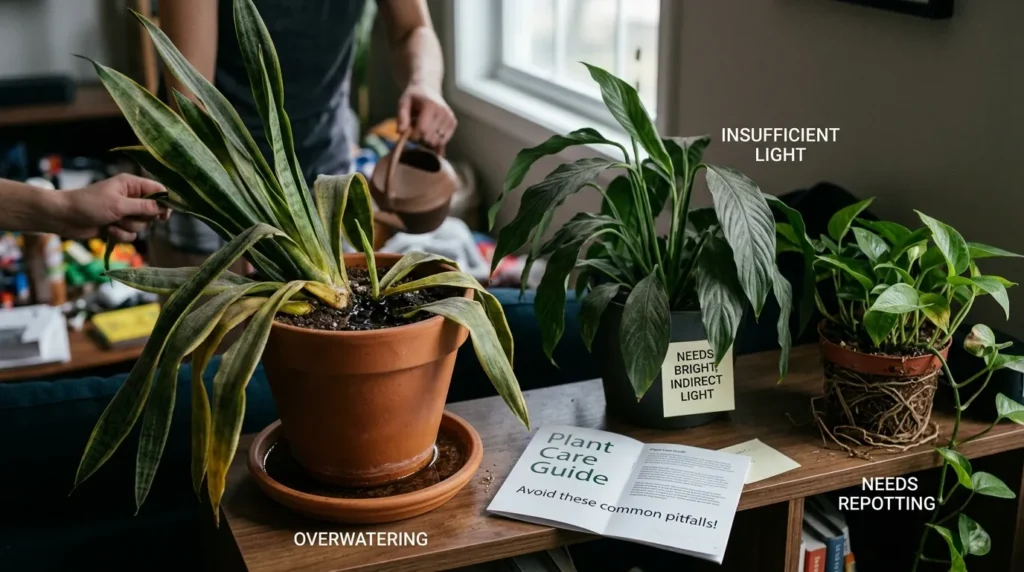
One common mistake is expecting plants to replace an air purifier. They cannot. If you have allergies, asthma, wildfire smoke, pet dander, or serious indoor air concerns, a quality air purifier may still be necessary.

Another mistake is buying plants only because they are trending online. A beautiful plant that does not match your home’s light or your care habits may decline quickly. Choose plants based on your actual environment.

Overwatering is another major issue. Many beginners water too often because they assume more water means better care. In reality, most indoor plants prefer the soil to dry slightly between watering.

Ignoring pet safety is also risky. Many popular houseplants can be toxic to cats and dogs. If you have pets, research each plant before bringing it home.

Finally, do not forget leaf cleaning. If your plant’s leaves are covered in dust, it cannot absorb light properly. Clean leaves look better and support better growth.
Pet-Friendly Air-Purifying Indoor Plant Options

Many air-purifying indoor plants are not pet-safe, so pet owners need to be selective. Spider plants are one of the best choices for homes with cats and dogs. Boston ferns are also commonly considered pet-friendly and can be a good option for humid rooms.

Areca palms and bamboo palms are often preferred by pet owners who want larger plants with an air-freshening effect. These palms bring a soft tropical look without the same toxicity concerns as many other indoor plants.

Even with pet-friendly plants, it is smart to prevent chewing. Pets can damage plants, knock over pots, or upset their stomachs by eating too much plant material. Use plant stands, hanging baskets, or dedicated plant corners if needed.

If you are unsure about a plant, check its safety before buying. Pet safety should come before décor.

Best Air-Purifying Plants for Beginners

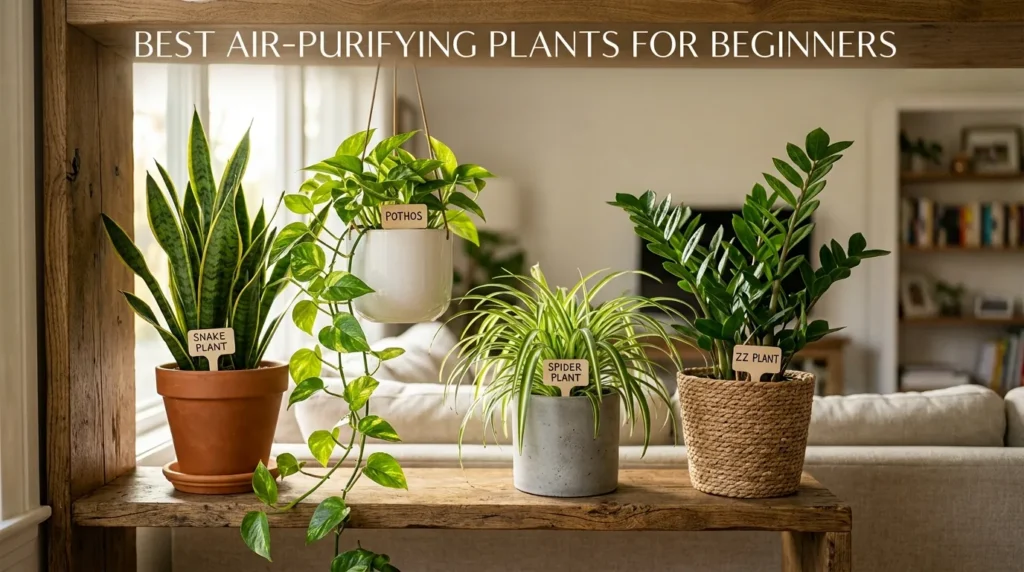
If you are new to houseplants, start with easy options. Snake plant, pothos, spider plant, Chinese evergreen, and aloe vera are among the best beginner-friendly air-purifying plants.

These plants tolerate normal household conditions and do not need complicated care. They are also widely available in garden centers, grocery stores, home improvement stores, and online plant shops across the United States.

The easiest combination for a beginner might be a snake plant for the bedroom, pothos for a shelf, spider plant for the kitchen, and aloe vera for a sunny window. This gives you variety without overwhelming your routine.

Once you gain confidence, you can try more demanding plants like Boston fern, English ivy, or larger palms.
Do Air-Purifying Plants Help With Allergies?

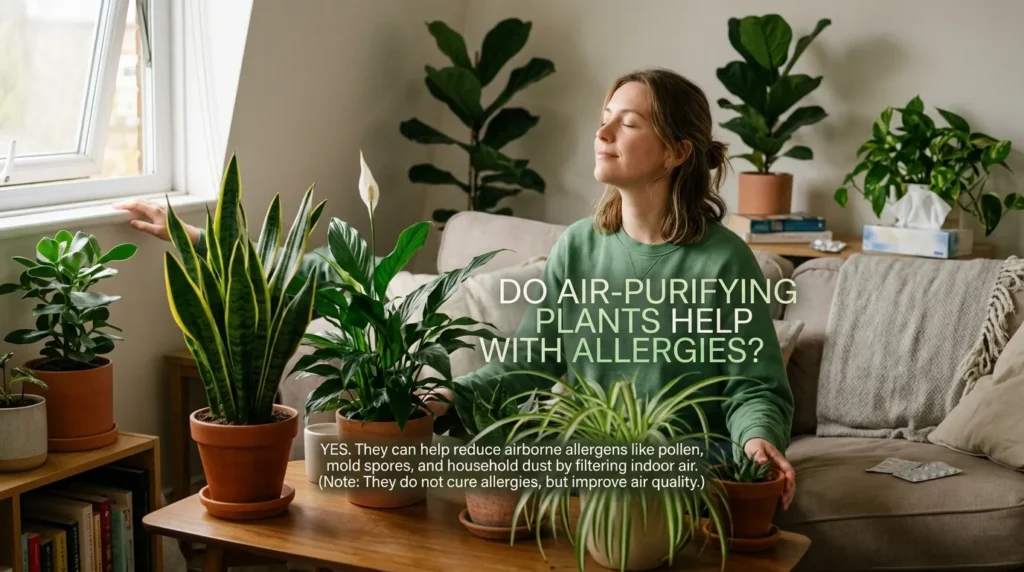
Indoor plants may help some people feel better indoors, but they are not a guaranteed allergy solution. Plants can trap dust on their leaves, but that dust must be cleaned off regularly. Some plants may also increase humidity, which can be helpful in dry air but problematic if humidity becomes too high.

For allergy sufferers, the biggest concern is mold. Overwatered plants can create moldy soil, and damp conditions may worsen indoor allergies. To avoid this, use well-draining soil, do not overwater, and remove dead plant material quickly.

People with pollen allergies should choose foliage plants rather than heavily flowering plants. Peace lilies bloom indoors, but many air-purifying plants are grown mainly for leaves.

If allergies are a major concern, combine plants with regular cleaning, HEPA vacuuming, good ventilation, and a proper air purifier.
Final Thoughts: Which Air-Purifying Indoor Plants Actually Work Best?

The best air-purifying indoor plants are the ones that stay healthy in your home. Snake plant, spider plant, pathos, peace lily, rubber plant, Boston fern, areca palm, bamboo palm, aloe vera, dracaena, English ivy, and Chinese evergreen are all popular choices because they are attractive, useful, and known for supporting fresher indoor air.

But the real secret is matching the plant to your lifestyle. If you want low maintenance, choose snake plant, pothos, aloe vera, or Chinese evergreen. If you want pet-friendly options, consider spider plant, Boston fern, areca palm, or bamboo palm. If you want a bold design statement, try rubber plant, dracaena, or areca palm.

Indoor plants will not replace ventilation or mechanical air filtration, but they can absolutely improve the look, feel, and comfort of your home. They bring nature indoors, make rooms more inviting, and may help reduce small amounts of indoor pollutants over time.

For the best results, start simple. Choose a few healthy plants, place them where they get the right light, keep their leaves clean, and care for them consistently. Over time, your home can feel greener, fresher, and more relaxing—one plant at a time.

Similar Posts

Leave a Reply

Your email address will not be published. Required fields are marked *