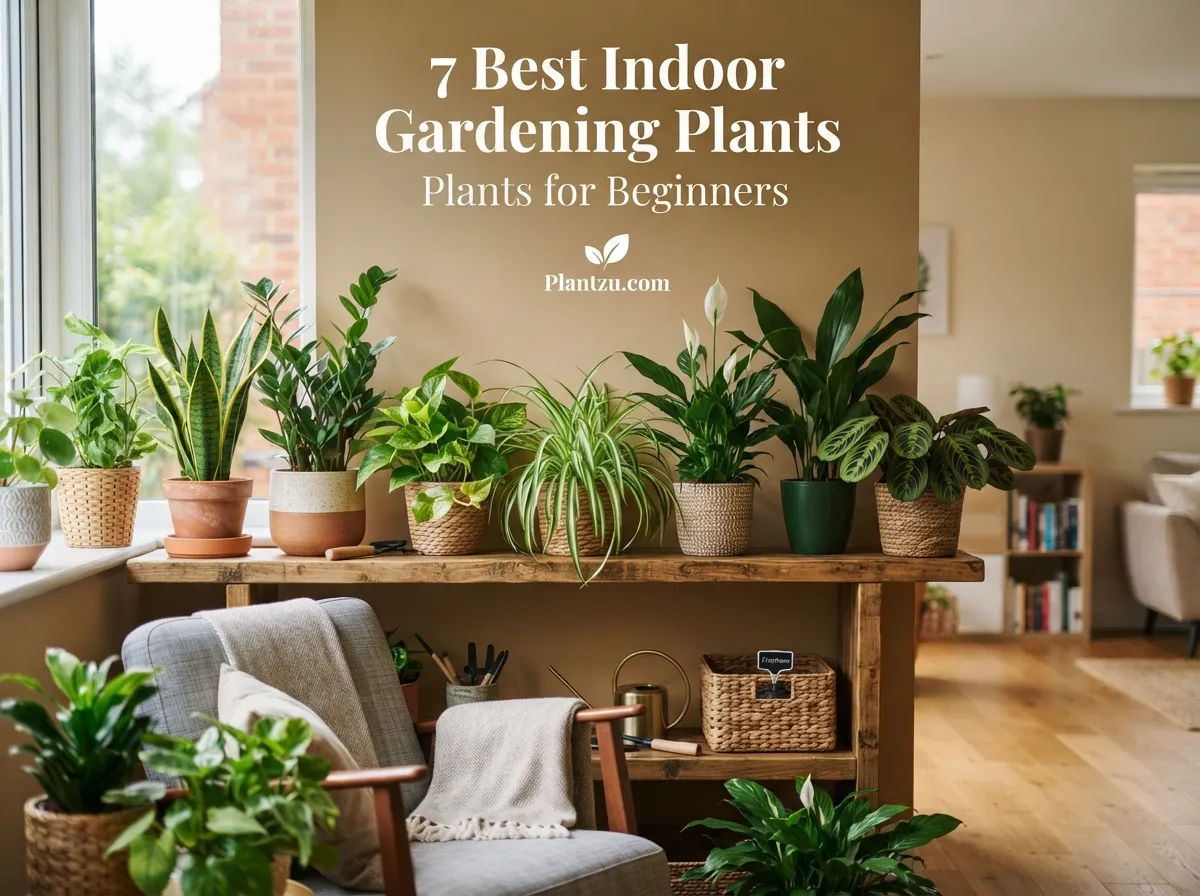
7 Best Indoor Gardening Plants for Beginners
Do you want to add some green to your home but worry about killing everything you touch? You are not alone. Many people feel nervous about starting an indoor garden. The good news is that keeping plants alive is much easier than you think. with these 7 Best Indoor Gardening Plants for Beginners You just need to pick the right ones.
At Plantzu, we believe that everyone can be a plant parent. You do not need a fancy greenhouse or years of experience. You just need a little bit of light, some water, and the right attitude. If you have tried growing things outside and struggled, do not worry. Growing plants inside is a totally different game.
If you eventually want to try growing food in smaller areas, you can check out these Balcony Vegetable Gardening Tips for Small Spaces for more ideas. But for now, let us focus on the easiest indoor plants to keep you motivated.
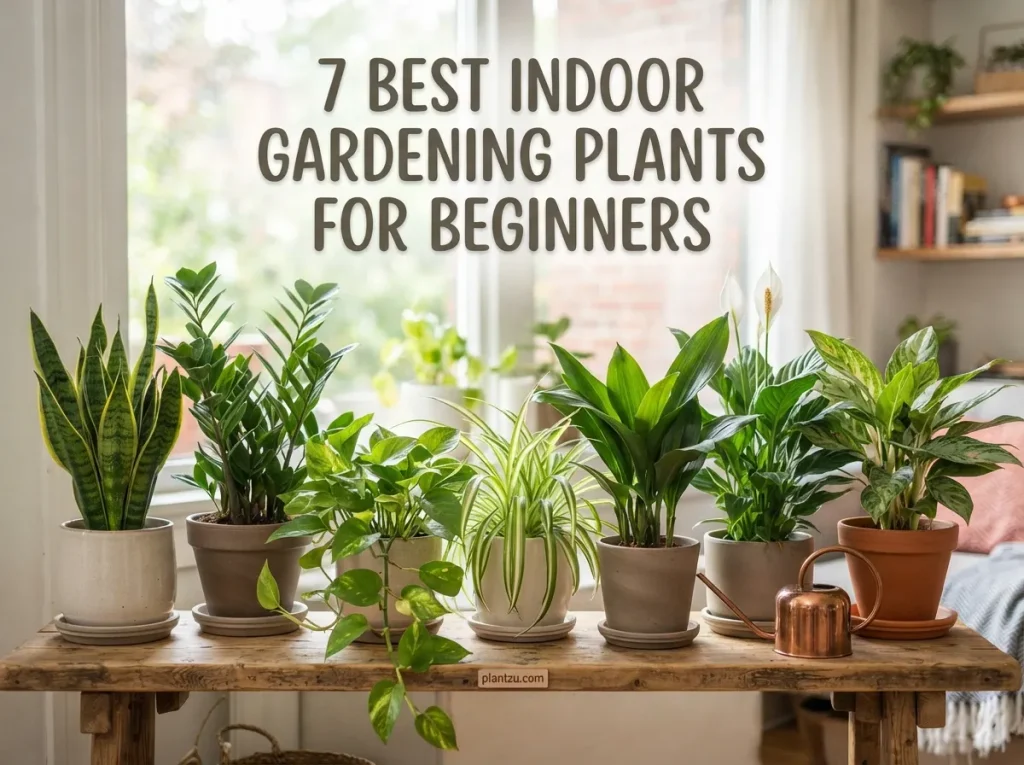
7 Best Indoor Gardening Plants for Beginners
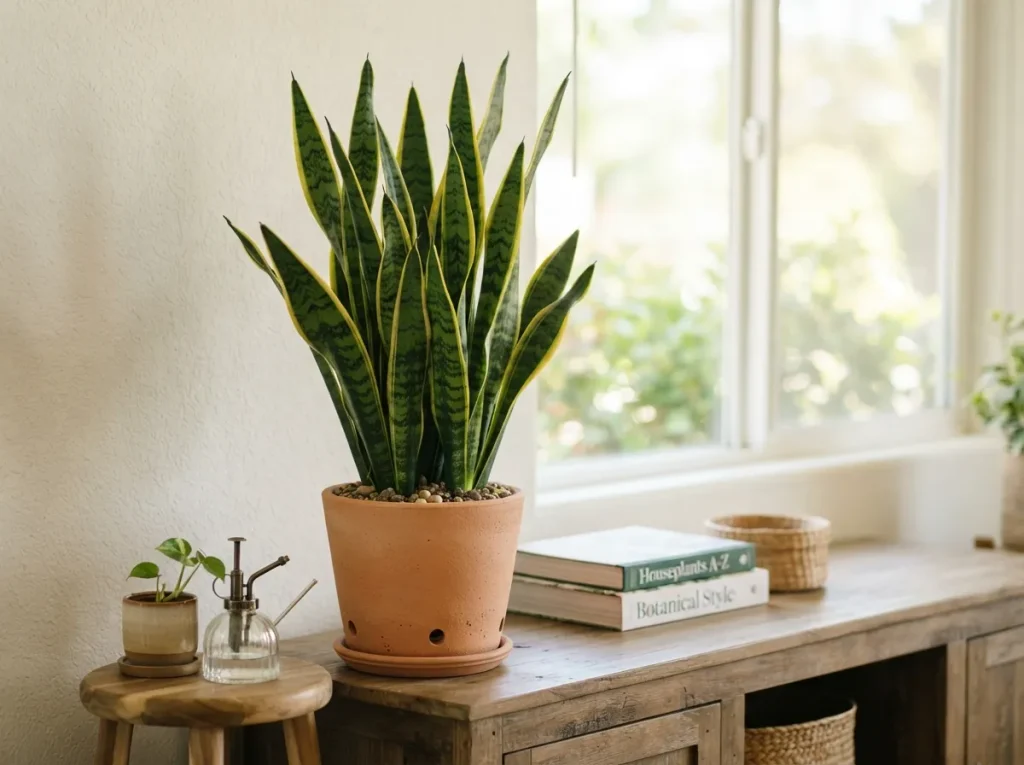
1. Snake Plant
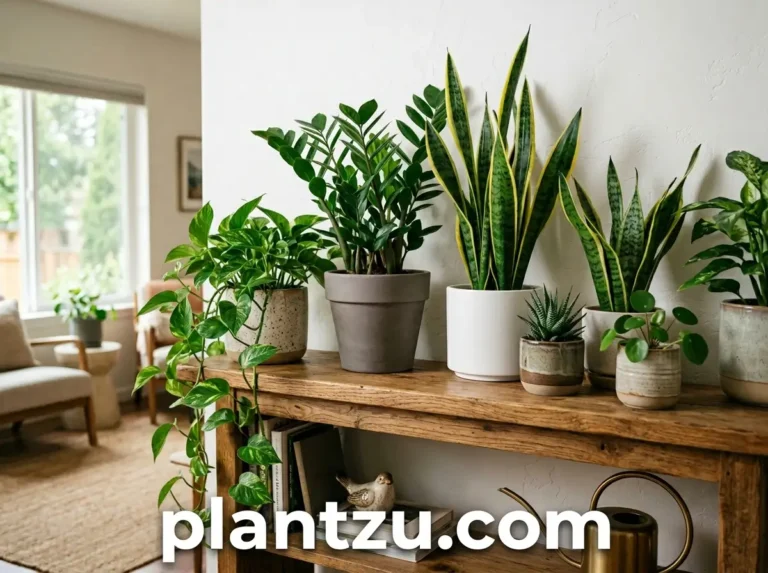
The Snake Plant is the king of low-maintenance greenery. It has tall, stiff leaves that look very modern. It is almost impossible to kill this plant. It actually likes it when you forget about it for a while.
You only need to water it when the soil is completely dry. This might mean once every two or three weeks. It does not care if your room is dark or bright. It just keeps growing and looking great. It is perfect for a bedroom or a corner that gets very little sun.
2. Pothos
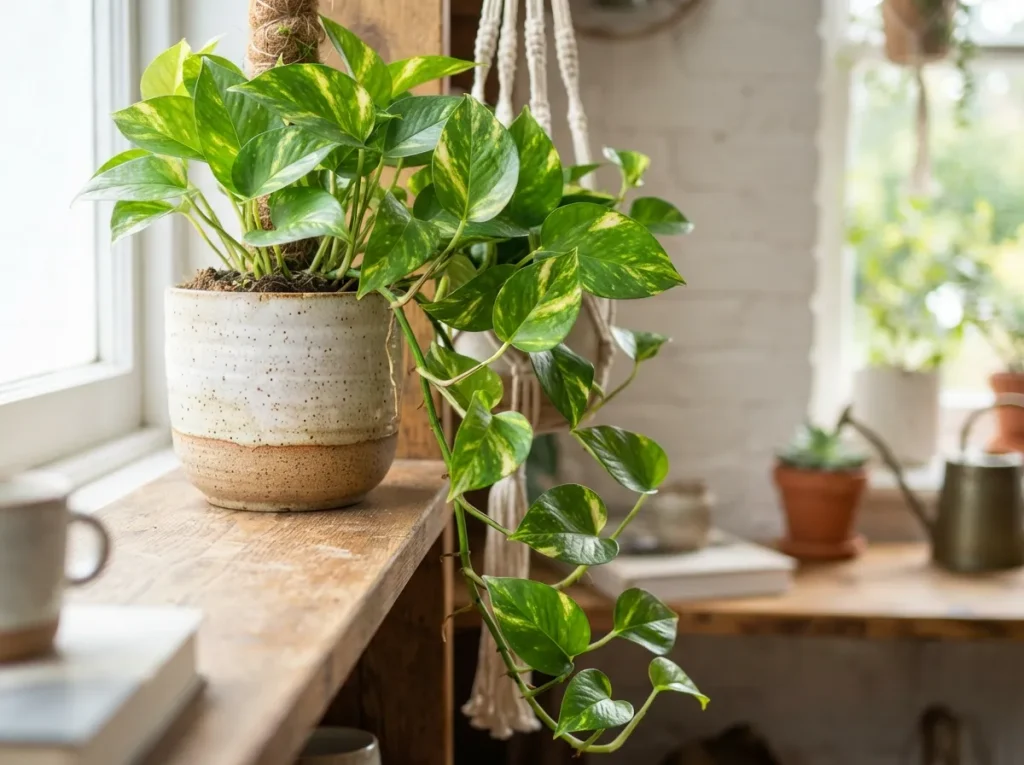
Pothos is a beautiful trailing vine. It grows long, heart-shaped leaves that hang down beautifully from a shelf or a hanging basket. Many people call it the Devil’s Ivy because it is so hard to kill.
When you see the leaves start to droop just a little, that is your sign to water it. It will bounce back to life within an hour. It grows fast, so you get to see results quickly. This makes it very rewarding for new plant owners.
3. Spider Plant
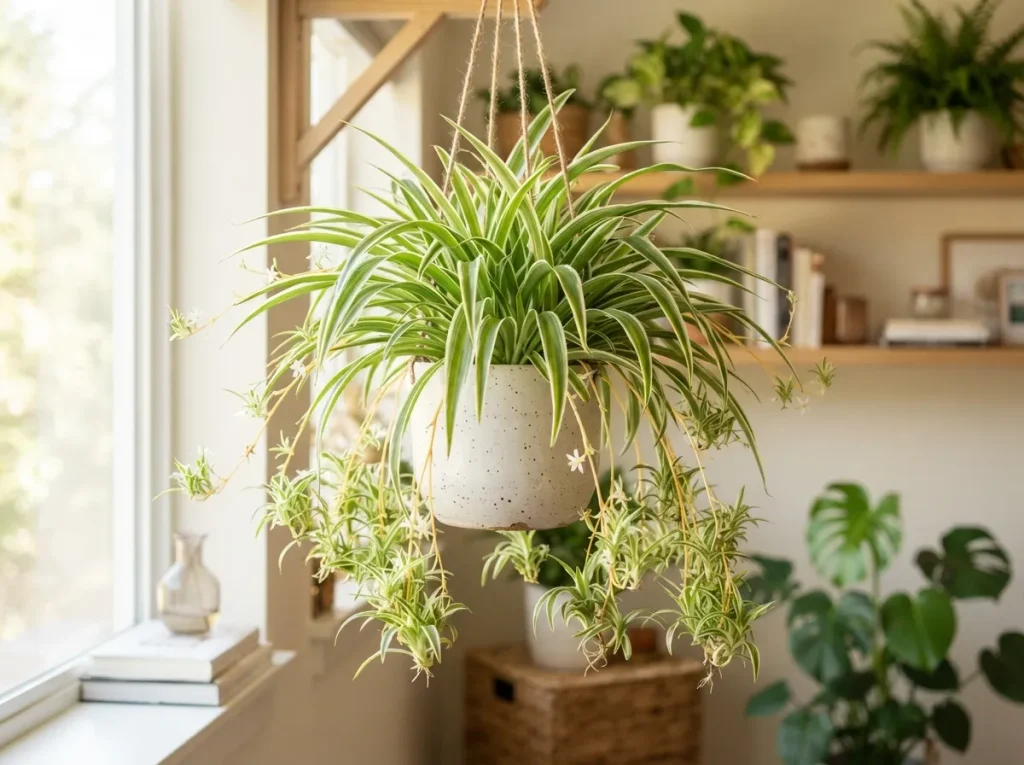
Spider Plants are fun because they produce little baby plants. These hang down from the mother plant like little spiders. If you want more plants for free, you can just snip the babies off and put them in water or soil.
They like bright, indirect light but can handle lower light levels too. They are very forgiving if you miss a watering session here and there. Just try to keep them away from direct, harsh sun which can burn their leaves.
4. ZZ Plant
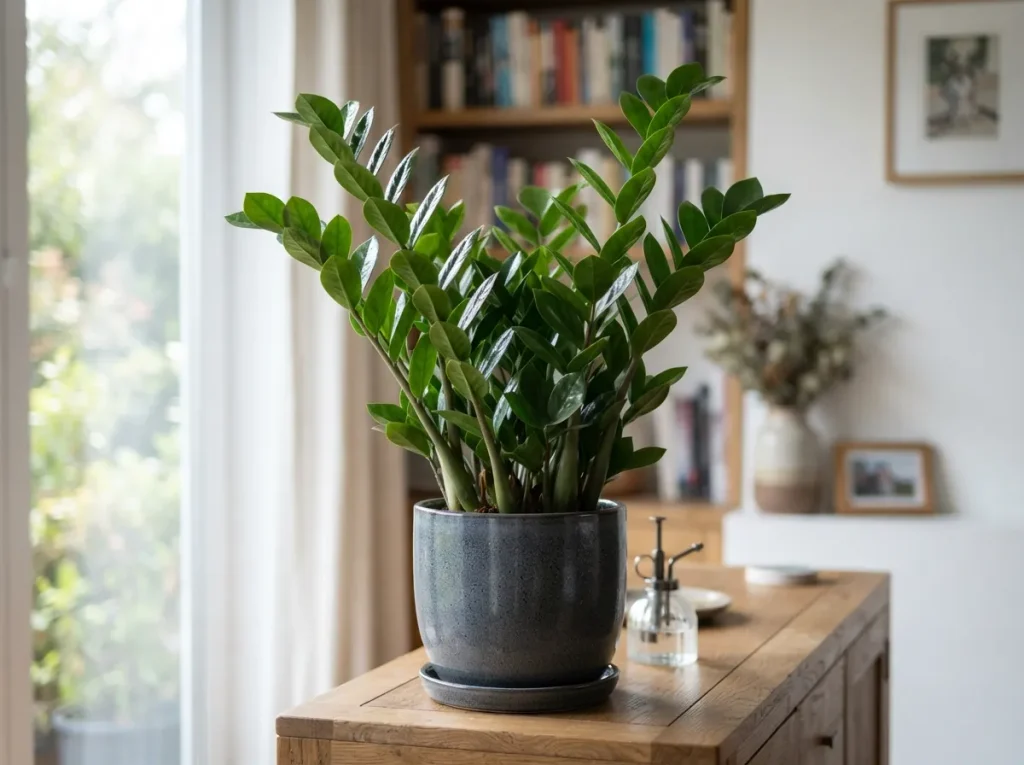
The ZZ plant is another tough choice for beginners. It has shiny, dark green leaves that look almost like plastic because they are so perfect. It grows from thick underground stems that store water well.
Because of those stems, this plant does not need much water at all. If you are someone who travels often, this is the plant for you. It stays green and happy even in offices with no windows or natural light.
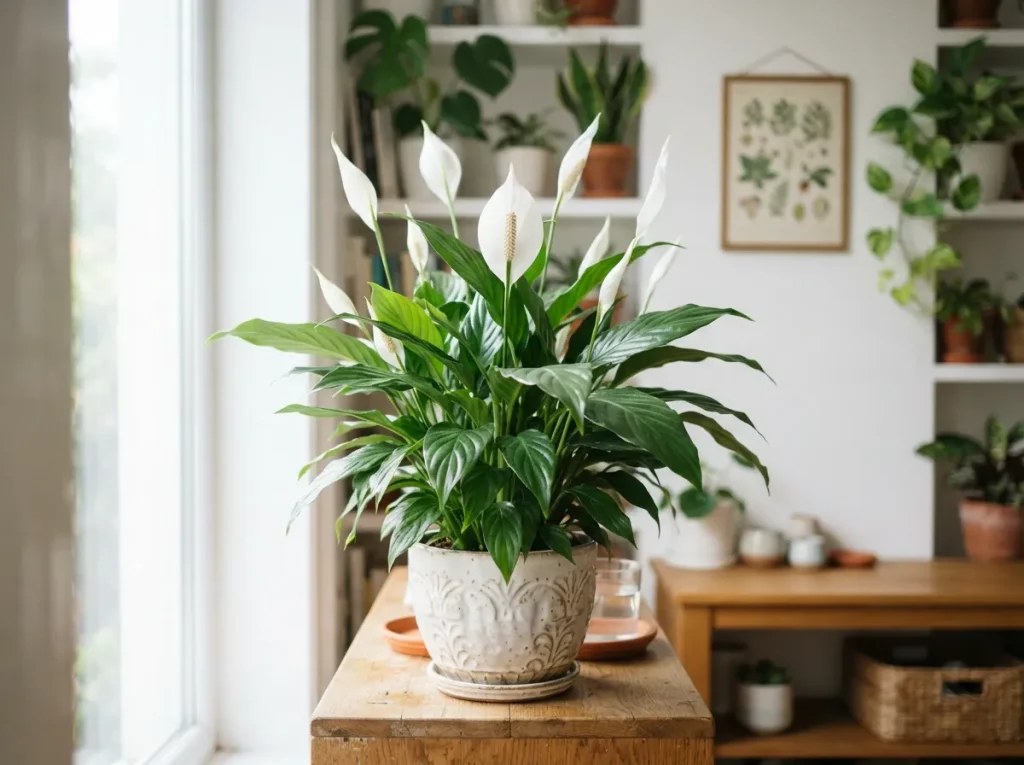
5. Peace Lily
If you want a plant that actually tells you when it is thirsty, get a Peace Lily. When the soil gets dry, the whole plant will droop and look sad. Once you give it a drink, it perks right back up in a few minutes.
Peace Lilies are great because they also produce lovely white flowers indoors. They prefer a spot with medium, indirect light. Just remember that they like their soil to stay slightly moist, so do not let them dry out completely for too long.
6. Jade Plant
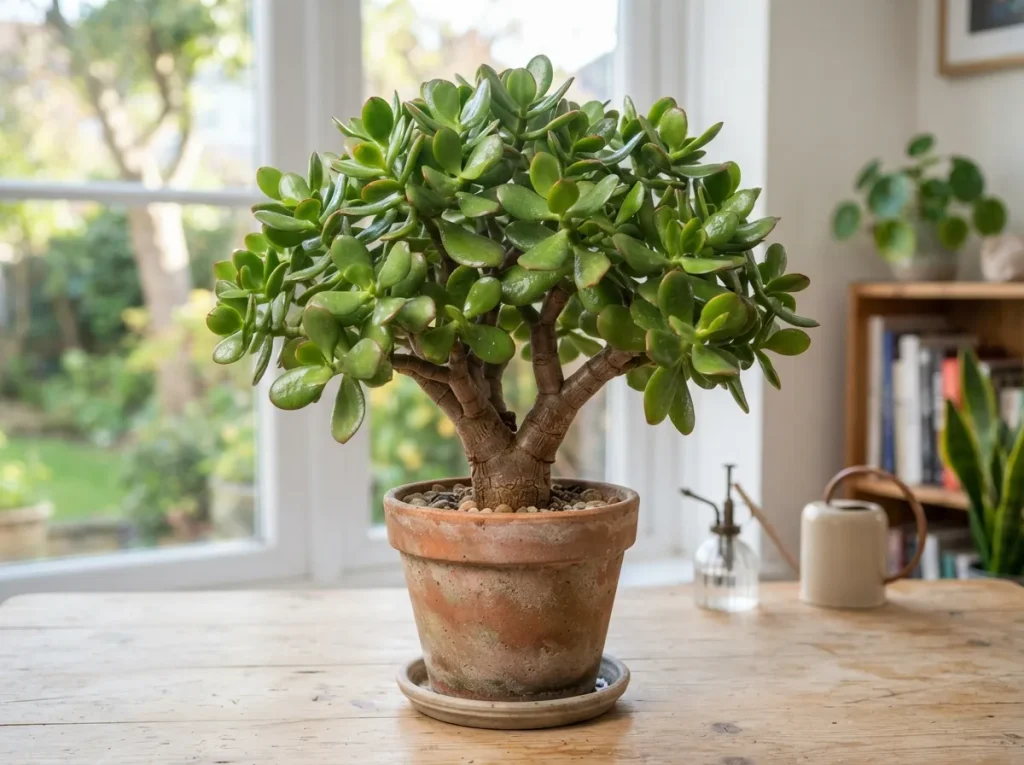
The Jade Plant is a type of succulent. It looks like a miniature tree with thick, woody stems and fleshy leaves. It is a symbol of good luck in many cultures, which makes it a fun addition to your home.
It needs a sunny spot to be truly happy. Unlike the other plants on this list, the Jade Plant really wants the sun. Give it a spot on a windowsill, let the soil dry out, and watch it grow for years.
7. Aloe Vera
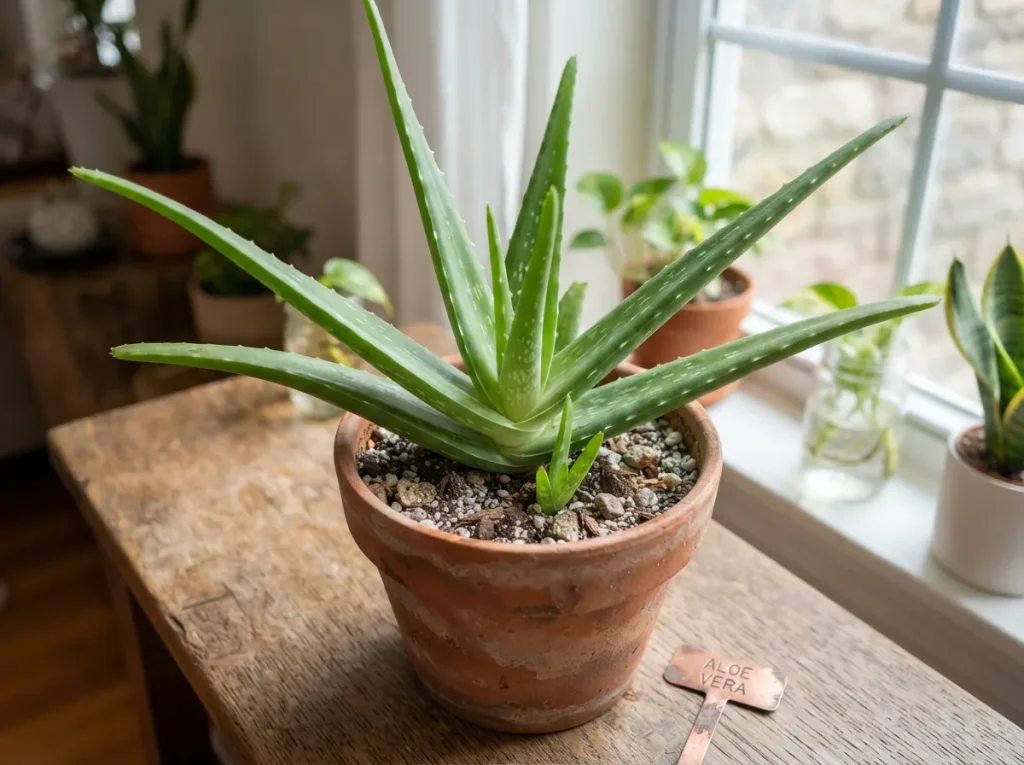
Aloe Vera is not just pretty to look at. It is also very useful to have in the house. You can break off a piece of the leaf to get the gel inside, which helps soothe minor cuts or sunburns.
Like the Jade Plant, Aloe needs plenty of light. It also hates sitting in water. Make sure you use a pot with a hole in the bottom so the extra water can escape. If you treat it like a desert plant, it will stay happy.
Simple Tips for Success
The biggest mistake beginners make is overwatering. Most of the plants listed above hate sitting in soggy soil. Always stick your finger an inch into the soil. If it feels wet, wait a few days.
Lighting is the next big thing. Pay attention to how much light your room gets. A south-facing window is usually very bright. A north-facing window is much darker. Match your plant to the light you have and you will have much better luck.
Frequently Asked Questions
How often should I fertilize my indoor plants?
You really do not need to do much. Using a basic liquid plant food once every two months during the spring and summer is plenty. Do not feed your plants in the winter when they are resting.
What if my plant leaves are turning yellow?
Yellow leaves usually mean you are giving the plant too much water. Check the soil. If it is wet and mushy, let it dry out completely before you water it again. You may need to trim the yellow leaves off.
Can I keep these plants if I have pets?
Some plants can be toxic to cats and dogs if they eat them. Always check if your specific plant is pet-safe before you bring it home. Spider plants and Pothos are usually okay for most homes, but it is always smart to do a quick search.
Does it matter what kind of pot I use?
Yes, it does. Always choose a pot that has a drainage hole at the bottom. This allows water to drain away from the roots. If you have a pretty decorative pot with no hole, keep your plant in its plastic nursery pot and set it inside the decorative one.