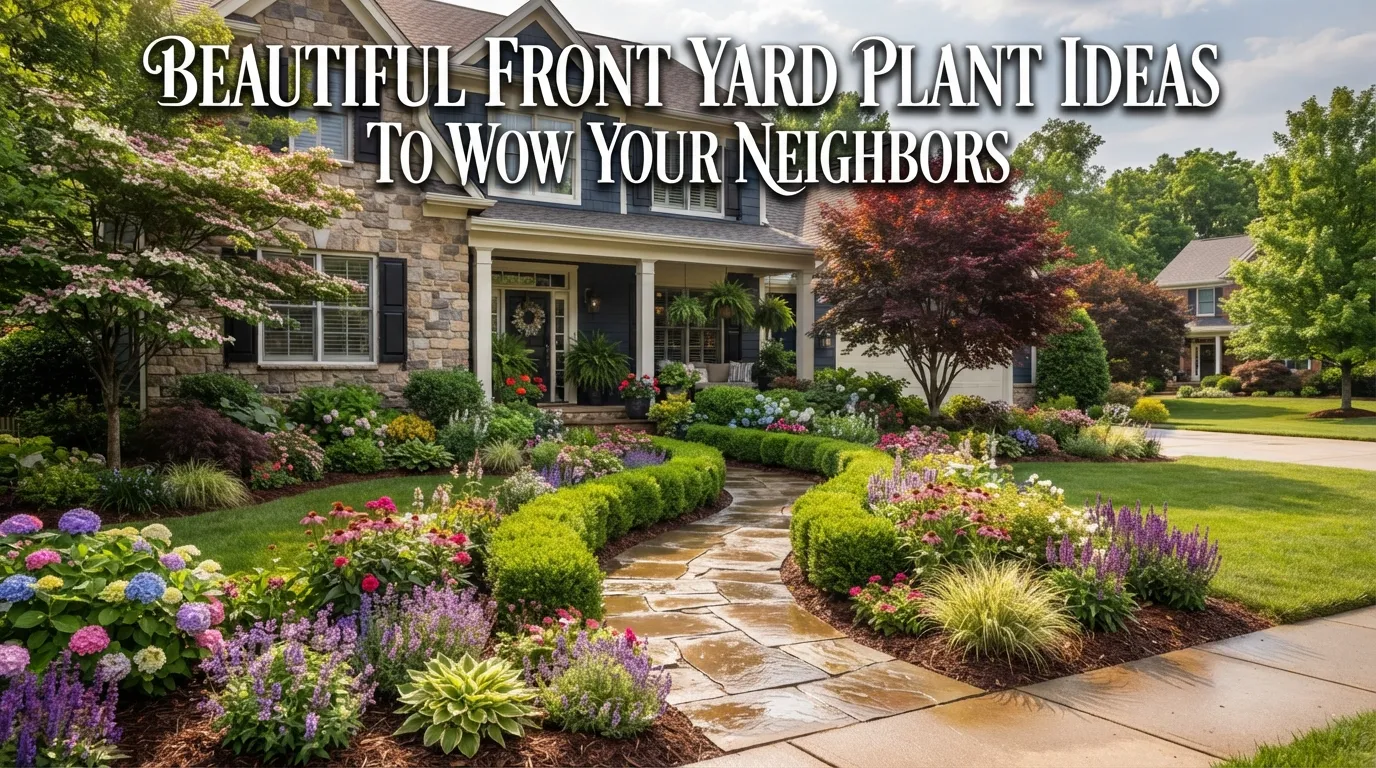
Beautiful Front Yard Plant Ideas to Wow Your Neighbors
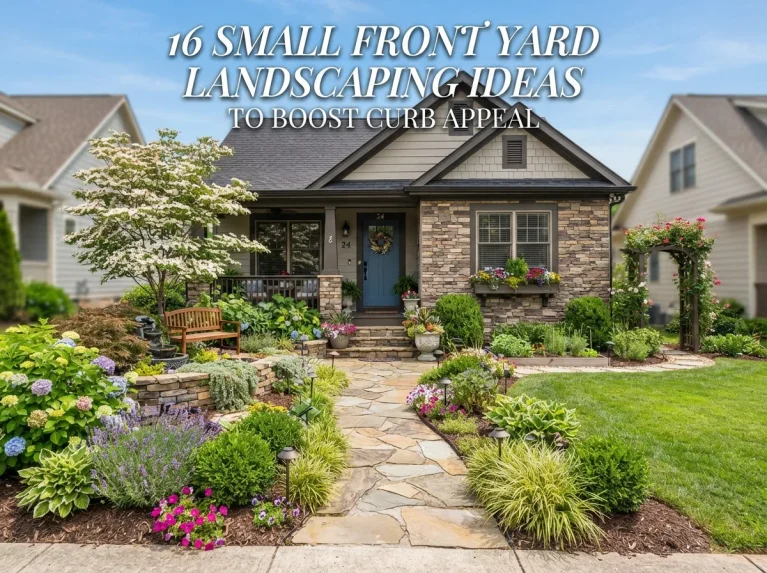
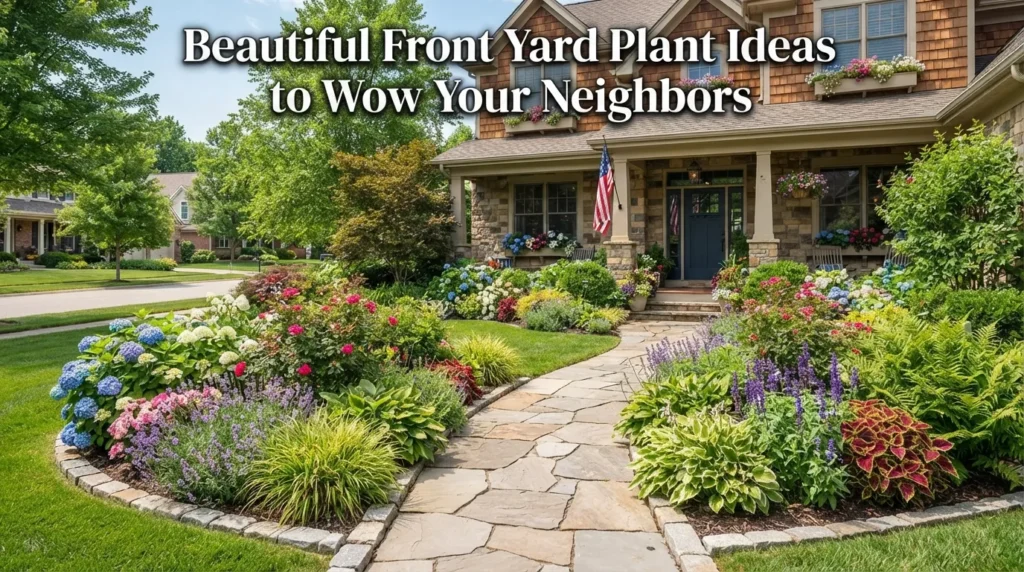
Thinking about sprucing up your Beautiful Front Yard Plant Ideas? It’s the first thing people see when they visit, and it sets the tone for your whole home. Making it look good doesn’t have to be complicated. We’re going to talk about some really pretty plants that can make your front yard shine.
You don’t need a giant yard or a green thumb the size of a prize-winning pumpkin to have a beautiful front entrance. It’s all about picking the right plants for your space and a little bit of care. Let’s get your front yard looking amazing, shall we?
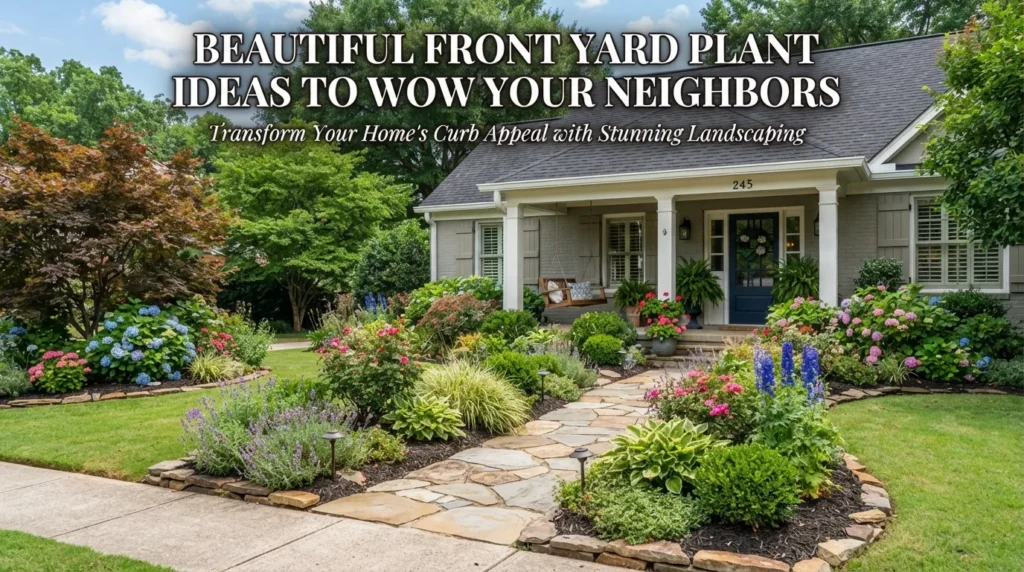
Beautiful Front Yard Plant Ideas to Wow Your Neighbors
Life is busy, right? The last thing you want is to spend all your free time wrestling with plants. Luckily, there are tons of gorgeous options that don’t demand much. These are perfect if you’re new to gardening or just want a yard that looks good without a lot of fuss.
Think about Beautiful Front Yard Plant Ideas that can handle a bit of neglect. Things like succulents, ornamental grasses, and some hardy perennials are your best friends here. They add texture and color without needing constant watering or special attention.
Ornamental Grasses: Movement and Texture
Ornamental grasses are seriously underrated. They bring so much life to a garden. Even a gentle breeze makes them sway and dance, adding a lovely, calming movement to your yard. Plus, they come in so many shapes and sizes, from tall and feathery to short and clumpy.
Consider varieties like Feather Reed Grass (Calamagrostis x acutiflora ‘Karl Foerster’). It stands tall and has elegant, upright plumes that look great all year round, even in winter. Another good choice is Blue Fescue (Festuca glauca). It has beautiful blue-gray foliage and stays nice and compact, perfect for borders.
Hardy Perennials: Color That Comes Back Year After Year
Perennials are plants that come back every year. This means less work for you in the long run. Once they’re established, you can enjoy their blooms and foliage season after season.
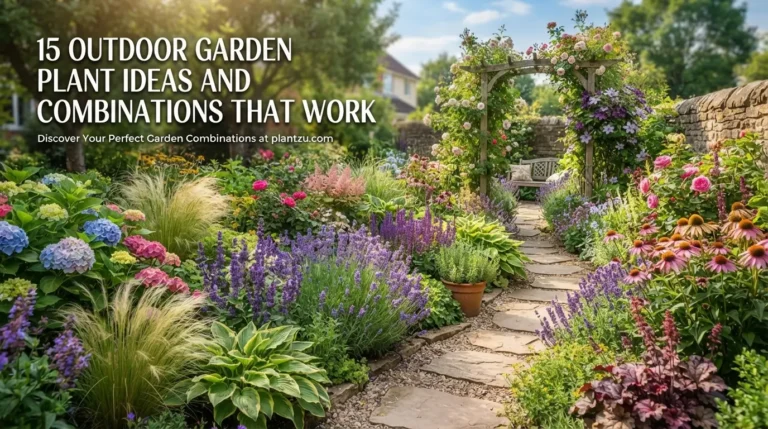
Hostas are fantastic for shady spots. They have big, lush leaves in shades of green, blue, and variegated patterns. For sunny areas, coneflowers (Echinacea) are a great choice. They attract pollinators and bloom for a long time. Lavender is another winner. It smells amazing, looks beautiful with its purple spikes, and is quite drought-tolerant once established.
Adding a Pop of Color
Who doesn’t love a bit of color? Adding colorful plants is an easy way to make your front yard more inviting. You can use flowers, or even colorful foliage to create a big impact.
Think about combining plants with different bloom times. This way, you’ll have something colorful happening in your yard for most of the year. It’s like a living painting!
Flowering Shrubs: Structure and Blooms
Shrubs are great because they provide structure to your landscape. They’re bigger plants that can anchor your garden beds. Many flowering shrubs offer both beautiful blooms and attractive foliage.
Hydrangeas are always a hit. Their big, showy flower heads come in shades of pink, blue, and white. Azaleas and rhododendrons offer stunning spring blooms in a wide range of colors. For something that blooms all summer, consider a Knock Out Rose. They are disease-resistant and produce a continuous display of flowers.
Annuals for Instant Impact
If you want color *right now*, annuals are the way to go. These plants live for one season but provide a spectacular show. You can plant them in spring and enjoy them until the first frost.
Petunias, marigolds, and impatiens are classic choices. You can plant them in beds, borders, or containers. Mixing different colors and textures of annuals can create a really cheerful and welcoming look. They are also a great way to experiment with different color combinations each year. Don’t forget about our Your Top Picks for Amazing Garden Plants for more ideas on seasonal color.
Shade-Tolerant Beauties
Does your front yard have areas that don’t get much sun? Don’t worry, you can still have a gorgeous garden! There are many plants that thrive in shade or partial shade.
Shady spots can be just as beautiful as sunny ones. You just need to pick the right plants. Think about lush foliage and interesting textures to make these areas pop.
Ferns: Delicate and Lush
Ferns are the kings and queens of shade gardens. They bring a sense of lushness and tranquility. Their frilly, delicate leaves add a wonderful texture that contrasts well with other plants.
Ostrich ferns are known for their tall, vase-like shape. Japanese painted ferns offer beautiful, silvery-purple fronds. Lady ferns are another classic, with their graceful, arching leaves. They really thrive in moist, shady conditions.
Astilbe: Feathery Blooms in the Shade
Astilbe is another fantastic choice for shady gardens. It offers beautiful, feathery flower plumes in colors like pink, red, and white. They bloom in the summer and add a wonderful splash of color where sun-loving flowers won’t grow.
These plants prefer moist soil and partial shade. They provide a lovely contrast to the broad leaves of hostas or the delicate fronds of ferns. Their blooms add a soft, romantic touch.
Container Gardening for Front Porches and Patios
Don’t have a lot of yard space? Or maybe you want to add extra flair to your porch or patio? Container gardening is your answer! Pots and planters can transform any small space into a beautiful outdoor room.
Using containers gives you flexibility. You can move them around to catch the best light or change your display whenever you like. It’s a fantastic way to add personality and charm.
Choosing the Right Pots
The pots themselves are part of the decor. You can find them in all sorts of materials, from terracotta and ceramic to metal and wood. Choose pots that complement the style of your home. Make sure they have drainage holes so your plants don’t get waterlogged.
Larger pots can hold a single statement plant or a combination of plants. Smaller pots are great for grouping together. You can create stunning arrangements that welcome guests before they even step inside.
Plant Combinations for Containers
When planting in containers, think about the “thriller, spiller, and filler” concept. The “thriller” is a tall, eye-catching plant in the center. The “spiller” is a plant that cascades over the edge of the pot. The “filler” is a plant that fills in the space around them.
For example, you could use a tall ornamental grass as your thriller, trailing petunias as your spiller, and some colorful coleus as your filler. This creates a full, beautiful look. We at Plantzu have lots of container-friendly options to inspire you.
Curb Appeal Boosters
Want to make your home stand out from the street? Focus on curb appeal! These plant ideas are specifically chosen to make a great first impression.
Think about symmetry and balance. Planting similar things on either side of your walkway or front door can create a very polished look. Also, consider plants that offer year-round interest.
Evergreens for All-Season Structure
Evergreen plants keep their leaves or needles all year long. They provide structure and color even in the dead of winter. This is key for maintaining curb appeal throughout the seasons.
Dwarf conifers, like certain varieties of spruce or pine, can add beautiful texture and color. Boxwood shrubs are classic for creating neat, formal hedges or specimen plants. For a touch of elegance, consider Japanese Holly (Ilex crenata). It’s a great alternative to boxwood and is quite hardy.
Colorful Foliage Plants
You don’t always need flowers to have color. Plants with colorful leaves can be just as stunning, and often provide color for a longer period than flowers.
Heuchera (Coral Bells) offer incredible leaf colors, ranging from deep purple and burgundy to lime green and amber. Coleus is another fantastic option, with leaves in almost every imaginable pattern and color. These plants are great for adding pops of unexpected color to your beds and borders.
Caring for Your Front Yard Plants
Even the easiest plants need a little bit of love. Basic care will ensure your front yard looks its best.
Watering is crucial, especially when plants are new. Make sure you know how much water your chosen plants need. Weeding is also important. Keeping weeds down allows your plants to get the nutrients and water they need.
Watering Wisely
The best time to water is usually early in the morning. This allows the water to soak in before the heat of the day causes it to evaporate. Deep watering less often is better than shallow watering every day. It encourages plants to develop strong root systems.
Check the soil moisture by sticking your finger about an inch or two into the soil. If it feels dry, it’s time to water. Container plants will dry out faster than those in the ground.
Feeding and Mulching
Most plants benefit from a bit of fertilizer, especially during their growing season. Use a balanced fertilizer or one suited to the specific needs of your plants. Follow the package directions carefully to avoid over-fertilizing.
Mulching is a game-changer. Applying a layer of mulch around your plants helps retain soil moisture, suppresses weeds, and keeps the soil temperature more even. Organic mulches like wood chips or shredded bark are excellent choices. They also break down over time, adding nutrients to the soil.
Bringing It All Together
Creating a beautiful front yard is a process. It’s about choosing plants that you love and that suit your environment. Don’t be afraid to experiment!
Think about the overall look you want. Do you prefer a formal, neat appearance, or something more natural and wild? Mixing textures, colors, and heights will create a dynamic and interesting landscape. With these ideas, your front yard can become a place that you and your visitors will truly admire.
Frequently Asked Questions
What are the easiest plants for a front yard?
Some of the easiest plants include ornamental grasses, hostas, succulents, and hardy perennials like coneflowers and lavender. These often require less watering and attention.
How can I add color to my front yard without flowers?
You can add color with plants that have vibrant foliage. Think about plants like Heuchera (Coral Bells) or Coleus, which come in a wide range of striking leaf colors and patterns.
What plants are good for shady front yards?
For shady areas, ferns, hostas, and astilbe are excellent choices. They thrive in low-light conditions and add lushness and texture to the landscape.
How often should I water new plants in my front yard?
New plants generally need more frequent watering than established ones. Check the soil moisture regularly by feeling the soil. Water deeply when the top inch or two feels dry, especially during the first growing season.