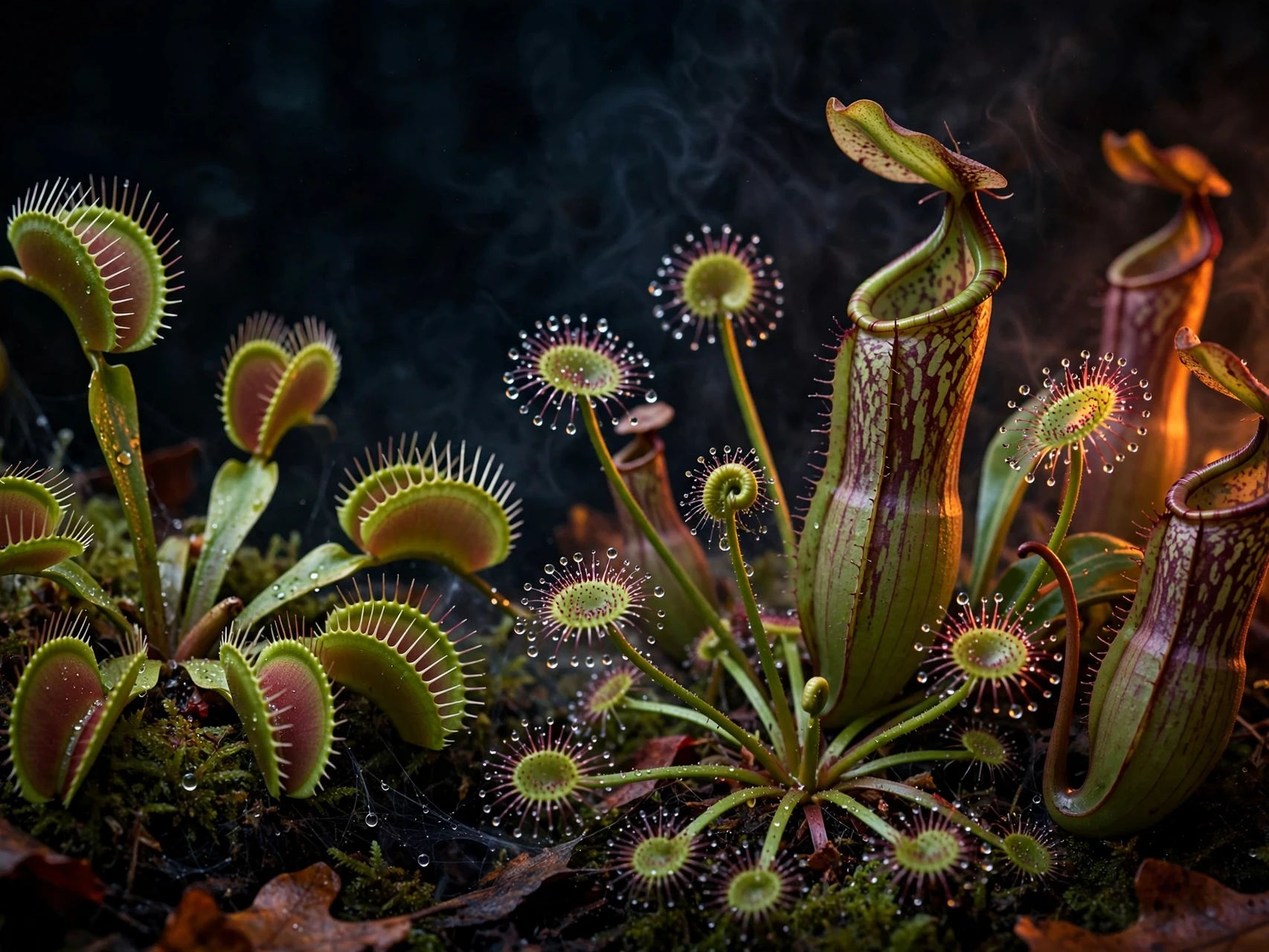
Carnivorous Plants: The Creepiest Halloween Houseplants
Forget plastic spiders and fake tombstones — the spookiest decorations for your home this October are alive. Carnivorous plants are nature’s true monsters: beautiful, patient, and utterly ruthless. They snap jaws shut on flies, drown wasps in pitfall traps, and glue gnats to glistening tentacles. And the best part? You can grow them on your windowsill, where they double as pest control and conversation starters.
There are over 600 species of carnivorous plants on Earth, evolved in poor, boggy soils where catching insects was the only way to get enough nutrients. Most are surprisingly easy houseplants once you learn their quirks, and every single one brings instant drama to a room. Here are eight of the creepiest carnivorous houseplants to haunt your home this Halloween.
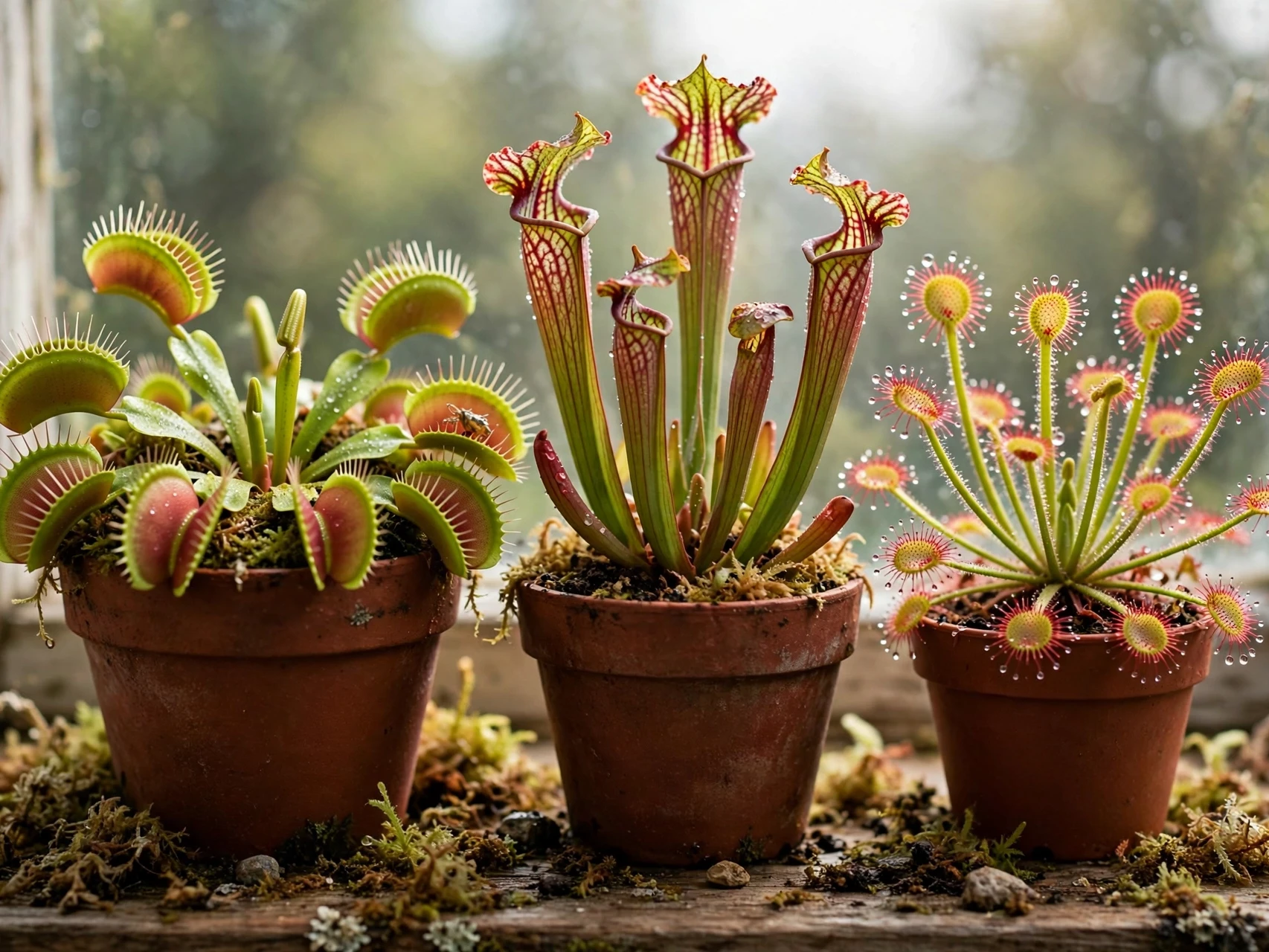
Venus Flytrap
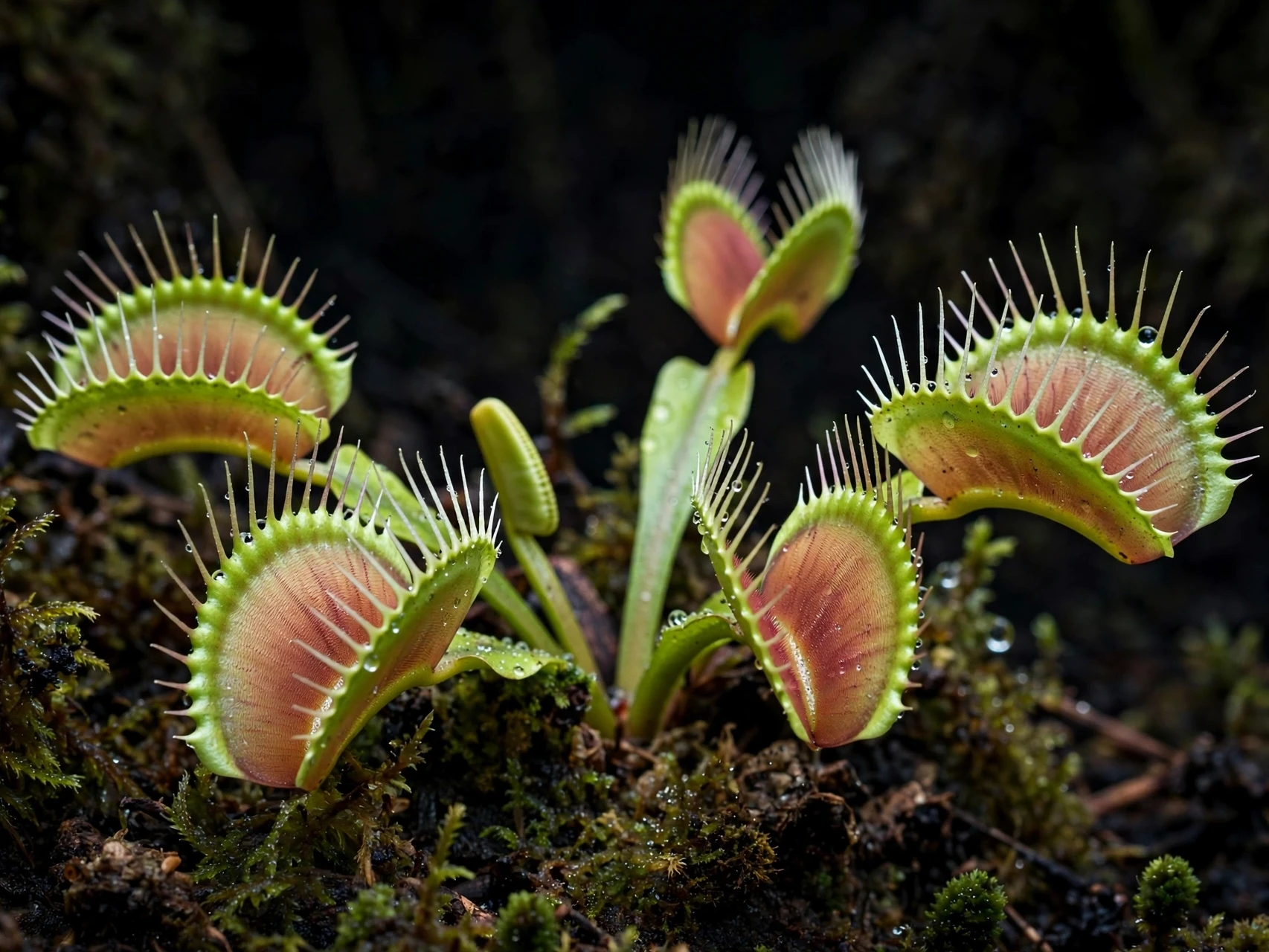
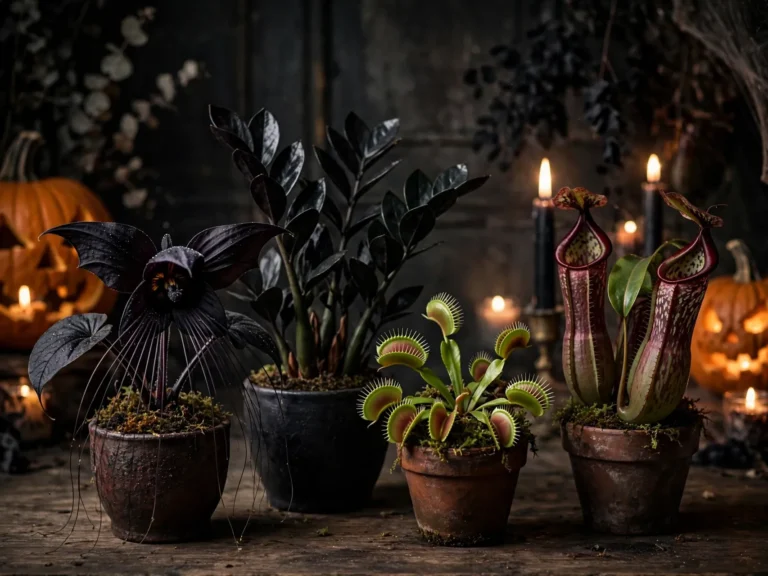
Each trap is a pair of hinged, spiked leaves. When a fly brushes two trigger hairs within seconds, the jaws slam shut in a tenth of a second and digestive juices do the rest. Nothing says Halloween like a plant that visibly bites back. Each snap is a show — guests will lean in closer every time a fly wanders near. Care tip: give it bright, direct sun and keep its soil soggy with distilled water — it hates tap water.
Purple Pitcher Plant

Its deep-red, veined pitchers are pitfall traps: insects slide down the slippery walls into a pool of drowning fluid at the base. The bruised-purple hoods look like something from a haunted swamp. Care tip: it loves full sun and consistently moist, acidic soil — a sunny windowsill and a shallow water tray keep it happy. Outdoors in warm climates it survives winter dormancy; indoors, just keep it wet and bright.
Sundew
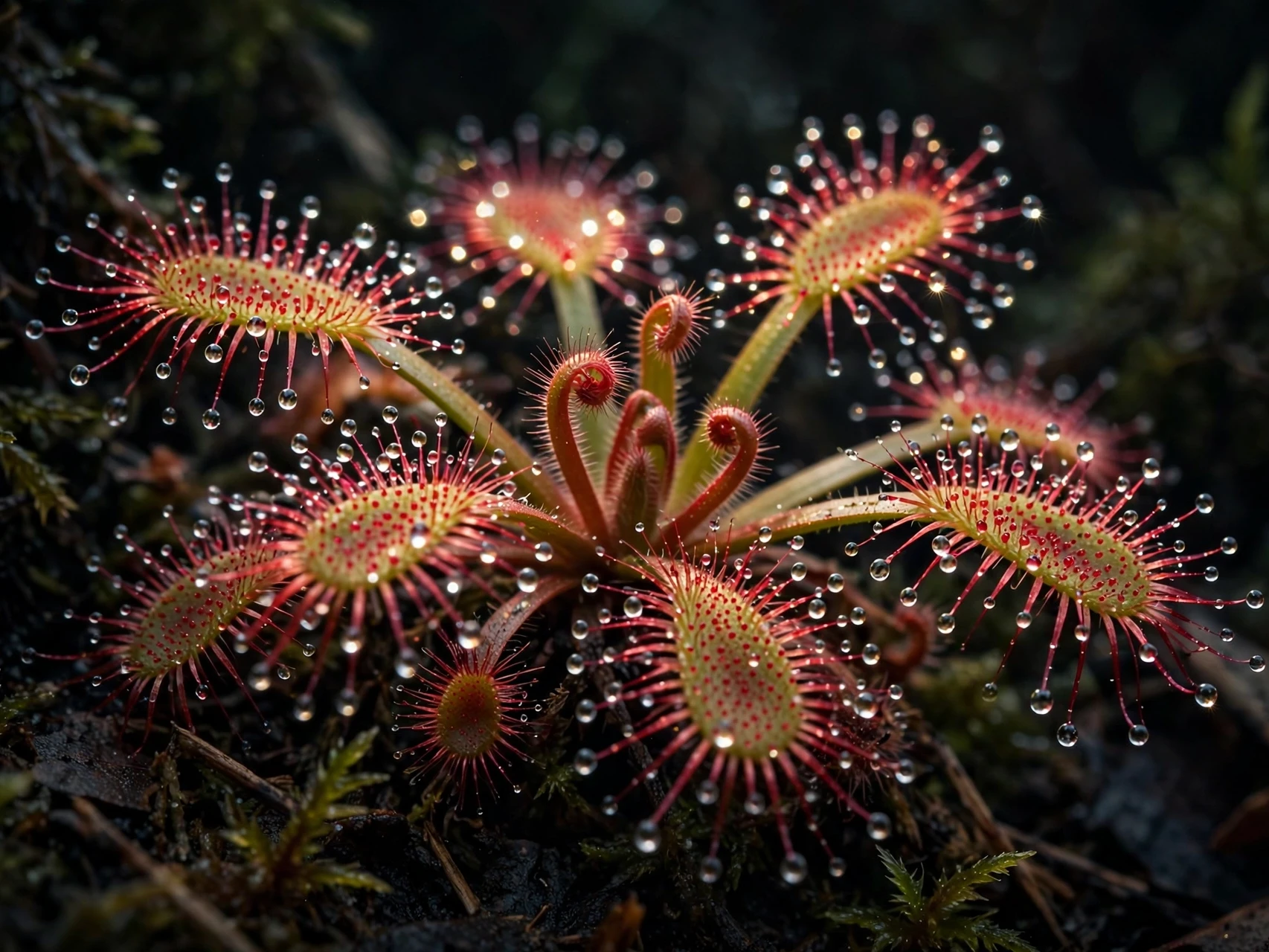
Sundews glisten with sticky droplets that lure curious insects, then glue them in place. The tentacles slowly curl inward like closing fingers, smothering the prey. At night, those sparkling beads look eerily like eyes in the dark. Care tip: needs very bright light to keep its dewy glow; weak light means dry, non-sticky tentacles.
Butterwort
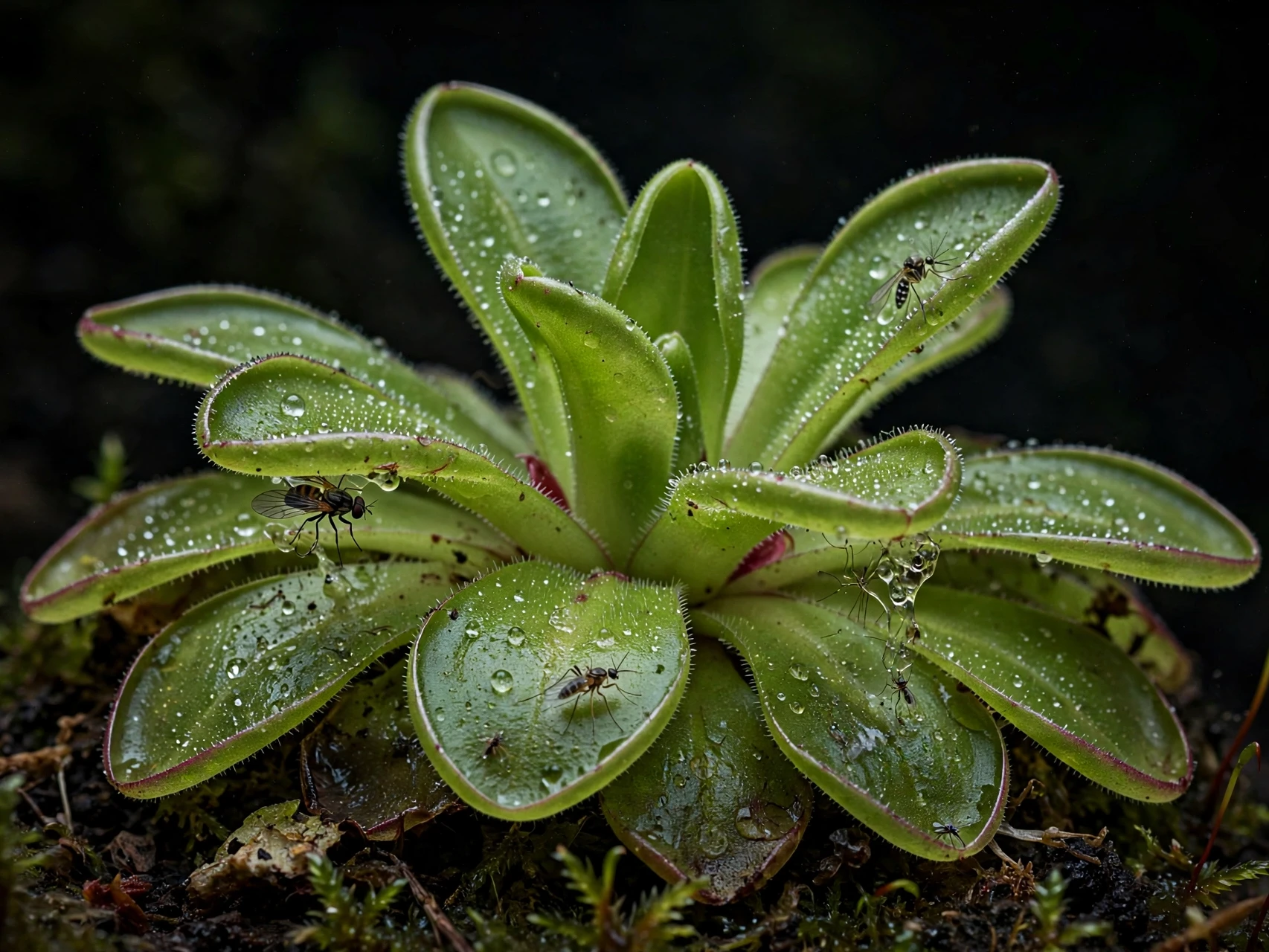
Butterwort leaves are coated in a greasy, flypaper-like slime that traps fungus gnats and fruit flies on contact. It dissolves them right where they land. It looks innocent — a rosette of pale green leaves — which makes the quiet carnage even creepier. Care tip: bright indirect light and a winter rest period with less water keep it thriving.
Cobra Lily
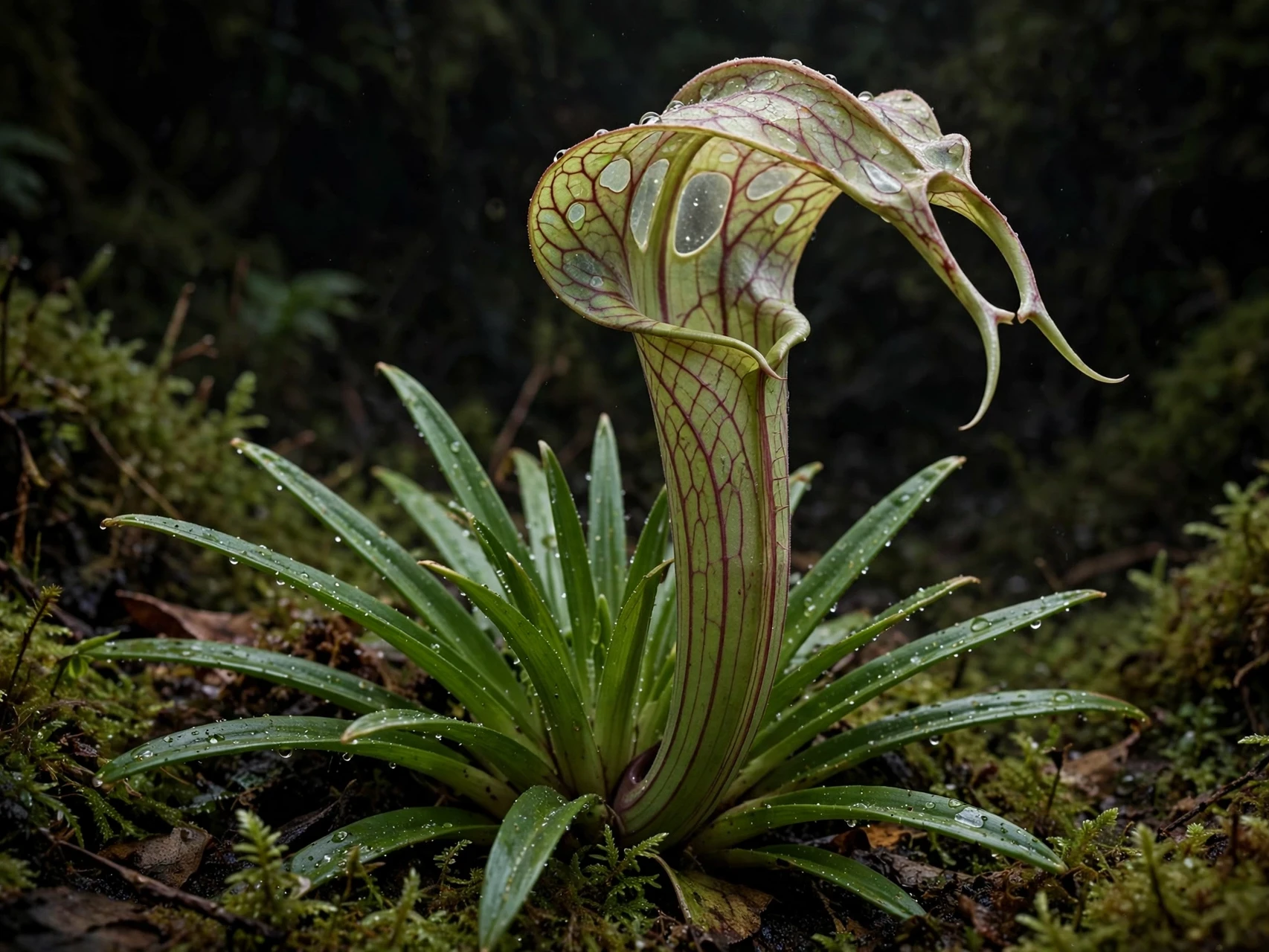
Its hooded pitcher curves like a rearing snake, with a forked “tongue” dangling over the opening to bait insects inside. Once in, translucent false exits confuse the victim until it drops into the trap below. Pure horror-movie architecture. Insects are drawn to light shining through the hood, fly upward toward the false exits, and fall back into the digestive zone. Care tip: unlike most carnivorous plants, it wants cool roots — water from above so cold water flows through the pot, and never let the crown sit in stagnant heat.
Bladderwort
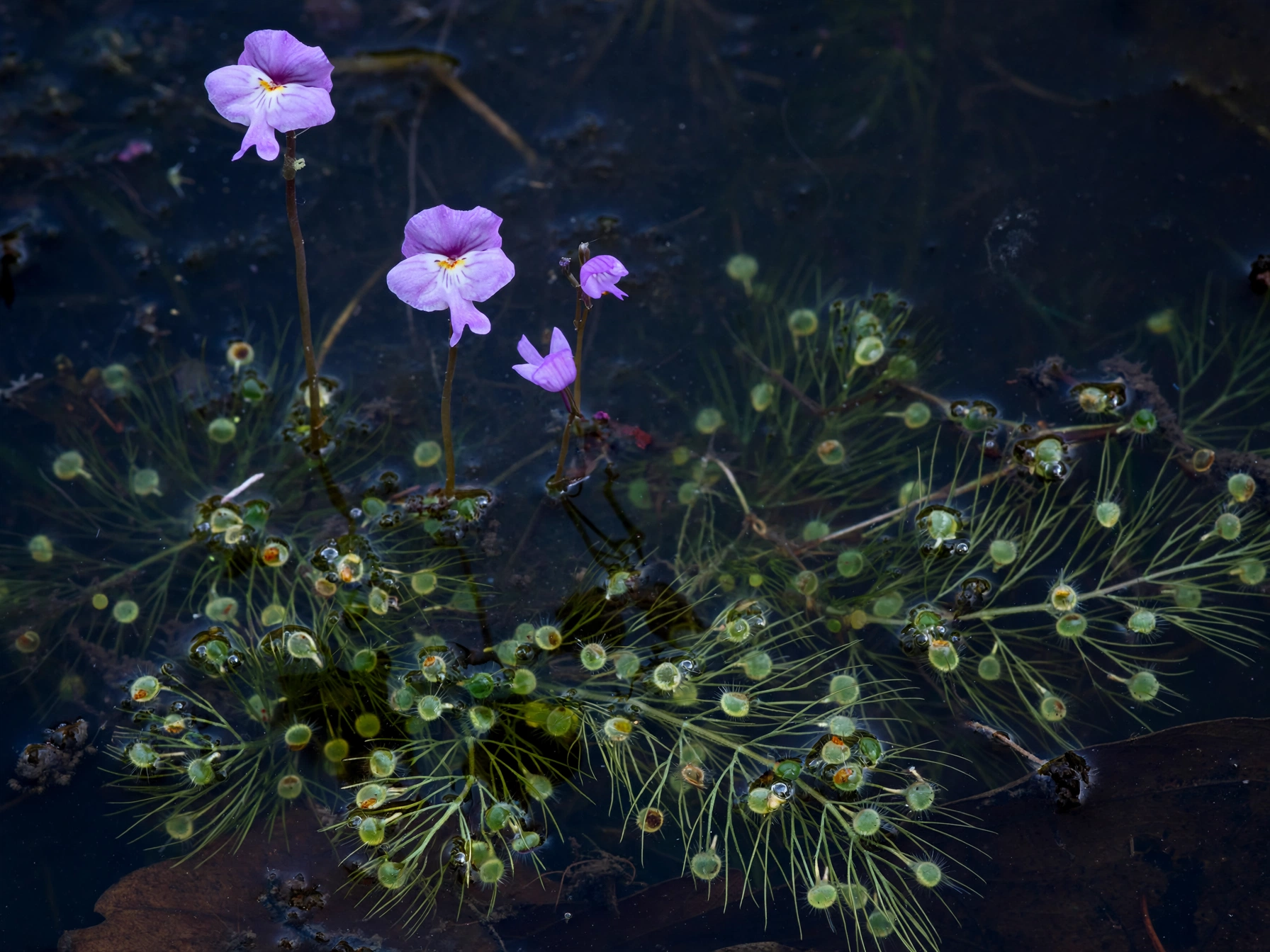
The most violent trap in the plant kingdom: tiny underwater bladders snap open in under a millisecond, vacuuming up mosquito larvae and water fleas with suction — one of the fastest movements in all of nature. You never even see the kill, which somehow makes it worse. Care tip: grow it in a wet tray or small bog container in bright light, and keep it constantly moist — it forgives almost everything else.
Tropical Pitcher Plant
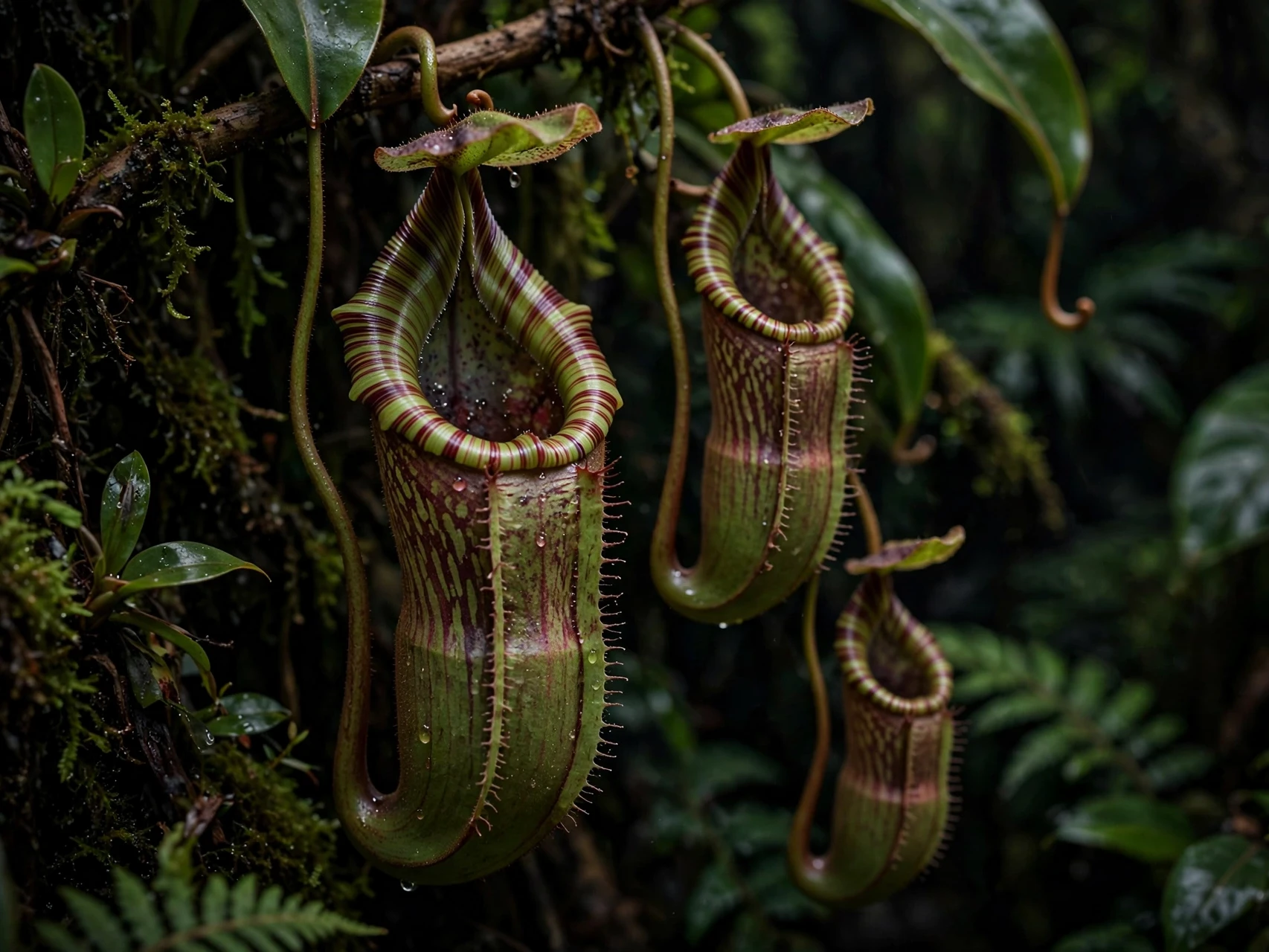
Hanging pitchers dangle from vine-like tendrils, luring insects with nectar around the rim before they tumble into digestive fluid. Some species grow traps big enough to catch mice — genuinely monstrous. Care tip: it craves warmth and humidity, so a steamy bathroom window or a pebble tray works wonders, with bright filtered light.
Albany Pitcher Plant
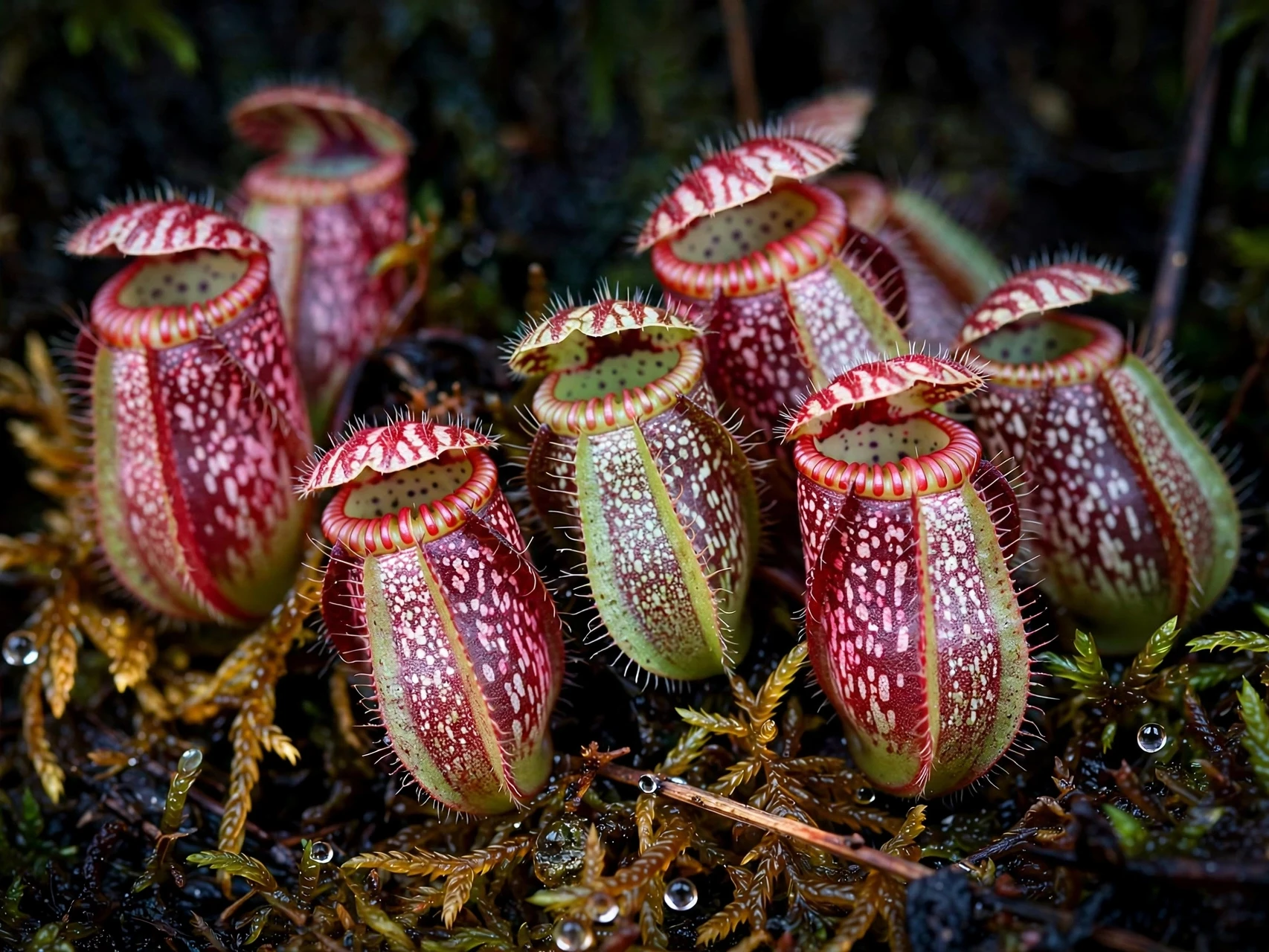
This rare Australian oddity combines two traps in one plant: passive pitfall pitchers plus carnivorous leaves, so no prey escapes either way. Its speckled white-and-red pitchers look blood-flecked — perfect for the season. Care tip: it grows slowly and dislikes being repotted, so give it bright light and distilled water, then leave it alone.
Keeping Your Little Monsters Happy Indoors
Most carnivorous plants want what most houseplants don’t: nutrient-poor soil (peat and perlite, never fertilizer), soggy conditions, and serious light. If your windows don’t cut it through the gloomier months, investing in a quality LED grow light for your plants makes a dramatic difference to trap color, size, and stickiness.
So this Halloween, skip the plastic props and let real predators guard your windowsill. These eight carnivorous plants bring the creepy, eat the creepy-crawlies, and — with the right care — will outlive every pumpkin on your porch. To go deeper into how these strange species evolved, read up on the carnivorous plant family.
FAQ
Are carnivorous plants hard to keep as houseplants?
Not if you respect their three rules: bright light, distilled or rainwater, and poor soil with no fertilizer. Get those right and most species are surprisingly easy.
Can Venus flytraps hurt people or pets?
No. Their traps are only strong enough to catch flies and small insects — a curious finger or paw will simply spring the trap harmlessly. The plant wastes energy on false alarms, though, so discourage poking.
Do I need to feed my carnivorous plants?
No. They catch their own food from household insects, and they can survive long stretches without a meal. Never feed them hamburger or human food — it rots the traps.
Why is my pitcher plant turning brown?
Older pitchers naturally die off, but widespread browning usually means too little light, hard tap water, or low humidity. Fix the light first — it solves most problems.
Where is the best place to put carnivorous plants indoors?
A bright south- or west-facing windowsill is ideal. For sun-lovers like flytraps and sundews, a dedicated grow light keeps traps colorful and active through winter.