Homegrown Herbal Remedies
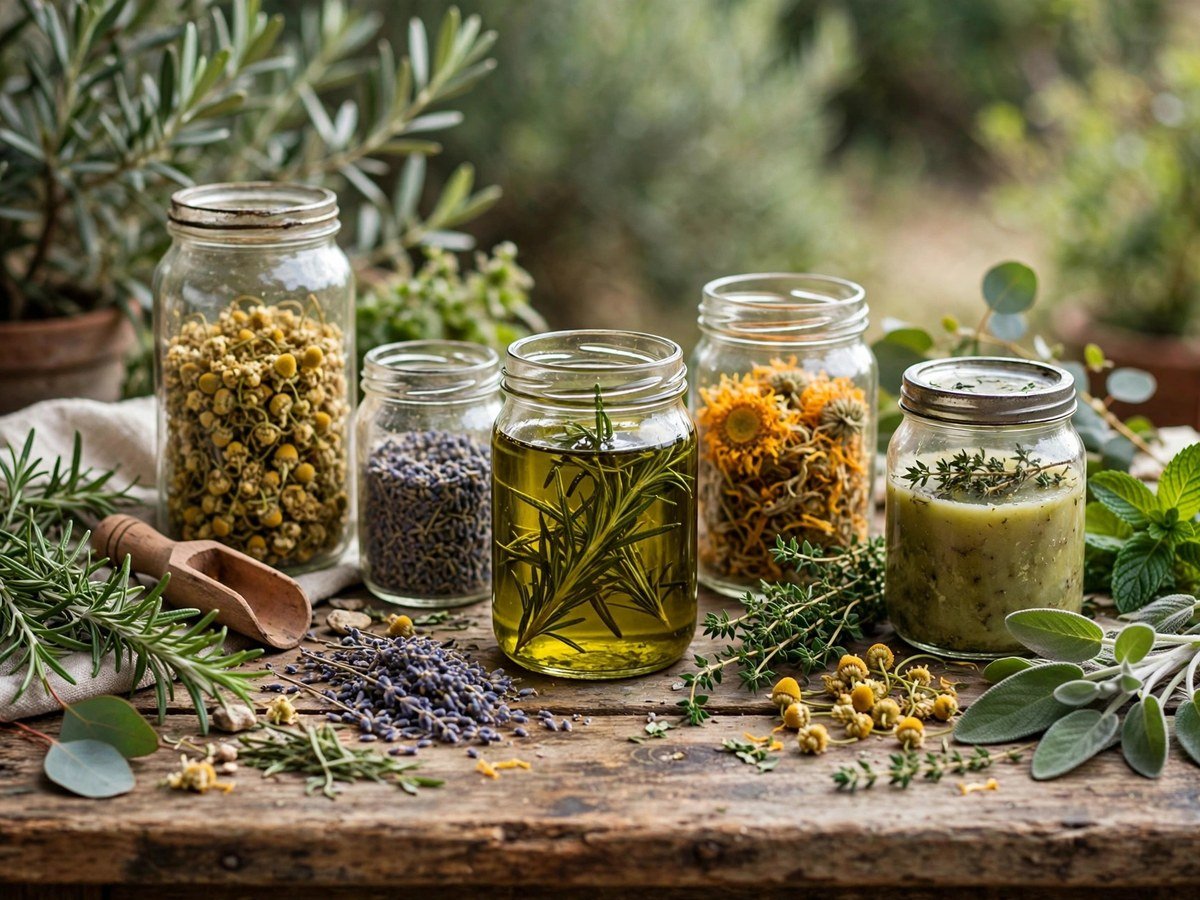
There is something deeply satisfying about treating a headache, a scratch, or a restless night with homegrown herbal remedies you made yourself. Long before pharmacies, gardens were the family medicine cabinet — and they still can be. The six simple preparations below use easy-to-grow plants and basic kitchen equipment, no special skills required. Start with one or two, and you will soon have a little shelf of natural remedies made entirely by your own hands.
Why Make Your Own Herbal Remedies
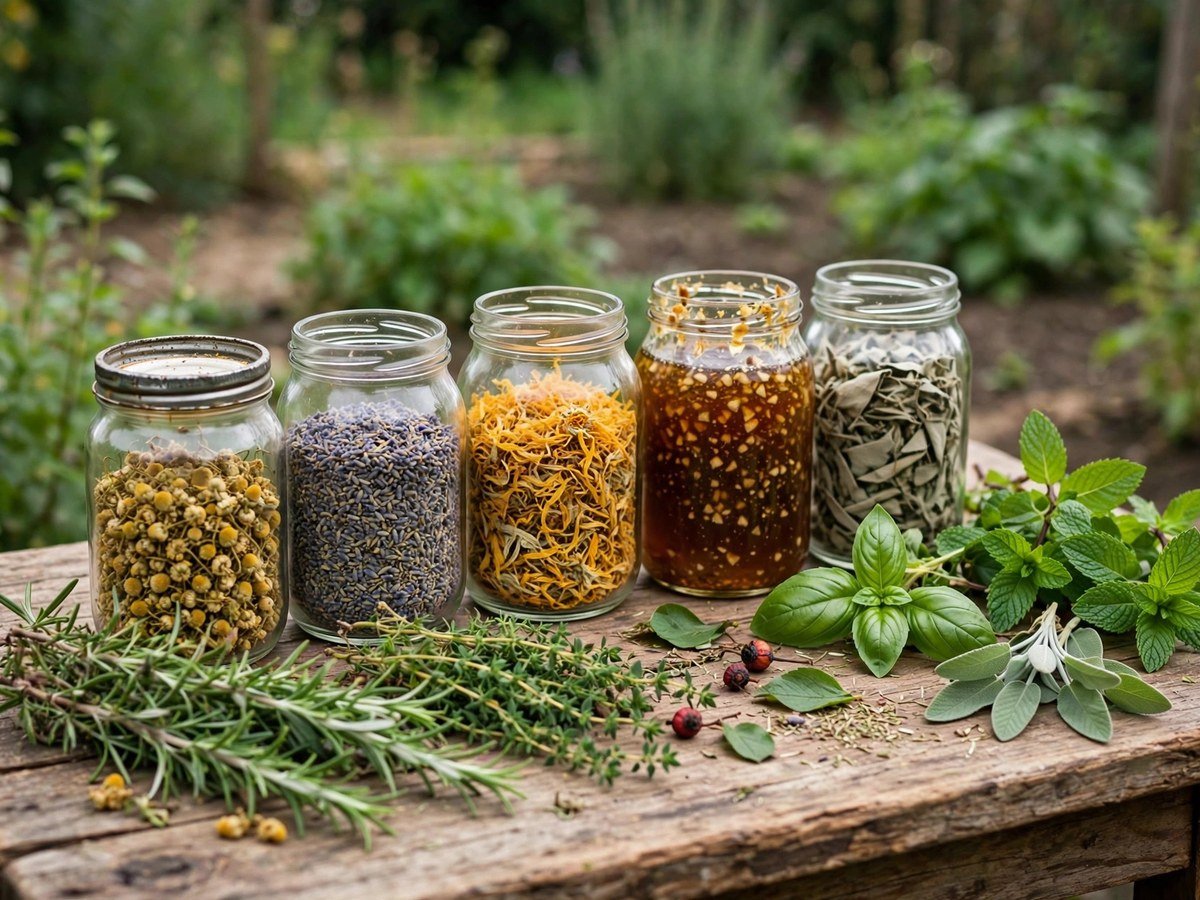
Making remedies at home gives you complete control over what goes into your body. You know exactly which plants were used, how they were grown, and how fresh they are — freshness matters, because a plant’s healing compounds fade over time. Homemade preparations also cost a fraction of store-bought versions and connect you to one of humanity’s oldest traditions. Begin with gentle, well-known herbs, follow simple recipes carefully, and keep notes on what works for your household.
6 Homegrown Herbal Remedies
1. Chamomile Tea
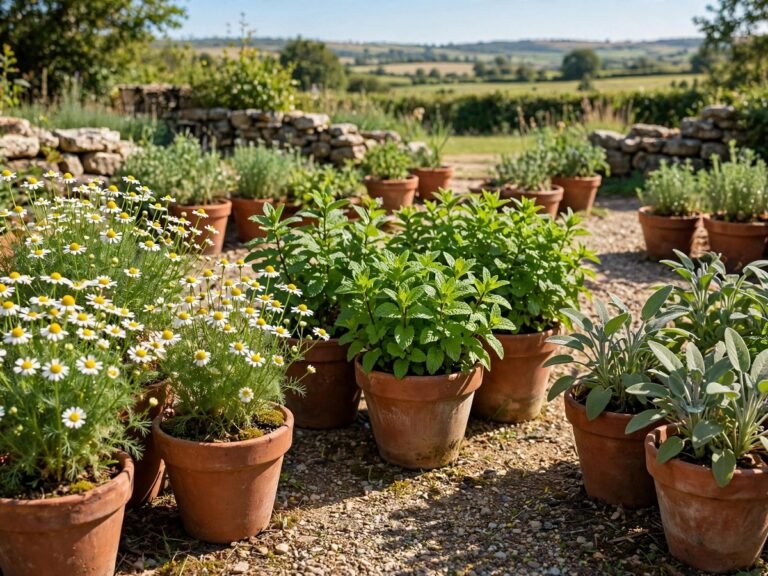
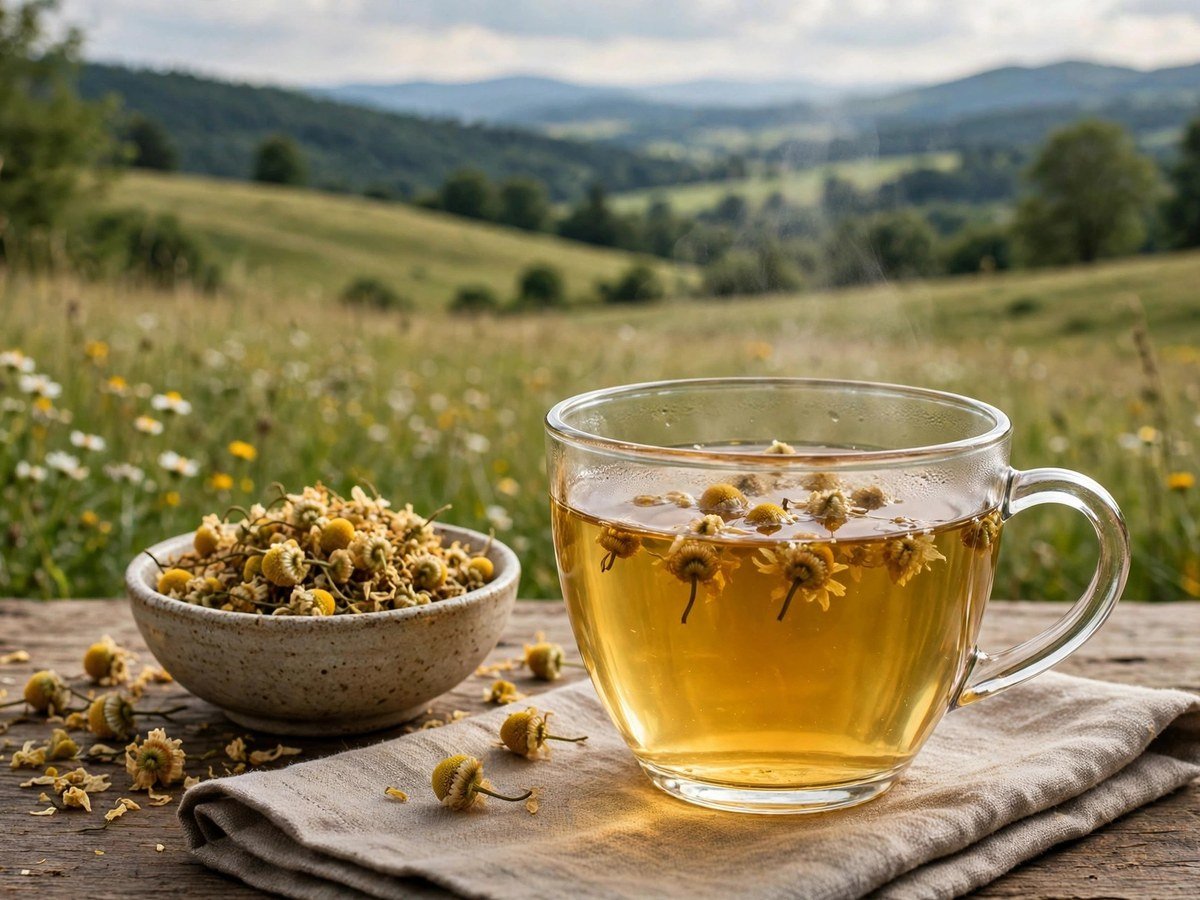
The simplest remedy of all: steep one tablespoon of dried chamomile flowers in a cup of just-boiled water for five minutes, then strain. This gentle golden tea eases everyday stress and helps restless minds wind down before bed. Grow a small patch of chamomile and you will harvest enough flowers in one summer for a whole winter of calming evening cups.
2. Peppermint Digestif
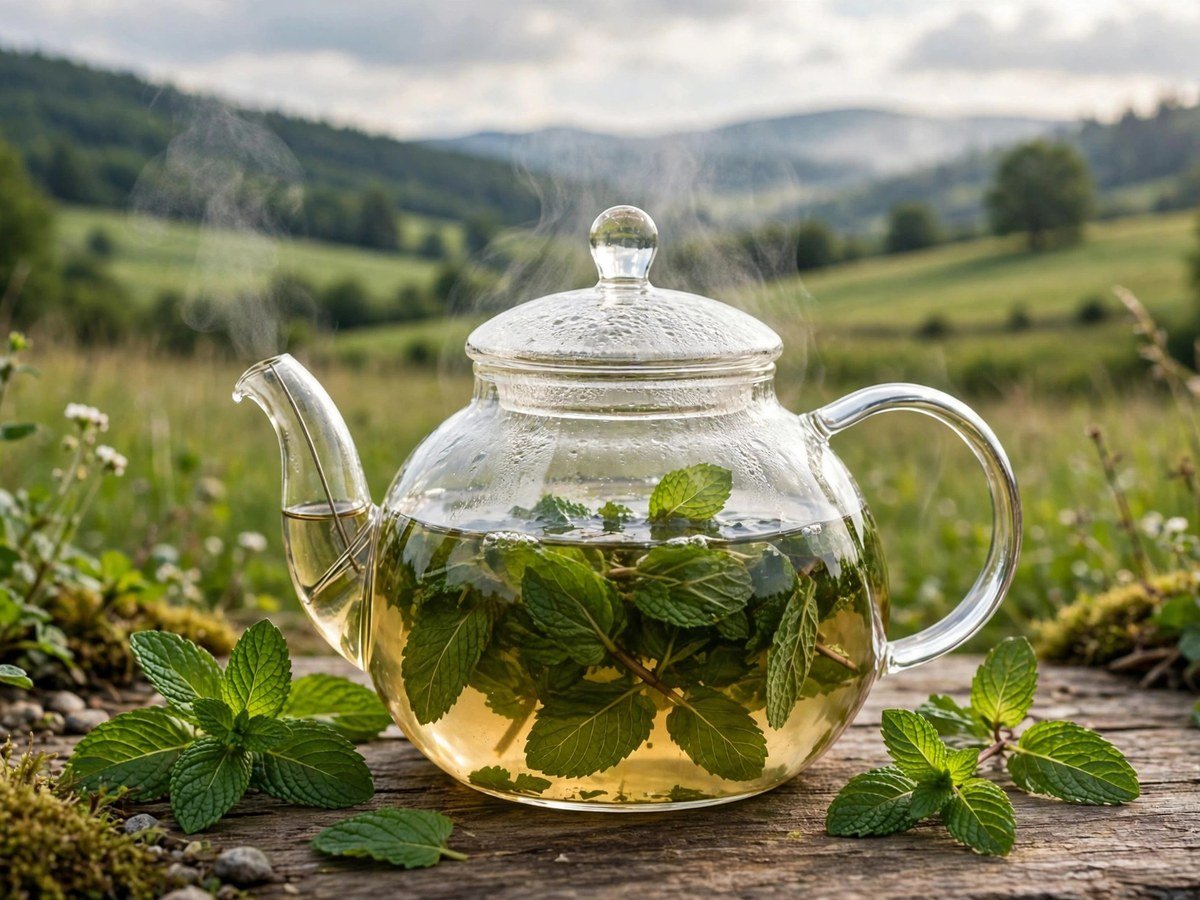
After a heavy meal, nothing settles the stomach like fresh peppermint tea. Bruise a handful of fresh leaves, pour over hot water, and steep for five to seven minutes. The menthol relaxes the digestive tract and eases that too-full feeling. Keep a pot of peppermint by the kitchen door and this remedy is always minutes away.
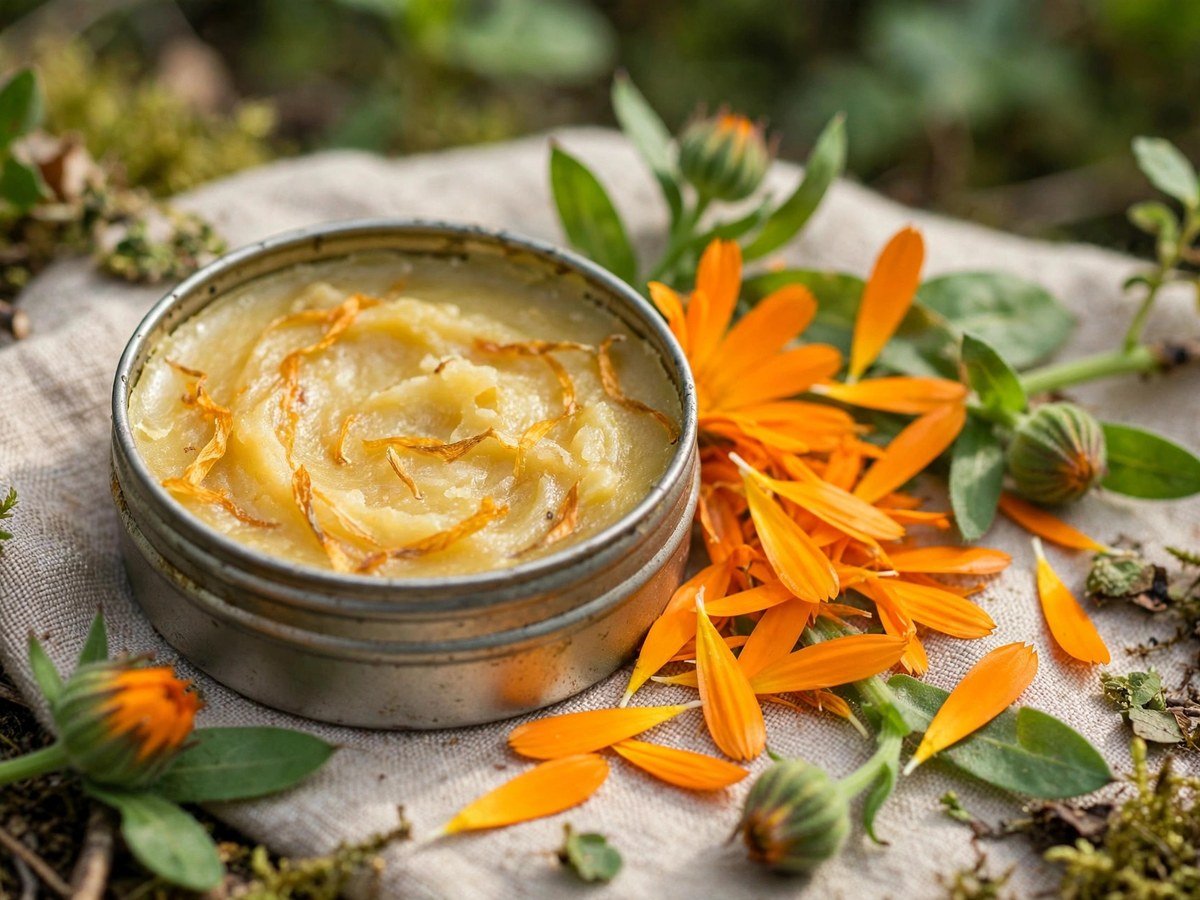
3. Calendula Salve
For minor cuts, scrapes, and dry irritated skin, calendula salve is a garden classic. Infuse dried calendula petals in olive oil for two weeks, strain, then gently warm the oil with a little beeswax until it sets into a salve. Pour into small tins and you have a soothing, all-natural skin balm that keeps for a year.
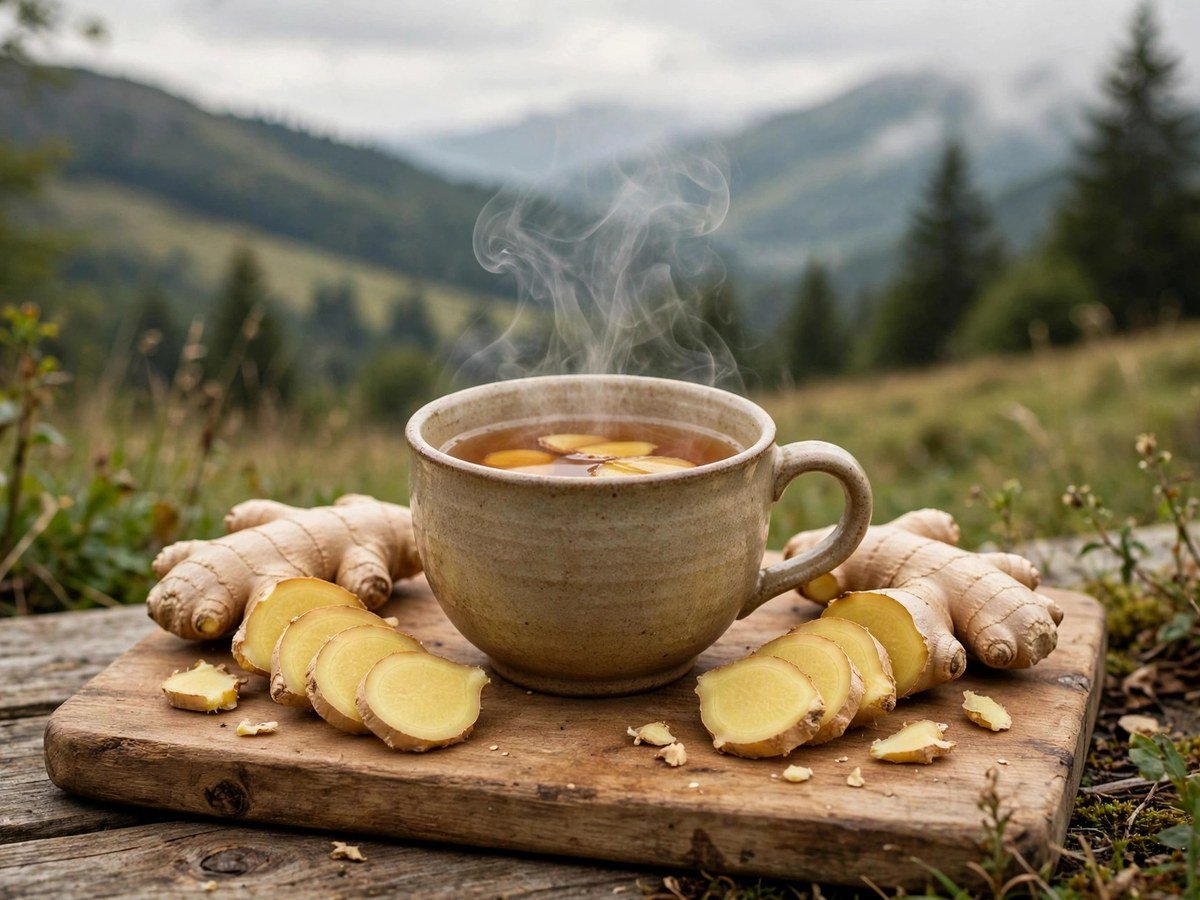
4. Ginger Decoction
Fresh ginger root simmered gently for fifteen minutes makes a warming decoction that has comforted colds and queasy stomachs for thousands of years. Add a slice of lemon and a spoonful of honey for a soothing cold-season drink. Ginger grows easily in a pot indoors, so you can harvest fresh knobs of root all winter long.
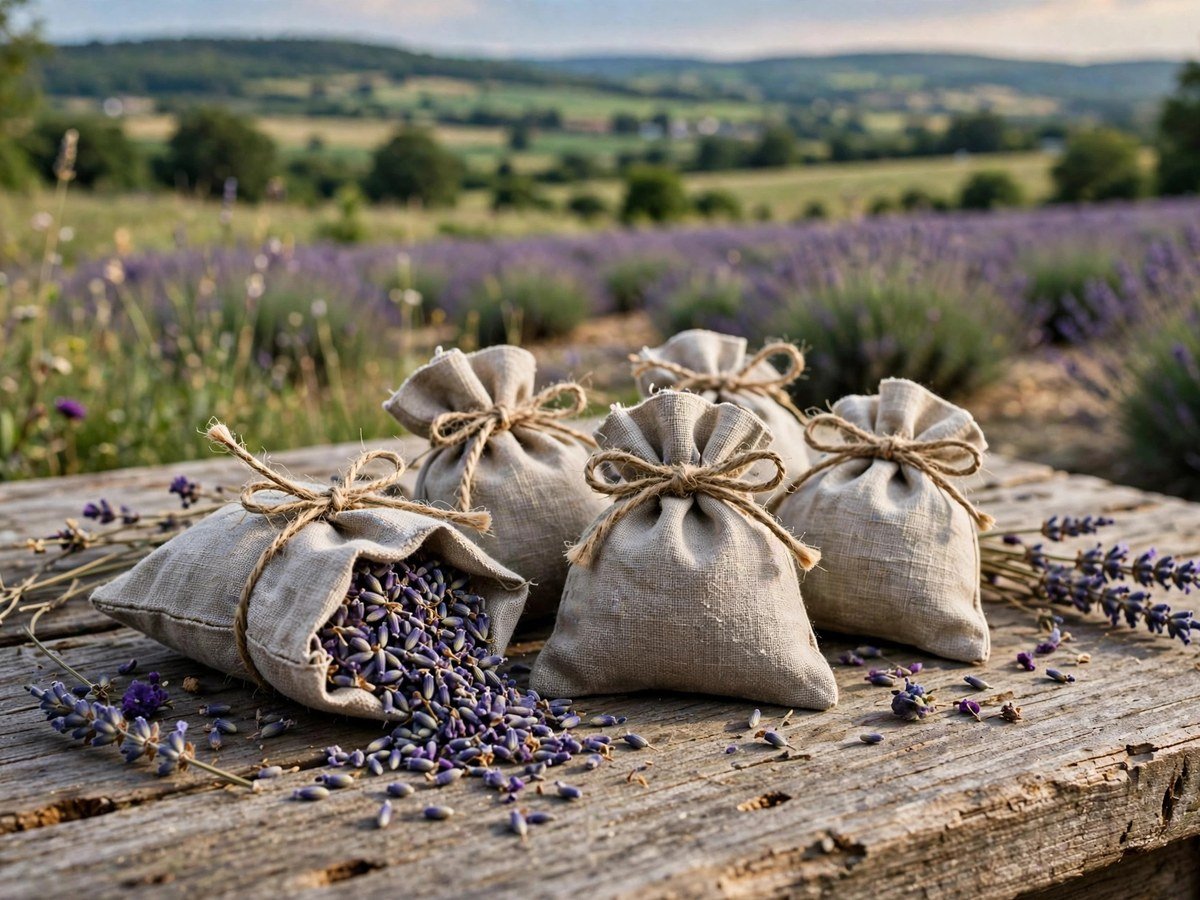
5. Lavender Sachets
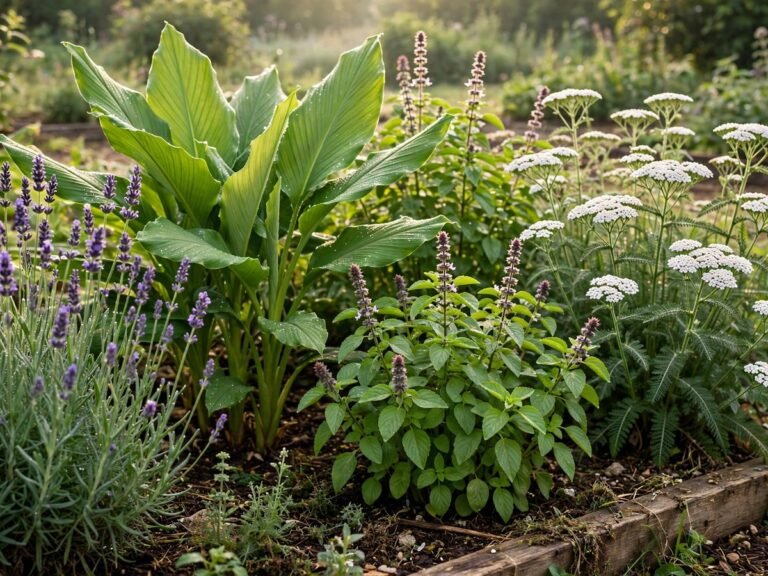
Dried lavender buds sewn into small cloth sachets are the easiest remedy here — tuck them into drawers to scent linens and repel moths, or slip one under your pillow for calmer sleep. Harvest lavender stems just as the buds begin to open, dry them upside down in a dark airy spot, then strip the fragrant buds into your sachets.
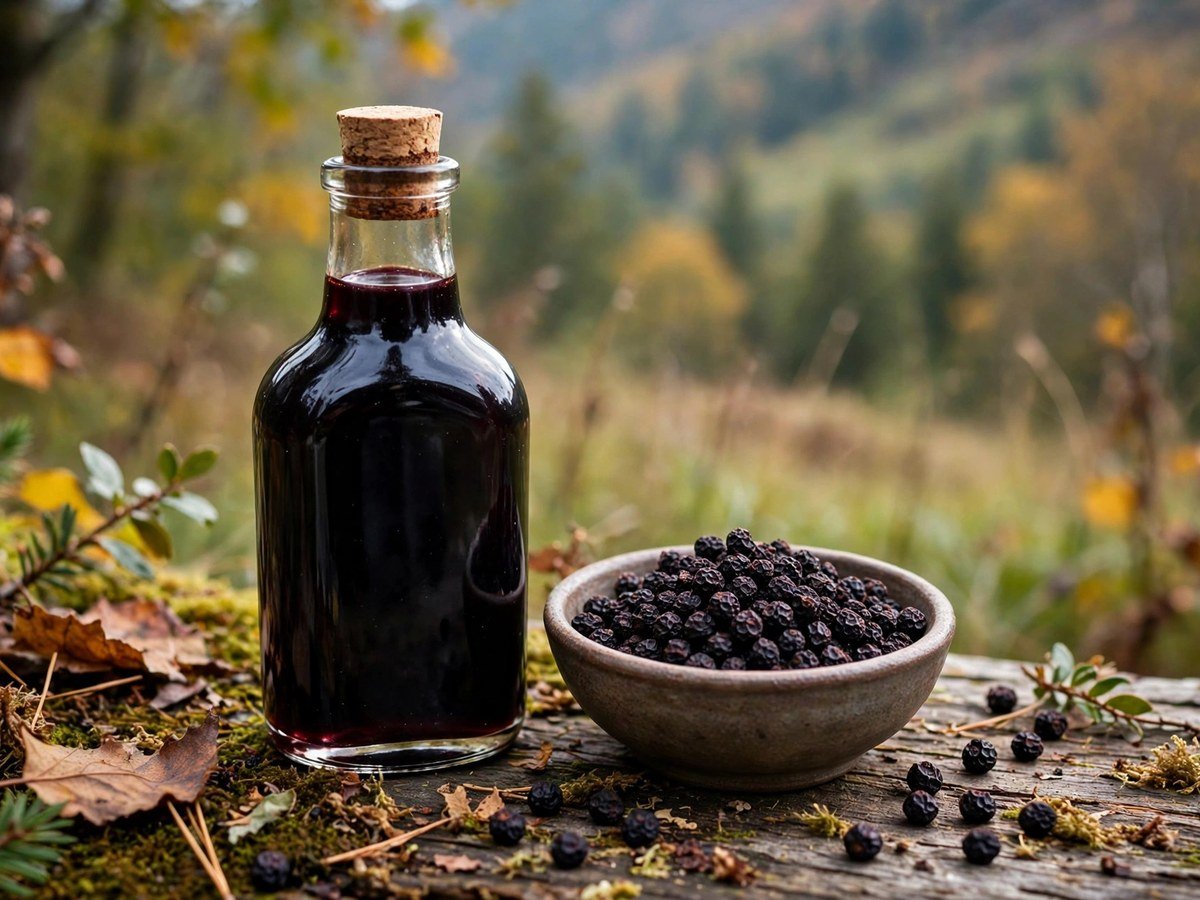
6. Elderberry Syrup
A spoonful of elderberry syrup is a beloved traditional winter tonic. Simmer dried elderberries with water, cinnamon, and cloves for about 45 minutes, strain, then stir in honey once cooled. Store in the fridge and take by the spoonful during cold season. Use only ripe, cooked berries — raw elderberries and other plant parts should never be eaten.
Practical Tips for Safe Homemade Remedies
Homemade does not mean careless. Always be certain of your plant identification — never use a plant you cannot positively identify. Start with small amounts to check for sensitivities, and keep good records of your recipes and results. Store dried herbs and finished remedies in labeled, dated jars away from heat and light. Most importantly, herbal remedies complement but do not replace professional care: see a healthcare professional for serious conditions, and check interactions if you are pregnant, nursing, or taking medication.
Label everything the day you make it, including the exact plants used and the date — memory fades faster than you think, and good records turn casual experimenting into real herbal knowledge. Share your extras with friends and neighbors; a small jar of salve or a bundle of dried tea makes a thoughtful, personal gift. And keep learning: a good herbal reference book or a local workshop will deepen your skills far beyond these first six recipes, opening the door to tinctures, infused honeys, and lip balms as your confidence grows.
Frequently Asked Questions
Are homegrown herbal remedies safe?
Common preparations like chamomile tea and calendula salve are very gentle, but “natural” does not automatically mean safe for everyone. Research each herb, start small, and consult a healthcare professional if you have health conditions or take medication.
How long do homemade remedies keep?
Dried herbs last about a year in airtight jars away from light. Salves keep up to a year, teas are best within six months of drying, and elderberry syrup lasts a few months refrigerated.
Can I use fresh herbs instead of dried?
Yes for teas — use about three times the amount of fresh herb as dried. For oil infusions and salves, dried herbs are safer because moisture in fresh plants can cause spoilage.
What equipment do I need to start?
Very little: a saucepan, a fine strainer, glass jars with lids, and small tins for salves. Most beginner remedies need nothing more specialized than a normal kitchen.
Where should I store finished remedies?
In clean, labeled, airtight containers in a cool, dark cupboard. Always label with the contents and the date made, and discard anything that smells off or looks moldy.
Conclusion
Your garden can be so much more than decoration — it can be your household’s first line of everyday comfort. Start with a simple tea or a small tin of salve, and let each success build your confidence. The remedies on your shelf will taste, smell, and feel like something no store can sell: care you grew yourself.