Small Space Gardening Hacks Every Apartment Owner Needs
Small Space Gardening Apartment Owner Needs. In fact, some of the most creative, beautiful, and productive gardens are grown in small spaces like balconies, patios, windowsills, fire escape corners, and sunny indoor rooms. Across the United States, more renters, condo owners, and apartment dwellers are discovering that you do not need a large backyard to grow herbs, vegetables, flowers, and even small fruiting plants. You just need the right small space gardening hacks.
Small space gardening is all about working smarter with the area you have. Instead of thinking horizontally like a traditional backyard gardener, apartment owners often need to think vertically, creatively, and efficiently. A narrow balcony can become a mini herb farm. A sunny kitchen window can grow fresh basil and green onions. A blank wall can support hanging planters. Even a tiny corner can become a relaxing green retreat with the right containers and plant choices.
The best part is that apartment gardening can be simple, affordable, and low-maintenance when you use practical strategies. Whether you are a beginner trying to keep your first plant alive or an experienced gardener downsizing to a smaller home, these small space gardening hacks will help you grow more with less room, less stress, and less effort.
Small Space Gardening Hacks Every Apartment Owner Needs
Small Space Gardening Hacks Every Apartment Owner Needs. Many people want fresh herbs, cleaner indoor air, a more peaceful home environment, and a stronger connection to nature. But busy schedules, limited square footage, and rental restrictions can make traditional gardening feel impossible.
That is where apartment gardening becomes powerful. It lets you enjoy the benefits of gardening without needing a yard. You can grow compact vegetables, fragrant herbs, colorful flowers, trailing vines, and easy-care houseplants in containers. You can move plants around as the seasons change. You can protect them from harsh weather more easily than outdoor garden beds. You can also create a garden that matches your lifestyle, whether that means a practical food garden or a cozy plant-filled balcony.
For many U.S. apartment owners, small space gardening is also a smart way to save money. Growing herbs like basil, mint, parsley, cilantro, rosemary, and thyme can reduce grocery waste because you harvest only what you need. Instead of buying a full bundle of herbs that spoils in the fridge, you can snip a few fresh leaves right from your kitchen or balcony.
Small space gardens are also easier to manage than large yards. There is less weeding, less watering, less soil to prepare, and fewer tools required. With the right setup, you can maintain a thriving apartment garden in just a few minutes a day. Read about Composting 101.
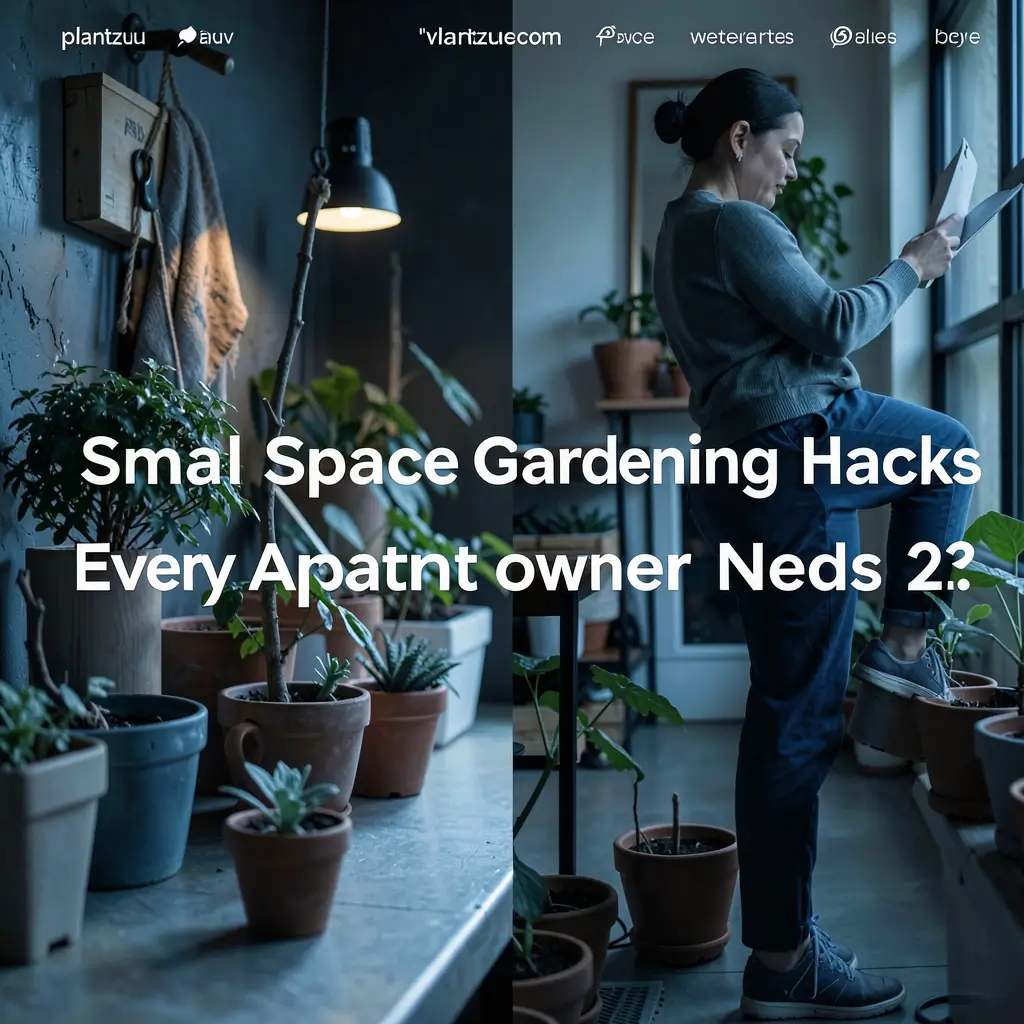
Small Space Gardening Hacks Every Apartment Owner Needs
read Small Space Gardening Hacks Every Apartment Owner Needs below:
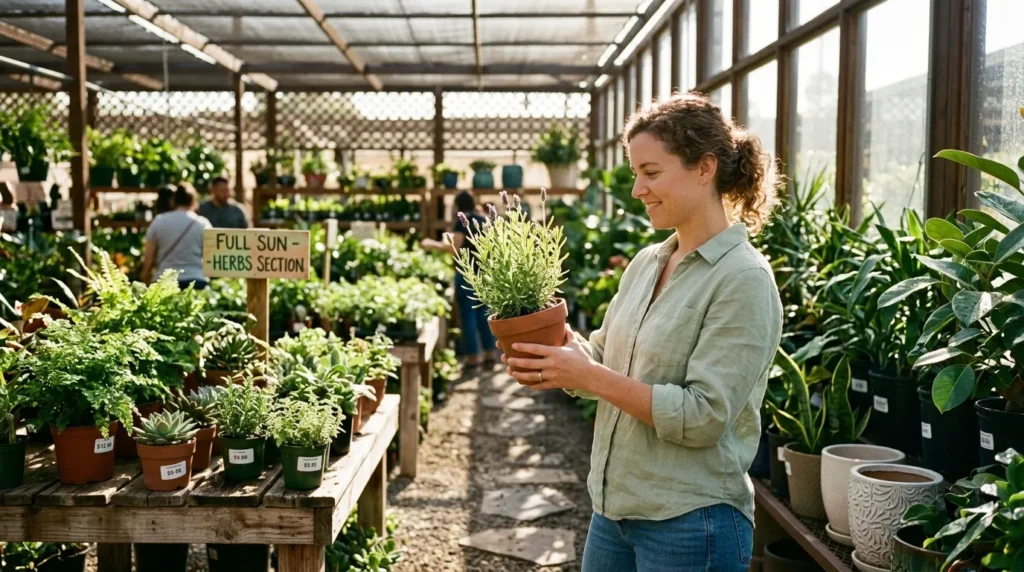
1. Start With Sunlight Before You Buy Plants
One of the biggest mistakes apartment gardeners make is buying plants before understanding their light conditions. In a small garden, every inch matters, so you want to choose plants that match the natural light your space already receives.
Spend a few days observing your apartment. Notice where sunlight enters, how long it stays, and whether it is direct or filtered. South-facing windows and balconies usually receive the strongest light in many parts of the United States. East-facing spaces often get gentle morning sun, which is great for herbs, leafy greens, and many flowers. West-facing balconies can get intense afternoon heat, especially in warmer states. North-facing windows usually provide lower light, which works better for shade-tolerant houseplants than sun-loving vegetables.
Once you know your light conditions, choose plants accordingly. Tomatoes, peppers, strawberries, lavender, and many vegetables need several hours of direct sun. Herbs like basil and rosemary also prefer bright light. Lettuce, spinach, parsley, mint, pothos, snake plants, and peace lilies can tolerate less intense conditions.
This simple sunlight check saves time, money, and frustration. A plant struggling in the wrong light will require constant attention and may still fail. A plant placed in the right light will grow more naturally with less effort.
2. Use Vertical Space Like a Pro
When floor space is limited, walls, railings, shelves, and ceilings become valuable garden real estate. Vertical gardening is one of the best small space gardening hacks for apartment owners because it lets you grow more plants without cluttering your living area.
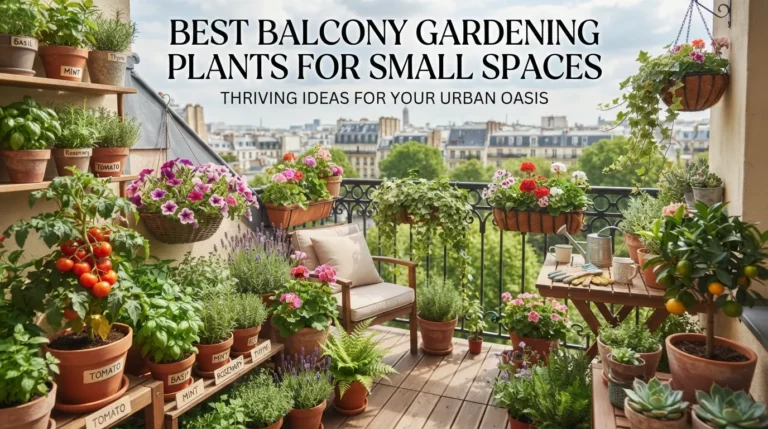
A vertical garden can be as simple as a tiered plant stand beside a window or as stylish as a wall-mounted planter system on a balcony. Hanging baskets work beautifully for trailing plants like ivy, pothos, strawberries, nasturtiums, and cherry tomatoes. Railing planters are especially useful for apartment balconies because they sit securely along the edge and keep the floor open.
Tall shelving units are another smart choice. You can arrange plants based on light needs, placing sun-loving plants on the top shelves and shade-tolerant plants below. A ladder shelf can turn a blank wall into a compact garden display. For renters, freestanding vertical planters are often better than wall-mounted systems because they do not require drilling.
Vertical gardening also improves airflow around plants, making disease problems less likely. It keeps plants organized, makes watering easier, and creates a lush visual effect even in a very small space.
3. Choose Containers That Work Hard
In small space gardening, containers are more than decorative accessories. They are the foundation of your garden. The right container can improve drainage, save space, reduce watering needs, and help plants grow stronger.
Always choose containers with drainage holes unless you are using a self-watering system designed for indoor use. Poor drainage is one of the fastest ways to kill apartment plants because roots sitting in water can rot quickly. If you love a decorative pot without holes, use it as a cover pot and place a smaller nursery pot inside.
For balconies and patios, lightweight containers are ideal. Fabric grow bags, resin pots, plastic planters, and lightweight fiberglass containers are easier to move than heavy clay or ceramic pots. This matters if you need to shift plants during storms, heat waves, or winter freezes.
Self-watering containers are excellent for busy apartment owners. They include a built-in reservoir that allows plants to absorb moisture as needed. This reduces daily watering and helps prevent both under-watering and over-watering. They are especially useful for herbs, leafy greens, and flowering annuals.
Window boxes, railing planters, stackable pots, and hanging containers are all great choices for maximizing space. For indoor gardening, narrow rectangular planters fit neatly on windowsills and countertops.
4. Grow Herbs First for Quick Success
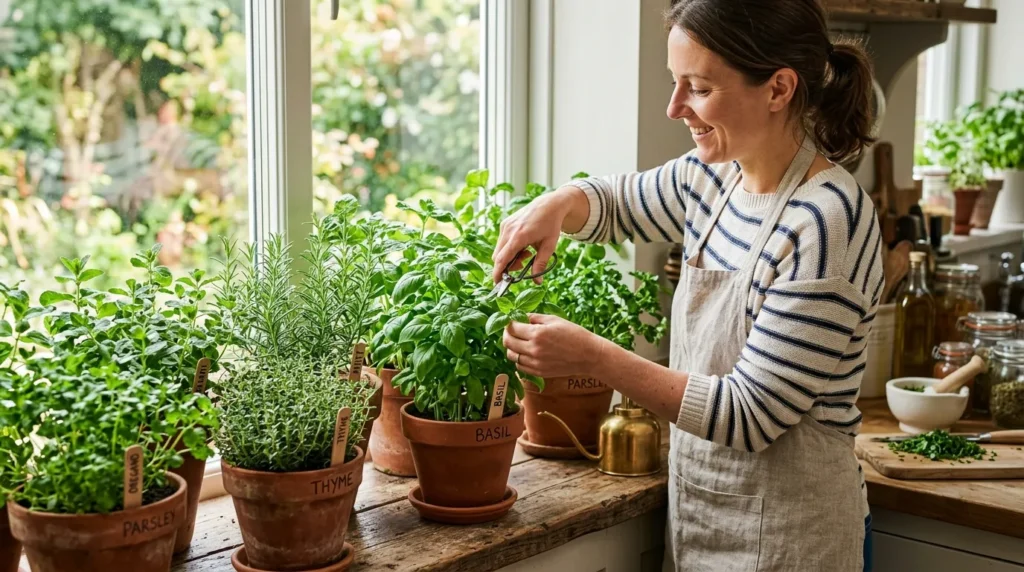
If you are new to apartment gardening, herbs are the perfect place to start. They are useful, attractive, fragrant, and generally easier to grow than many vegetables. They also do not require much space.
Basil is ideal for sunny windows and summer balconies. Mint grows quickly and does well in containers, though it should always be kept in its own pot because it spreads aggressively. Parsley and cilantro are great for cooking and can grow in moderate light. Rosemary, thyme, oregano, and sage prefer bright sun and drier soil, making them good choices for warm balconies and patios.
A small herb garden can fit on a kitchen windowsill, a balcony railing, or a compact tiered stand. Having fresh herbs nearby makes everyday cooking feel more enjoyable. Pasta, soups, salads, roasted vegetables, tacos, eggs, and grilled dishes all taste better with fresh herbs.
To keep herbs productive, harvest them regularly. Snipping leaves encourages fuller growth and prevents plants like basil from flowering too early. Instead of cutting entire stems randomly, pinch just above a leaf node so the plant branches out.
5. Pick Compact Vegetables for Small Spaces
Vegetable gardening is possible in apartments, but plant selection matters. Instead of choosing large garden varieties, look for compact, dwarf, patio, bush, or container-friendly types. These are bred to grow well in pots and smaller areas.
Cherry tomatoes are one of the most popular choices for balcony gardens. Compact tomato varieties can grow in containers with a cage or small trellis. Peppers also perform well in pots, especially on sunny balconies. Lettuce, spinach, arugula, kale, radishes, green onions, and microgreens are excellent for small spaces because they grow quickly and do not need deep containers.
Bush beans can grow in medium-sized pots, while cucumbers can work if you choose compact varieties and train them up a trellis. Strawberries are another apartment-friendly favorite. They grow well in hanging baskets, stackable planters, and railing containers.
The secret is to avoid overcrowding. A small container packed with too many plants may look exciting at first, but the plants will compete for water, nutrients, and airflow. Give each plant enough room to thrive, and your harvest will be much better.
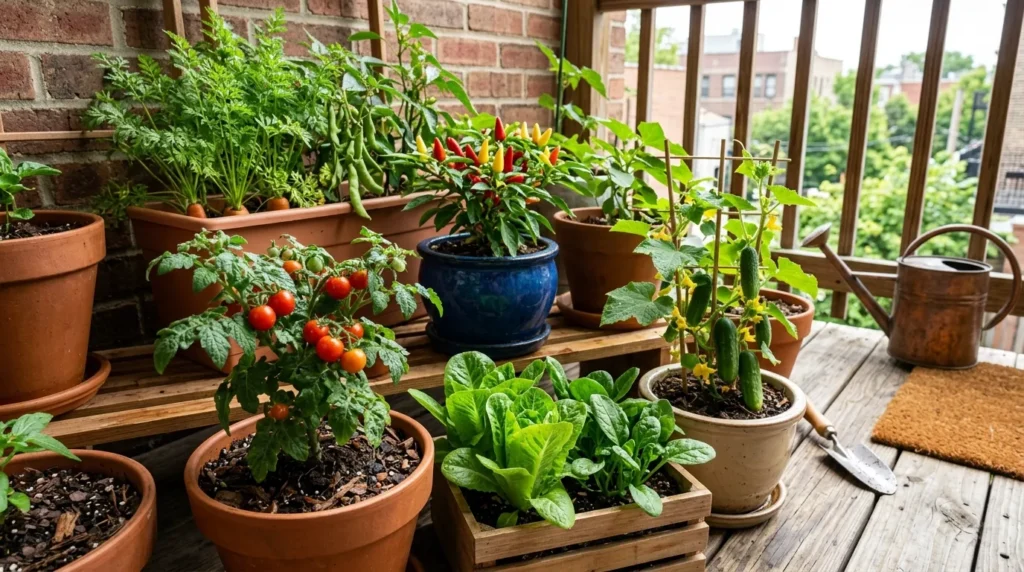
6. Use Multi-Purpose Furniture and Garden Stands
Apartment gardens need to blend with daily living. A balcony might also be your coffee spot, reading corner, or outdoor dining area. That is why multi-purpose furniture is a smart small space gardening hack.
A bench with storage can hold soil, gloves, plant food, and small tools while also giving you a place to sit. A narrow console table can become a potting station and plant display. A rolling cart can hold herbs, seedlings, and watering supplies, and you can move it indoors during bad weather.
Plant stands with multiple levels help keep containers off the floor and make your garden feel more designed. They also prevent clutter, which is important in small apartments. When plants are arranged intentionally, even a tiny space feels calm instead of crowded.
For indoor gardens, consider using a bar cart as a mobile plant station. It can hold herbs near a sunny window during the day and be moved when you need the space. This is especially helpful in studio apartments or small kitchens.
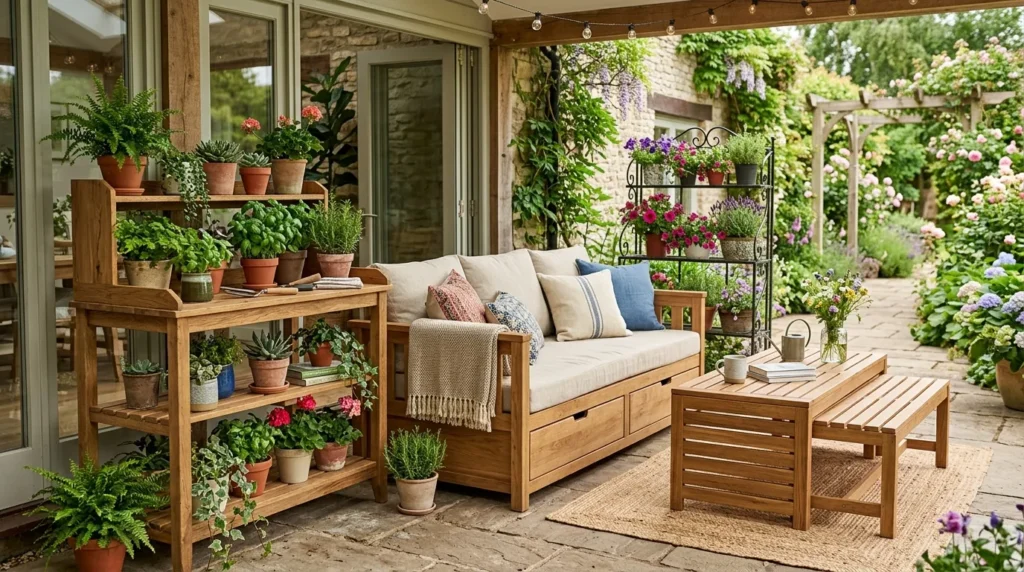
7. Make Watering Easier and Cleaner
Watering can become messy in apartments if you do not plan ahead. Indoor spills, balcony runoff, and dripping hanging baskets can quickly become annoying. The goal is to water efficiently without damaging floors, furniture, or neighboring balconies.
Use saucers under indoor pots to catch excess water, but do not let plants sit in standing water for long. Empty saucers after watering to prevent root problems and pests. For balcony plants, check your building rules. Some apartments restrict water runoff because it can drip onto lower balconies or walkways.
A small watering can with a narrow spout gives better control than a large outdoor can. For hanging baskets, a long-spout watering can or squeeze bottle can help you reach plants without spilling. Self-watering pots reduce mess because water goes into a reservoir instead of pouring through the soil immediately.
You can also group plants with similar watering needs together. Herbs like rosemary and thyme prefer drier conditions, while basil, lettuce, and mint need more consistent moisture. Keeping similar plants together makes your routine faster and prevents mistakes.
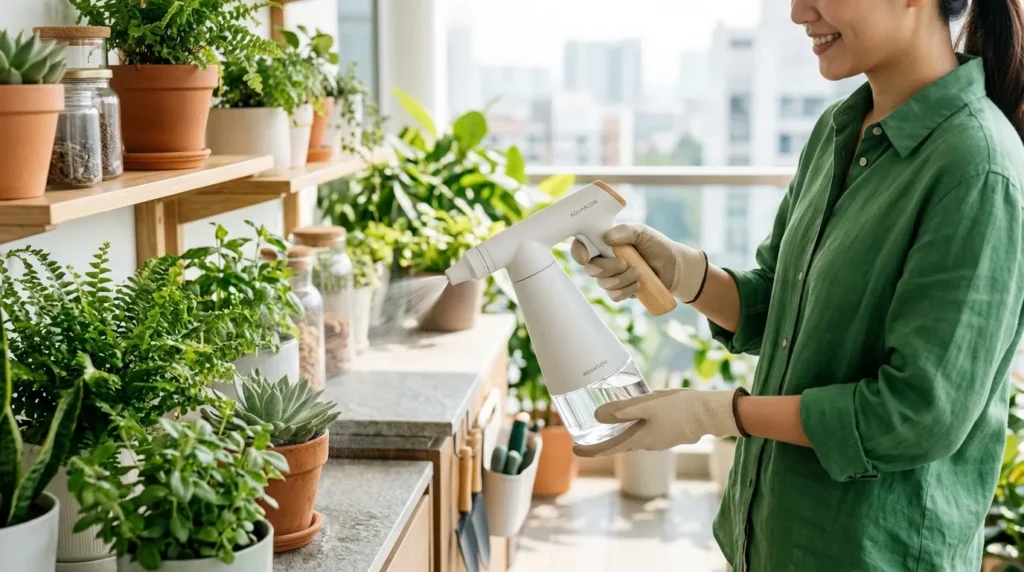
8. Improve Soil Without Making a Mess
Good soil is essential for container gardening. Regular garden soil is usually too dense for pots and may not drain well. Instead, use a high-quality potting mix designed for containers. It is lighter, drains better, and allows roots to breathe.
For vegetables and herbs, choose a potting mix that supports edible plants. You can refresh old potting mix by blending in compost, worm castings, or slow-release organic fertilizer. This helps restore nutrients without replacing all the soil.
Apartment owners often worry about storing large bags of soil. One hack is to keep soil in a sealed storage bin on the balcony, in a closet, or under a potting bench. A container with a tight lid keeps soil dry, prevents spills, and makes repotting easier.
When repotting indoors, lay down newspaper, cardboard, or a washable mat to catch dirt. A small scoop or measuring cup works better than a large shovel in tight spaces. After repotting, fold up the mat and pour extra soil back into the bin.
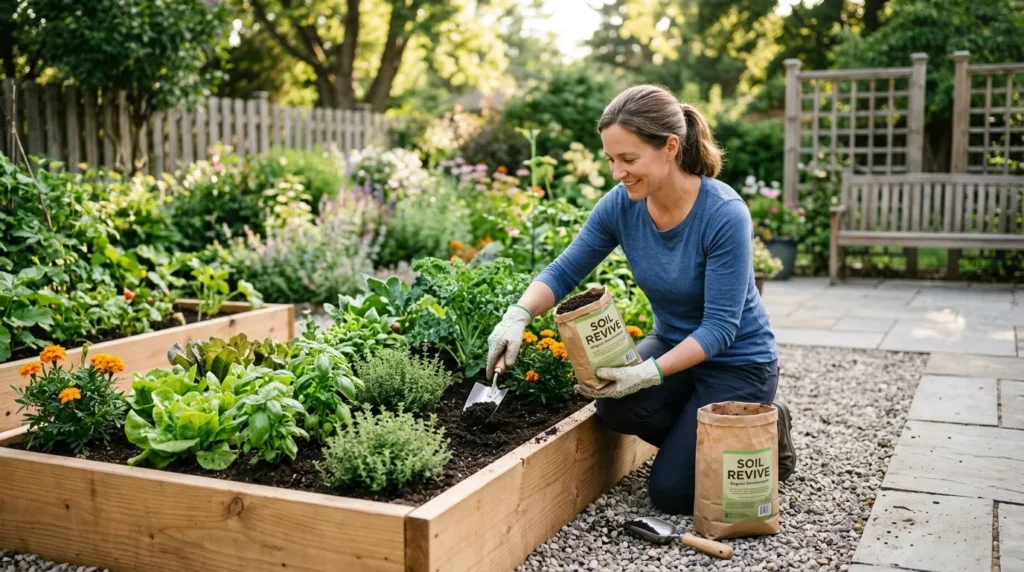
9. Try Microgreens for Fast Indoor Harvests
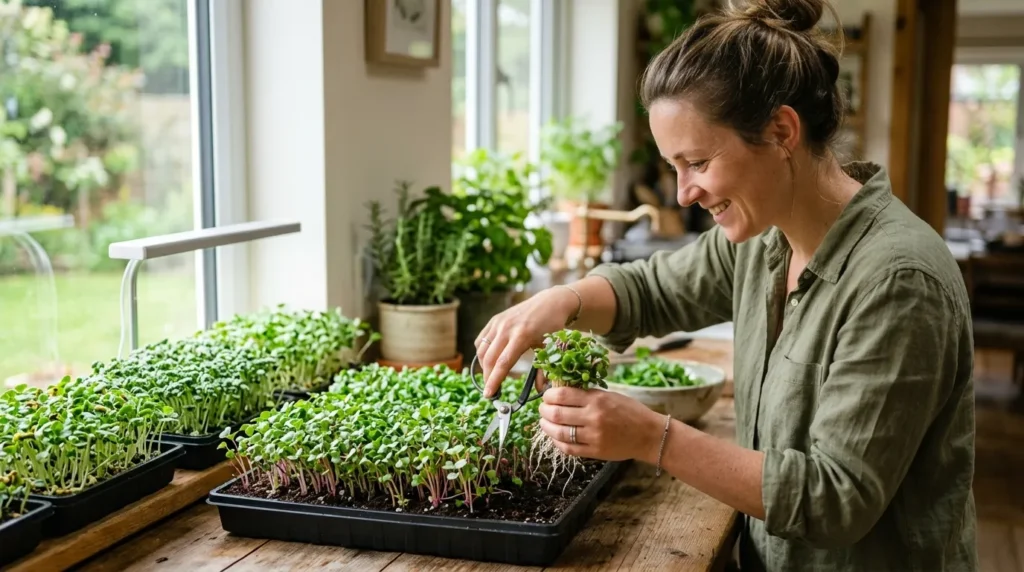
Microgreens are one of the easiest and fastest crops for apartment owners. They require very little space, grow indoors, and can be harvested in about one to three weeks depending on the variety.
You can grow microgreens in shallow trays on a windowsill or under a small grow light. Popular options include broccoli, radish, sunflower, pea shoots, mustard, kale, and arugula. They add flavor, color, and nutrition to sandwiches, salads, rice bowls, wraps, and omelets.
Microgreens are ideal for renters because they do not require heavy containers, outdoor space, or long-term maintenance. You only need a tray, growing medium, seeds, light, and water. Once harvested, you can start another batch right away.
For apartment gardeners who want quick results, microgreens are incredibly satisfying. They also help build confidence before moving on to larger herbs and vegetables.
10. Use Grow Lights When Natural Light Is Limited
Not every apartment has bright windows. Some units face shaded courtyards, nearby buildings, or north-facing streets. If your plants are stretching, leaning, or growing pale, they may need more light. Grow lights can solve this problem.
Modern LED grow lights are energy-efficient, compact, and available in many styles. You can use clip-on lights for a few herbs, under-shelf lights for a plant rack, or standing grow lights for a larger indoor garden. The key is to place the light close enough to benefit the plants without overheating them.
Grow lights are especially useful for herbs, microgreens, seedlings, succulents, and leafy greens. They also let you garden year-round, even during short winter days in colder U.S. regions.
A simple timer makes grow lights even easier. Set the light schedule once, and your plants receive consistent light every day without you having to remember.
11. Keep Pests Under Control Naturally
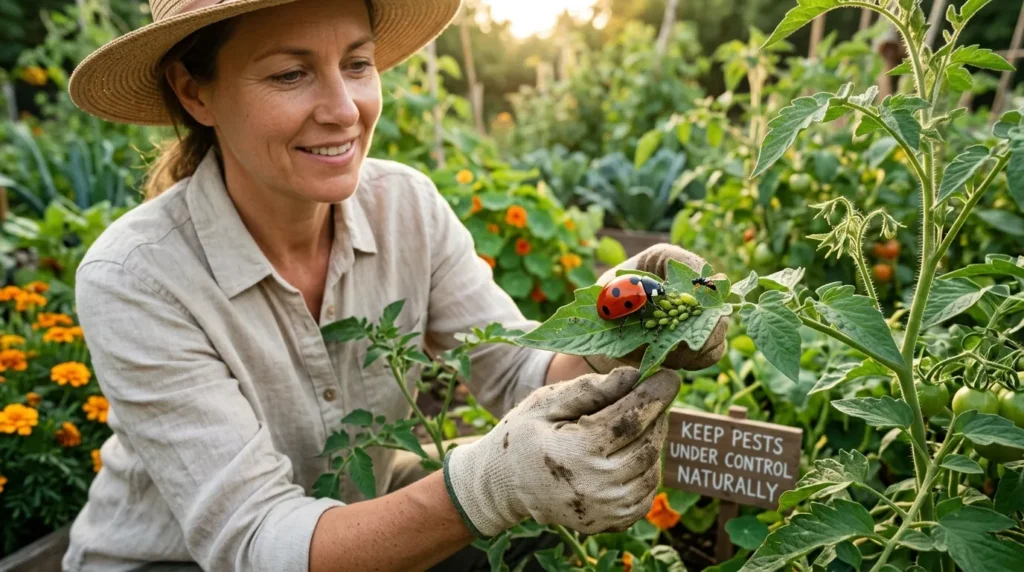
Even apartment gardens can attract pests. Indoor plants may get fungus gnats, spider mites, aphids, or mealybugs. Outdoor balcony plants may attract caterpillars, whiteflies, or ants. The best pest control hack is prevention.
Inspect new plants before bringing them home. Look under leaves, near stems, and around the soil surface. Keep plants healthy with proper light and watering because stressed plants are more vulnerable to pests. Avoid overwatering, which often leads to fungus gnats indoors.
If pests appear, act quickly. A gentle rinse can remove many insects from leaves. Sticky traps can help monitor flying pests. Neem-based sprays or insecticidal soap may help with common problems when used carefully according to label directions.
For edible plants, many gardeners prefer simple methods like pruning affected leaves, washing pests away, and improving airflow. The sooner you respond, the easier the problem is to manage.
12. Create a Balcony Garden That Feels Private
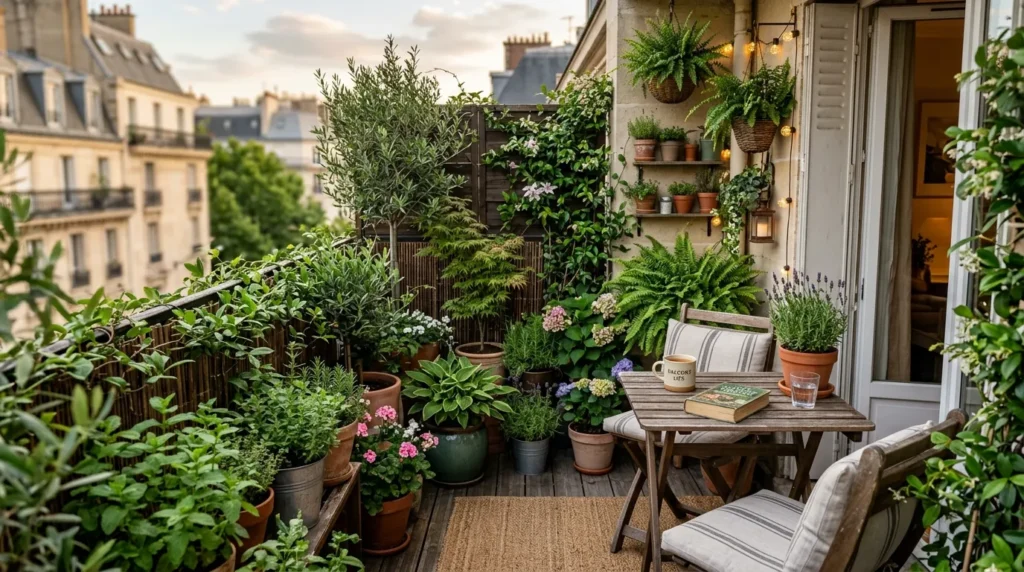
A balcony garden can do more than grow plants. It can create privacy, reduce noise, and make your apartment feel more relaxing. Tall plants, trellises, and railing planters can soften the view from neighboring buildings and busy streets.
Climbing plants like jasmine, clematis, morning glory, or compact climbing vegetables can grow on a trellis if your balcony gets enough light. Tall grasses in containers can create a natural screen. Hanging baskets at different heights add greenery without blocking floor space.
For a cozy look, combine plants with outdoor rugs, small seating, and warm lighting. Even a few containers can make a balcony feel like a private retreat. Just be sure to check your apartment or HOA rules before installing anything on railings, walls, or ceilings.
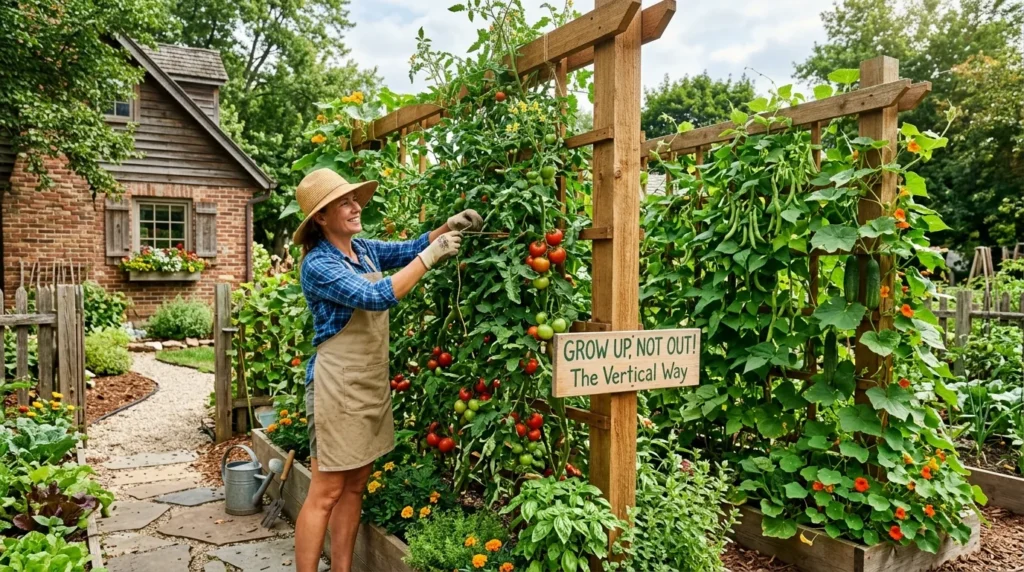
13. Grow Up, Not Out, With Trellises
Trellises are extremely useful in small space gardening. They allow climbing plants to grow vertically instead of spreading across the floor. This saves space and improves airflow.
A compact trellis can support peas, beans, cucumbers, small melons, nasturtiums, and vining flowers. For balcony tomatoes, a cage or stake keeps plants upright and easier to manage. Indoor climbing plants like pothos, philodendron, and hoya can be trained on moss poles or small supports.
Trellises also add structure and beauty. They make your apartment garden look intentional, even when space is limited. Choose lightweight trellises for containers and make sure they are stable enough to handle wind if used outdoors.
14. Practice Succession Planting in Containers
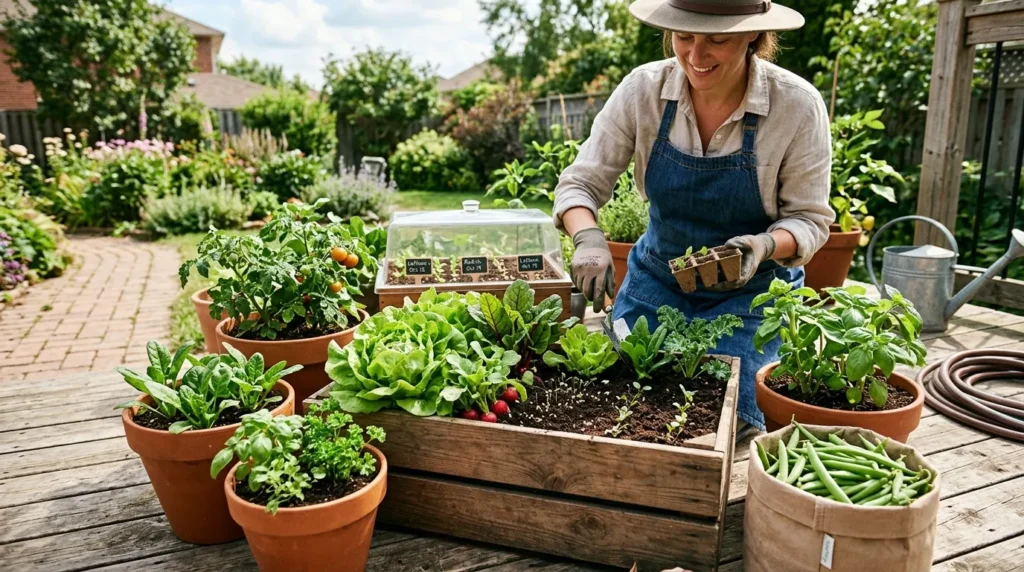
Succession planting means growing crops in stages instead of planting everything at once. This is a valuable hack for apartment gardeners because it keeps your small space productive over time.
For example, you can plant lettuce every two weeks for a steady supply instead of harvesting one large batch all at once. After radishes are harvested, you can reuse the container for herbs or leafy greens. When summer basil fades, you can switch to cool-season parsley or spinach.
This method works well for fast-growing crops like lettuce, arugula, radishes, green onions, cilantro, and microgreens. It prevents wasted space and keeps your garden interesting throughout the year.
In small gardens, every container should have a purpose. Succession planting helps you get more value from each pot.
15. Use Kitchen Scraps to Regrow Easy Edibles
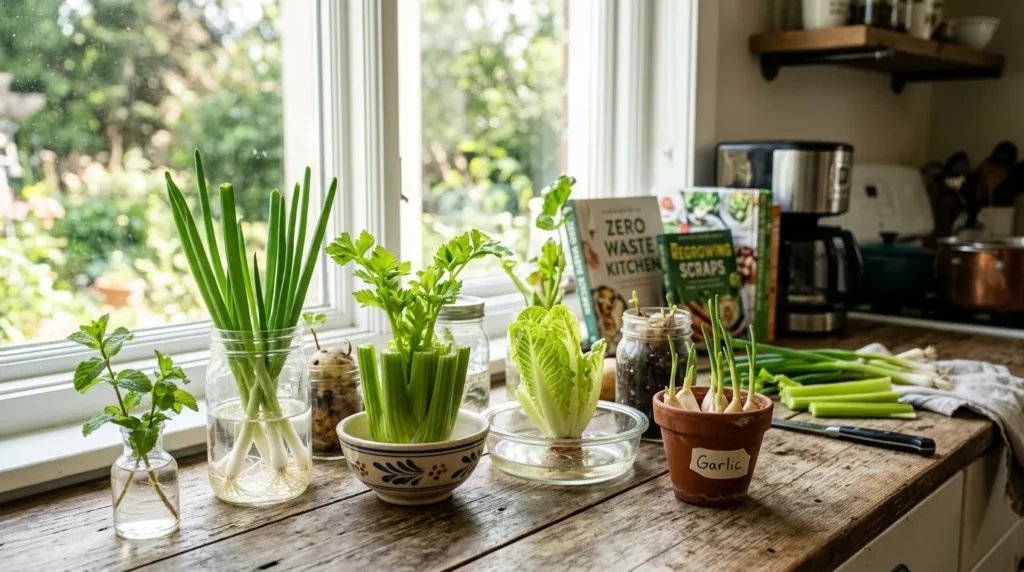
Some kitchen scraps can regrow into useful edible plants. This is a fun, budget-friendly hack for apartment owners, especially beginners.
Green onions are the easiest. Place the white root ends in a small glass of water near a bright window, and new green shoots will grow quickly. Romaine lettuce bases, celery ends, and bok choy stems can also regrow small leaves in water before being transferred to soil.
Herbs like basil and mint can sometimes root from cuttings. Place a healthy stem in water, wait for roots to form, then plant it in a small pot.
This method will not replace a full vegetable garden, but it is a simple way to reduce waste and enjoy small harvests from items you already bought.
16. Keep Your Garden Lightweight and Safe
Apartment gardening requires attention to weight and safety. Balconies have weight limits, and heavy containers filled with wet soil can add up quickly. Before creating a large balcony garden, review building guidelines or ask management if needed.
Choose lightweight potting mix and containers whenever possible. Fabric grow bags are excellent because they are lighter than ceramic pots and provide good airflow to roots. Resin and plastic planters are also practical for balconies.
Avoid placing heavy pots on railings unless the planter is specifically designed and secured for that purpose. Wind can be a serious issue on higher floors, so use stable containers and avoid top-heavy arrangements. Hanging baskets should be attached securely and follow building rules.
A safe garden is easier to enjoy. The goal is to create beauty without creating hazards.
17. Make a Simple Apartment Gardening Routine
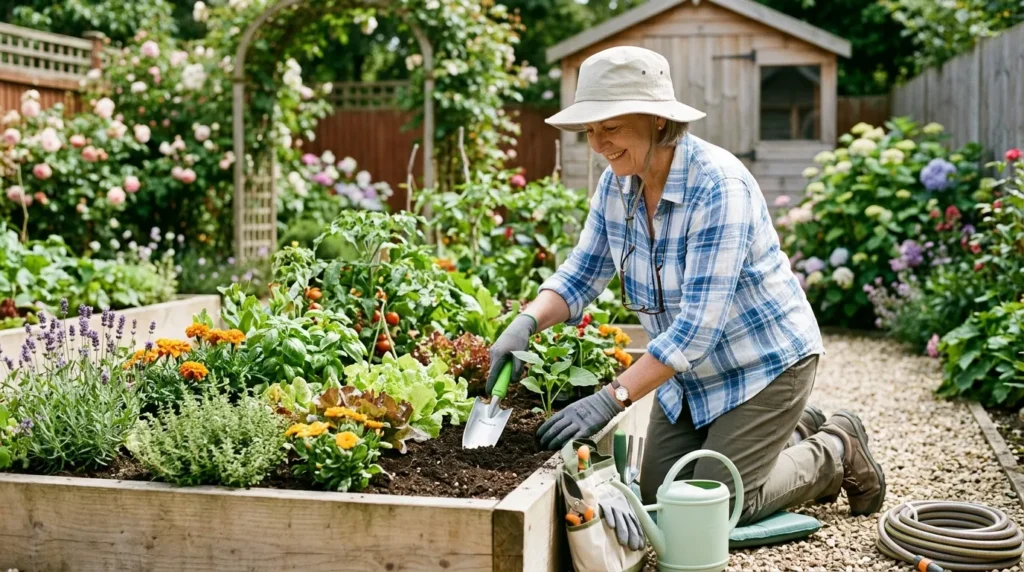
The easiest garden to maintain is one with a simple routine. Apartment owners often have busy schedules, so a complicated plant care system can quickly become overwhelming.
Set aside a few minutes each morning or evening to check your plants. Look for dry soil, yellowing leaves, pests, or signs of stress. Rotate indoor plants occasionally so they grow evenly. Harvest herbs before they become leggy. Remove dead leaves before they attract pests.
A small weekly routine also helps. Water deeply when needed, wipe dusty indoor leaves, check plant supports, and refresh any containers that look tired. Keeping up with small tasks prevents bigger problems later.
Gardening should feel relaxing, not like another stressful chore. A simple routine keeps your plants healthy and your space enjoyable.
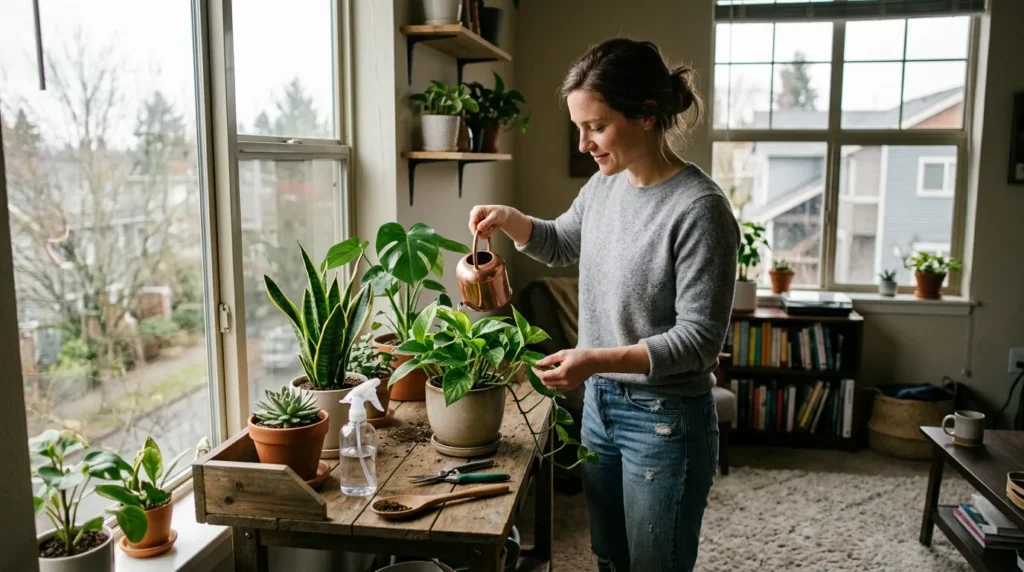
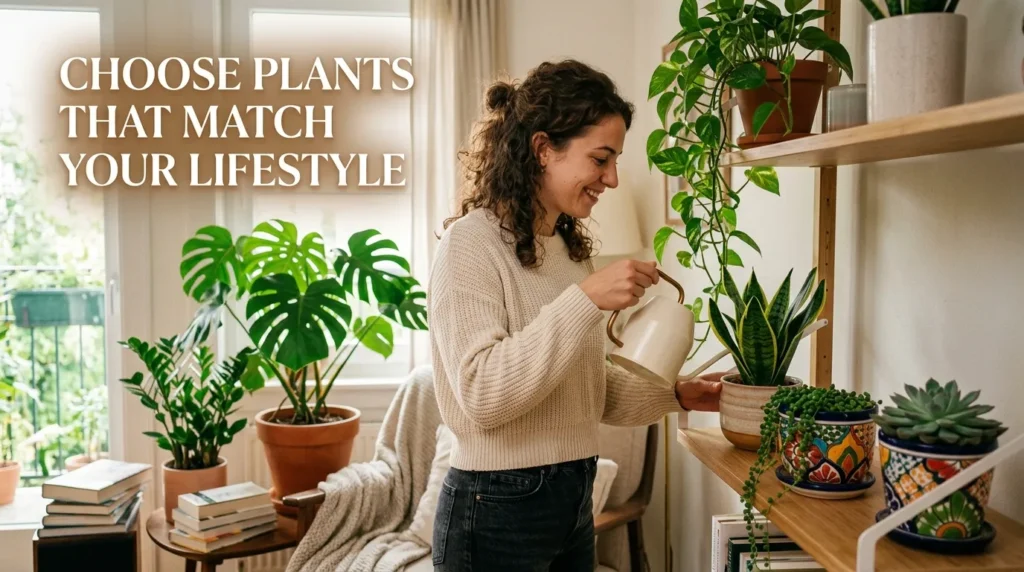
18. Choose Plants That Match Your Lifestyle
One of the smartest small space gardening hacks is choosing plants based on how much time you realistically have. If you travel often or forget to water, choose drought-tolerant plants like snake plants, ZZ plants, succulents, rosemary, lavender, or thyme. If you enjoy daily care, try herbs, vegetables, and flowering annuals.
If you have pets, be careful with plant selection because some common houseplants can be unsafe for cats and dogs. If you have children, choose sturdy plants that can handle a little curiosity.
Your garden should fit your life. A low-maintenance plant that thrives is better than a high-maintenance plant that constantly struggles. When you choose plants that match your schedule, climate, and home environment, gardening becomes much more enjoyable.
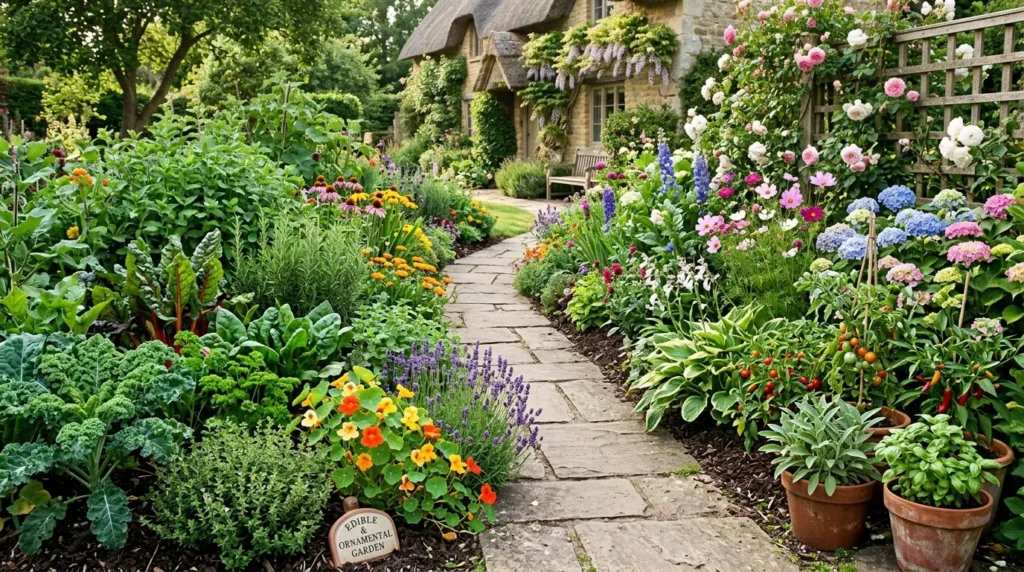
19. Decorate With Edible and Ornamental Plants Together
Small space gardens should be both useful and beautiful. You do not have to choose between vegetables and flowers. Mixing edible and ornamental plants can make your apartment garden more attractive while maximizing limited space.
Basil looks beautiful next to marigolds. Lettuce can create a colorful container display with pansies. Nasturtiums are edible, cheerful, and great for trailing over the edges of pots. Swiss chard has colorful stems that look ornamental while still being useful in the kitchen.
This approach is especially helpful for balcony gardens where every container is visible. By combining beauty and function, your garden becomes part of your home decor.
20. Refresh Your Garden Seasonally
Apartment gardens change with the seasons. In spring, you might start herbs, lettuce, pansies, and seedlings. In summer, tomatoes, peppers, basil, flowers, and balcony vines can shine. In fall, cool-season greens, mums, ornamental kale, and herbs can keep the space fresh. In winter, indoor herbs, microgreens, and houseplants can maintain your connection to gardening.
Seasonal refreshing prevents your small garden from feeling stale. It also allows you to work with the weather instead of fighting it. In hotter states, summer balcony gardening may require shade cloth or heat-tolerant plants. In colder northern states, indoor gardening and grow lights may become more important during winter.
A flexible garden is easier to maintain because it adapts to your environment.
21. Store Tools Without Taking Over Your Apartment
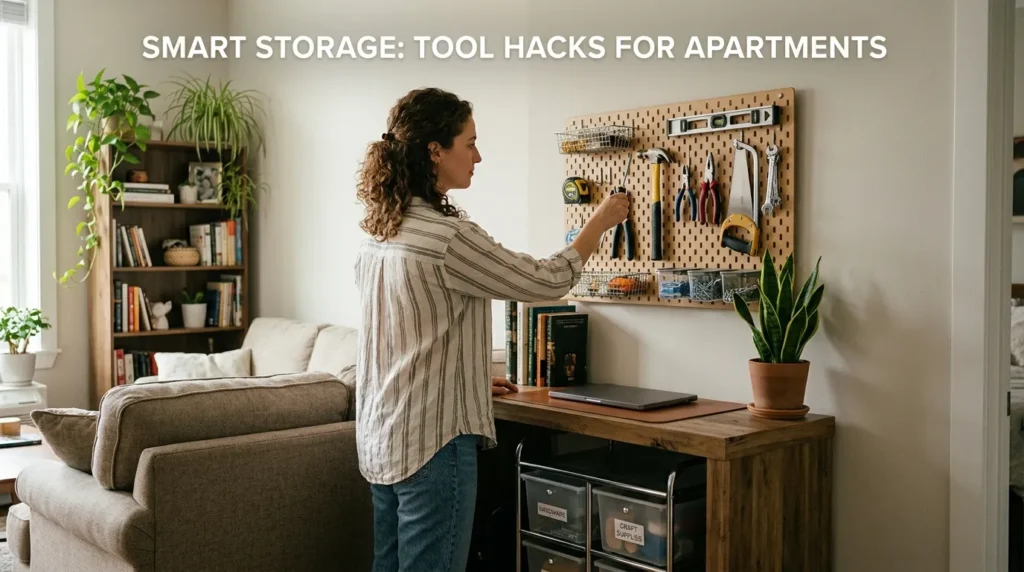
You do not need a garage or shed to garden successfully. Most apartment gardens can be maintained with a small set of tools: hand pruners, a trowel, gloves, a watering can, plant ties, scissors, and a small scoop.
Store tools in a compact basket, rolling cart, storage bench, or lidded bin. Keep frequently used items near your plants so maintenance feels easy. For indoor gardens, a decorative box can hide supplies while keeping them accessible.
Avoid buying too many tools at the beginning. Start with basics and add only what you truly need. Small space gardening works best when your supplies stay simple and organized.
22. Turn Your Small Garden Into a Relaxing Space
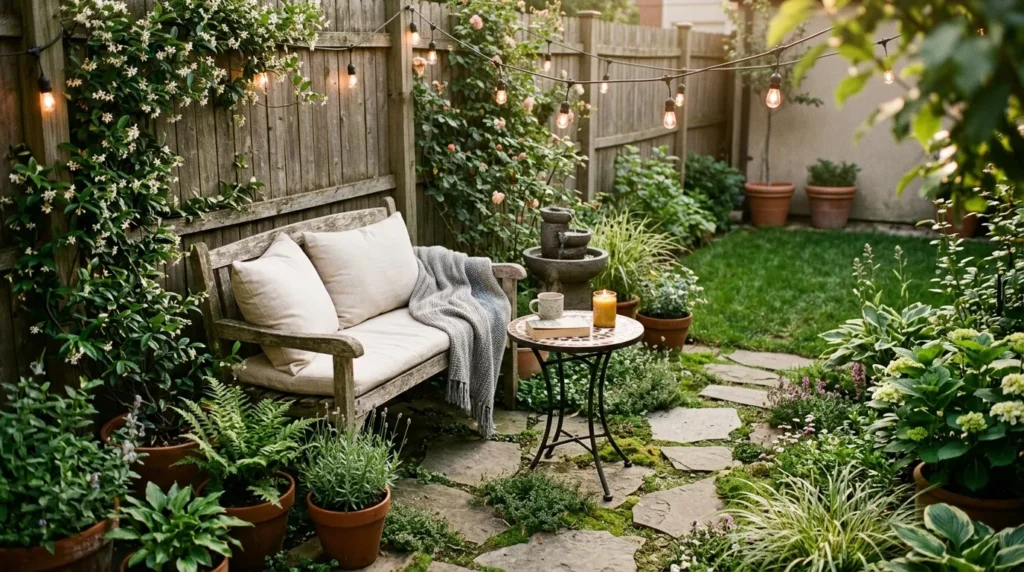
Apartment gardening is not only about growing food or decorating a balcony. It is also about creating a peaceful environment. Plants can make a small home feel softer, fresher, and more inviting.
Add a comfortable chair near your balcony garden. Place herbs where you can smell them when the breeze moves through. Grow flowers that make you happy. Use plant stands to create layers and visual interest. Add warm outdoor lights if your building allows them.
Even indoors, a few plants near a reading corner, desk, or kitchen window can change the mood of your home. A small garden gives you a daily reason to slow down, observe, and enjoy something living.
Conclusion: Small Space Gardening Is About Creativity, Not Square Footage
You do not need a backyard to become a successful gardener. With the right small space gardening hacks, any apartment owner can grow herbs, vegetables, flowers, and beautiful greenery in limited space. The key is to understand your light, choose the right containers, use vertical space, select compact plants, and build a simple routine that fits your lifestyle.
Apartment gardening is practical, creative, and deeply rewarding. A sunny windowsill can become a fresh herb station. A balcony railing can support colorful flowers or strawberries. A plant shelf can turn a blank wall into a living display. Even a small kitchen counter can produce microgreens and regrown green onions.
The best apartment gardens are not the biggest ones. They are the ones designed thoughtfully around real life. By growing upward, choosing low-maintenance plants, watering wisely, and refreshing your space seasonally, you can enjoy the beauty and benefits of gardening no matter how small your home may be.
Small space gardening proves that greenery belongs everywhere. Whether you live in a city apartment, suburban condo, studio, or high-rise, your garden can begin with one pot, one plant, and one smart idea.