Composting 101 Turn Waste into Garden Gold
Composting 101 Turn Waste into Garden Gold is one of the simplest and most rewarding ways to improve your garden while reducing household waste. Every day, kitchens across the United States throw away fruit peels, vegetable scraps, coffee grounds, eggshells, and other organic materials that could be transformed into rich, earthy compost. Instead of sending those valuable nutrients to the trash, composting gives them a second life in your garden.
For gardeners, compost is often called “garden gold” because of what it can do for soil. It improves texture, supports healthy plant growth, helps soil hold moisture, and encourages beneficial organisms underground. Whether you grow vegetables, flowers, herbs, houseplants, shrubs, or a backyard lawn, compost can make your plants stronger and your soil healthier.
The best part is that composting does not have to be complicated. You do not need a large farm, expensive equipment, or years of gardening experience. You can compost in a backyard, on a patio, in a small bin, or even indoors with the right system. Once you understand the basics, composting becomes a natural part of everyday life.
This beginner-friendly guide will walk you through everything you need to know about composting, including what compost is, how it works, what materials to use, what to avoid, and how to turn everyday waste into nutrient-rich garden gold.
What Is Composting?
Composting is the natural process of breaking down organic materials into a dark, crumbly, soil-like substance called compost. This process happens in nature all the time. Leaves fall from trees, plants die back, and microorganisms slowly break them down into nutrients that return to the soil.
A compost pile or compost bin simply helps that natural process happen in a controlled and useful way. When you combine the right ingredients, provide moisture, and allow airflow, tiny organisms begin breaking down the material. Over time, food scraps, yard waste, and other organic matter become finished compost.
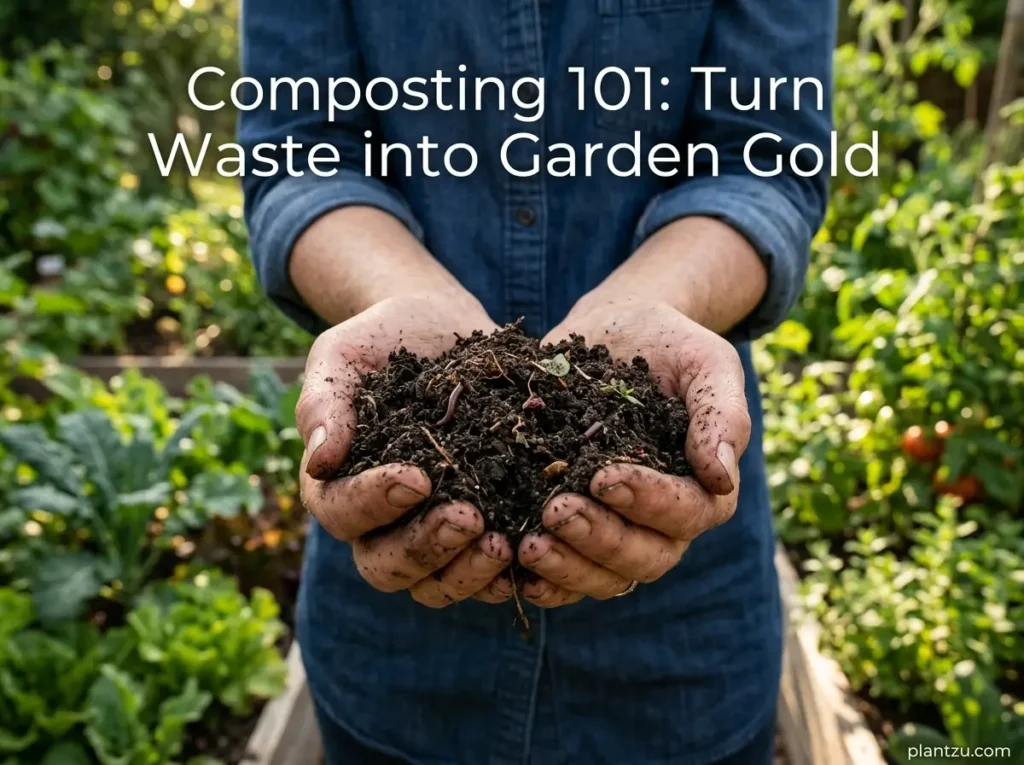
Finished compost has an earthy smell and a loose texture. It should not smell rotten or look like fresh food scraps. When compost is ready, it can be mixed into garden beds, spread around plants, added to containers, or used to improve lawns. Read Prepare Your Garden for Summer.
Composting is both practical and environmentally friendly. It keeps organic waste out of the garbage and turns it into something valuable for your home landscape. For anyone interested in gardening, sustainability, or reducing waste, composting is a smart place to start.
Why Composting Matters
Composting matters because it connects everyday household habits with healthier soil and a healthier environment. Food scraps and yard waste may seem like trash, but they are full of nutrients. When thrown away, they are wasted. When composted, they become a powerful soil amendment.
For U.S. households, waste reduction is one of the biggest benefits. Many families throw away organic materials every week without realizing how useful they can be. Composting helps reduce the amount of trash that leaves your home, which can also reduce odors in garbage cans and limit the need for extra trash bags.
Composting also benefits your garden. Many soils in the United States can be challenging. Some are sandy and drain too quickly. Others are heavy clay and hold too much water. Compost helps improve both. In sandy soil, it helps retain moisture and nutrients. In clay soil, it improves structure and drainage.
Healthy soil is the foundation of healthy plants. When soil contains organic matter, roots can grow more easily, water is managed better, and beneficial microbes thrive. Compost supports this living system naturally.
Composting can also save money. Instead of buying as much bagged soil amendment or fertilizer, gardeners can create their own nutrient-rich material at home. While compost is not a complete replacement for every fertilizer need, it is one of the best ways to build long-term soil health.
How Composting Works
Composting works through decomposition. Decomposition is the breakdown of once-living materials by microorganisms, fungi, insects, worms, and other tiny decomposers. These organisms feed on organic matter and transform it into compost.
For composting to work well, a pile needs four main ingredients: green materials, brown materials, moisture, and air.
Green materials are usually moist and rich in nitrogen. These include fruit scraps, vegetable peels, coffee grounds, fresh grass clippings, and plant trimmings. Brown materials are usually dry and rich in carbon. These include dried leaves, straw, shredded paper, cardboard, twigs, and wood chips.
Moisture helps microorganisms stay active. A compost pile should feel like a wrung-out sponge. It should be damp but not soaking wet. Air is also important because the best composting process needs oxygen. Turning the pile or choosing a bin with airflow helps keep the process moving.
When these elements are balanced, the pile heats up and begins to break down. Some compost systems work quickly, while others take several months. The timeline depends on the materials used, the size of the pile, the weather, and how often it is turned.
Greens and Browns: The Secret to Good Compost
One of the most important composting basics is learning the difference between greens and browns. Many compost problems happen because the pile has too much of one and not enough of the other.
Greens provide nitrogen, which helps microorganisms grow and work quickly. Common green materials include vegetable scraps, fruit peels, coffee grounds, tea leaves, fresh grass clippings, fresh plant cuttings, and old flowers.
Browns provide carbon, which gives structure to the pile and helps prevent bad smells. Common brown materials include dry leaves, shredded cardboard, paper towel rolls, newspaper, straw, pine needles, sawdust from untreated wood, small twigs, and dry plant stems.
A good compost pile usually needs more browns than greens. If a pile smells bad, it often has too many greens or too much moisture. Adding dry leaves, shredded cardboard, or straw can help restore balance. If the pile is not breaking down at all, it may need more greens, water, or turning.
The easiest method is to add a layer of browns whenever you add kitchen scraps. For example, after adding vegetable peels to your bin, cover them with dry leaves or shredded paper. This helps control odor, discourages pests, and keeps the pile balanced.
What You Can Compost
A beginner compost system works best when you start with simple, safe materials. Many everyday kitchen and yard items are excellent for composting.
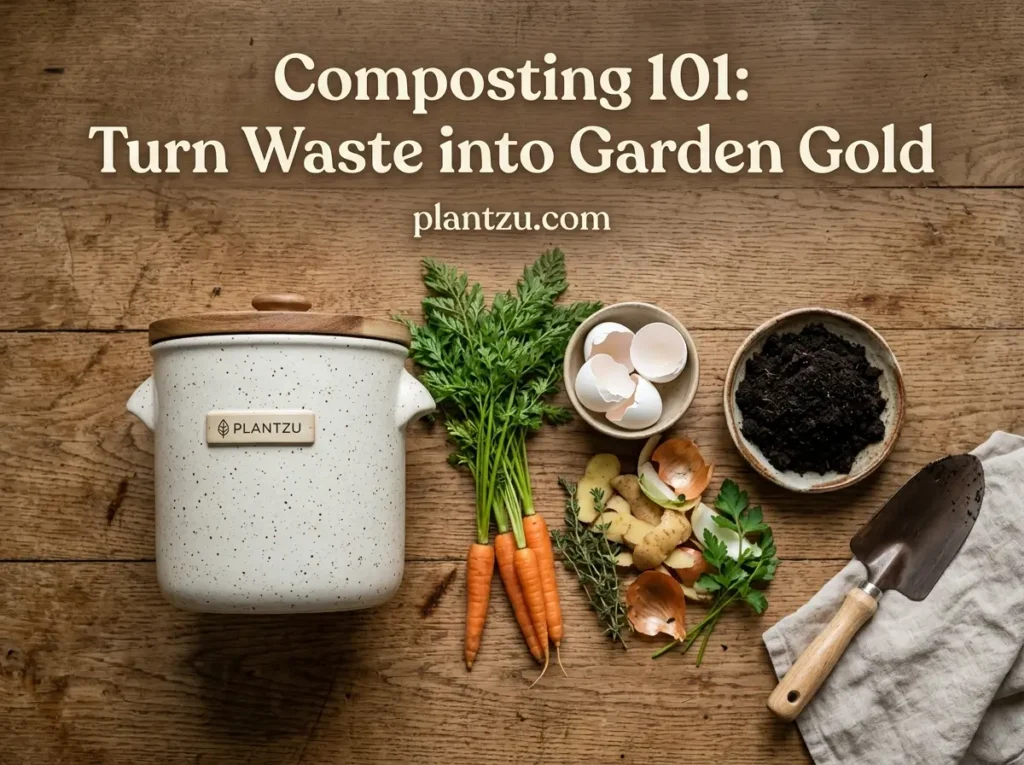
Good kitchen materials include fruit and vegetable scraps, coffee grounds, coffee filters, tea leaves, crushed eggshells, corn cobs, stale bread in small amounts, plain cooked grains in small amounts, and nutshells. These items break down over time and add nutrients to the pile.
Good yard materials include dry leaves, grass clippings, plant trimmings, small twigs, old flowers, pine needles, straw, and untreated wood chips. Yard waste is especially useful because it provides many of the brown materials needed for balance.
Paper products can also be composted if they are plain and not glossy. Shredded newspaper, paper towel rolls, cardboard egg cartons, brown paper bags, and uncoated cardboard can all be used. These should be torn or shredded into smaller pieces so they break down faster.
The key is variety. A compost pile with many different materials usually breaks down better than a pile made from only one type of waste.
What Not to Compost
Knowing what not to compost is just as important as knowing what to add. Some materials can attract pests, create bad smells, spread disease, or introduce unwanted chemicals.
Avoid adding meat, fish, bones, dairy products, oily foods, greasy leftovers, pet waste from cats or dogs, diseased plants, weeds with mature seeds, glossy paper, plastic, metal, glass, and treated wood. These items can cause problems in a home compost system.
It is also wise to be careful with large amounts of citrus peels, onions, and strong-smelling foods. Small amounts are usually fine, but too much can slow decomposition or create odors.
If you use lawn chemicals, avoid composting grass clippings from treated lawns until you are sure they are safe. Chemical residues can affect the compost and may harm sensitive plants.
A clean compost pile starts with smart choices. When in doubt, leave questionable items out.
Choosing the Right Composting Method
There are several ways to compost, and the best method depends on your space, lifestyle, and gardening goals. Homeowners with yards may prefer an outdoor compost pile or bin. Apartment dwellers may prefer a compact indoor system or a community composting option.
A backyard compost pile is one of the simplest methods. You choose a spot in the yard and build a pile with layers of greens and browns. This method is low-cost and works well for people with enough outdoor space.
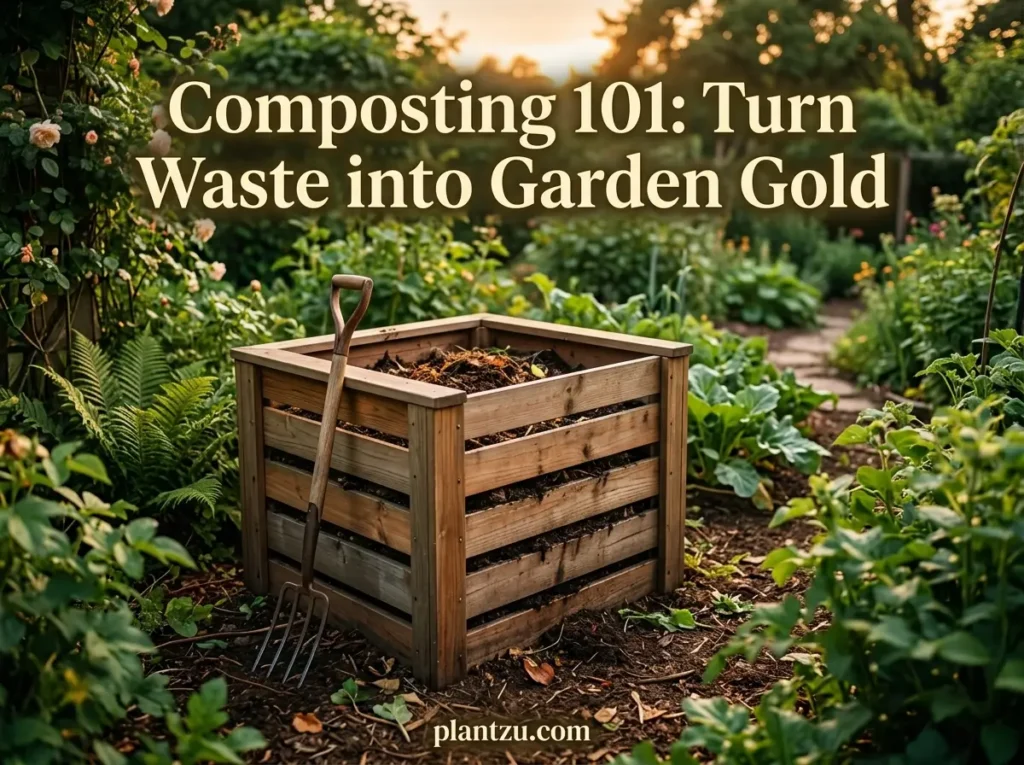
A compost bin keeps materials contained and can look neater than an open pile. Bins can be made from wood, wire, plastic, or purchased as ready-made systems. They are useful for suburban yards where appearance and pest control matter.
A compost tumbler is a closed container that rotates. Tumblers make turning easier and can speed up decomposition when managed well. They are popular for homeowners who want a cleaner and more controlled system.
Indoor composting can work for people with limited outdoor space. Worm composting, also called vermicomposting, uses worms to break down food scraps in a bin. It can be a great option for apartments, classrooms, and small homes when maintained properly.
Some cities and neighborhoods also offer compost pickup or drop-off programs. These are helpful for people who want to reduce food waste but do not have the space or time to manage compost at home.
How to Start Composting at Home
Starting a compost system is easier than many people expect. First, choose your composting method. If you have a yard, a bin or pile in a partly shaded area is a good starting point. Choose a location that is convenient but not directly against your house.
Next, collect brown materials. This is important because many beginners have plenty of kitchen scraps but not enough browns. Dry leaves, shredded cardboard, and paper towel rolls are great starter materials.
Begin your pile with a layer of browns. Then add greens, such as fruit and vegetable scraps. Cover the greens with more browns. Continue layering as you collect materials.
Keep the pile moist but not soggy. If it feels dry and dusty, add water. If it feels wet and smells unpleasant, add more browns and turn it to bring in air.
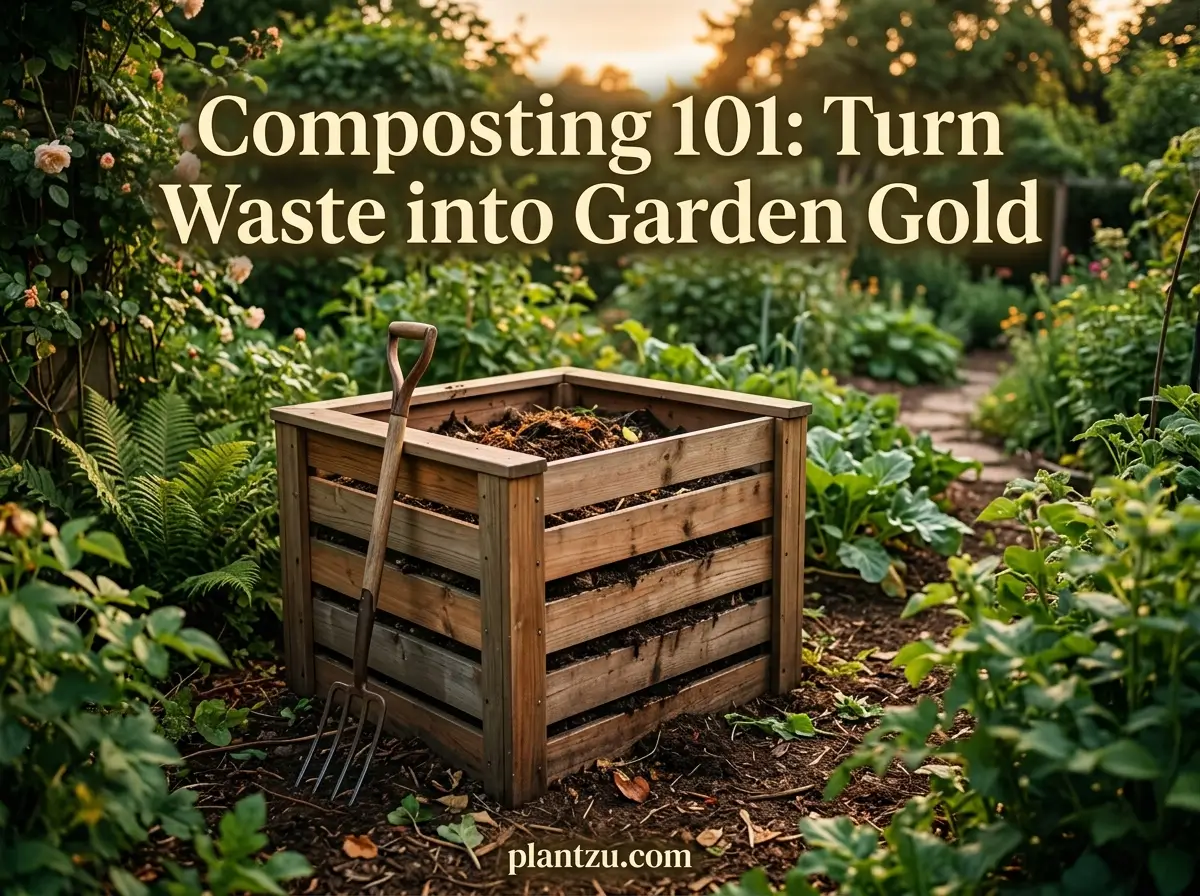
Turn the pile occasionally with a garden fork or shovel. Turning mixes the materials, adds oxygen, and speeds up decomposition. Some people turn their pile weekly, while others turn it less often. More turning usually means faster compost.
Over time, the materials will shrink, darken, and become crumbly. That is the transformation from waste to garden gold.
Composting in Small Spaces
You do not need a large backyard to compost. Small-space composting is possible for apartment residents, condo owners, renters, and people with patios or balconies.
A small outdoor bin can fit on a patio if it is managed carefully. Choose a sealed container with ventilation and keep a balance of greens and browns to prevent odors. A compost tumbler may also work for small yards or patios.
Worm composting is a popular indoor option. Red wiggler worms eat food scraps and produce worm castings, which are excellent for plants. A worm bin does not need much space, but it does require the right moisture, bedding, and food balance.
Another option is a countertop food scrap container combined with a local compost drop-off site. Many farmers markets, community gardens, and municipal programs accept food scraps. This allows you to compost without managing the full process at home.
Small-space composting is all about choosing a system that matches your routine. If it is easy to use, you are more likely to stick with it.
How Long Does Composting Take?
Composting can take anywhere from a few weeks to several months or longer. The timeline depends on the size of the materials, the balance of greens and browns, moisture level, temperature, airflow, and how often the pile is turned.
A hot compost pile that is well-balanced and turned regularly can produce compost faster. This method requires more attention but can be rewarding for gardeners who want quicker results.
A cold compost pile breaks down more slowly. You simply add materials over time and let nature do most of the work. This method is easier but may take six months to a year.
Shredding or chopping materials speeds up the process. Small pieces break down faster than large chunks. For example, shredded leaves compost faster than whole leaves, and chopped vegetable scraps break down faster than large pieces.
Weather also matters. Composting tends to slow down in cold winter regions and speed up during warm months. In much of the United States, spring and summer are active composting seasons, while winter composting may require patience.
How to Know When Compost Is Ready
Finished compost looks, feels, and smells different from the materials you started with. It should be dark brown or black, crumbly, and earthy. You should not be able to recognize most of the original food scraps or yard waste.
If your compost smells sour, rotten, or ammonia-like, it is not ready or it is out of balance. Add browns, turn the pile, and give it more time.
If you still see eggshells, twigs, avocado pits, or corn cobs, do not worry. Some materials take much longer to break down. You can sift finished compost and return larger pieces to the pile for another round.
Before using compost around delicate plants or seedlings, make sure it is fully finished. Unfinished compost can continue breaking down in the soil and may temporarily compete for nutrients.
Good finished compost should feel like rich forest soil. When it reaches that stage, it is ready to use.
How to Use Compost in the Garden
Compost can be used in many ways throughout the garden. One of the most common methods is mixing it into garden beds before planting. This improves soil structure and adds organic matter.
You can also spread compost around existing plants as a top dressing. Place it around flowers, vegetables, shrubs, or trees, keeping it slightly away from stems and trunks. Over time, nutrients move into the soil as water carries them downward.
Compost is excellent for vegetable gardens. Tomatoes, peppers, beans, lettuce, cucumbers, squash, and herbs all benefit from improved soil. Adding compost before planting can help create a productive growing environment.
Container plants can also benefit from compost, but it should be used as part of a potting mix rather than the entire growing medium. Compost alone may be too dense for containers. Mixing it with potting soil helps improve nutrition and moisture retention.
For lawns, screened compost can be spread thinly over grass as a top dressing. This can help improve soil health and support stronger turf.
Compost can also be used around perennials, annual flowers, raised beds, and new landscape plantings. It is one of the most versatile garden amendments available.
Common Composting Problems and Solutions
Even experienced gardeners run into composting problems from time to time. Most issues are easy to fix once you understand the cause.
If your compost pile smells bad, it may be too wet, too compacted, or too high in greens. Add dry browns such as leaves, straw, or shredded cardboard. Turn the pile to add air.
If the pile is dry and not breaking down, add water and more green materials. A pile that is too dry cannot support active decomposition.
If pests are visiting your compost, make sure food scraps are buried under browns. Avoid meat, dairy, oily foods, and cooked leftovers. A secure bin can also help.
If the pile is not heating up, it may be too small, too dry, or lacking nitrogen. Add greens and moisture, then mix the pile. A larger pile usually holds heat better.
If there are too many flies, cover fresh scraps with browns and avoid leaving food exposed. Fruit scraps can attract flies when uncovered.
Composting is a learning process. Small adjustments can make a big difference.
Composting Through the Seasons
Composting can continue year-round, but the process changes with the seasons. In spring, garden cleanup provides plenty of plant material, and warmer weather helps decomposition speed up. This is a great time to start a new pile or refresh an existing one.
Summer composting is usually active because heat helps microorganisms work quickly. However, piles can dry out during hot weather, especially in drier regions of the United States. Check moisture regularly and add water if needed.
Fall is one of the best seasons for composting because dry leaves are abundant. Save extra leaves in bags or bins so you can use them as browns throughout the year. Many compost problems happen because people run out of dry carbon materials, so fall leaves are extremely valuable.
Winter composting can be slower, especially in cold states. You can still add materials to the pile, but decomposition may pause during freezing temperatures. When weather warms, the pile will become active again. In mild climates, composting may continue steadily through winter.
Composting for Vegetable Gardens
Vegetable gardens benefit greatly from compost because vegetables need healthy, fertile soil to produce well. Compost improves the soil environment where roots grow, making it easier for plants to access moisture and nutrients.
Before planting vegetables, mix compost into the top few inches of soil. This is especially helpful in raised beds and in-ground gardens. You can also add compost between growing seasons to rebuild soil after crops have used nutrients.
Heavy feeders such as tomatoes, corn, squash, cucumbers, and peppers often appreciate soil enriched with compost. Leafy greens such as lettuce, spinach, and kale also grow well in soil with organic matter.
Compost can help reduce soil compaction, which is important for root crops like carrots, beets, and radishes. Loose, healthy soil allows roots to grow more evenly.
Using compost regularly can improve a vegetable garden over time. Each season adds more organic matter, creating soil that becomes easier to work and more productive.
Composting for Flower Gardens and Landscapes
Flower gardens also thrive with compost. Annuals and perennials both benefit from improved soil structure and organic matter. Compost helps plants grow strong roots, which can support better blooms.
When planting new flowers, mix compost into the planting area. For established flower beds, add a layer of compost around plants in spring or fall. This refreshes the soil without disturbing roots.
Compost is also useful around shrubs and landscape plants. A thin layer can help improve soil gradually and support healthy growth. Follow it with mulch if desired to conserve moisture and suppress weeds.
For pollinator gardens, compost supports healthy plants that produce nectar-rich flowers. Strong plants are better able to handle weather changes, pests, and seasonal stress.
Compost vs. Fertilizer
Many beginners wonder whether compost is the same as fertilizer. Compost and fertilizer both support plant growth, but they work differently.
Compost improves soil health by adding organic matter and supporting beneficial soil life. It releases nutrients slowly and helps create better soil structure. Fertilizer usually provides specific nutrients in a more concentrated form.
Think of compost as feeding the soil and fertilizer as feeding the plant. In many gardens, both can be useful, but compost builds long-term fertility in a natural way.
If your plants have a specific nutrient deficiency, compost alone may not solve the issue quickly. However, using compost regularly can reduce the need for extra fertilizers over time by improving the overall soil environment.
For home gardeners, compost is one of the best foundations for healthy, sustainable gardening.
Making Composting a Daily Habit
The easiest way to succeed with composting is to make it part of your daily routine. Keep a small container in the kitchen for fruit peels, vegetable scraps, coffee grounds, and eggshells. Empty it into your outdoor bin or compost system regularly.
Place browns near your compost bin so they are easy to add. A bag of dry leaves, shredded cardboard, or straw can help you cover fresh scraps quickly.
Teach everyone in the household what can and cannot go into the compost. A simple routine prevents confusion and keeps unwanted items out of the pile.
You can also connect composting to gardening tasks. When you weed, prune, or clean up leaves, think about what can be composted. Over time, composting becomes less of a chore and more of a natural cycle.
Final Thoughts: Turning Waste into Garden Gold
Composting is one of the most practical ways to reduce waste, improve soil, and grow healthier plants. It takes everyday materials that many people throw away and transforms them into something valuable for the garden. From vegetable scraps and coffee grounds to dry leaves and plant trimmings, composting shows how much potential exists in ordinary household waste.
For gardeners across the United States, composting can fit many lifestyles. You can build a backyard pile, use a compost bin, try a tumbler, start a worm bin, or participate in a local composting program. The best method is the one you can maintain consistently.
Composting does not need to be perfect. Every pile teaches you something. If it smells, add browns. If it is dry, add water. If it is slow, turn it or chop materials smaller. With time, the process becomes easier and more intuitive.
The reward is worth it. Finished compost improves soil, supports plant health, helps gardens retain moisture, and brings new life to your outdoor space. It is a simple habit with lasting benefits.
When you compost, you are not just managing waste. You are participating in a natural cycle of renewal. You are turning yesterday’s scraps into tomorrow’s blooms, harvests, and healthier soil. That is why compost truly deserves its nickname: garden gold.