Quick Gardening Hacks That Save Time and Effort
Gardening is one of life’s most rewarding hobbies. Quick Gardening Hacks Whether you’re cultivating a backyard vegetable patch or nurturing a small balcony garden, the joy of seeing plants thrive is unmatched. Yet, anyone who spends time in the garden knows that it can also be time-consuming and labor-intensive. From planting and pruning to watering and pest control, the demands of gardening often test our patience. Fortunately, there are clever ways to save time and effort without compromising the beauty and productivity of your garden.
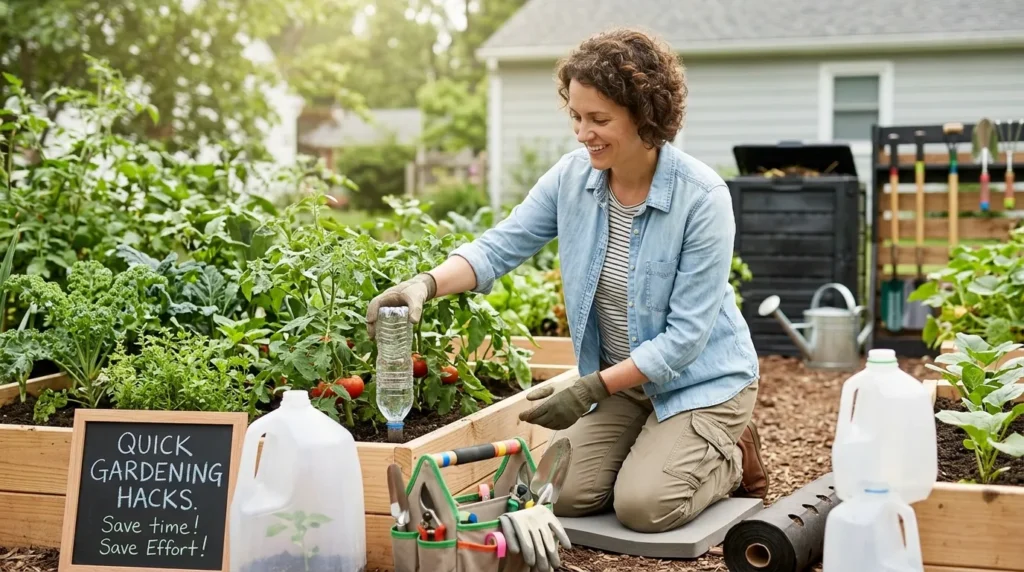
1. Plan Your Garden Strategically
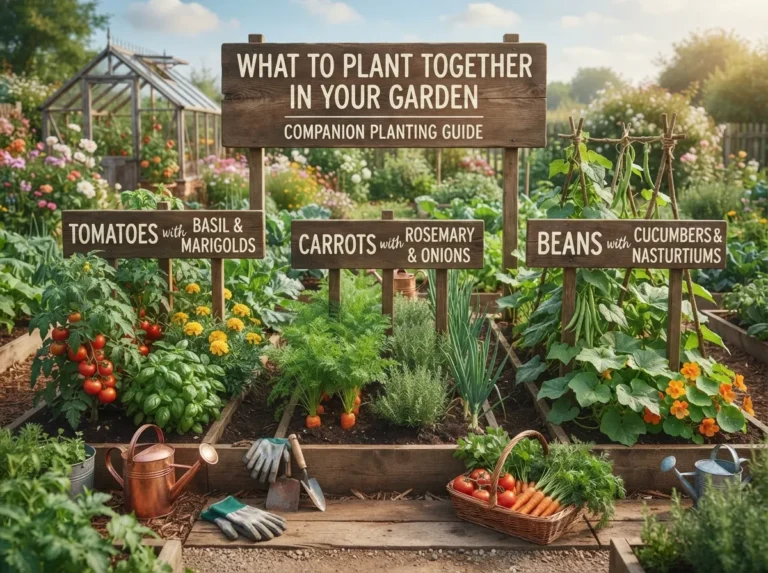
Quick Gardening Hacks A little planning goes a long way. Before picking up your shovel or seeds, consider the layout, plant types, and seasonal timing. Map out your garden on paper or digitally, noting the sunlight, shade, and soil conditions for each section. Planting complementary species together, known as companion planting, can reduce pest problems and improve growth without extra work. For example, tomatoes grow better with basil nearby, and marigolds can naturally deter harmful insects.
Quick Gardening Hacks Investing time in planning ensures that your garden requires less intervention later. Grouping plants by water needs prevents overwatering some areas while underwatering others, saving both time and water. Read about Fall Garden Maintenance Hacks.
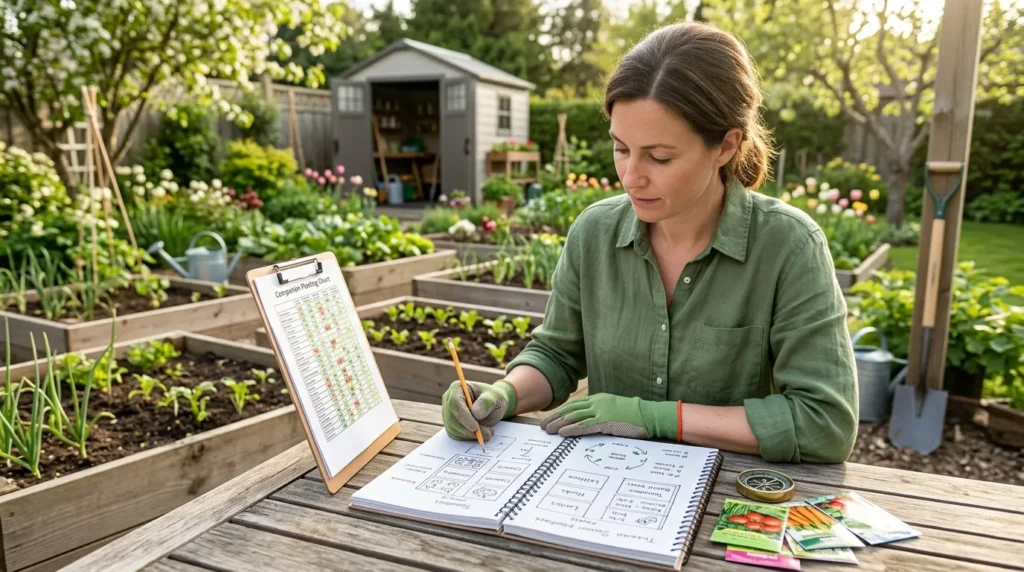
2. Choose Low-Maintenance Plants
Selecting plants that are naturally resilient and suited to your climate drastically reduces maintenance. Native plants thrive in local conditions with minimal care. Perennials, which return year after year, eliminate the need for annual replanting. Herbs like rosemary, thyme, and oregano are hardy, drought-tolerant, and forgiving, making them excellent choices for low-effort gardening.
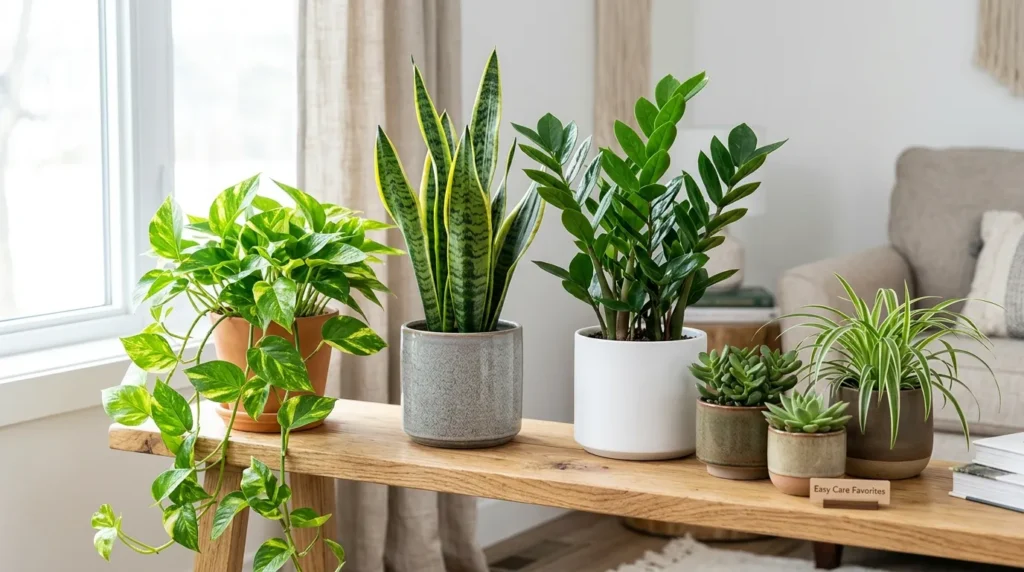
Succulents and ornamental grasses are also fantastic for minimizing labor. They store water in their leaves or roots and survive with infrequent watering. By choosing low-maintenance plants, you’ll spend less time tending and more time enjoying the results.
3. Use Raised Beds and Containers
Raised beds and container gardens not only add aesthetic appeal but also save effort. They provide better soil drainage, reduce weed growth, and make planting and harvesting easier by reducing the need to bend over. Containers allow you to move plants to optimize sunlight exposure or protect them from extreme weather.
For a quick hack, use vertical planters or tiered shelves. This maximizes space, reduces weeding, and creates an eye-catching garden design. Even small patios or balconies can benefit from this approach, turning limited space into a productive garden.
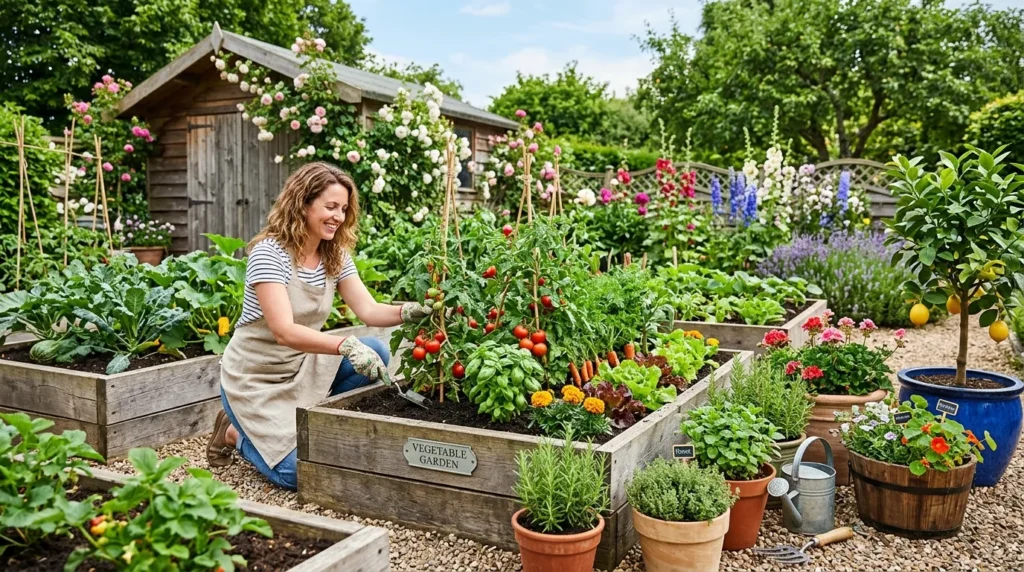
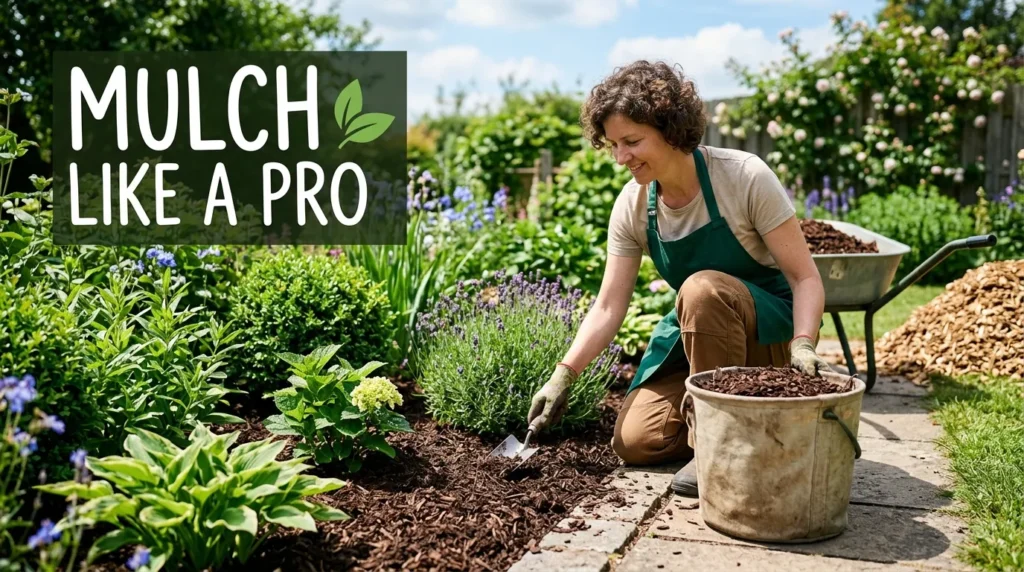
4. Mulch Like a Pro
Mulching is a gardener’s secret weapon for saving time. A thick layer of mulch reduces weeds, retains soil moisture, and regulates temperature. Organic mulches like bark chips, straw, or shredded leaves break down over time, adding nutrients back to the soil.
For speed, consider using cardboard under mulch in large beds. This double layer blocks weeds effectively and decomposes naturally, eliminating the need for frequent weeding. Mulching might take a bit of time upfront, but it significantly reduces day-to-day maintenance.
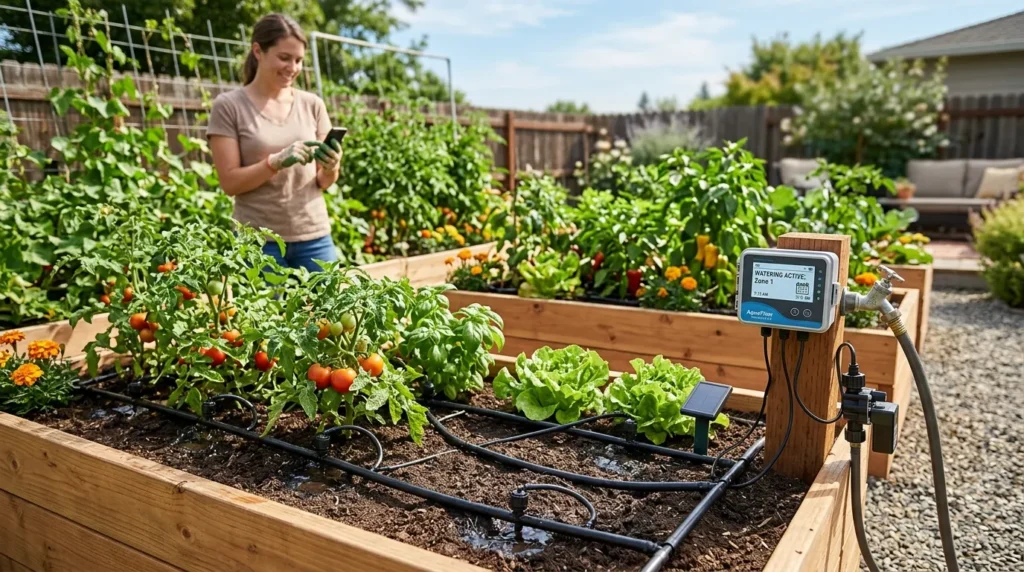
5. Automate Watering Systems
Watering is one of the most repetitive gardening tasks, and it can be surprisingly time-consuming. Installing a drip irrigation system or soaker hoses ensures that water reaches plants efficiently without wasting it on paths or weeds. For container gardens, self-watering pots or reservoirs provide a consistent water supply and reduce the risk of over- or under-watering.
Even simple solutions, like using a timer on your sprinkler system or repurposing a watering can with a gentle rose attachment, can save countless hours. Automating water delivery allows you to focus on other gardening activities or simply enjoy more leisure time.
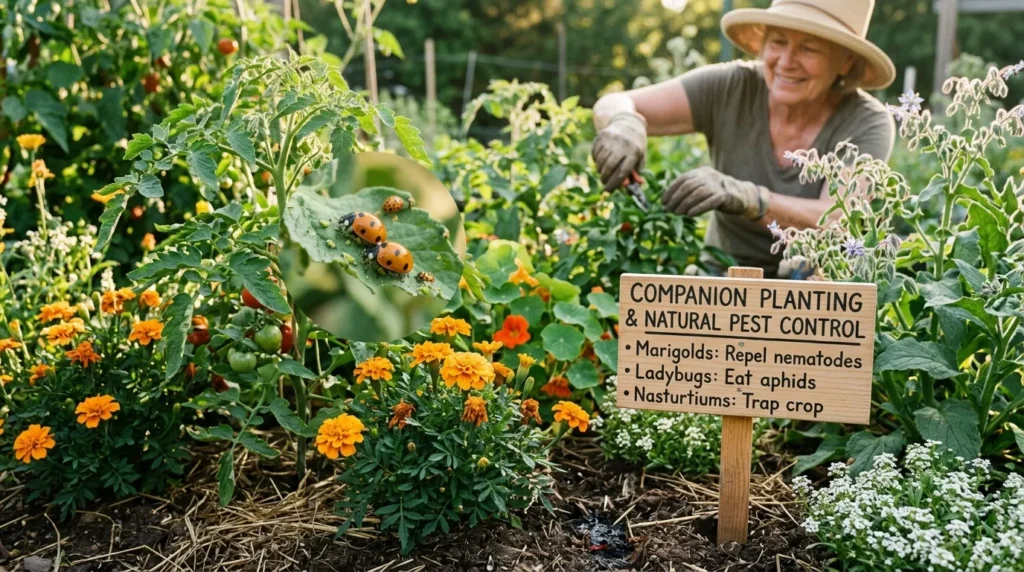
6. Use Companion Planting and Natural Pest Control
Instead of relying on chemical pesticides, embrace natural pest control through companion planting. Certain plants repel insects, while others attract beneficial predators like ladybugs and lacewings. For instance, planting marigolds alongside tomatoes helps keep nematodes and aphids at bay. Basil and mint can deter mosquitoes and flies while enhancing your garden’s aroma.
Quick Gardening Hacks Another tip is to intersperse flowering plants that attract pollinators. Bees, butterflies, and other insects not only help your flowers bloom but also reduce the need for manual pollination. With thoughtful planning, you can minimize pest-related headaches and reduce your gardening workload.
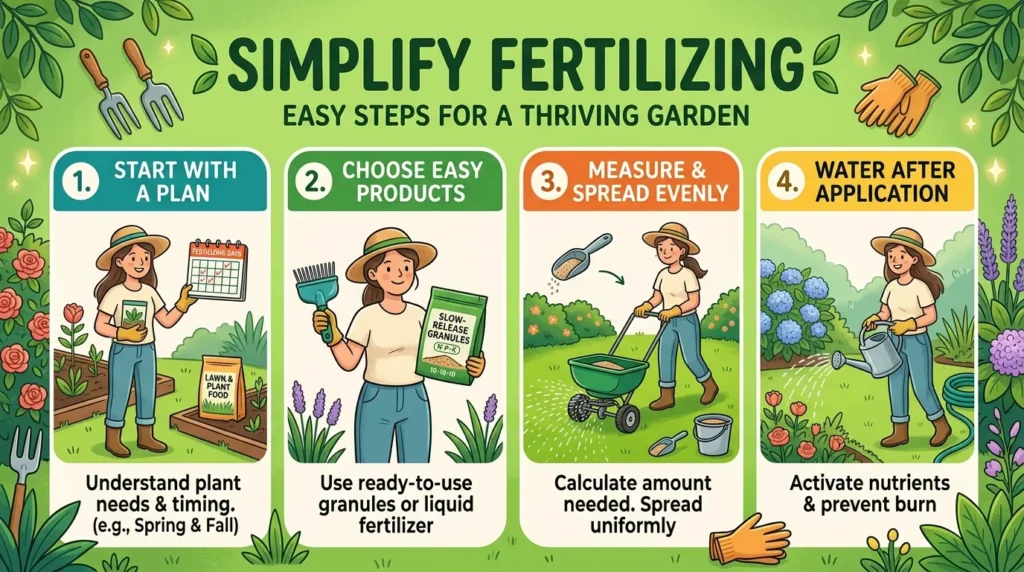
7. Simplify Fertilizing
Fertilizing can be a chore if done incorrectly or too often. Use slow-release fertilizers to feed plants gradually over several months. Organic options like compost, worm castings, or fish emulsion improve soil health while reducing the frequency of fertilization.
A practical hack is to create your own compost from kitchen scraps. Vegetable peelings, coffee grounds, and eggshells can be transformed into nutrient-rich compost that keeps plants healthy and saves money on commercial fertilizers. Composting also reduces waste and provides a sustainable source of plant nutrition.
8. Embrace Smart Tools and Technology
Modern gardening tools can drastically cut down labor. Lightweight, ergonomic hand tools reduce strain and speed up tasks like digging, pruning, and planting. Battery-powered hedge trimmers, leaf blowers, and weeders allow you to cover more ground in less time.
Digital technology can help too. Smartphone apps can track watering schedules, plant growth, and garden pests. Some apps even offer reminders for fertilization and pruning. Combining smart tools with technology creates a streamlined workflow that keeps your garden thriving with minimal effort.

9. Minimize Weeding
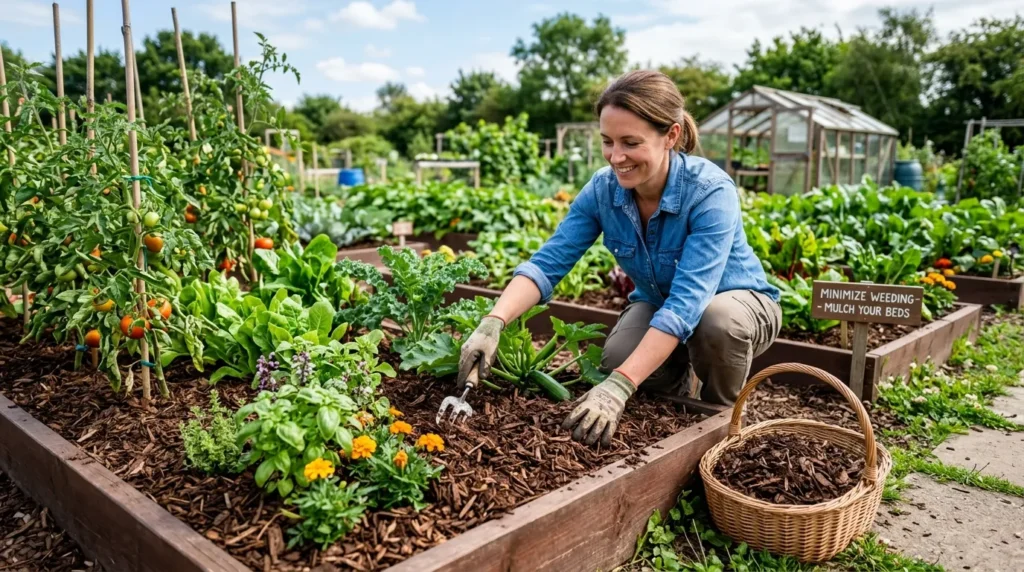
Weeding is one of the most time-consuming tasks in any garden. Preventing weeds is easier than constantly removing them. Along with mulching, lay down landscape fabric or newspaper in new beds. Both block sunlight, preventing weed growth while allowing water to reach your plants.
Hand-weeding can be sped up using specialized weeding tools that cut through roots quickly. Additionally, consider planting groundcovers in empty spaces to suppress weeds naturally. Fast-growing options like creeping thyme or clover reduce bare soil areas where weeds usually thrive.
10. Prune Efficiently
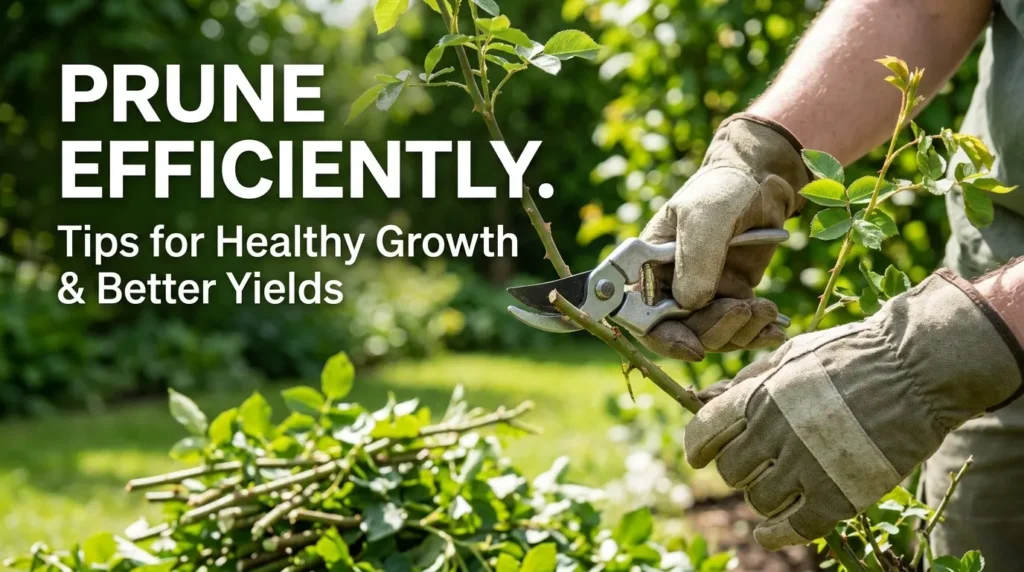
Pruning keeps plants healthy but can be labor-intensive if done incorrectly. Focus on pruning during the right season and target only what is necessary. For fruit trees, remove dead or crossing branches rather than trimming extensively. For flowering shrubs, prune right after they bloom to encourage new growth without affecting next season’s flowers.
Using sharp, clean tools ensures smooth cuts and prevents plant damage. Bypass pruners, loppers, and pruning saws are excellent for various plant sizes. Efficient pruning saves time and keeps your garden looking neat without excessive effort.
11. Speed Up Soil Preparation
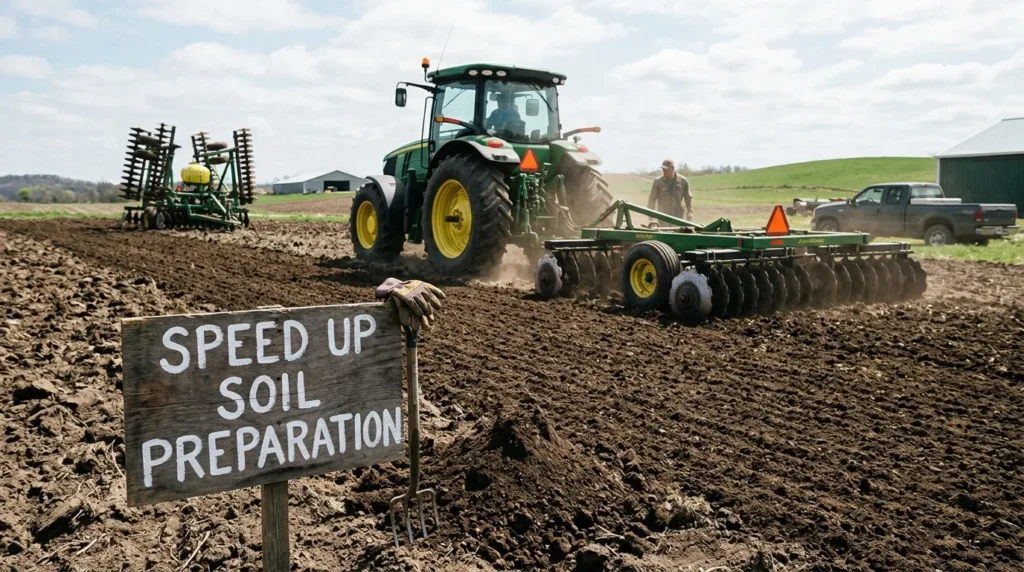
Preparing soil can be a back-breaking task if approached traditionally. Reduce effort by using a rototiller for large plots or a garden fork for smaller beds. For raised beds, premixed garden soil or a mix of compost, peat moss, and vermiculite reduces labor and ensures nutrient-rich soil from the start.
For an added time-saving hack, consider “lasagna gardening,” where layers of organic material are placed on top of the soil. This method builds fertile soil over time without heavy tilling, cuts down on weeding, and boosts soil structure naturally.
12. Propagate Plants Quickly
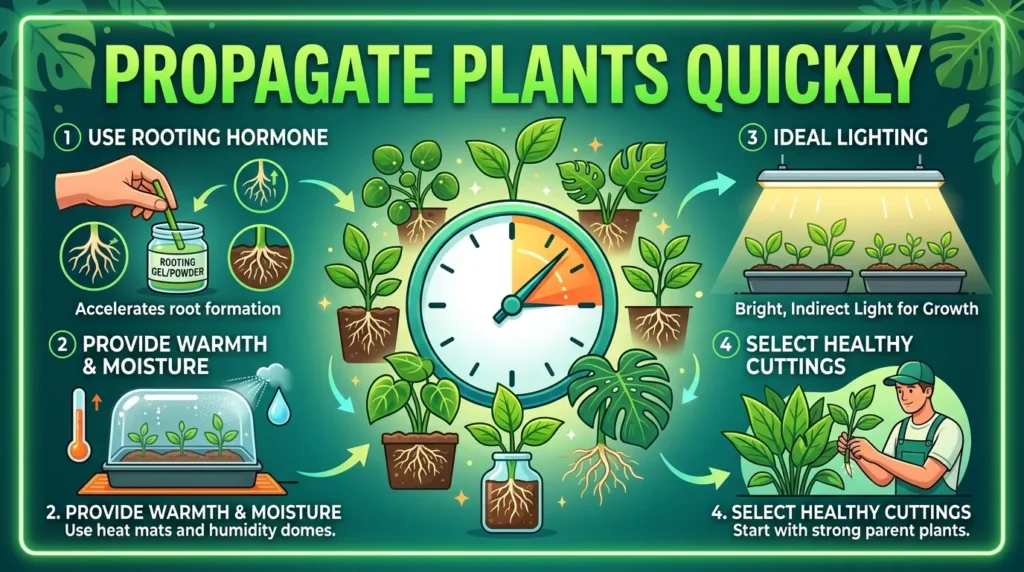
Propagation is a fantastic way to expand your garden without buying new plants constantly. Softwood cuttings, leaf cuttings, and division are efficient methods for multiplying plants. Succulents, herbs, and perennials are particularly easy to propagate.
Quick Gardening Hacks Use small containers or seed trays with a humidity dome to accelerate rooting. Label each container to keep track of plant types. This technique allows you to grow more plants in less time while reusing materials, saving money, and maximizing your garden’s potential.
13. Reuse and Repurpose Items
Gardening hacks aren’t just about saving time—they’re also about being resourceful. Reuse everyday items like milk jugs, egg cartons, or tin cans as planters, seed starters, or watering tools. Plastic bottles can be cut to create mini greenhouses for seedlings, while old palettes can be turned into vertical gardens.
Repurposing items reduces trips to the store and allows creative solutions for organizing and maintaining your garden. It’s a win-win for convenience and sustainability.

14. Harvest Efficiently
Harvesting crops at the right time ensures peak flavor and reduces waste. Use small baskets or harvest bags to carry produce comfortably and prevent damage. For sprawling plants like zucchini or cucumbers, use gentle twisting motions rather than cutting to reduce plant stress.
Label harvest times and rotate crops to avoid overripe produce, which can attract pests and disease. Efficient harvesting keeps your garden productive and reduces the need for corrective work later.

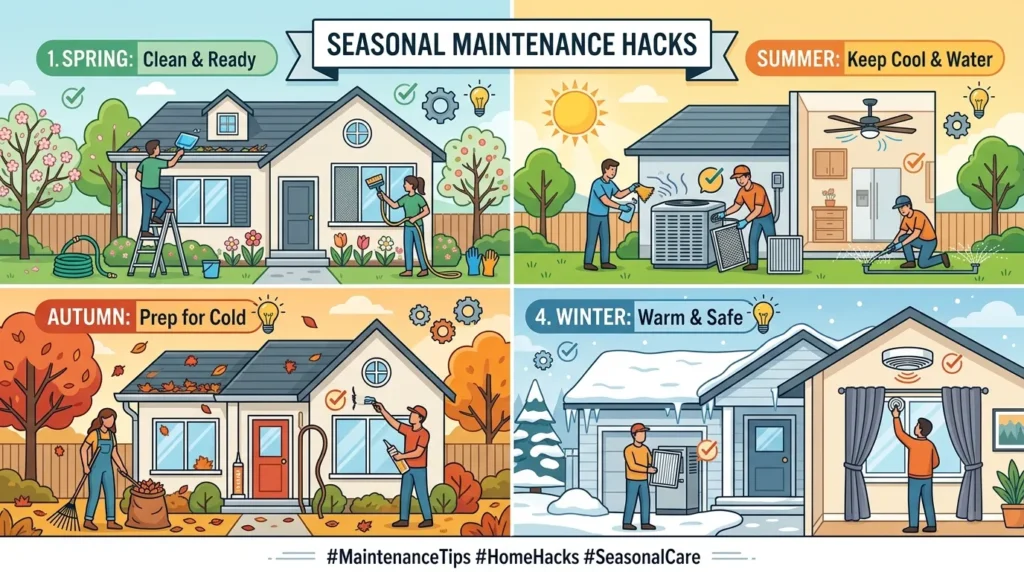
15. Seasonal Maintenance Hacks
Gardening tasks vary by season, and anticipating seasonal needs saves significant effort. In spring, focus on soil prep and early planting. Summer calls for consistent watering, weeding, and monitoring pests. Fall is ideal for composting leaves, pruning, and preparing beds for winter. Winter is perfect for planning, tool maintenance, and starting indoor seedlings.
By organizing tasks according to the season, you reduce unnecessary work and maintain a productive, thriving garden year-round.
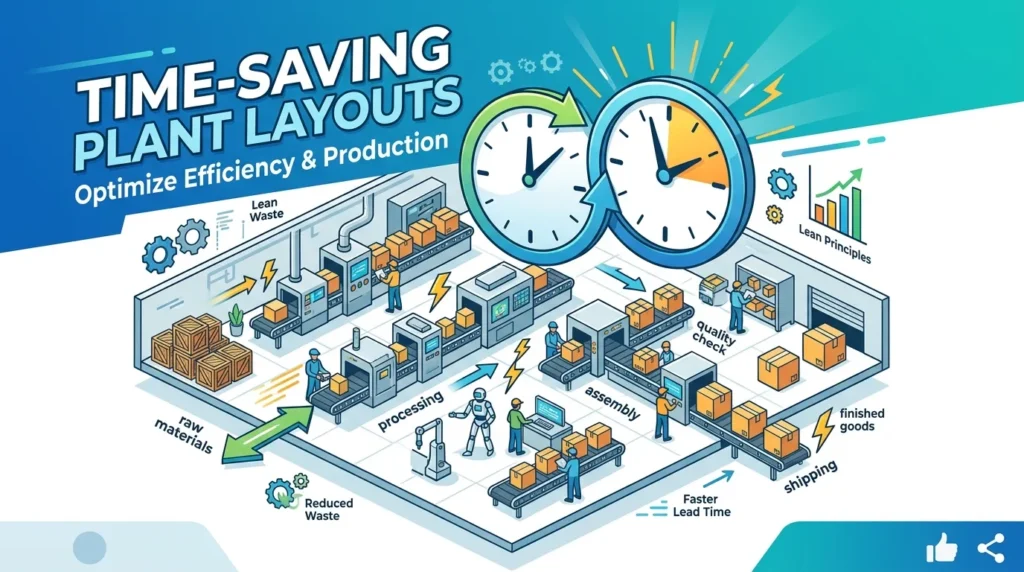
16. Time-Saving Plant Layouts
Using time-efficient layouts like square-foot gardening or intensive planting methods maximizes space and minimizes maintenance. These layouts reduce the amount of walking, watering, and weeding required. Rows, grids, and raised bed sections allow easy access to each plant without trampling others.
Quick Gardening Hacks Dense planting also shades the soil, suppressing weeds naturally and keeping soil moisture levels consistent. Smart layouts are a subtle but powerful hack for saving hours of gardening effort.
17. Group Tools and Supplies Strategically
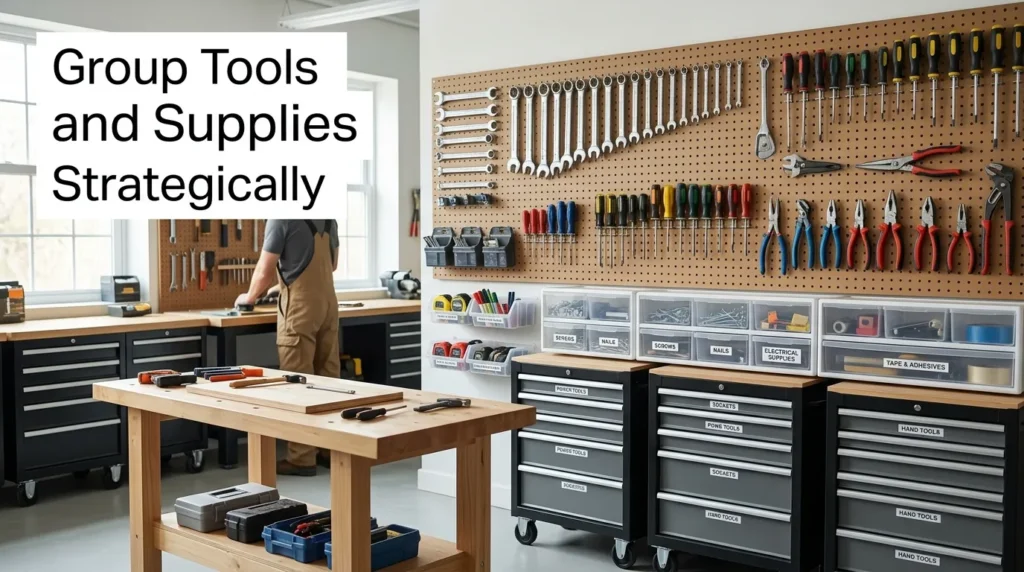
Time in the garden is often lost searching for tools, gloves, or fertilizers. Keep all supplies in a central, easily accessible location. Tool racks, bins, or garden carts help you stay organized and mobile. A mobile garden caddy allows you to carry everything you need while moving efficiently through your space.
Keeping things organized reduces stress, prevents double trips, and keeps your workflow smooth, letting you spend more time planting and less time searching.
18. Embrace Low-Impact Mulching and Watering Techniques
Consider no-dig gardening techniques to save physical effort. This method avoids traditional tilling, preserving soil structure and reducing labor. Combine this with deep watering techniques that water the root zone directly to minimize evaporation and the frequency of watering.
Low-impact methods not only save time but also create a healthier environment for plants, beneficial insects, and microorganisms.
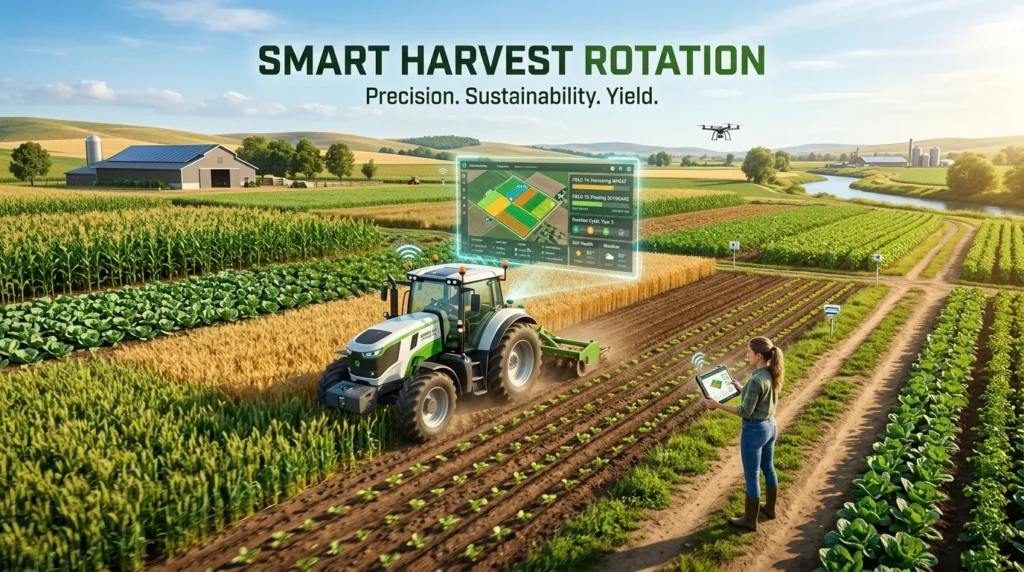
19. Smart Harvest Rotation
To save time and ensure consistent productivity, stagger planting dates for crops. This “succession planting” approach spreads out harvests, avoiding one-time harvest overloads that require multiple intensive days of work.
By planning harvests in stages, you keep your garden productive, reduce stress, and maintain a steady supply of fresh produce with less effort.
20. Keep Learning and Experimenting
Finally, the best hack of all is continuous learning. Every garden is unique, and small tweaks can save huge amounts of time. Observe which plants thrive, which pests appear, and which techniques work best in your climate and soil. Attend local gardening workshops, join online forums, or follow U.S.-based gardening blogs for tips that save time.
Experimentation allows you to customize hacks to your garden’s needs, turning your gardening experience into an efficient, enjoyable, and rewarding journey.

Conclusion
Gardening doesn’t have to be a full-time, back-breaking commitment. By incorporating these quick gardening hacks, you can streamline your workflow, reduce manual labor, and still enjoy a lush, productive garden. From strategic planning and plant selection to smart tools, automation, and seasonal hacks, every small adjustment can save time and effort.
Quick Gardening Hacks With a little creativity, preparation, and efficiency, your garden can thrive with minimal stress, leaving you more time to enjoy the fruits of your labor. Whether you’re a seasoned gardener or a beginner, these hacks will transform the way you garden, making it easier, faster, and far more rewarding.