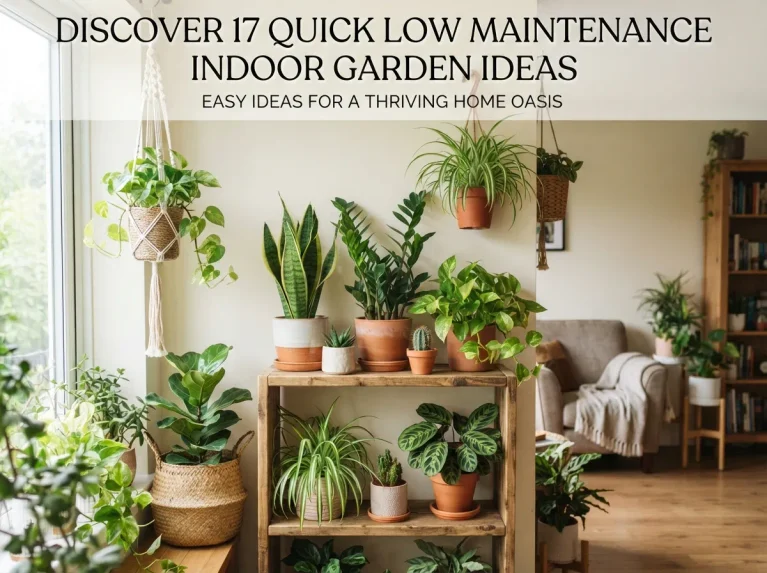
Indoor Plants That Thrive on Minimal Sunlight
Indoor Plants That Thrive on Minimal Sunlight Bringing greenery into your home can transform any indoor space, adding color, texture, and a sense of calm. But not every room in an American home gets ideal sunlight. Many apartments, offices, and basement-level rooms struggle with limited natural light. That can make choosing indoor plants feel tricky. The good news is that several plants thrive on minimal sunlight while still providing beauty, freshness, and health benefits.
Indoor plants do more than look nice. They improve air quality, reduce stress, enhance productivity, and create a sense of connection to nature. The challenge is finding species that are forgiving of low-light conditions, grow steadily, and are easy to maintain. For beginners or anyone who struggles to keep plants alive, low-light plants are perfect companions.
This guide explores indoor plants that flourish in indirect light, shaded corners, and rooms without full sun. It also provides tips on care, placement, and maximizing their potential. Whether you live in a city apartment, a home with small windows, or a professional office space, these plants are practical and attractive.
Understanding Low-Light Indoor Plants
Indoor Plants That Thrive on Minimal Sunlight Low-light indoor plants are species that survive and grow in environments with limited sunlight. This doesn’t mean they need no light; all plants require some form of light to photosynthesize and remain healthy. Low-light plants are simply adapted to thrive with less direct sun or filtered light.
In many U.S. homes, rooms may face north, have small or shaded windows, or be located in high-rise buildings where sunlight is limited. Offices and basements often lack strong natural light entirely. In these conditions, choosing resilient plants ensures greenery thrives without constant attention.
Low-light plants generally have adaptations such as dark green leaves, slow growth rates, and efficient photosynthesis in dim conditions. They can also tolerate irregular watering, lower humidity, and cooler indoor temperatures, making them ideal for beginner plant owners. Indoor Gardening Mistakes to Avoid for Healthy Plants.
Benefits of Low-Light Indoor Plants
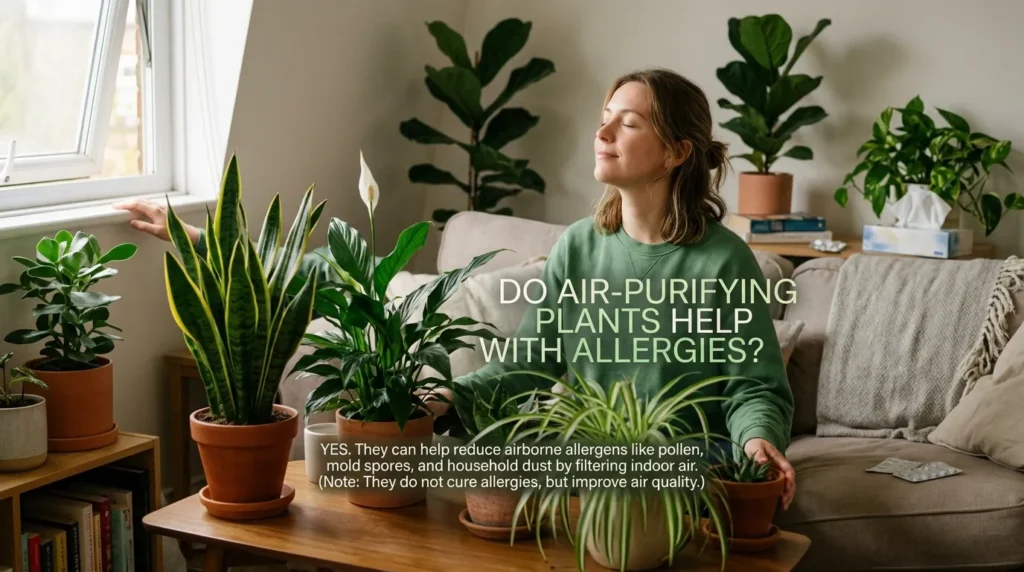
Even in rooms with minimal sunlight, indoor plants can provide multiple benefits. First, they improve indoor air quality by absorbing pollutants and releasing oxygen. Second, they create a calming environment, reducing stress and anxiety. Studies show that exposure to indoor plants can improve focus, increase productivity, and even enhance sleep quality. Third, they offer aesthetic benefits, turning dull corners, offices, and hallways into inviting spaces.
Low-light plants also require less maintenance than sun-loving species. They are generally more forgiving if you forget to water occasionally or if the light source fluctuates. This makes them ideal for busy households, office settings, or apartments where natural light is limited.
1. Snake Plant (Sansevieria): Resilient and Stylish
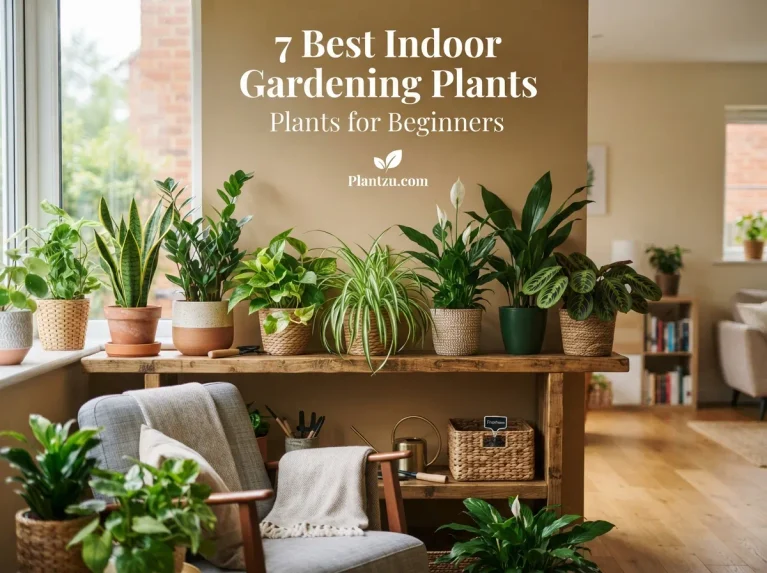
The snake plant, also called mother-in-law’s tongue, is one of the most popular indoor plants in the United States. It is incredibly resilient and grows well in indirect or low-light conditions. Its tall, upright leaves create an architectural look that fits modern, minimalist, and eclectic interiors alike.
Snake plants are forgiving and can tolerate neglect, making them excellent for beginners. They prefer occasional watering and can survive in small rooms, offices, and hallways. Snake plants are also linked to improved air quality, removing toxins such as formaldehyde and benzene while releasing oxygen.
They thrive near shaded windows, corners away from direct sunlight, and even fluorescent-lit spaces. Their vertical growth makes them space-efficient and visually appealing, providing greenery without cluttering the room
2. ZZ Plant (Zamioculcas zamiifolia): The Low-Light Powerhouse
The ZZ plant has glossy, dark green leaves that give a room an elegant, polished look. This hardy plant is famous for its ability to survive in extremely low-light areas. It grows slowly, requires minimal water, and tolerates fluctuations in indoor conditions.
ZZ plants are ideal for office desks, bathrooms with small windows, entryways, and shaded corners. While low-light conditions may slow growth, the plant remains healthy and maintains its rich green appearance. Its waxy leaves also help it retain moisture, reducing the frequency of watering.
The ZZ plant is forgiving to neglect, making it a favorite among those new to indoor gardening. It adds life to spaces that were previously too dim for traditional houseplants.
3. Pothos (Epipremnum aureum): The Easy Trailing Beauty
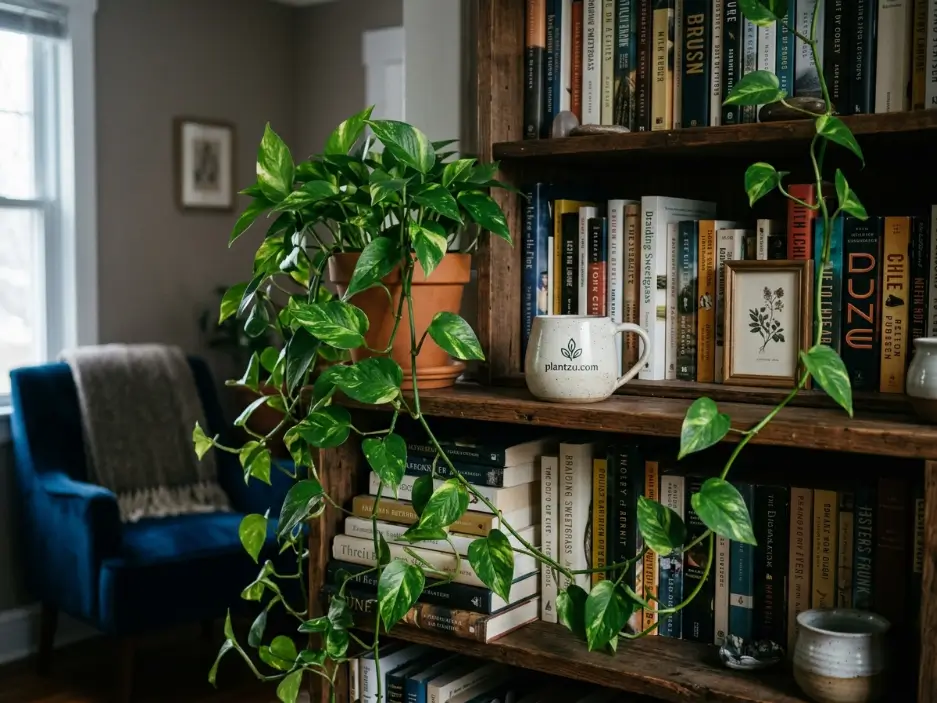
Pothos, also known as devil’s ivy, is one of the easiest indoor plants to grow. It thrives in low-light conditions and adapts well to a variety of indoor spaces. Its trailing vines make it perfect for hanging baskets, shelves, or wrapping around bookcases.
Pothos is tolerant of occasional neglect and irregular watering, making it suitable for apartments, offices, and bedrooms. Its heart-shaped leaves can be green or variegated with yellow, white, or cream patterns, brightening dim spaces without direct sunlight.
This plant is also known for air-purifying properties, absorbing pollutants like formaldehyde and xylene. Its versatility allows homeowners to place it in shaded corners, kitchens, bathrooms, or areas with filtered light.
4. Heartleaf Philodendron (Philodendron hederaceum): Low-Light Trailing Beauty
Heartleaf philodendron is a forgiving, low-light plant that produces trailing vines with heart-shaped leaves. It thrives in shaded corners, shelves, or hanging baskets and grows steadily even in minimal sunlight.
This plant is easy to care for, tolerates irregular watering, and adapts well to indoor conditions. Its vines can be trained along supports or allowed to cascade freely, providing greenery in dark or narrow spaces. Philodendrons are also effective at absorbing indoor pollutants.
5. Common Mistakes to Avoid
One mistake is overwatering in the belief that low-light plants need more hydration. Many low-light species grow slowly and consume less water. Overwatering can lead to root rot, yellowing leaves, and mold.
Another mistake is placing plants in rooms with zero light. While low-light plants tolerate shade, they still require minimal light to photosynthesize. Using fluorescent or LED grow lights can help in darker spaces.
Ignoring leaf care is another error. Dust and grime reduce the plant’s ability to process light. Regularly wipe leaves to maintain health and appearance.
Conclusion: Bringing Greenery to Dim Spaces
Indoor plants that thrive on minimal sunlight make greenery accessible to every home, office, and apartment in the United States. Species like snake plant, ZZ plant, pothos, peace lily, spider plant, dracaena, and Chinese evergreen are resilient, attractive, and easy to maintain. They add beauty, improve air quality, and contribute to a calming environment even in shaded rooms.
Low-light plants are forgiving, adaptable, and functional. With proper care, placement, and attention to basic watering and cleaning routines, they can flourish, bringing life and freshness to spaces previously considered too dim for indoor greenery.
Whether you are a beginner or a seasoned plant owner, these low-light indoor plants offer a practical, beautiful, and health-supporting solution. They demonstrate that even rooms with limited sunlight can be transformed into vibrant, lively, and inviting spaces.