Eggplant Growing Guide for Beginners
Eggplant Growing Guide for Beginners So, you want to grow your own eggplants? That’s fantastic! Eggplants might seem a little fancy, but growing them is actually super easy, even if you’ve never gardened before. Let’s get started and have some delicious eggplants from your own garden.
Eggplant Growing Guide for Beginners
read about Eggplant Growing Guide for Beginners below:
Why Grow Eggplant?
Eggplants are more than just a pretty purple vegetable. They are packed with good stuff like fiber and antioxidants. Plus, there’s nothing quite like the taste of a fresh eggplant you grew yourself. Imagine making your own baba ghanoush or moussaka with your homegrown stars!
There are so many cool varieties to try, too. You can find the classic big globe eggplants, or go for smaller, sleeker Italian types, or even mini Thai eggplants. It’s fun to experiment and find your favorite.
When to Plant Eggplant
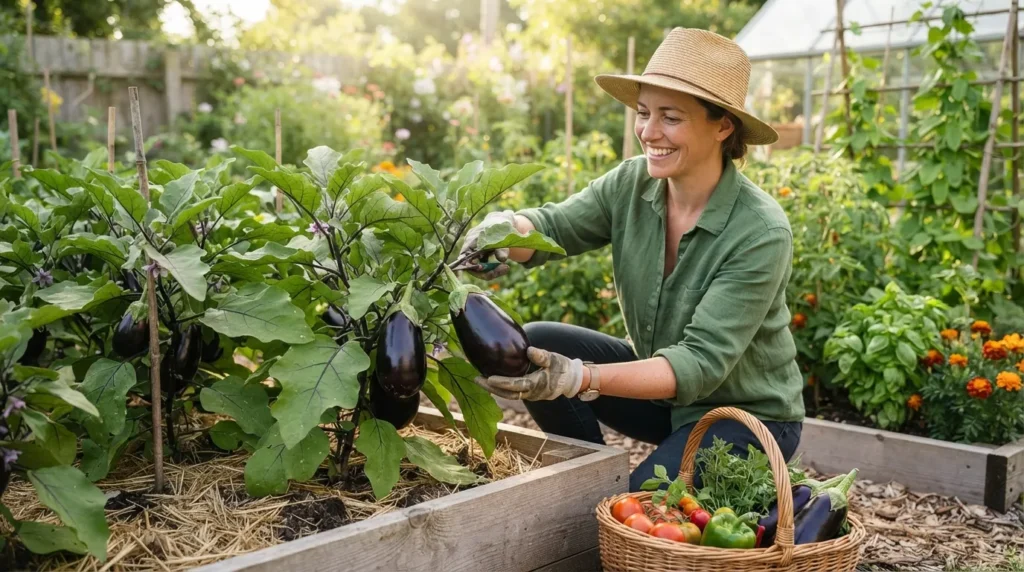
Eggplants love warmth. They are tropical plants, so they need a nice long, hot summer to grow well. This means you can’t plant them outside too early. Wait until all danger of frost has passed and the soil has warmed up.
In most places, this means planting them outside sometime in late spring or early summer. If you live in a cooler climate, you might need to start your eggplant seeds indoors a few weeks before the last frost. This gives them a head start. also check smart kitchen vegetables garden ideas.
Choosing Your Eggplant Variety
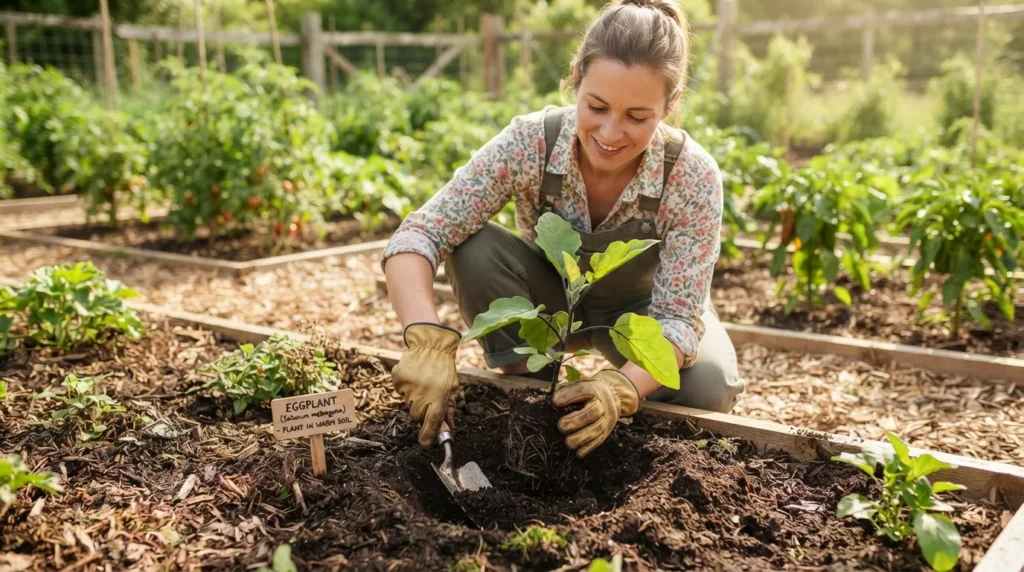
Picking the right eggplant for your garden is part of the fun. For beginners, I usually suggest the common globe or Italian varieties. They are pretty forgiving and produce well.
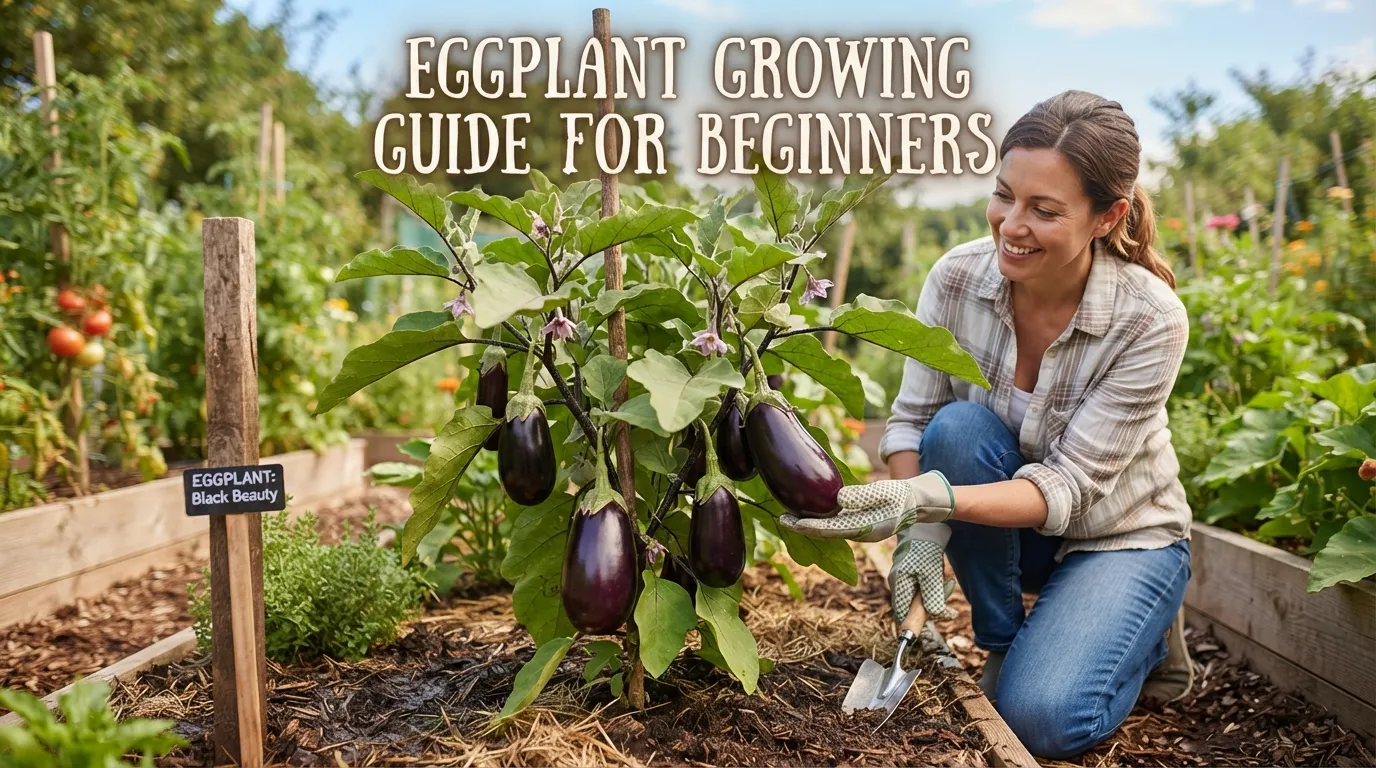
Some popular choices include ‘Black Beauty’, which is a classic large eggplant. ‘Ichiban’ is a great Japanese variety that’s long and slender, and often produces a lot. If you want something different, ‘Little Fingers’ are small and prolific.
Getting Started: Seeds or Starts?
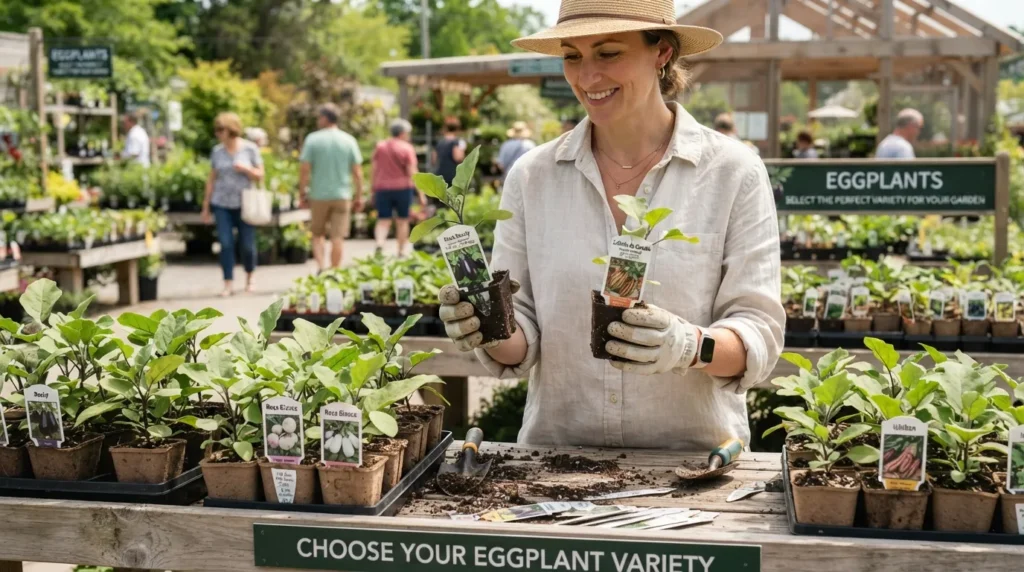
You have two main ways to start growing eggplants: from seeds or from young plants called “starts” or “transplants”. Both have their pros and cons.
Starting from seeds is cheaper and gives you access to more varieties. However, it takes more time and effort. You need to start them indoors about 6-8 weeks before your last frost date. This means you need grow lights or a very sunny windowsill, and you have to keep the soil moist and warm.
Buying starts from a local nursery is much easier for beginners. You just pick out healthy-looking plants and put them in the ground. They’ve already got a head start, so you can enjoy a quicker harvest. Just make sure the plants look strong and green, with no yellow leaves or signs of pests.
Planting Your Eggplant
Once the weather is warm enough, it’s time to get your eggplants in the ground. They need a spot that gets at least 6-8 hours of direct sunlight every day. Full sun is key for happy, productive eggplants.
Eggplants also like rich, well-draining soil. Before you plant, mix in some compost or well-rotted manure. This will give your plants the nutrients they need to thrive. Raised beds are also a great option if you have heavy clay soil.
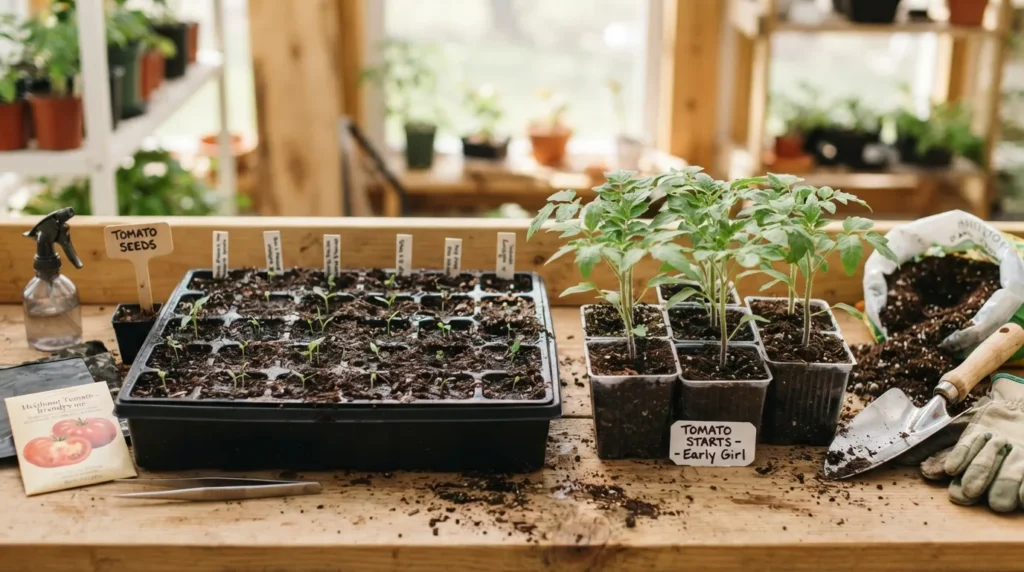
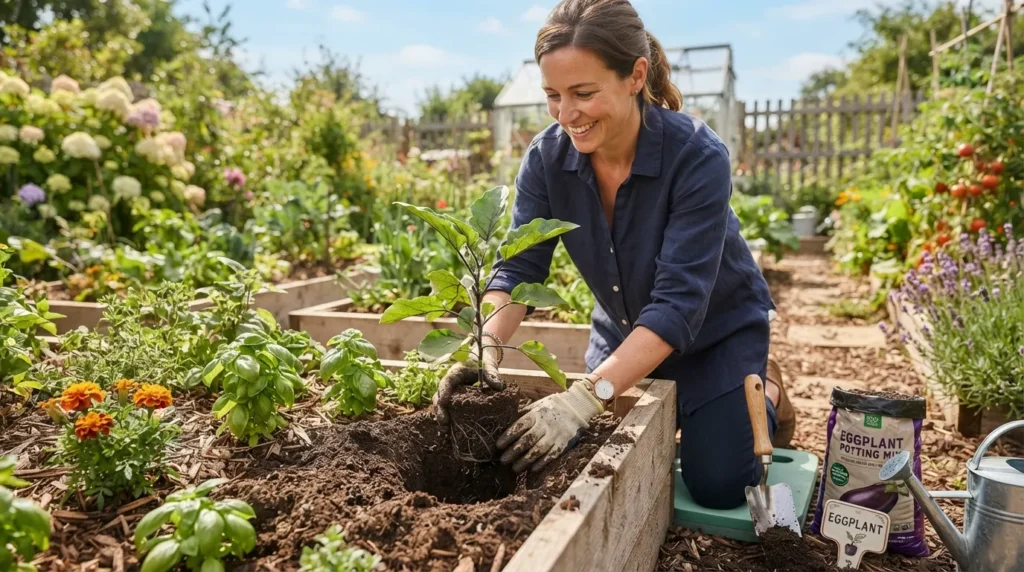
When you plant your starts, dig a hole a little deeper than the pot they came in. Gently remove the plant from its container. If the roots are all tightly circled, you can gently loosen them at the bottom. This helps them spread out in their new home.
Place the plant in the hole and fill it in with soil. Water them well right after planting. If you’re planting more than one, give them enough space. Most eggplants need about 2 to 3 feet between plants.
Caring for Your Eggplant Plants
Eggplants are hungry plants. They need consistent watering and feeding to produce lots of fruit. Keep the soil consistently moist, but not waterlogged. A layer of mulch around the base of the plant can help keep the moisture in and weeds down.
About a month after planting, you can start feeding your eggplants. Use a balanced fertilizer or one that’s a bit higher in phosphorus to encourage flowering and fruiting. Follow the package directions for how often to feed them. You can also look into growing plants that thrive on minimal sunlight for other parts of your garden. Indoor Plants That Thrive on Minimal Sunlight might give you some other ideas for shady spots.
Keep an eye out for pests. Common eggplant pests include flea beetles, which chew small holes in the leaves, and aphids. If you see a few flea beetles, don’t panic. A healthy plant can usually handle a small infestation. For aphids, a strong spray of water can often knock them off. If you have a big problem, you might need to use an organic pest control spray. Remember, healthy soil and healthy plants are the best defense against pests.
Supporting Your Eggplants
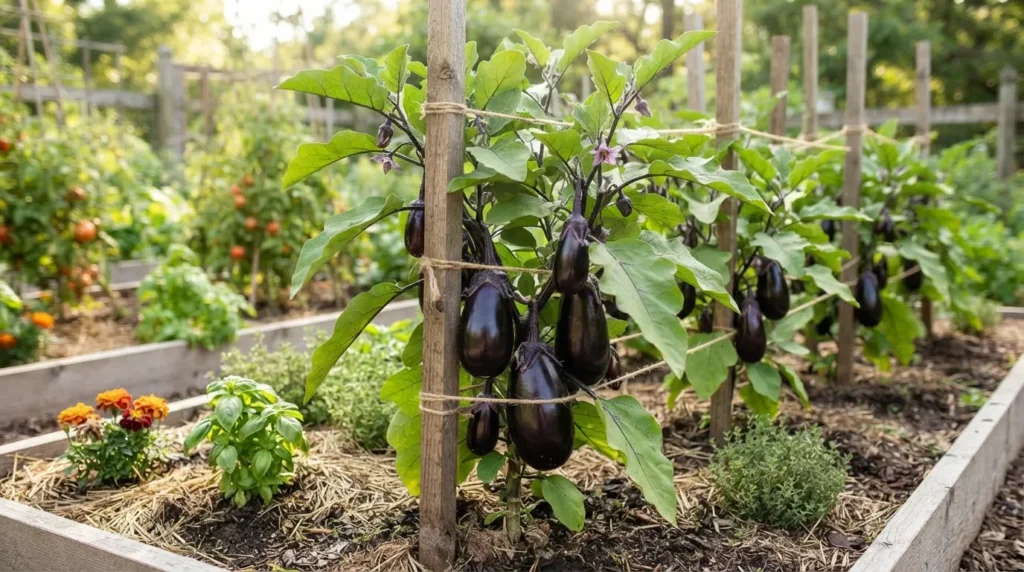
As your eggplant plants grow and start to produce fruit, they can get quite heavy. The branches might bend or break under the weight of the eggplants. To prevent this, it’s a good idea to support them.
You can use stakes, cages, or trellises. Insert stakes or cages into the ground when you first plant your eggplants to avoid damaging the roots later. As the plant grows, gently tie the main stem to the support. This will keep your plants upright and your eggplants off the ground, which also helps prevent rot.
Harvesting Your Eggplants
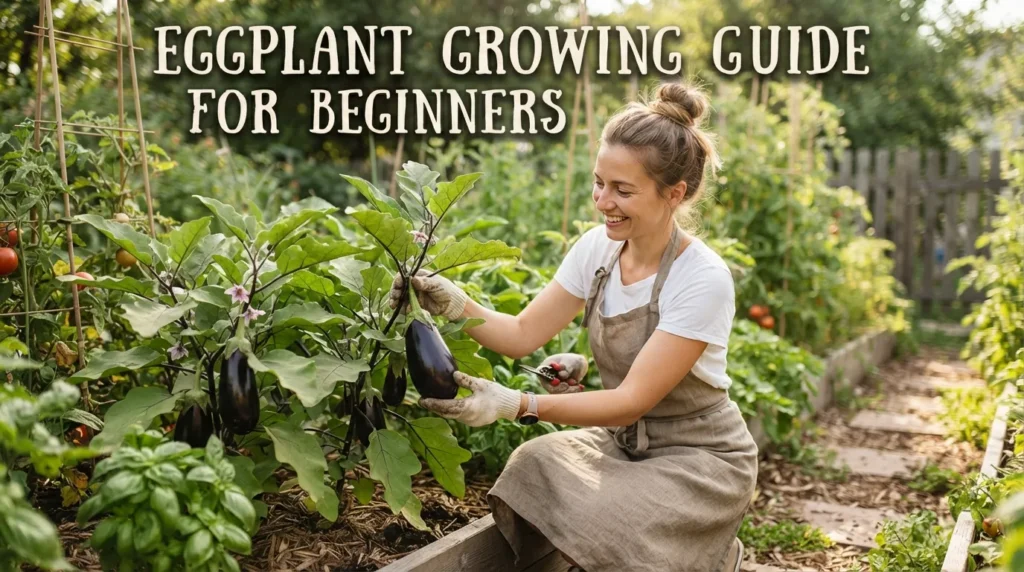
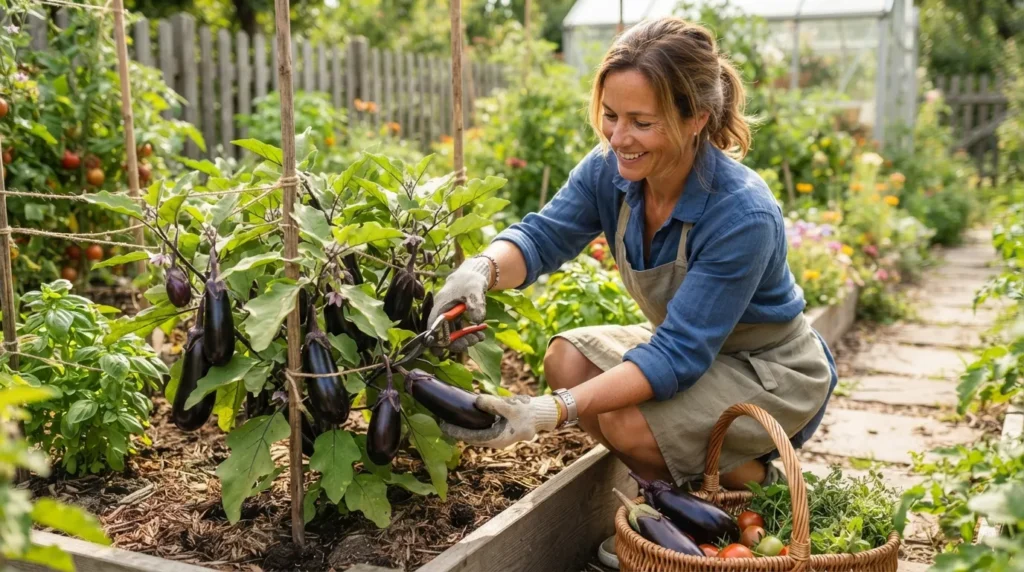
The best part! You’ll know your eggplants are ready to harvest when they are firm and glossy. The size will depend on the variety you planted. Don’t wait too long to harvest.
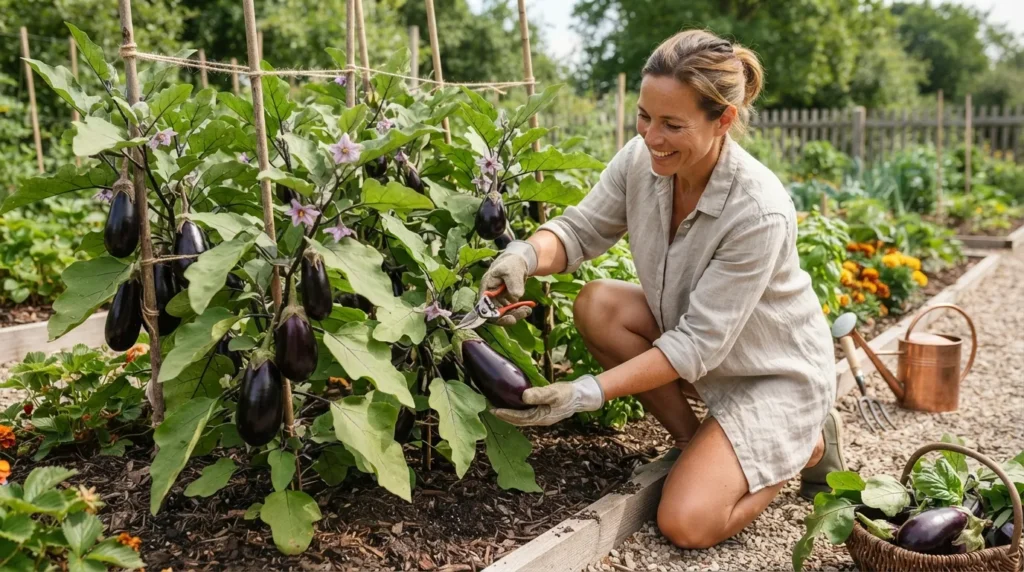
Overripe eggplants can become bitter and their seeds can get hard. To pick an eggplant, use a sharp knife or pruning shears to cut the stem. Leave a small piece of the stem attached to the fruit. This helps it last longer.
Regular harvesting actually encourages the plant to produce more fruit. So, keep picking them as they ripen!
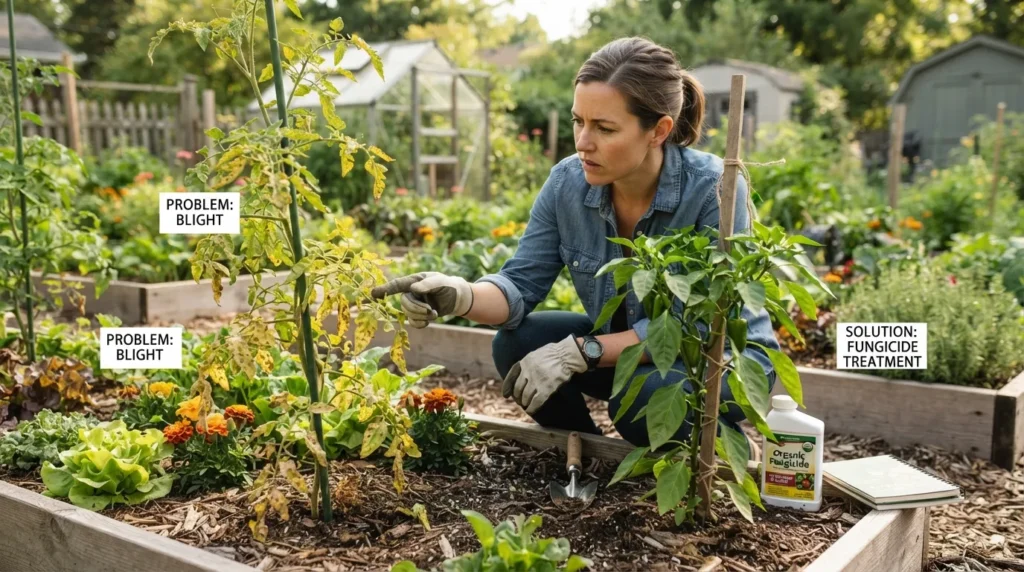
Common Problems and Solutions
Yellow Leaves: This can happen for a few reasons. It could be too much or too little water, or a lack of nutrients. Check your watering schedule and consider feeding your plant if it’s been a while. If the soil is constantly wet, you might have a drainage problem.
Blossom End Rot: This looks like a dark, sunken spot on the bottom of the fruit. It’s usually caused by inconsistent watering and a calcium deficiency. Make sure you’re watering regularly and deeply. Adding a bit of calcium to the soil, like crushed eggshells, can also help over time.
Pests: As mentioned before, flea beetles and aphids are common. Row covers can protect young plants from flea beetles. Inspect your plants often. Early detection makes pest problems much easier to manage. We all want our gardens at Plantzu to be as healthy as possible!
Frequently Asked Questions About Growing Eggplant
Q1: How often should I water my eggplant plants?
Eggplants need consistent moisture. Water deeply a few times a week, or more often during hot, dry weather. The soil should feel like a damp sponge. Don’t let it dry out completely, but avoid soggy conditions.
Q2: Can I grow eggplant in containers?
Yes, you absolutely can! Choose a large container, at least 5 gallons in size, with good drainage holes. Use a good quality potting mix. Keep the container well-watered, as containers dry out faster than garden beds.
Q3: My eggplant flowers are falling off. What’s wrong?
It’s normal for some flowers to drop off without producing fruit. This often happens if the plant isn’t getting enough sun, or if temperatures are too extreme (too hot or too cold). Make sure your plant is in a sunny spot and getting consistent water and nutrients.
Q4: How long does it take for eggplant to mature?
The time it takes for eggplant to mature varies by variety, but generally, it takes about 65 to 80 days from transplanting to harvest. Keep an eye on the fruit as it develops. The glossy skin and firm texture are your best indicators.
Happy Eggplant Growing!
Read above guide of Eggplant Growing Guide for Beginners is a rewarding experience. With a little bit of sunshine, water, and care, you’ll be enjoying delicious, homegrown eggplants in no time. Happy gardening!