Best Vegetable Plants for Beginners to Grow at Home
Starting your own garden can feel like a big step. Many people worry that they do not have a green thumb. The truth is that gardening is a skill anyone can learn. If you want to grow your own food, you should start with the easiest vegetables. This Best Vegetable Plants for Beginners will help you build confidence without getting frustrated.
When you start, you want plants that grow fast and survive small mistakes. You do not need a massive yard to make this happen. Even a few pots on a sunny porch can give you a nice harvest. At Plantzu, we love helping new gardeners find their footing. If you have been looking for other garden projects, you might also enjoy our Rose Gardening Tips for Beginners to add some beauty to your space.
Why Start a Vegetable Garden?
Growing your own food is very rewarding. You get to eat vegetables at their peak ripeness. Store-bought produce often travels for days before it reaches you. When you pick a tomato or some lettuce from your own garden, it tastes much better.
Gardening is also a great way to spend time outside. It helps you clear your head after a long day. You will learn a lot about how nature works. Plus, it is a healthy hobby that gets you moving. You do not need to spend a lot of money to get started. You just need seeds, soil, and some water.
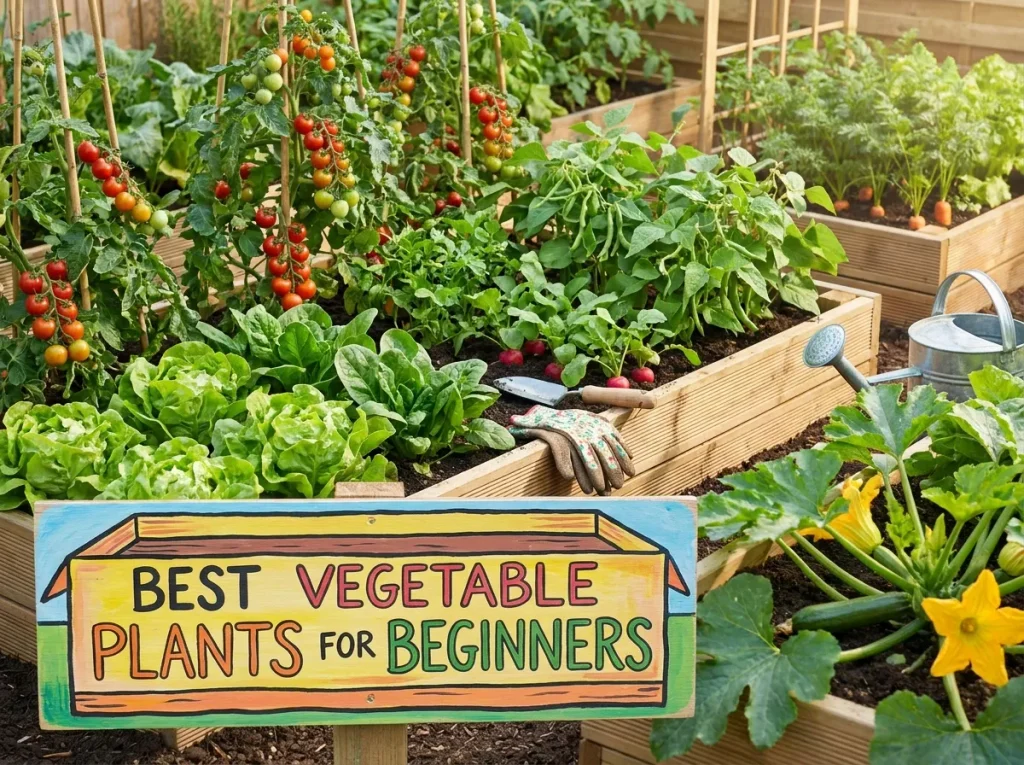
Best Vegetable Plants for Beginners
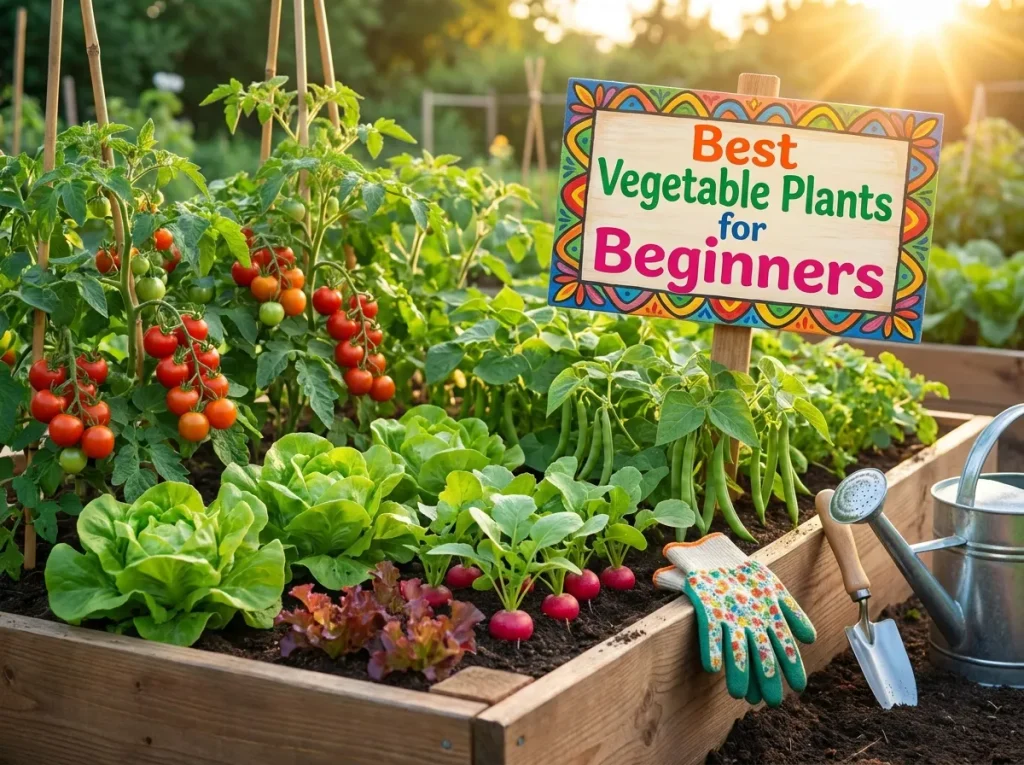
Some plants are just much friendlier to beginners than others. These plants are tough and do not ask for much care. Here are the best choices for your first garden.
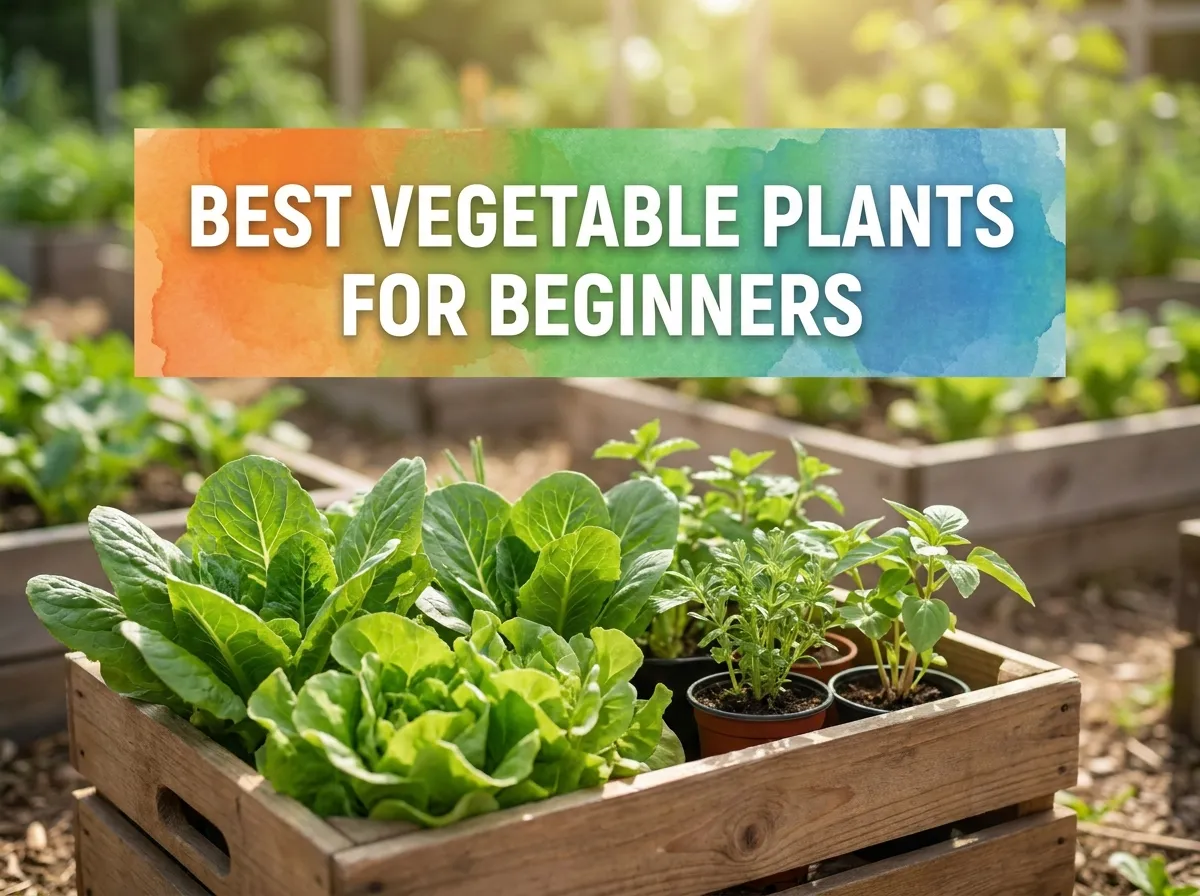
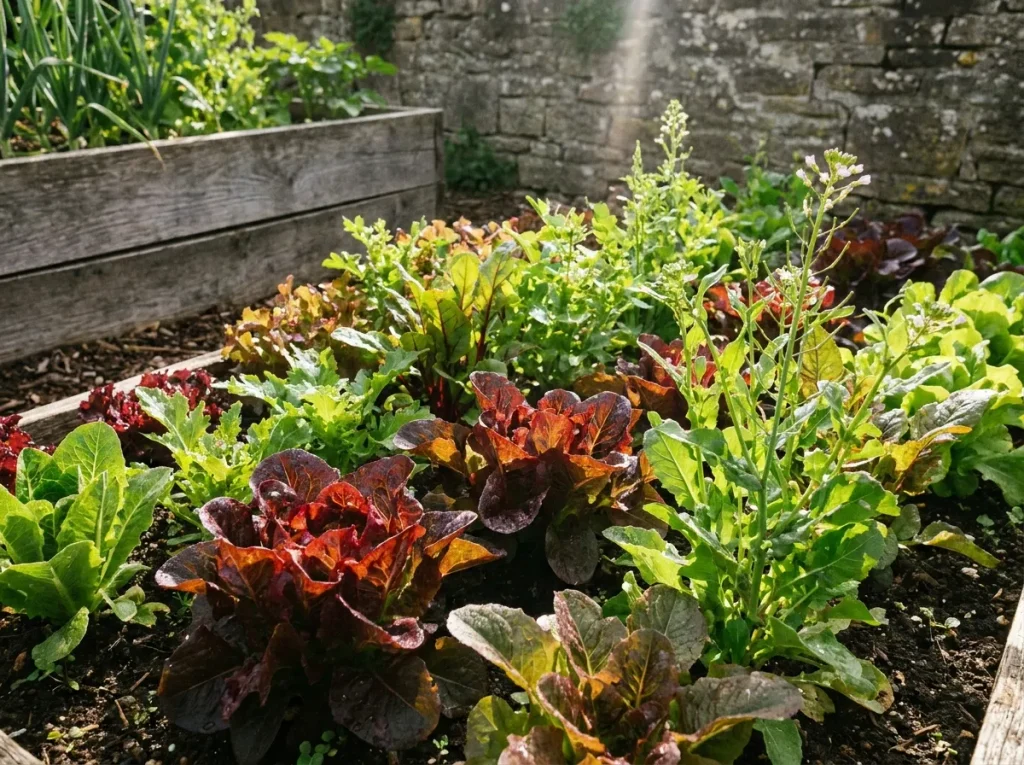
Lettuce and Salad Greens
Lettuce is one of the fastest vegetables to grow. You can plant seeds directly into the soil. In just a few weeks, you will have leaves ready for your salad. You can even pick the outer leaves and let the center keep growing.
These greens do not need deep pots. They are perfect for small spaces or window boxes. Just make sure they get enough water. They like cool weather, so spring and fall are the best times to grow them.
Radishes
If you want fast results, pick radishes. Some types are ready to eat in only 25 days. It is very fun to see them pop up out of the soil. They are great for teaching kids about gardening too.
Radishes grow well in almost any soil. Just put them in a sunny spot. Do not wait too long to pick them, or they can get a little spicy and tough. Pull them up as soon as they reach a good size.
Bush Beans
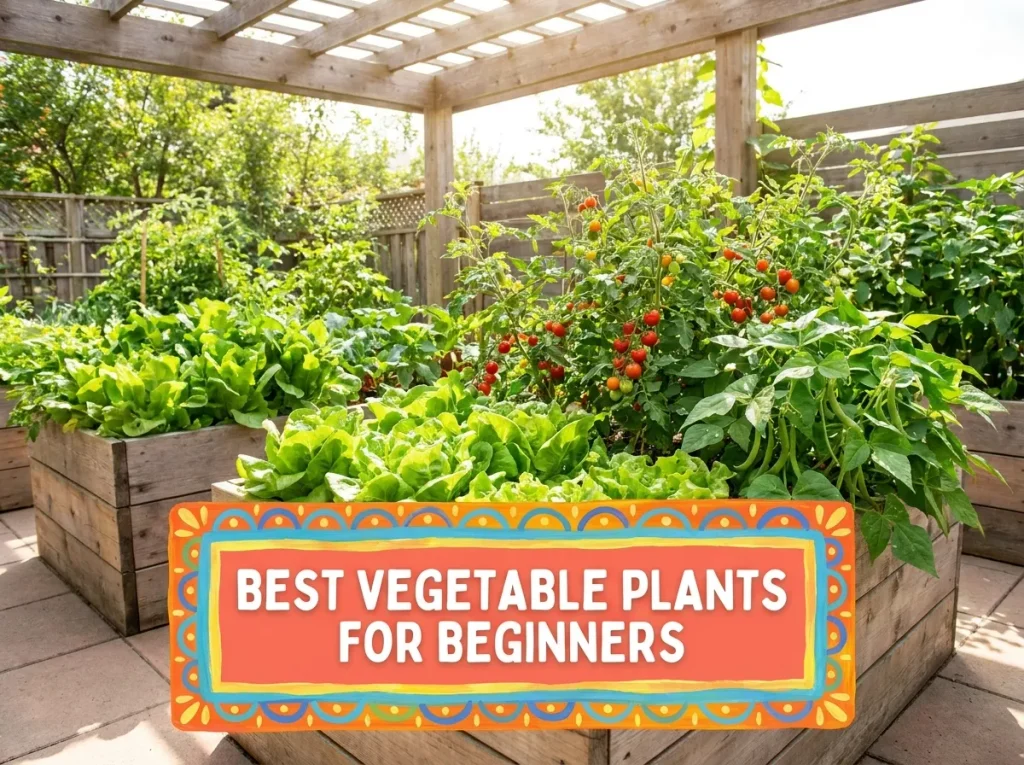
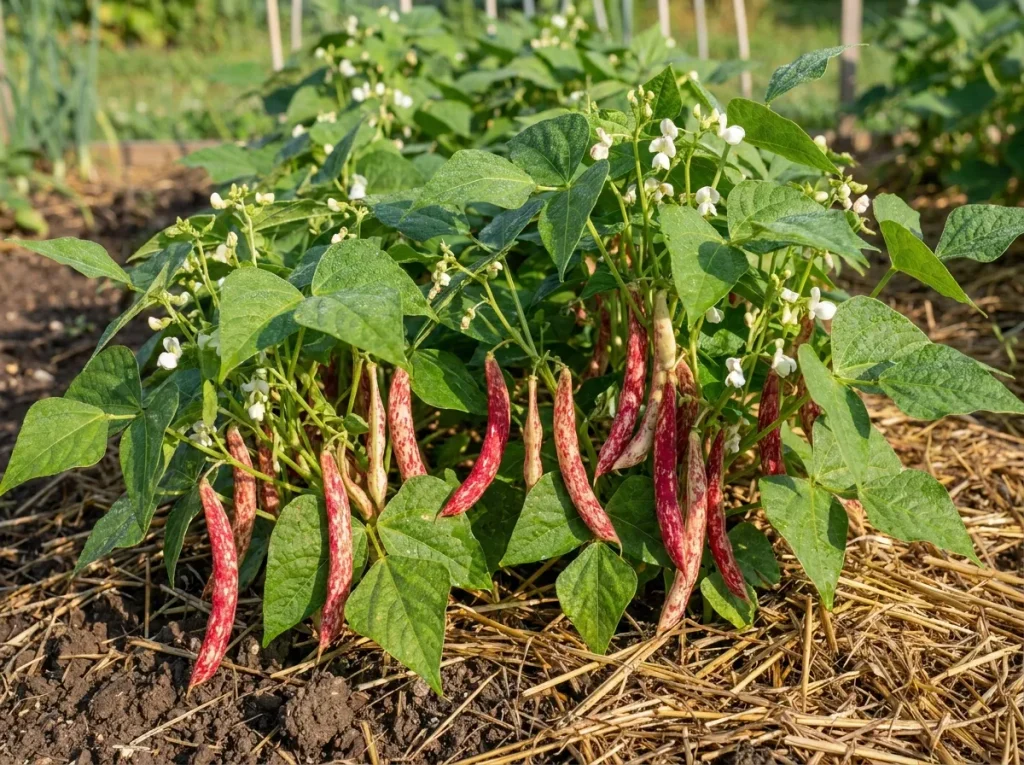
Bush beans are much easier than pole beans. You do not need to build a heavy trellis for them. They grow into small, sturdy plants that stand on their own. They also produce a lot of food for their size.
These plants actually help the soil by adding nitrogen. They are very reliable producers throughout the summer. Just plant the seeds after the last frost of the season. Give them plenty of sun, and you will have beans to eat all summer long.
Cherry Tomatoes
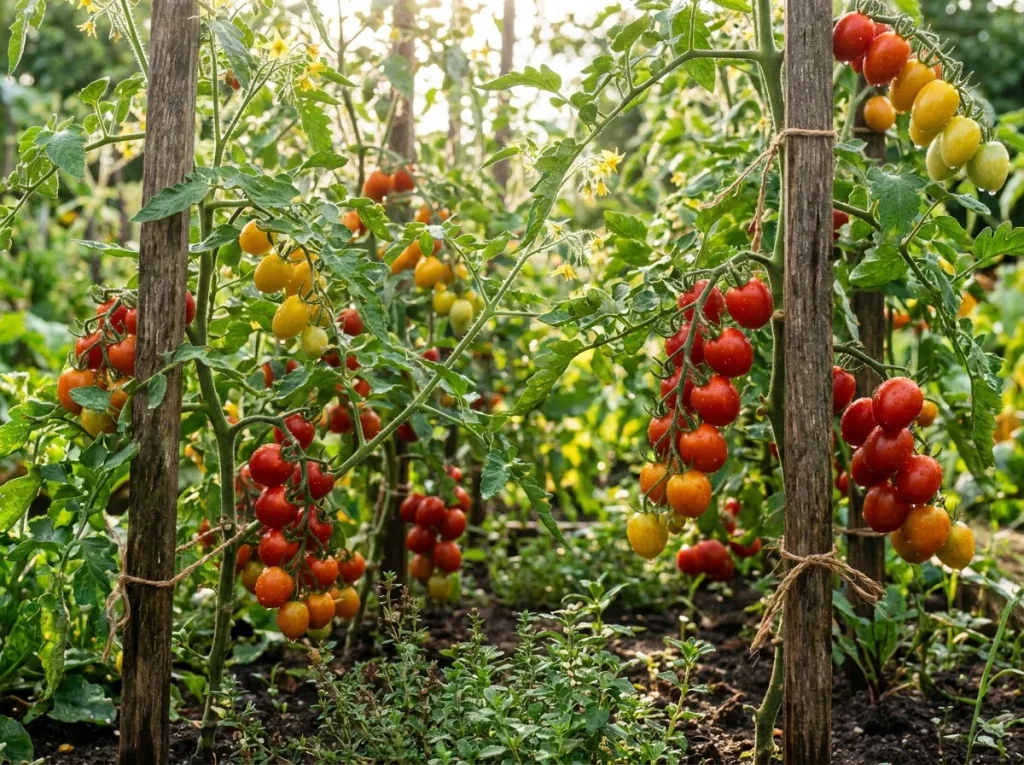
Every new gardener wants to grow tomatoes. Big tomatoes can be tricky because they need a lot of support. Cherry tomatoes are much easier. They grow in big clusters and produce fruit until the weather gets cold.
You will need a cage or a stake to hold the plant up as it grows. This keeps the fruit off the ground. Give them a sunny spot and water them at the base of the plant. Avoid getting the leaves wet to keep the plant healthy.
Cucumber Plants
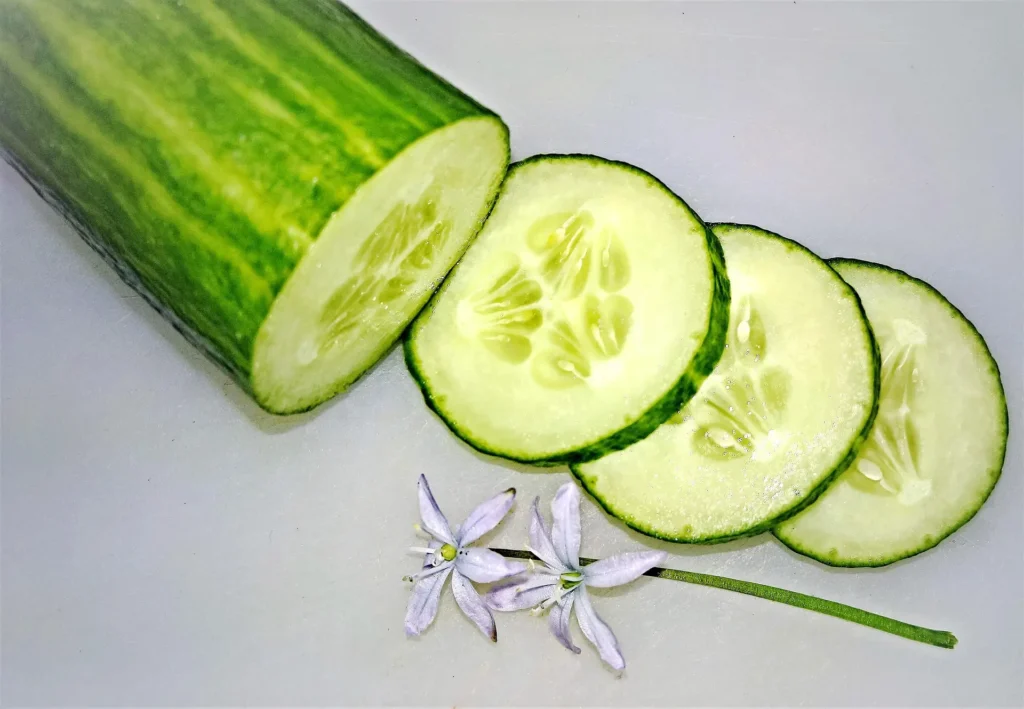
Cucumbers grow very fast during the summer months. They love warm weather and lots of water. If you have a fence, you can let them climb it. This saves space and keeps the cucumbers clean.
You can also grow them in containers. If you do this, pick a “bush” variety. They stay smaller than traditional vines. You will be surprised by how many cucumbers one or two plants can provide.
Basic Tips for Success
Gardening is mostly about three things. You need good sunlight, decent soil, and consistent water. Most vegetables want at least six to eight hours of direct sun every day. If your yard is shady, your plants will grow slowly.
Good soil makes a huge difference. If you are using pots, buy a high-quality potting mix. If you are planting in the ground, add some compost to the soil. This feeds the plants and helps the soil hold moisture better.
Watering is the part where most people go wrong. Try to water in the morning. This gives the plants time to dry off before the night. Wet leaves at night can lead to fungus and diseases. Stick your finger an inch into the soil. If it feels dry, it is time to water.
Common Mistakes to Avoid
Do not try to grow too much at once. It is better to have three healthy plants than ten dying ones. Start small and see how it goes. You can always add more next year.
Also, watch out for weeds. Weeds steal water and nutrients from your vegetables. Pull them out whenever you see them. It only takes a few minutes if you do it often.
Finally, remember to enjoy the process. Not every plant will make it, and that is okay. Even experienced gardeners lose plants sometimes. Learn from what happens and keep trying.
Frequently Asked Questions
How much water do my vegetables need?
Most vegetables need about an inch of water every week. If it is very hot or windy, they might need more. Always check the soil moisture with your finger before watering.
Can I grow vegetables in the shade?
Most vegetables need full sun to grow well. If you have a shady spot, you can try growing leafy greens like lettuce or spinach. They can handle a little less light than tomatoes or cucumbers.
What if I do not have a garden bed?
That is perfectly fine. You can grow almost anything in pots or containers. Just make sure the container has holes in the bottom so water can drain out.
When should I start planting?
It depends on your local climate. Generally, you wait until the danger of frost has passed in the spring. You can look up your local “last frost date” online to know when it is safe to plant outside.