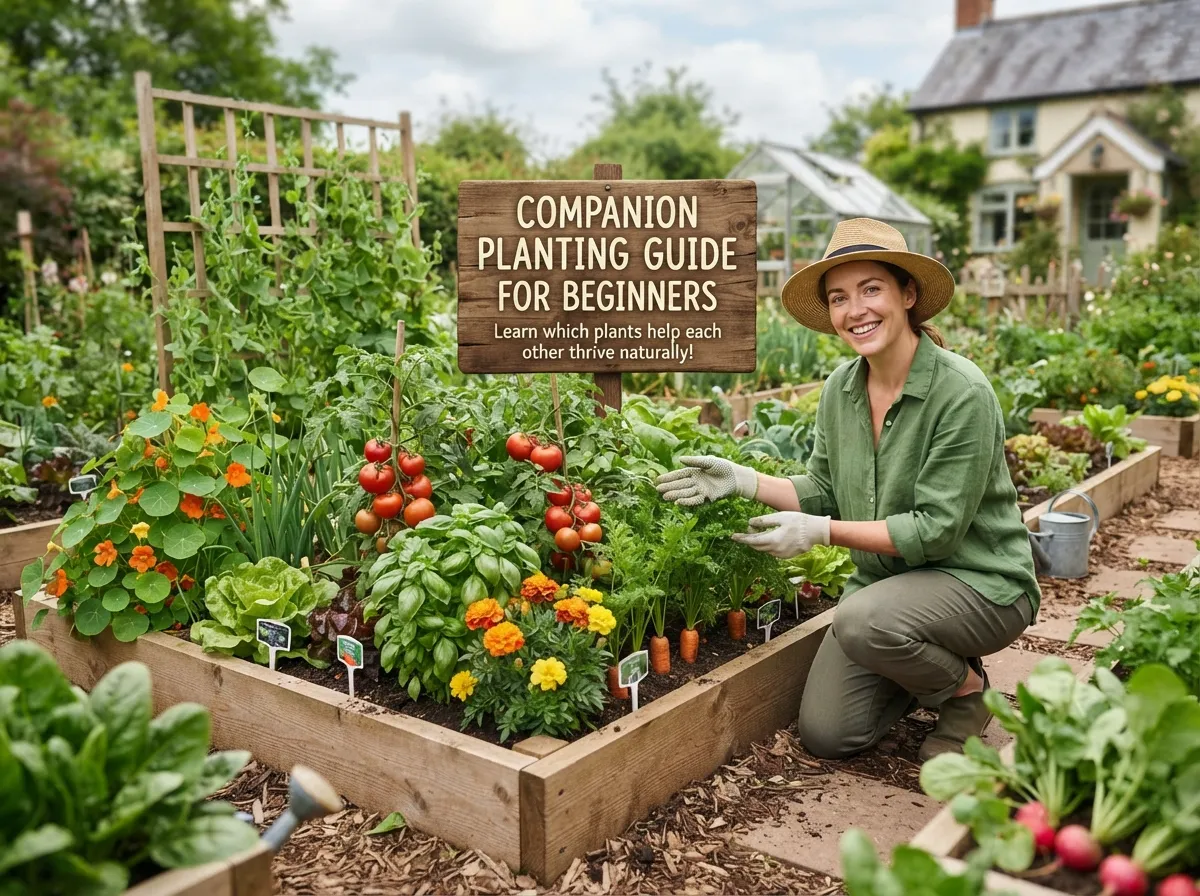
Companion Planting Guide for Beginners
Gardening is one of those hobbies that feels great until you start dealing with pests or plants that just refuse to grow. If you have ever felt frustrated because your plants look sad, you might need to change how you arrange them. This is where companion planting comes in. It is basically like picking the right roommates for your plants.
When you put the right plants next to each other, they help one another grow. Some plants scare away bugs. Others give shade or improve the soil. At Plantzu, we love seeing how much better a garden does when you stop planting in rows of the same thing and start mixing it up.
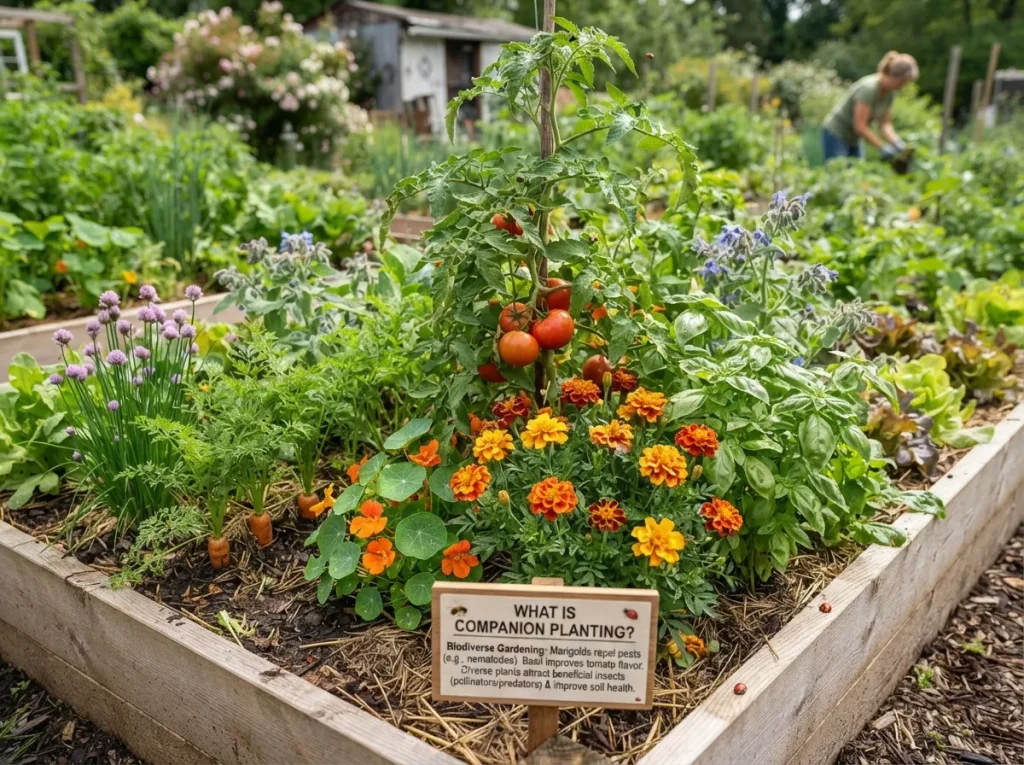
What is Companion Planting?
Companion planting is an old technique that makes gardening much easier. Instead of using harsh chemicals to kill bugs, you use nature to do the work for you. You find plants that like to be together. Some offer protection, while others help their neighbors get more nutrients.
Think about it like your own life. You probably work better when you are around people who support you, right? Plants are very similar. When you put a strong-smelling herb next to a vegetable that bugs love, the bug gets confused and leaves the vegetable alone. It is simple, effective, and keeps your garden organic.
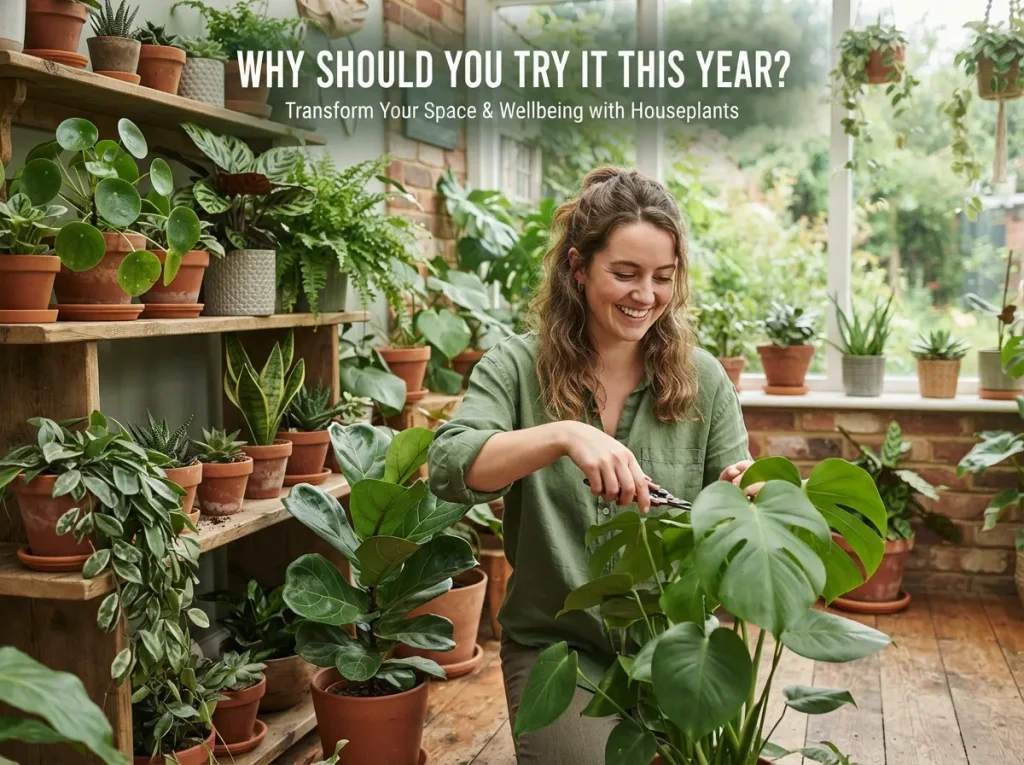
Why Should You Try It This Year?
Since we are in 2026, many gardeners are moving away from heavy fertilizers. They want natural ways to grow food and flowers. Companion planting is the best way to do that. It saves you money on sprays and helps your soil stay healthy for a long time.
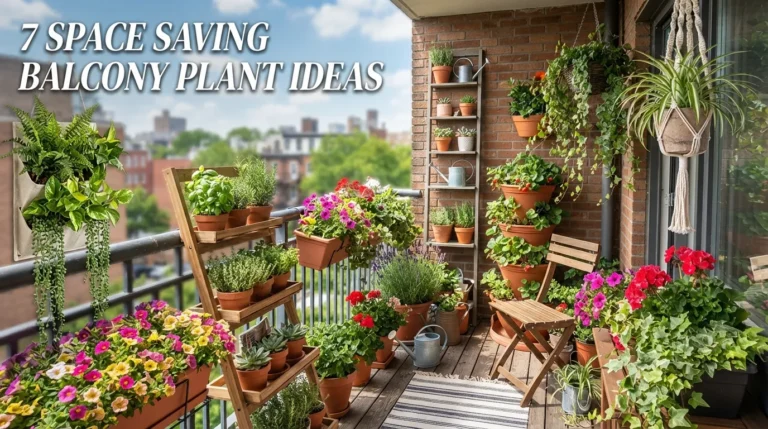
It also helps you get more from your space. If you are growing indoors or on a small balcony, every inch counts. You can pair tall plants with short ones to use vertical space well. If you are looking to branch out into bigger crops later this year, checking out Watermelon Gardening Tips can show you how smart plant placement makes a huge difference in your harvest size.
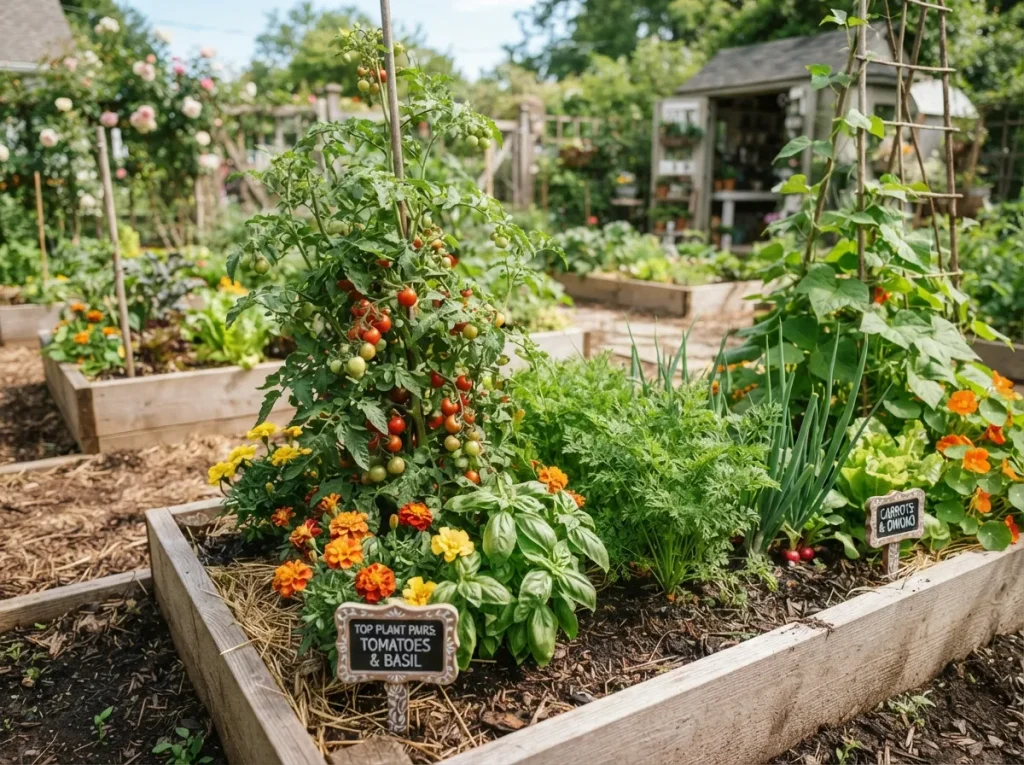
Top Plant Pairs for Your Garden
You do not need to be an expert to start this. You just need to know which plants get along. Here are some of the best combinations that work well in almost any indoor or patio setup.
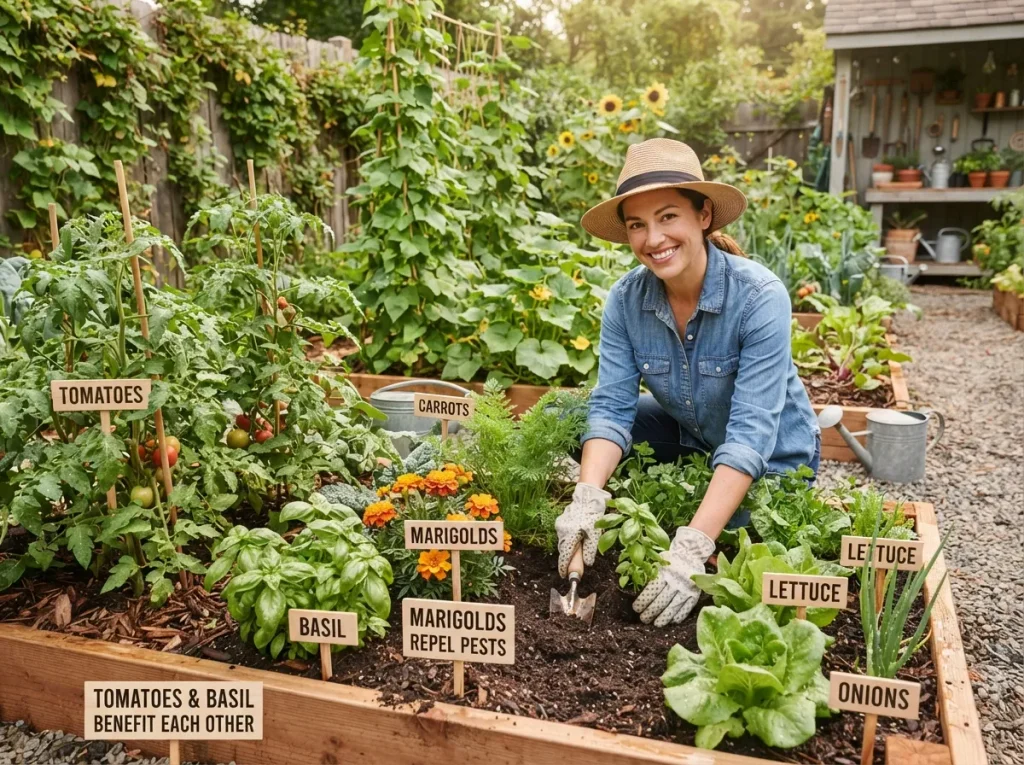
- Basil and Tomatoes: This is the classic duo. Basil helps tomatoes taste better and keeps away flies and mosquitoes.
- Marigolds and Almost Anything: Marigolds are the superheroes of the garden. Their scent keeps many nasty pests away from your veggies and herbs.
- Nasturtiums and Cucumbers: Nasturtiums act like a trap. Bugs will go to them instead of eating your cucumbers.
- Chives and Carrots: Chives help repel carrot flies. Plus, they look nice together in a pot.
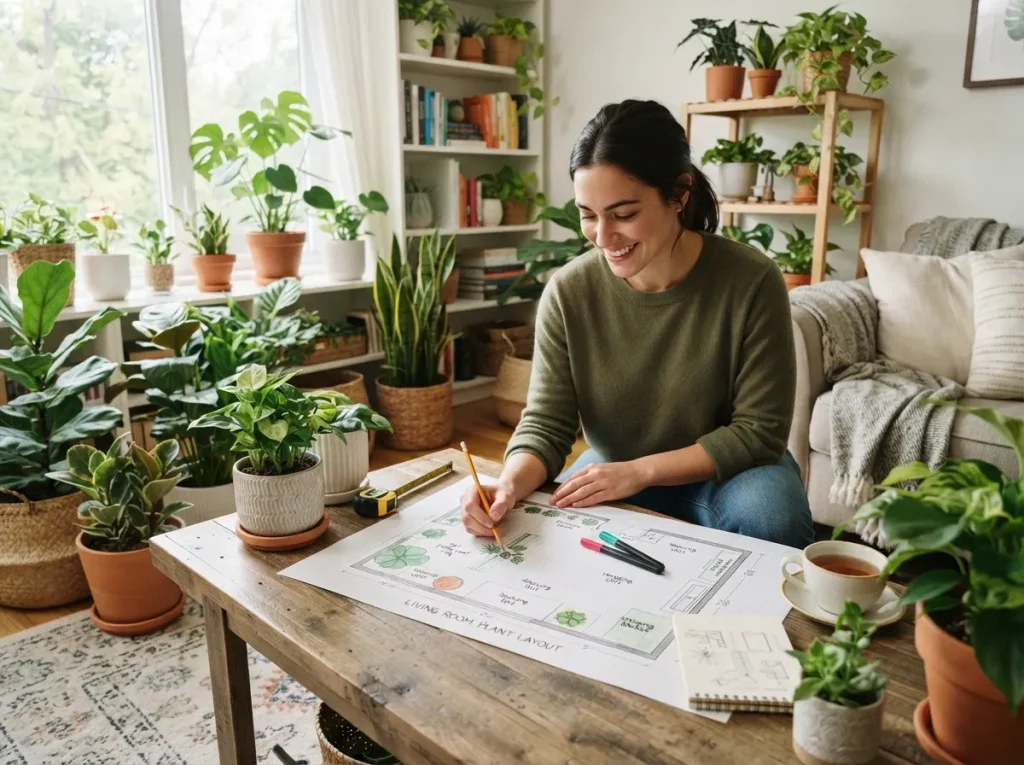
How to Plan Your Space
Before you start digging, take a moment to look at your pots. Do not just put everything in one big container. Think about how much light each plant needs. A sun-loving tomato plant will not be happy sharing a pot with a plant that prefers the shade.
Also, keep an eye on how big they grow. Some herbs grow fast and can take over a pot. If you are using small pots for indoor plants, make sure you pick partners that have similar water needs. You do not want one plant to drown because its neighbor likes a lot of water.
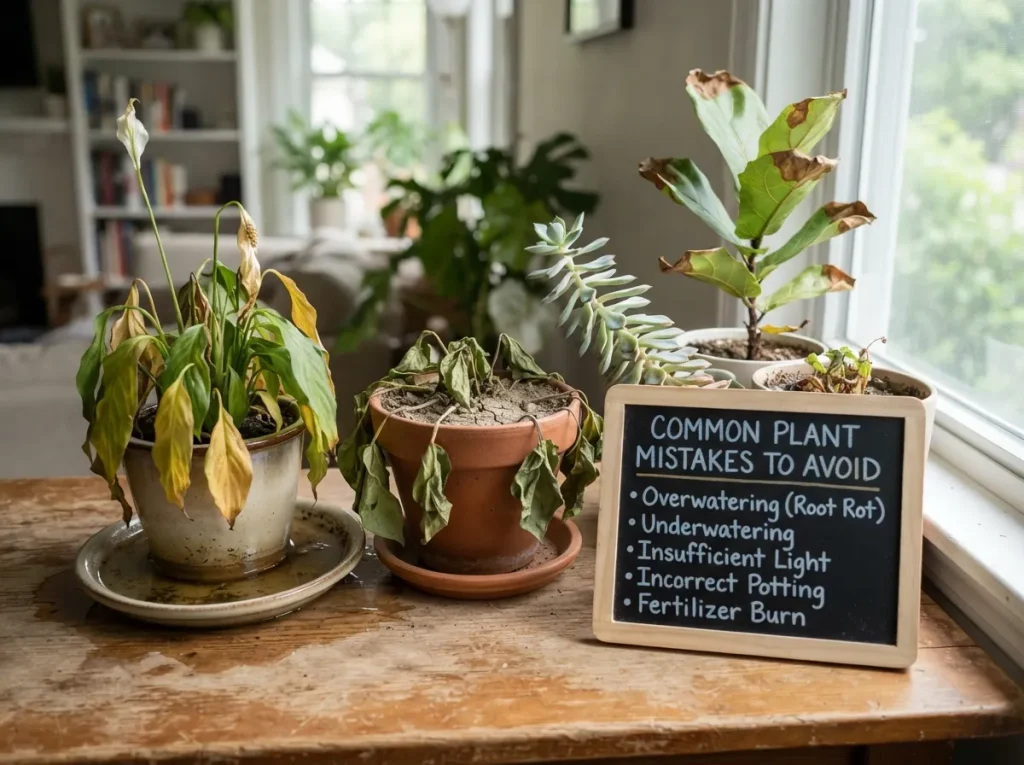
Common Mistakes to Avoid
The most common mistake is planting enemies together. Yes, some plants actually hate each other. For example, do not plant onions near beans. The onions can stunt the growth of the beans, which is the last thing you want after putting in all that work.
Another mistake is crowding. Even if two plants are good companions, they still need room for air to move. If you pack them too tight, you might get mold or fungus. Always check the labels on your plant tags to see how much space they need.
Keep It Simple and Have Fun
Do not feel like you have to get it perfect on your first try. Gardening is a learning process. If one pair does not work, change it next season. The joy of gardening comes from watching things change and grow.
If you keep things simple, you will have a much better time. Start with two or three pairs that you know work well. Watch them for a few weeks. If they look happy and healthy, you know you are on the right track.
Frequently Asked Questions
Does companion planting really work?
Yes, it does. It uses natural smells and growth habits to help plants survive. It is a proven way to reduce pests without using chemicals.
Can I do this with indoor plants?
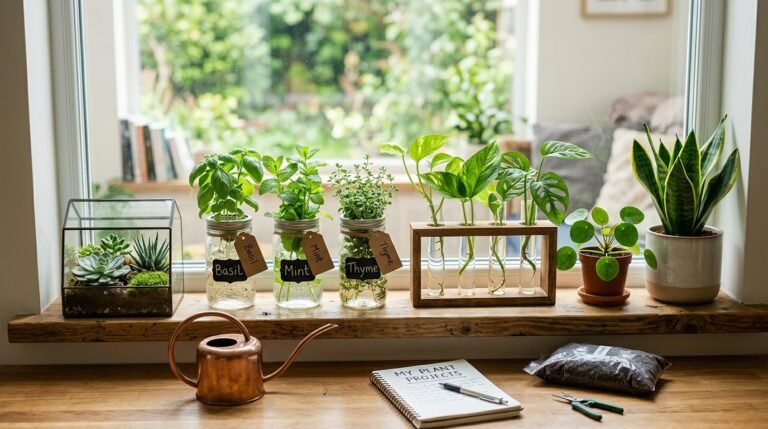
Absolutely. Many people grow herbs and small vegetables together on sunny windowsills. Just make sure the plants you choose share the same light and water requirements.
What if my plants still get pests?
Companion planting helps, but it is not a magic shield. If you have a serious bug problem, you might need to manually pick them off or use a mild soap spray. Keep your plants healthy, and they will be stronger against pests anyway.
How do I know if two plants are enemies?
Most gardening books and websites will tell you what not to plant together. For example, stay away from putting plants from the same family in the same pot, as they often fight for the same nutrients.