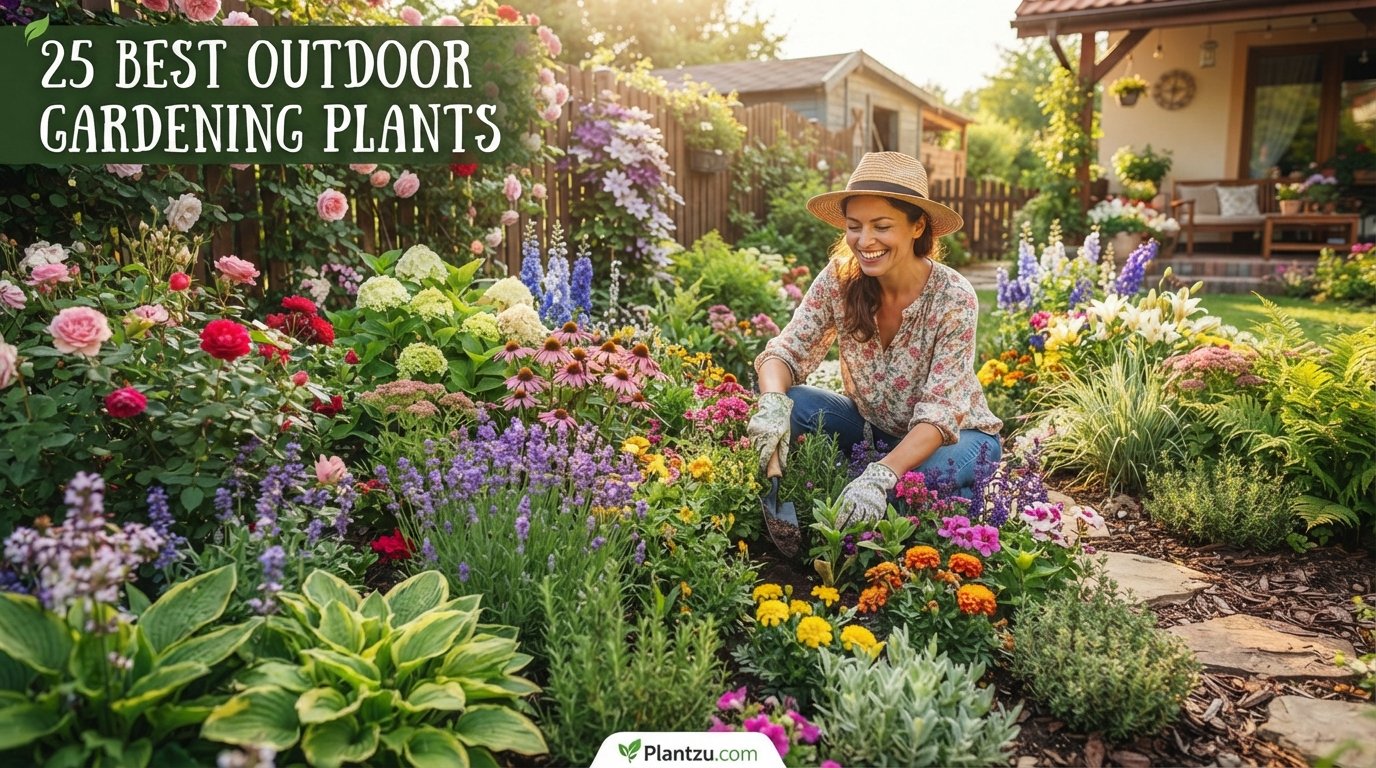
25 Best Outdoor Gardening Plants for Every Yard
25 Best Outdoor Gardening Plants for Every Yard, The best plant for a scorching Arizona driveway strip is not the best plant for a damp Oregon shade bed. So instead of one ranked list, this is five short lists — organized by the situation you’re actually trying to fill.
Every plant here shares three traits: it performs reliably, it doesn’t demand constant attention, and it looks good for more than two weeks.
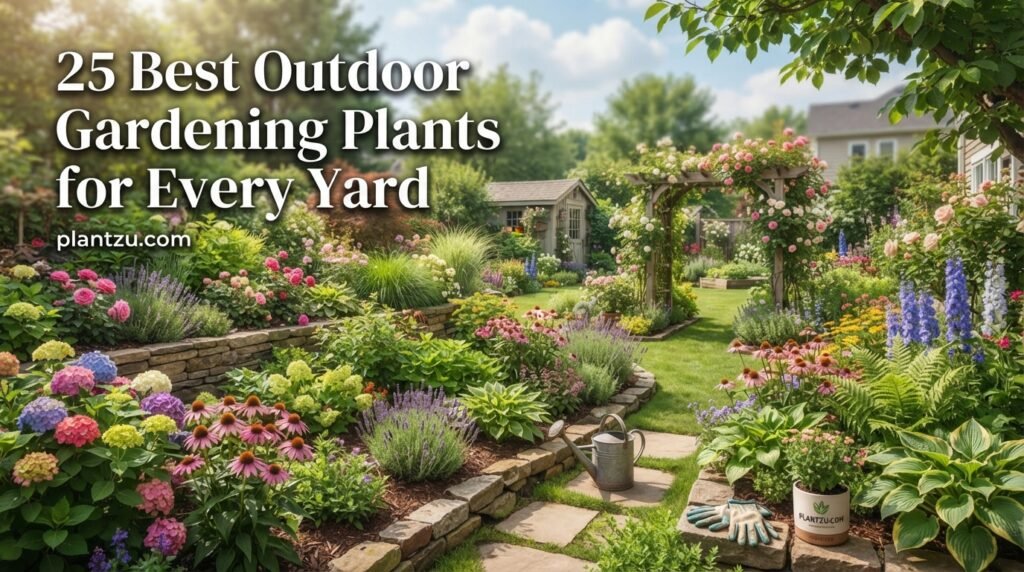
25 Best Outdoor Gardening Plants for Every Yard
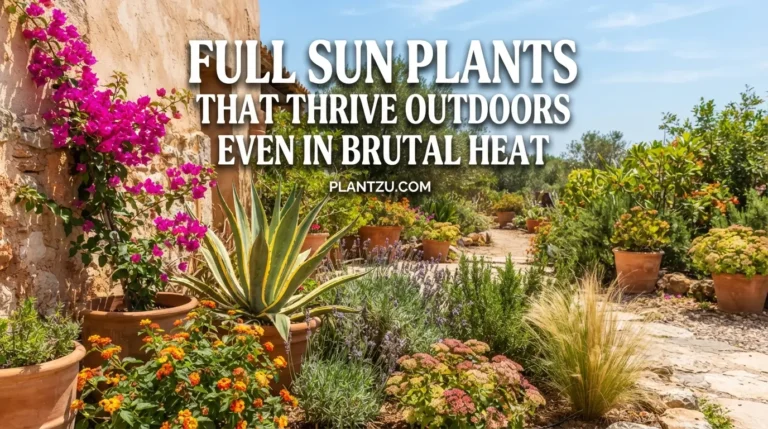
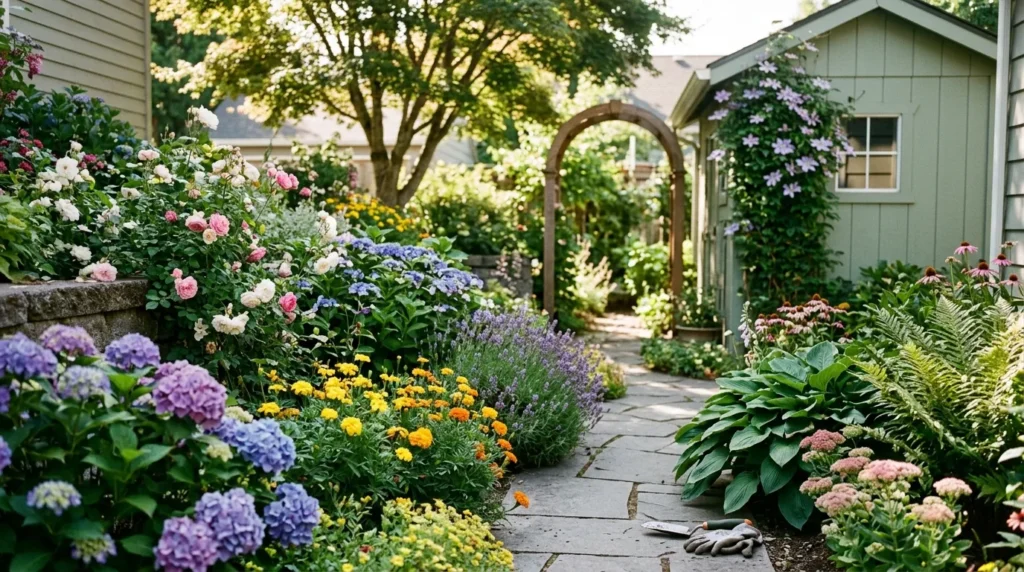
These want all-day light and reward you for it.
Coneflower (Echinacea)
A native perennial with stiff stems that never flop, blooms from midsummer to frost, and thrives in poor soil. Leave the seed heads standing in winter and goldfinches will visit.
Salvia
Vertical spikes of purple or red, drought tolerant once established, and hummingbirds treat it like a landing pad. Shear it after the first flush and it blooms again.
Lavender
Silver foliage, incredible scent, and it actively prefers lean sandy soil. Give it excellent drainage and full sun and it asks nothing else.
Black-eyed Susan (Rudbeckia)
Gold daisies from July through October. Spreads gently, tolerates heat and drought, and looks effortless.
Russian Sage
A haze of lavender-blue over silvery stems, four feet tall, essentially unkillable in dry sun.
Zinnias
The best annual for cut flowers. Sow seeds directly, cut aggressively, and it blooms harder in response.
Best Shade Plants
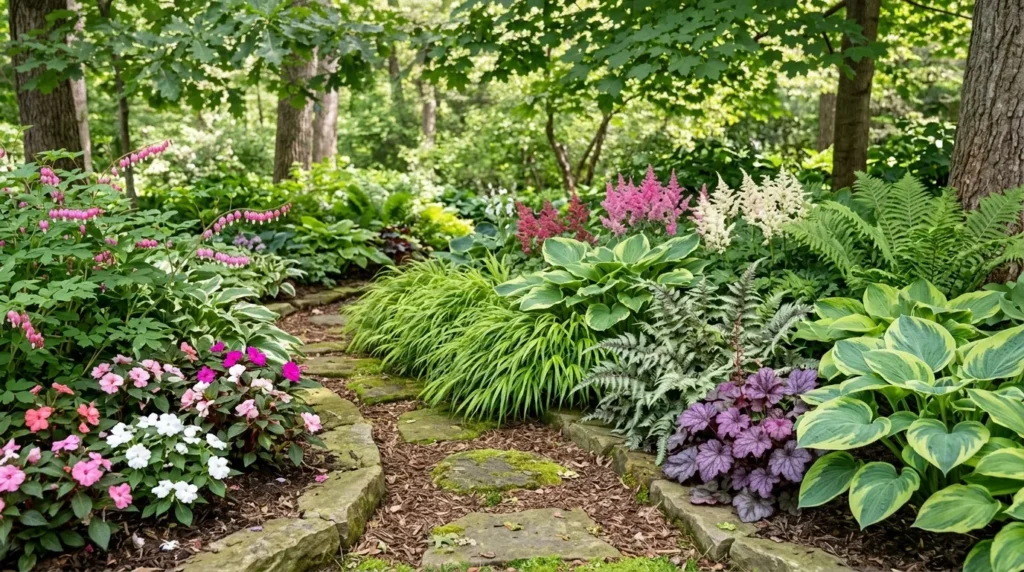
Shade isn’t a limitation — it’s a different palette.
Hosta
Foliage in blue, chartreuse, and variegated cream. Decades-long lifespan, essentially zero maintenance. Only enemy is slugs.
Astilbe
Feathery plumes of pink, white, or red that bring genuine flower color to full shade. Wants consistent moisture.
Heuchera (Coral Bells)
Evergreen mounds in caramel, plum, lime, and near-black. Interesting in every season.
Ferns
Ostrich, Japanese painted, and autumn fern all bring texture where nothing else grows. Plant once, ignore forever.
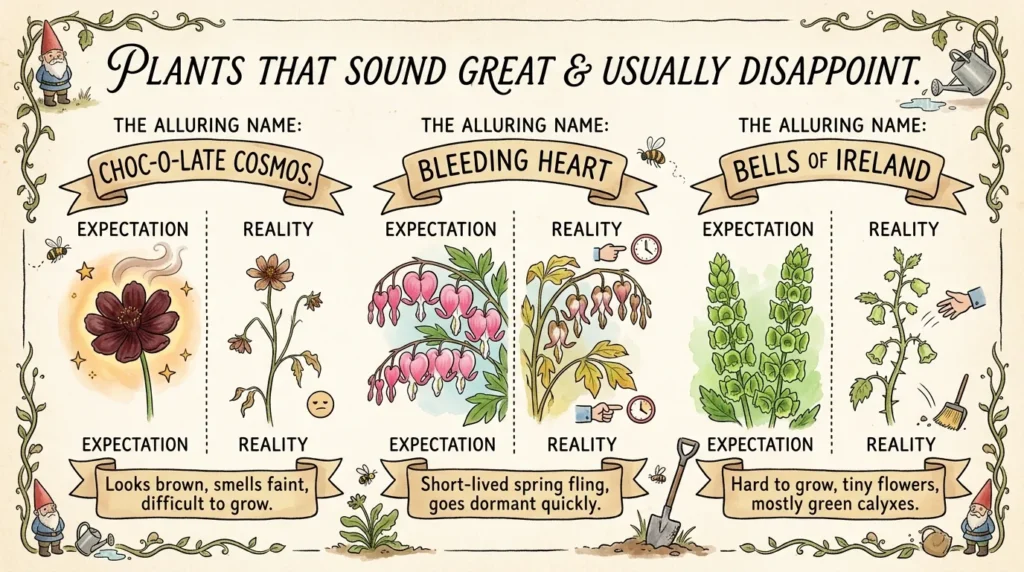
Bleeding Heart
Arching stems hung with heart-shaped pink flowers in spring. Goes dormant in summer heat, so pair it with hosta to fill the gap.
Impatiens
The most dependable shade annual for solid, season-long color.
Best Plants for Containers
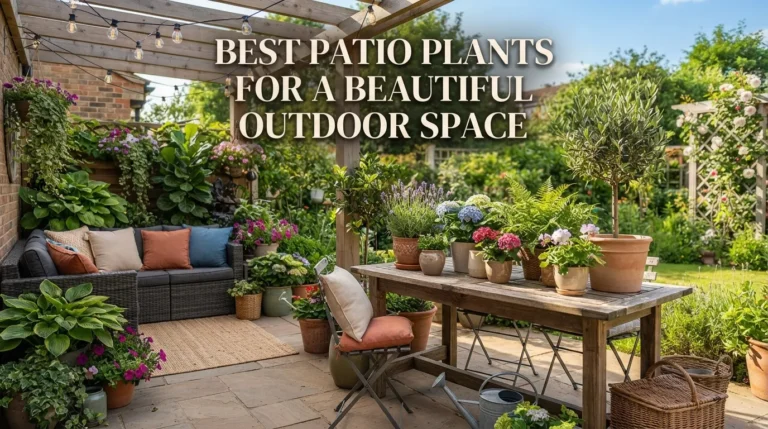
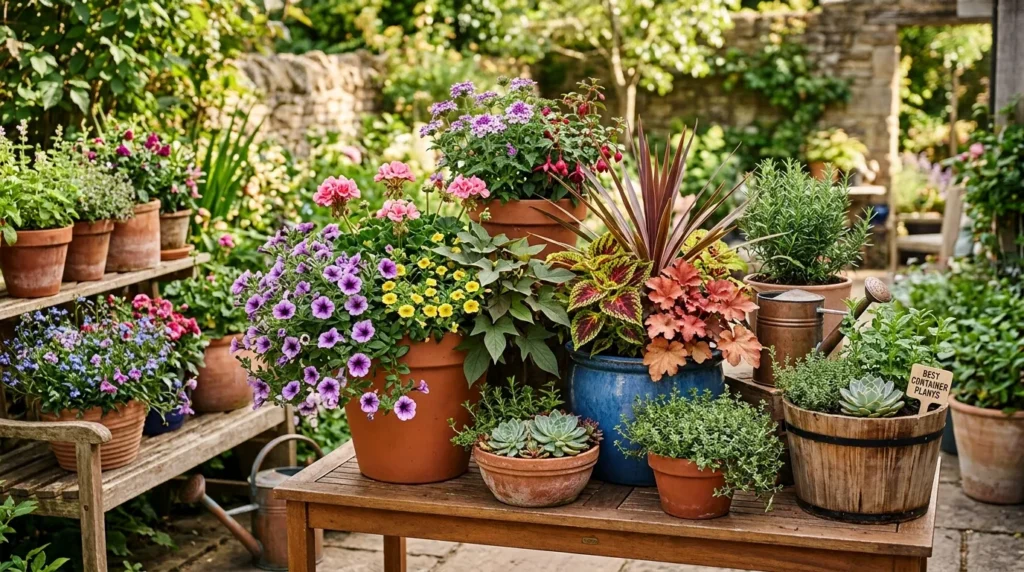
Pots need plants that handle root confinement and heat.
Petunias
Cascading color for months, especially trailing types. Feed them regularly and they never stop.
Geraniums
Old-fashioned and unbeatable. Tolerate heat, dislike overwatering, bloom all season.
Coleus
Grown entirely for its leaves: burgundy, lime, hot pink, patterned. Works in sun or shade depending on variety.
Sweet Potato Vine
A spilling chartreuse or deep purple trailer that fills out a container fast.
Herbs — basil, rosemary, thyme
Beautiful, useful, and happier in pots where you can control drainage.
Dwarf Japanese Maple
For a large statement container. Elegant year-round structure in a small footprint. also look for outdoor gardening plants.
Best Edible Plants for Beginners
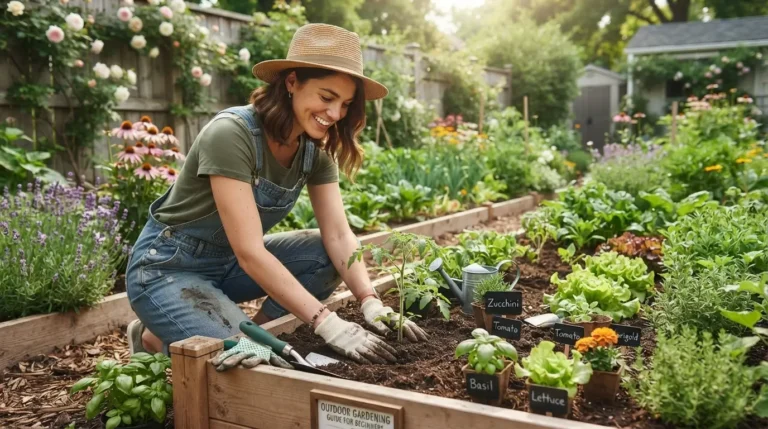
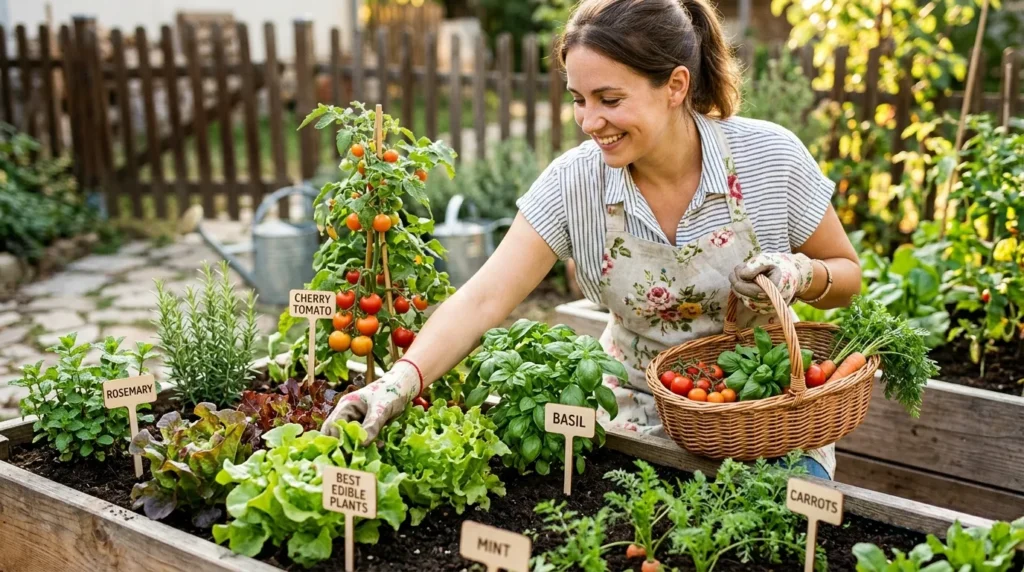
Cherry Tomatoes — More productive and more disease-resistant than large-fruited types. One plant feeds a household of snackers.
Bush Beans — Direct-sow, harvest in about 55 days, no trellis needed.
Lettuce and Salad Greens — Ready in four weeks, cut-and-come-again for multiple harvests from one planting.
Zucchini — Almost aggressively productive. Two plants is plenty. Truly.
Peppers — Compact, attractive enough for ornamental beds, and they love heat.
Strawberries — Perennial, container-friendly, and they multiply on their own via runners.
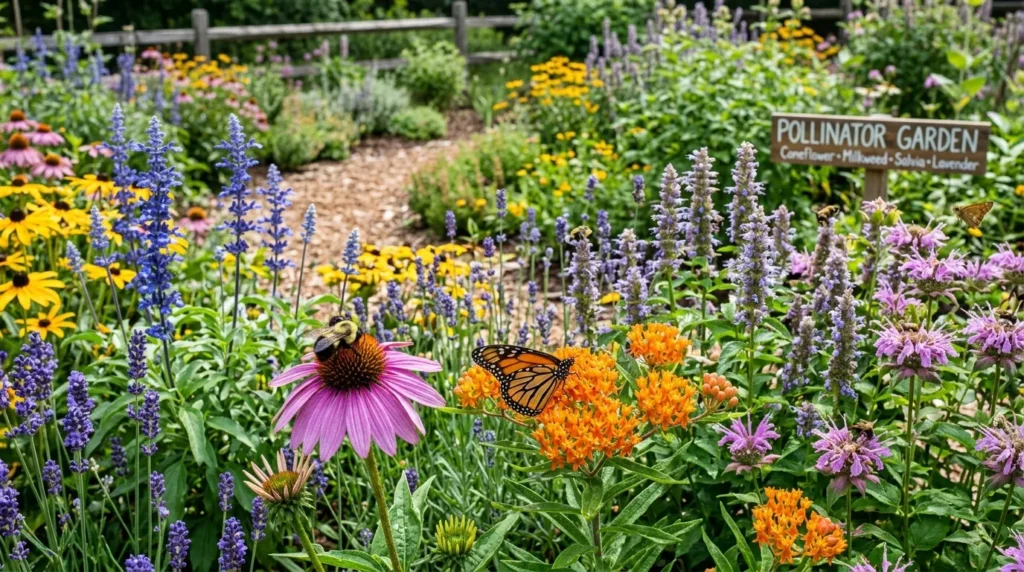
Best Pollinator Plants
A garden with pollinators is a garden that produces.
Bee Balm (Monarda) — Shaggy red or purple flowers that attract bees, butterflies, and hummingbirds equally. Choose mildew-resistant varieties.
Milkweed (Asclepias) — The only host plant for monarch caterpillars. Planting it is a small act of conservation.
Catmint (Nepeta) — Blooms for months, drought proof, and constantly humming with bees.
Yarrow — Flat flower clusters that beneficial insects can land on easily. Thrives in poor dry soil.
Aster — Blooms in fall when pollinators desperately need late-season nectar.
How to Choose Between Them
Buying plants is fun. Buying the right plants requires three quick questions.
How much light does this spot actually get? Count the hours. This single fact eliminates most failures.
Do I want it back next year? Perennials cost more upfront but return indefinitely. Annuals are cheap experiments.
How much water can I honestly commit to? If the answer is “not much,” build your garden from the drought-tolerant names above: lavender, sedum, yarrow, Russian sage, catmint, coneflower.

A Design Trick That Makes Any Combination Look Intentional
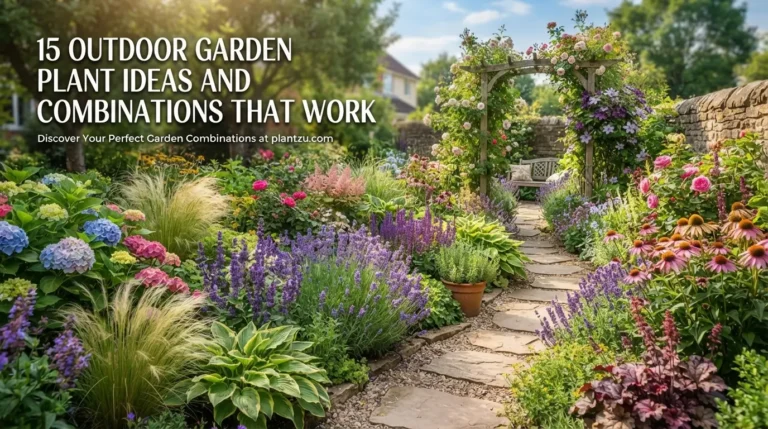
Plant in odd-numbered groups — threes, fives, sevens. Repeat the same plant in at least two places in a bed. Layer by height with tall in back, medium in middle, low at the edge.
Then mix three foliage textures: something broad (hosta, hydrangea), something fine (grasses, yarrow foliage), something spiky (salvia, iris). Texture contrast is what separates a designed bed from a plant collection — and it holds the space together even when nothing is blooming.
Plants That Sound Great and Usually Disappoint
Worth knowing before you spend money.
Mint in the ground
It will take the entire bed. Containers only.
Bamboo (running types)
Nearly impossible to remove once established. Clumping varieties only.
Wisteria
on a flimsy structure It’s strong enough to crush a trellis and lift gutters.
Hybrid tea roses for beginners — Gorgeous, but disease-prone and demanding. Start with a shrub rose instead.
Build Your Own Best List
A garden that works is usually built on about 25 Best Outdoor Gardening Plants for Every Yard repeated well, not forty planted once. Choose two structural shrubs, three perennials that bloom at different times, one ornamental grass, and two annuals you can swap each season. Repeat them across your beds.