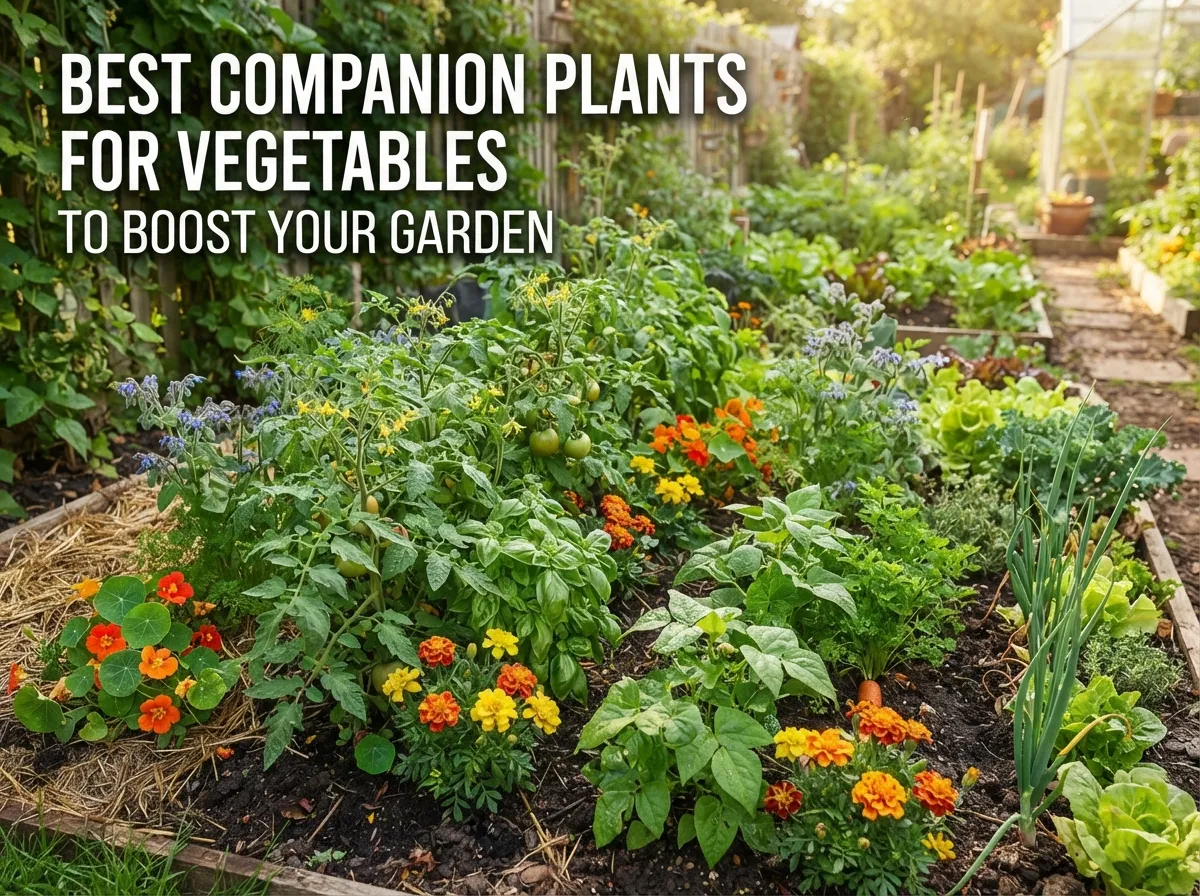
Best Companion Plants for Vegetables to Boost Your Garden
Gardening is one of the most rewarding hobbies you can pick up. There is nothing like eating a tomato that you grew yourself. But sometimes, plants struggle. They get pests, they grow slowly, or they just do not look happy. The secret to a better harvest often lies in companion planting.
Companion planting is a simple idea. You place certain plants next to each other because they help one another grow. Some plants keep bugs away. Others help the soil or provide shade. It is like picking the best neighbors for your vegetables. When you get it right, your garden takes care of itself a little bit more.
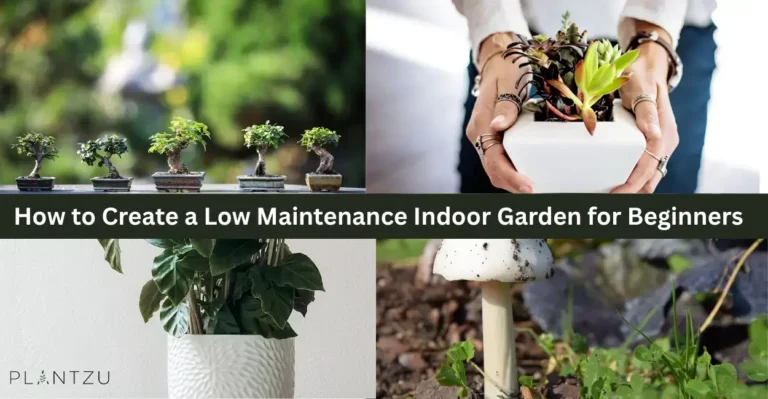
If you are just getting started and want to keep things simple, you might also want to look at How to Create a Low-Maintenance Indoor Garden for Beginners. Bringing some of these ideas inside can help you practice your green thumb all year round. Let us look at the best plant pairings for your vegetable patch.
Why Companion Planting Matters in 2026
In 2026, many of us want to grow food without using harsh chemicals. Companion planting is the best way to do that. It uses nature to solve problems. Instead of buying sprays, you can plant flowers that attract helpful insects. These insects eat the bad bugs that want to eat your vegetables.
At Plantzu, we believe that gardening should be fun and not stressful. When you pair your plants correctly, you spend less time fixing problems. You spend more time enjoying your harvest. It is a smart way to manage your space, especially if you have a small garden or a few raised beds.
Great Plant Pairs for Your Garden
Some plants just love being together. They share space well and support each other. Here are some of the most popular combinations that work well in almost any backyard.
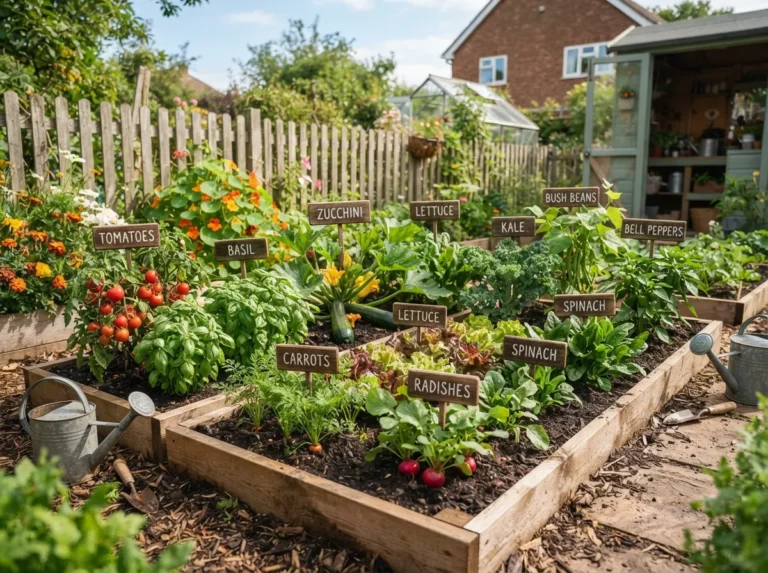
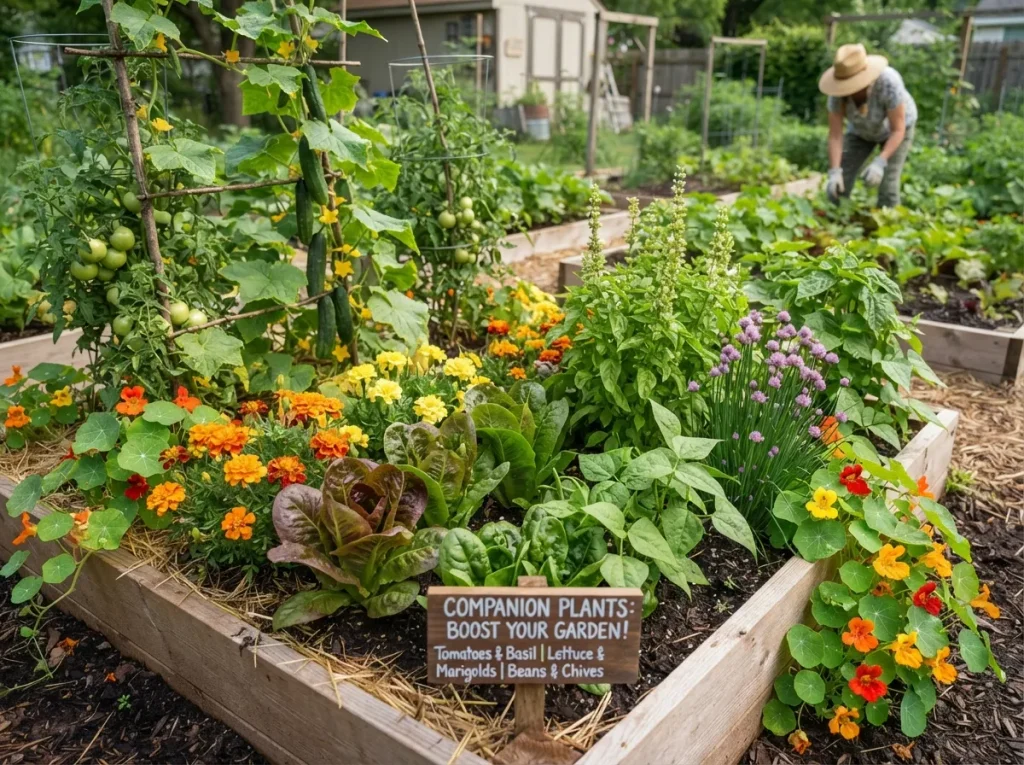
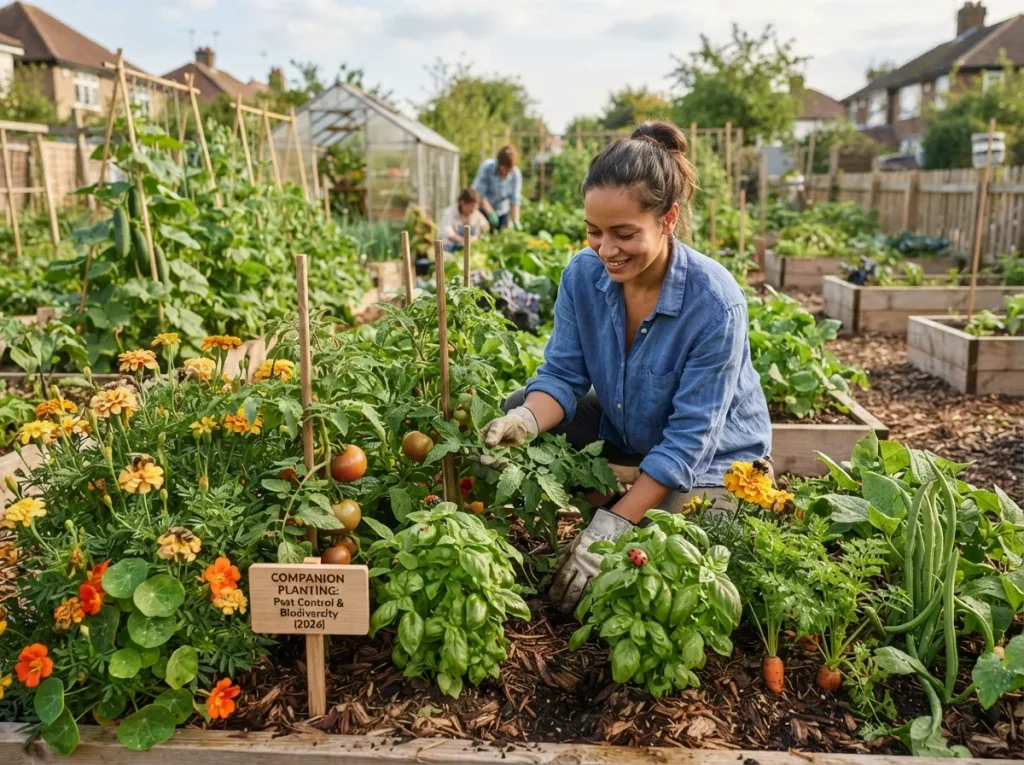
- Tomatoes and Basil: This is a classic. Basil helps improve the flavor of tomatoes. It also acts as a natural pest repellent for the hornworms that love tomato leaves.
- Carrots and Onions: Carrots often suffer from carrot flies. The strong smell of onions hides the scent of the carrots. This keeps the flies away from your root crops.
- Lettuce and Tall Flowers: Lettuce likes a little bit of shade when the summer sun gets too hot. Planting tall flowers like zinnias nearby creates the perfect cool spot for your greens.
- Peppers and Marigolds: Marigolds are the superheroes of the garden. They release a scent that many garden pests hate. Planting them near your peppers keeps your plants safe and looking bright.
- Beans and Corn: This is an old trick. The corn provides a stalk for the beans to climb. In return, the beans add nitrogen to the soil, which helps the corn grow big and strong.
Plants to Avoid Planting Together
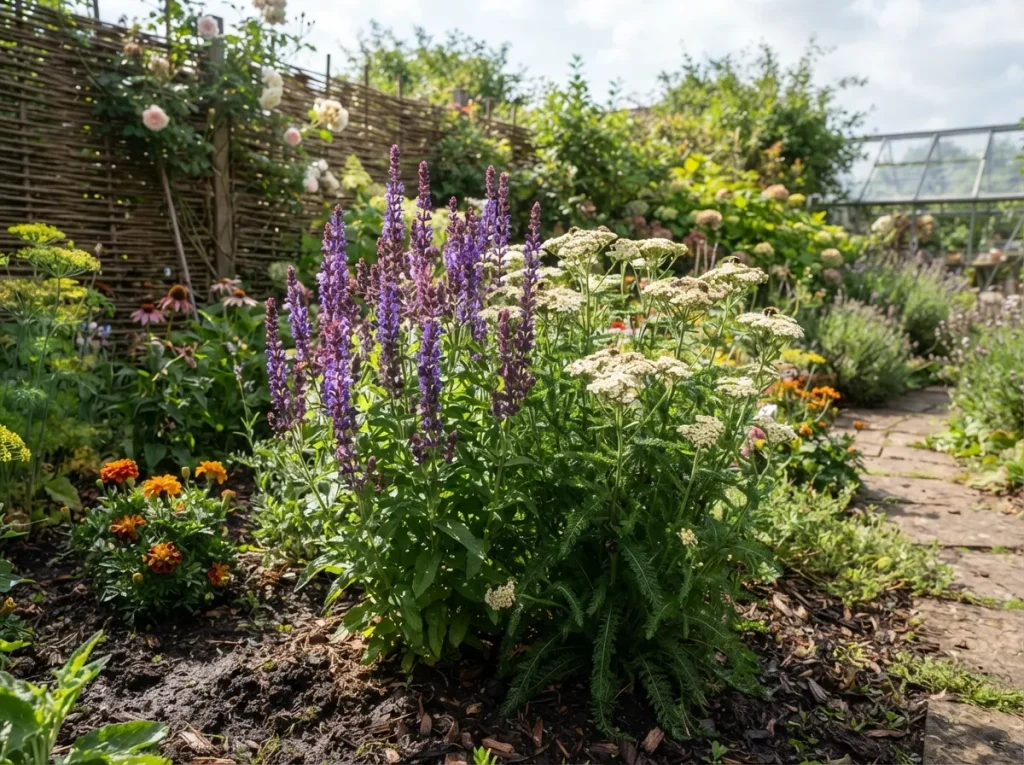
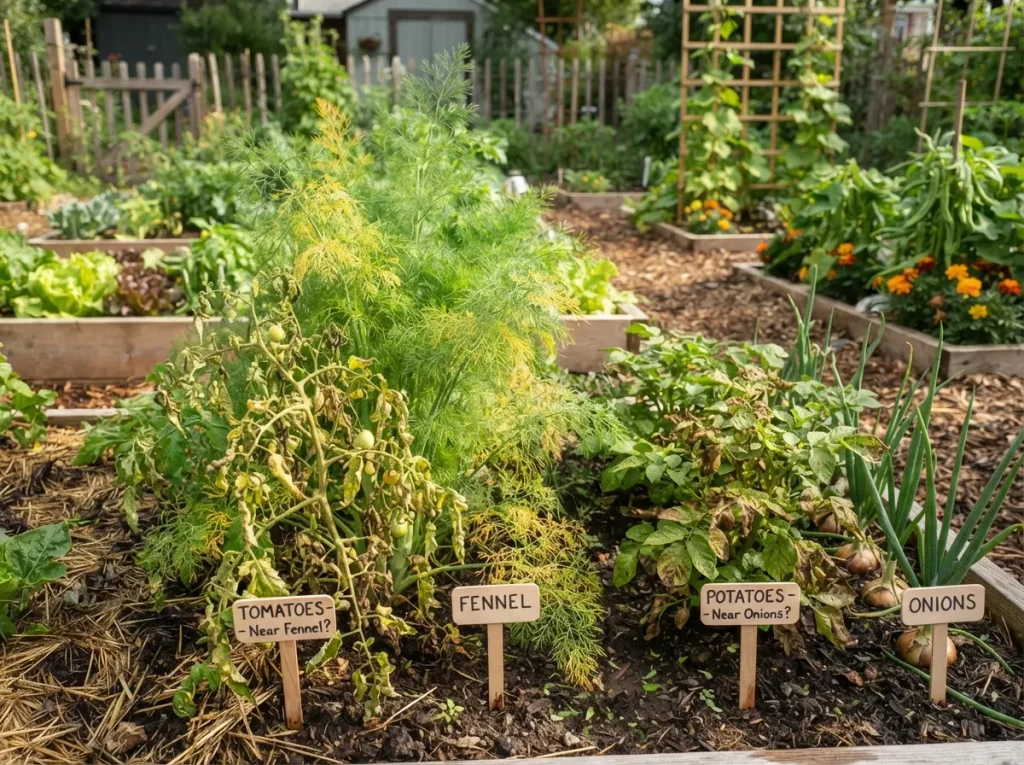
Just like people, some plants do not get along. They might fight for the same nutrients in the soil. Sometimes, they can actually attract the same pests, which makes the problem worse. Knowing what to keep apart is just as important as knowing what to put together.
For example, keep onions away from beans. Onions can stunt the growth of beans. Also, avoid planting potatoes near tomatoes. They are in the same family, so they can share diseases easily. If one gets sick, the other one will likely follow. Keeping them separated gives your garden a better chance to stay healthy.
Planning Your Layout for the Best Results
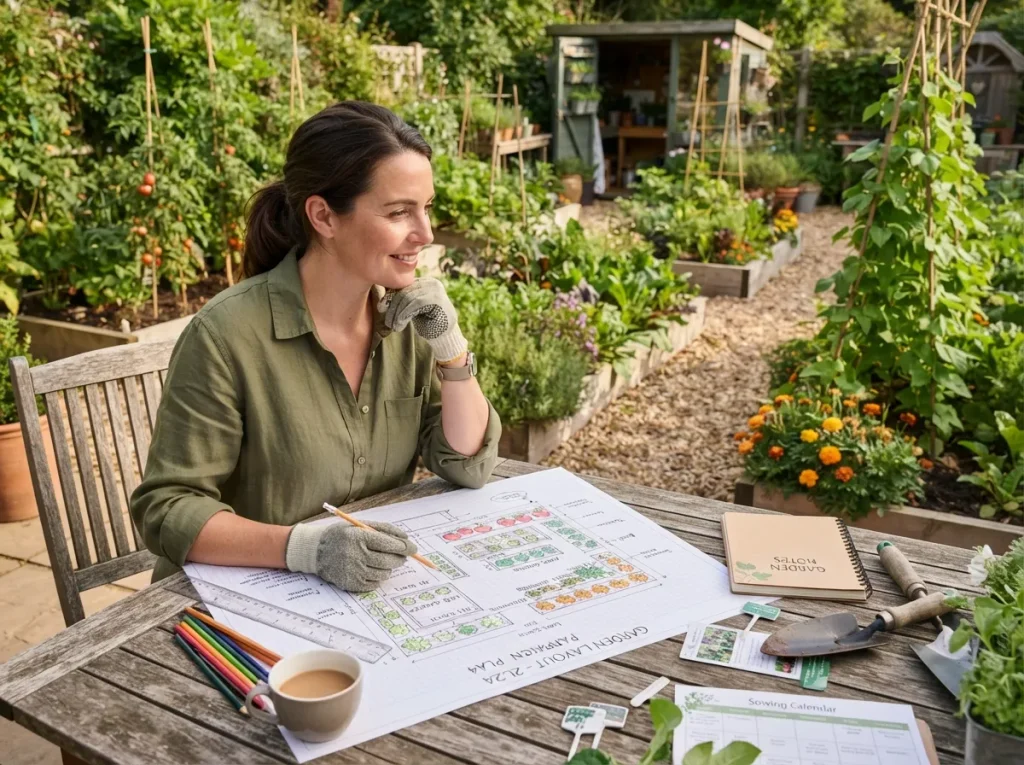
You do not need to be a scientist to plan your garden. Start by looking at your space. Do you have a sunny spot? What about a corner that stays a bit cooler? Write down what you want to grow first. Then, look for a companion plant that works well with it.
Try to mix your flowers and herbs in with your vegetables. A garden full of just one thing is a buffet for pests. A garden with mixed plants is confusing for bugs. They cannot find their favorite meal as easily. This simple change can really increase your harvest by the end of the season.
Remember that your garden changes every year. What worked in one spot last year might be different this year. Keep a little notebook or use your phone to track what you planted. This helps you learn what works best in your specific soil and climate. You will become a better gardener with every season that passes.
Keep It Simple and Have Fun
Do not feel like you need to have a perfect garden right away. Start small with one or two combinations. Maybe try the tomato and basil pairing first. It is easy, useful, and you get tasty ingredients for dinner.
Gardening is about learning and growing with your plants. If a pairing does not work, do not worry. Just try something different next time. The most important thing is that you are getting outside and growing your own food. That is a win in our book.
Frequently Asked Questions
Does companion planting really work?
Yes, it really does. By using plants to repel pests or improve soil, you reduce the need for chemicals. Many gardeners see fewer bug issues and better growth when they use these methods.
Can I plant different vegetables in the same pot?
You certainly can. Many herbs and greens grow well together in containers. Just make sure the container is big enough so the plants do not fight for water or root space.
What are the best flowers to add to a vegetable garden?
Marigolds, nasturtiums, and zinnias are fantastic choices. They attract bees for pollination and keep many harmful insects away from your crops.
How close should companion plants be?
They should be close enough to help each other but far enough apart so they do not crowd each other out. A good rule of thumb is to place them right next to each other in the same bed or row.