Best Medicinal Plants to Grow at Home
Best Medicinal Plants to Grow at Home
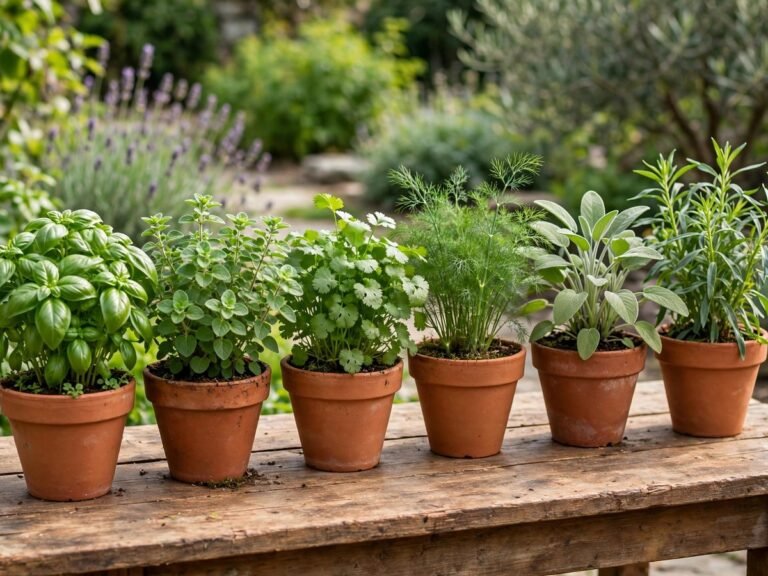
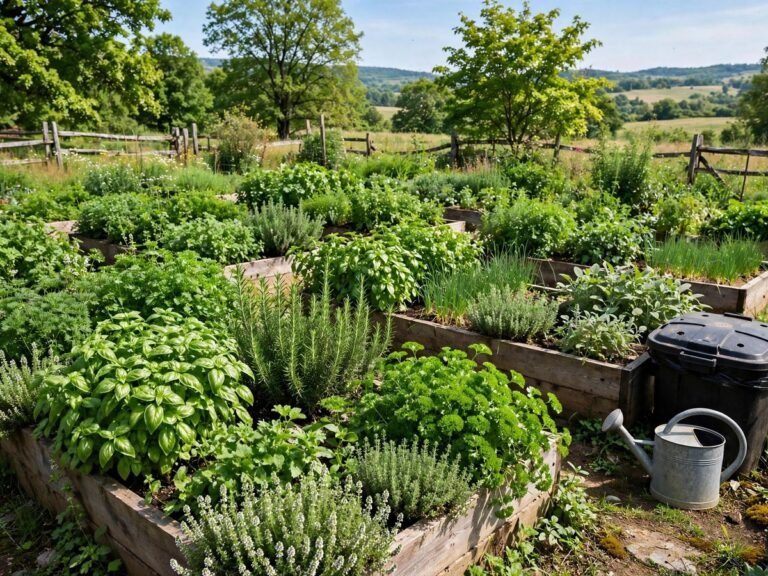
Imagine stepping outside to harvest your own natural remedies instead of reaching for the medicine cabinet. The best medicinal plants to grow at home are surprisingly easy — many thrive in pots on a sunny windowsill or in a small garden bed. Growing your own healing herbs means fresher, more potent remedies and the deep satisfaction of self-reliance. The six plants below are beginner-friendly, well-loved for generations, and genuinely useful for everyday ailments, from soothing minor burns to calming frazzled nerves.
Why Grow Your Own Medicinal Plants?
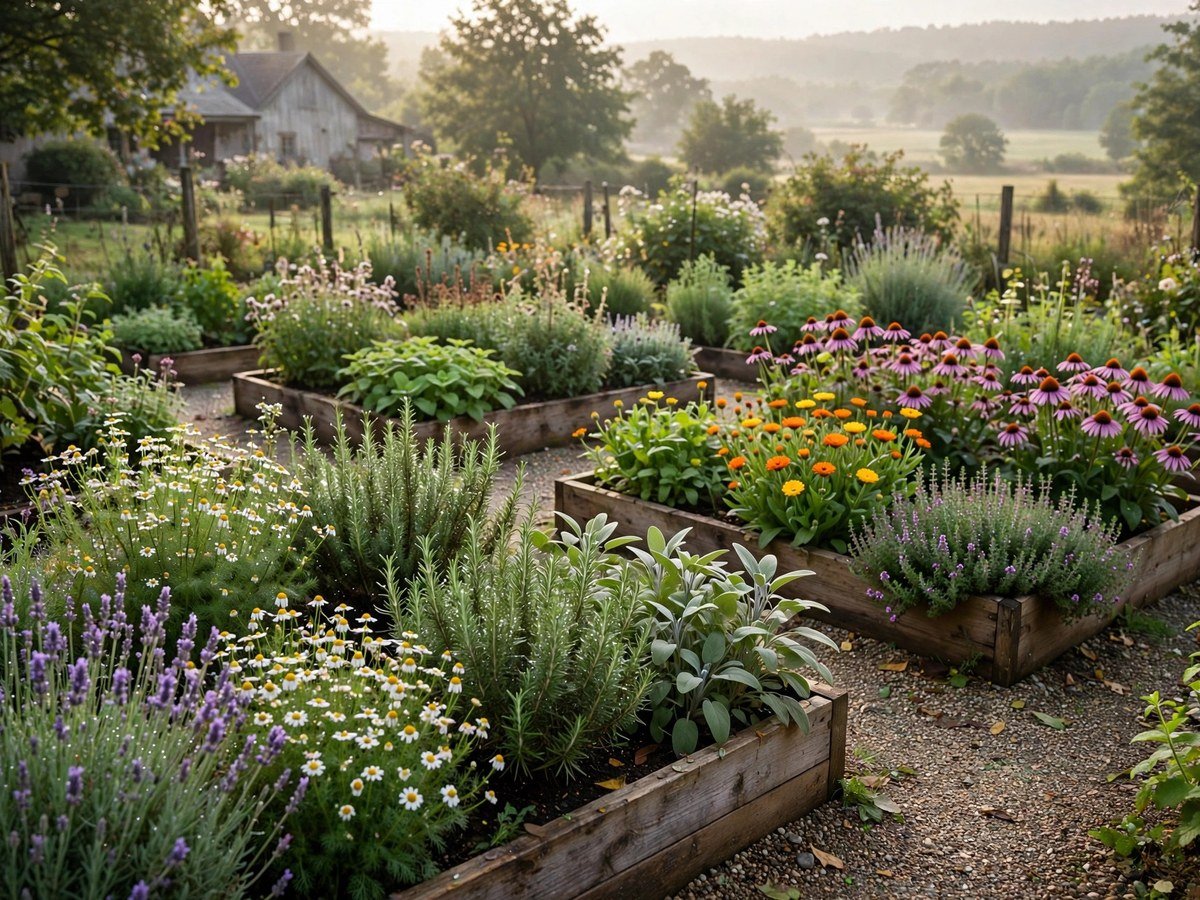
Homegrown medicinal herbs beat store-bought dried herbs on freshness and potency — active compounds fade quickly once herbs are dried and shipped. Growing your own also means you know exactly what went into them: no pesticides, no mystery sourcing. Many healing plants are beautiful ornamentals too, so they earn their place in flower beds as well as herb gardens. And there is something deeply reassuring about a garden that does not just feed you, but cares for you. Start with a few pots; you can always expand as your confidence grows.
6 Healing Plants to Grow at Home
1. Aloe Vera
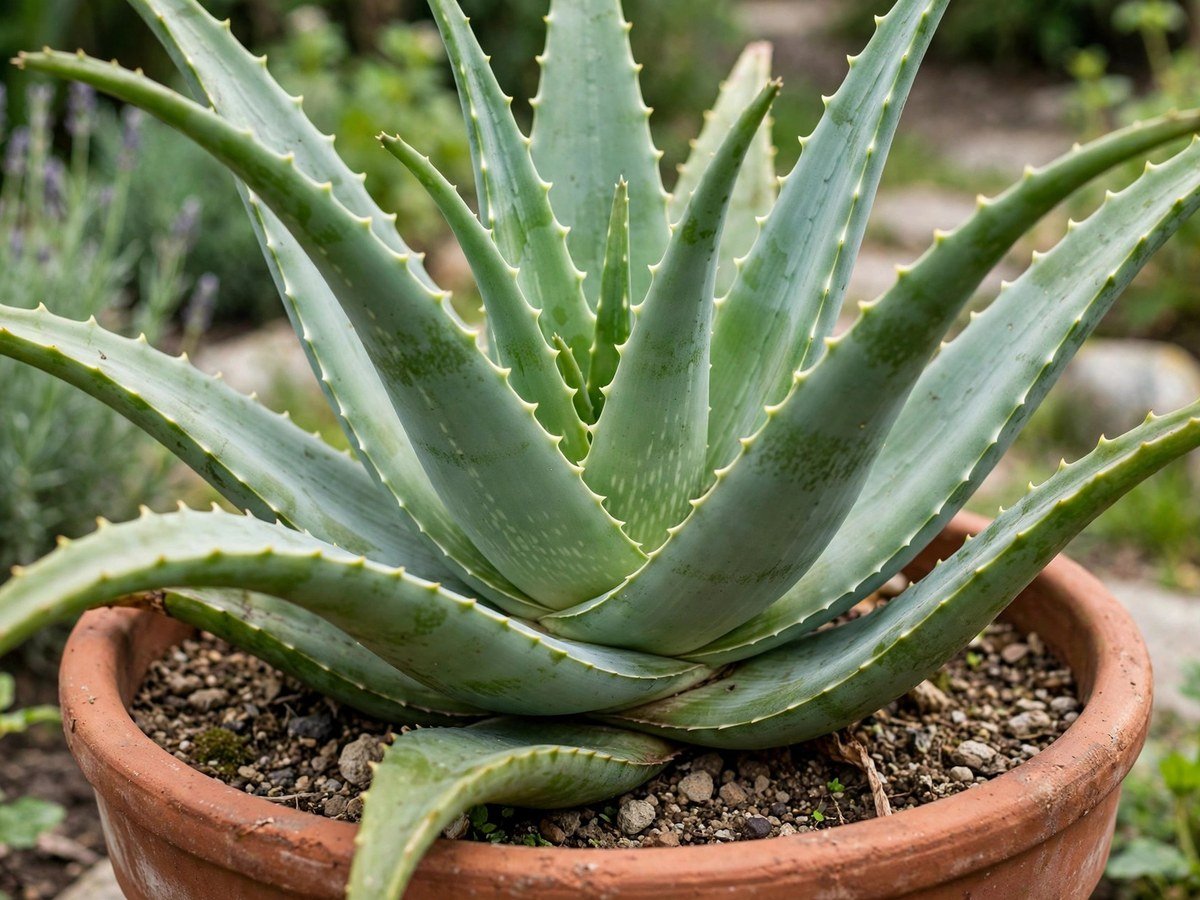
Aloe vera is the first plant every home healer should own. Its thick leaves hold a cooling gel traditionally used to soothe minor burns, sunburn, and skin irritations — just snip a leaf and apply. It thrives on neglect: give it bright light, sandy well-drained soil, and water only when fully dry. Aloe grows happily in pots indoors or out, produces baby plants you can share, and asks for almost nothing in return.
2. Chamomile
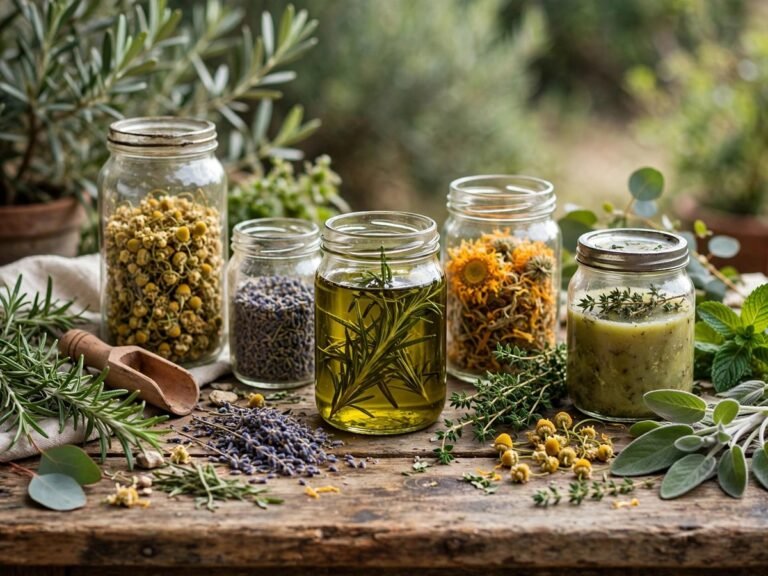
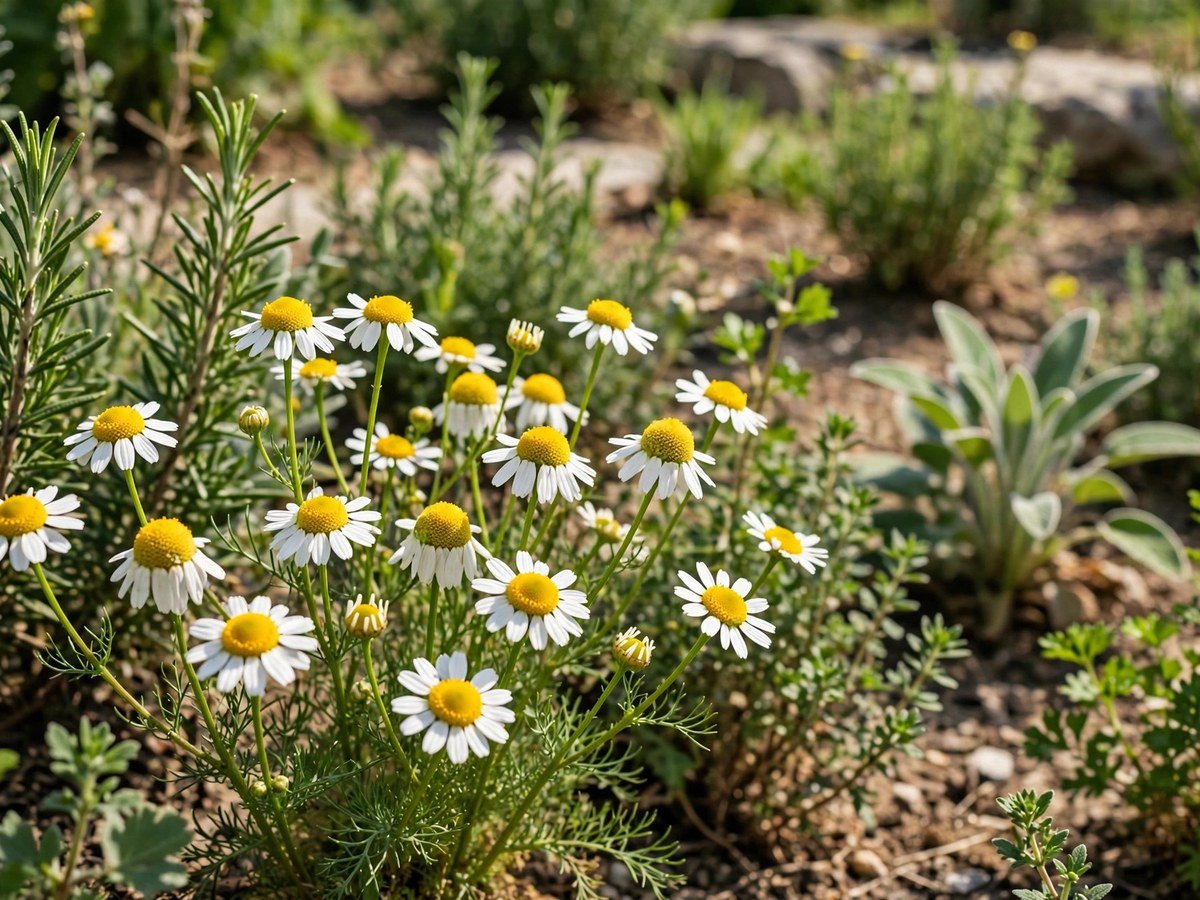
Chamomile’s tiny daisy-like flowers make the world’s most soothing bedtime tea, traditionally used to calm nerves and settle digestion. Sow seeds directly in spring in full sun — it germinates easily and blooms within weeks. Harvest the flower heads when fully open, dry them in a shaded spot, and store in jars. German chamomile self-seeds freely, so one planting often returns year after year with zero effort from you.
3. Peppermint
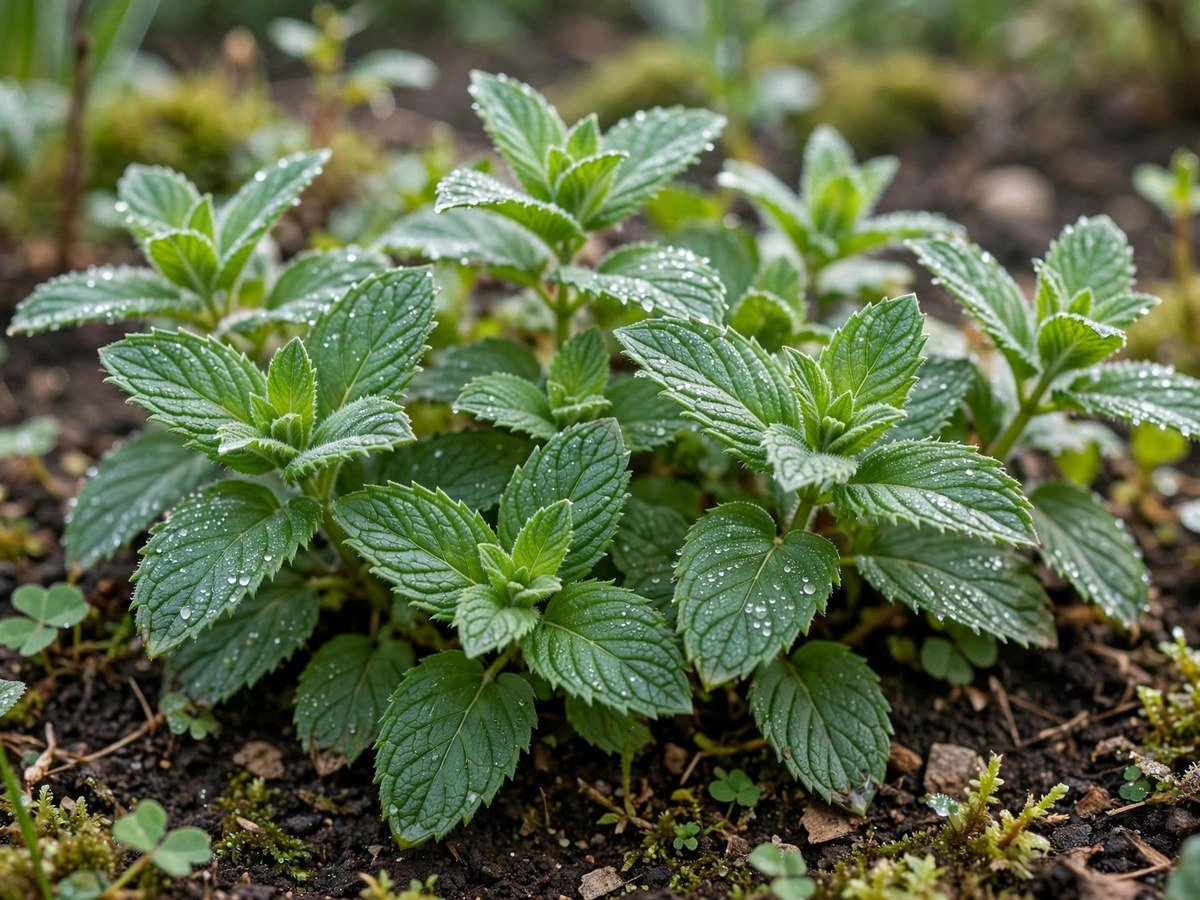
Peppermint is a vigorous, refreshing herb long used to ease digestion and clear stuffy heads — a simple tea from fresh leaves works wonders. It grows almost anywhere but spreads aggressively, so always plant it in its own pot or a buried bottomless bucket. Give it partial shade and steady moisture, and harvest often to keep it bushy. Dried peppermint keeps its punch for months, making it a pantry staple.
4. Echinacea
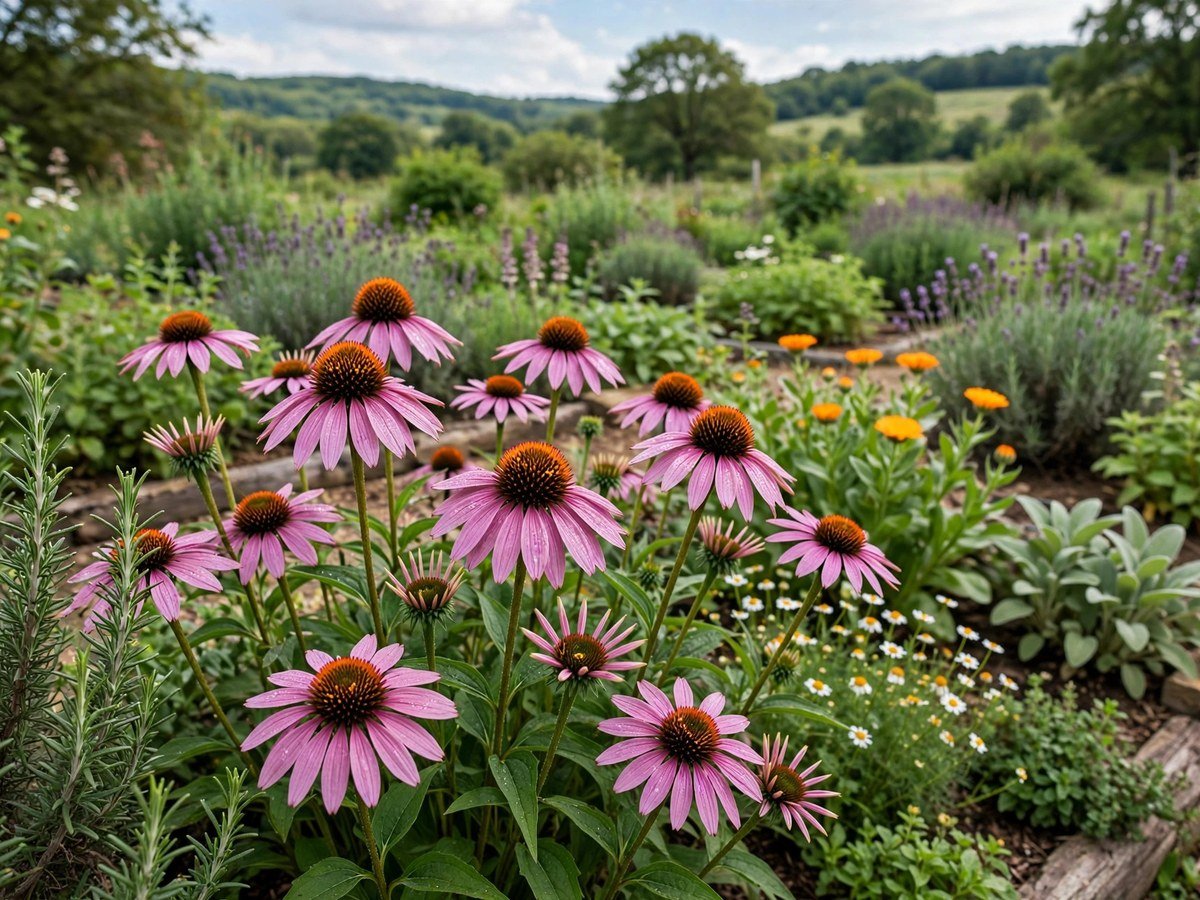
Echinacea’s bold purple coneflowers are garden showstoppers with a long folk history of supporting the immune system during cold season. Plant roots or seeds in full sun with well-drained soil; established plants tolerate drought and neglect beautifully. Harvest roots in fall of the third year or use the flowers and leaves for tea. Even if you never make a remedy, the blooms feed bees and butterflies for months.
5. Calendula
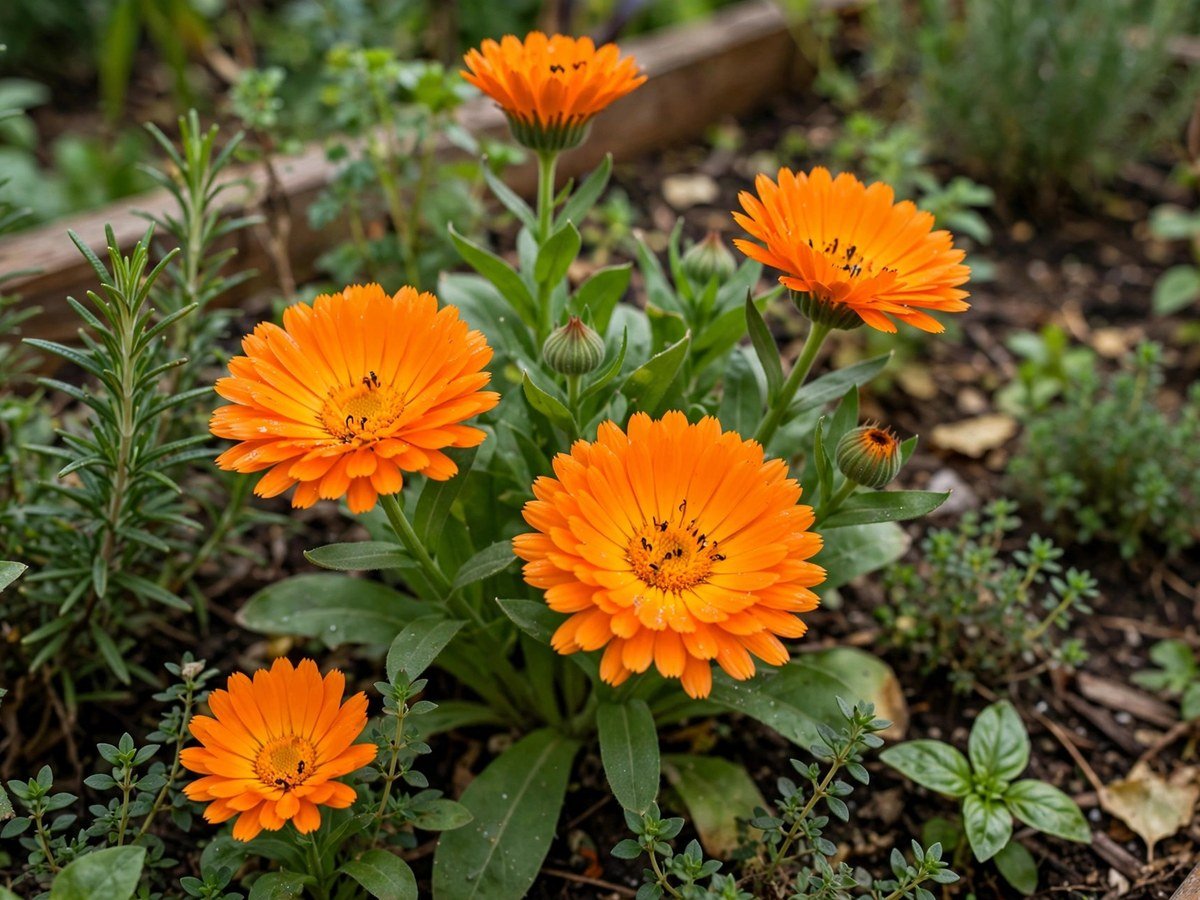
Calendula’s cheerful orange blooms have been treasured for centuries in skin-salves and healing oils for minor cuts and dry skin. Sow seeds directly in spring — it could not be easier — and deadhead regularly for flowers until frost. The petals are edible too, adding color to salads. Dry the flower heads and infuse them in olive oil for a simple homemade skin oil that captures the plant’s traditional goodness.
6. Lemon Balm
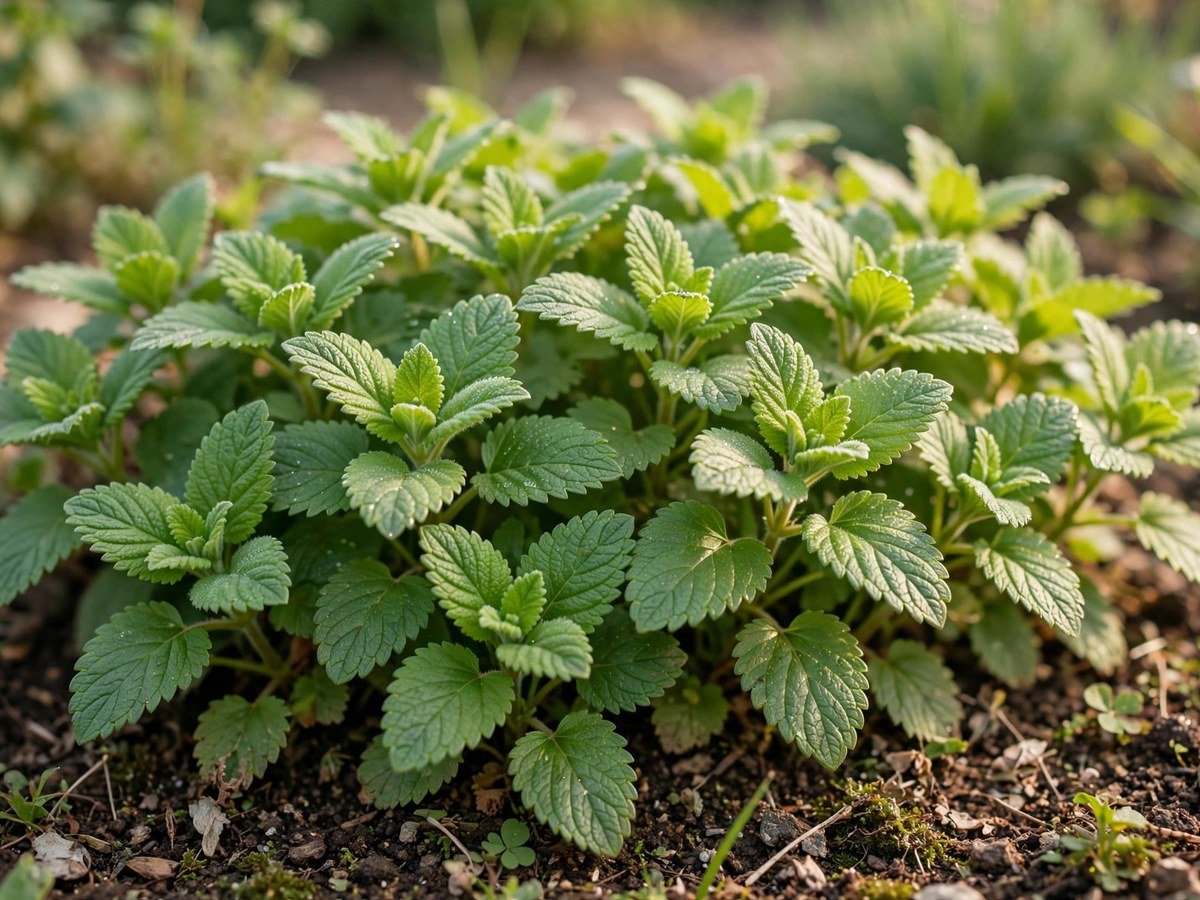
Lemon balm’s citrus-scented leaves make a delightful calming tea, traditionally used to ease stress and support restful sleep. It is a tough mint relative that thrives in partial shade and ordinary soil — like peppermint, give it its own container to contain its enthusiasm. Harvest leaves before flowering for the strongest scent, and dry them quickly to preserve the volatile oils. A pot by the back door means calming tea is always steps away.
Tips for Growing and Using Healing Herbs
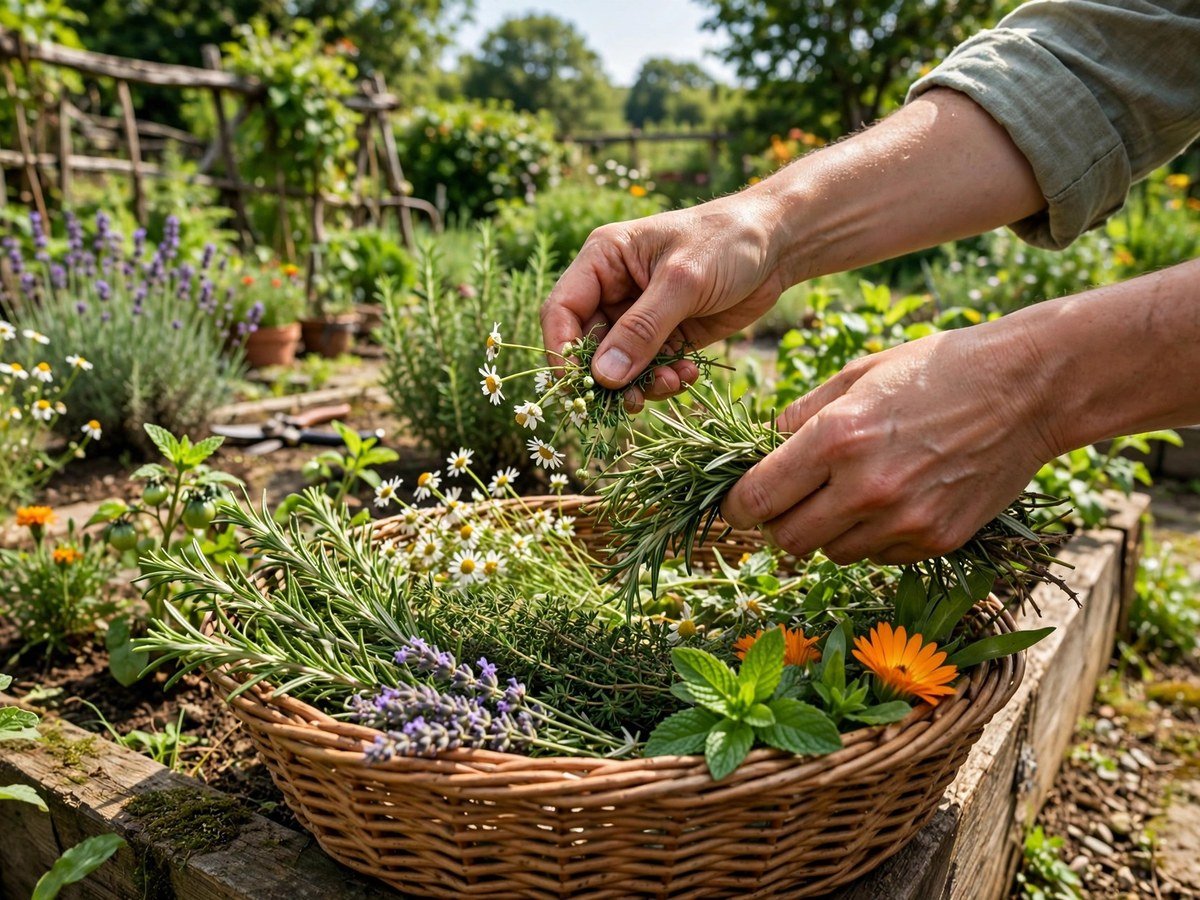
Harvest herbs in the morning after dew dries, when their beneficial oils are most concentrated. Dry bundles upside down in a dark, airy spot, then store in sealed jars away from light. Start with small amounts when trying any new remedy, and keep notes on what works for you. Most importantly, treat homegrown remedies as complements to — not replacements for — professional care, and research each plant’s cautions before use, especially if you are pregnant or take medication.
Frequently Asked Questions
Which medicinal plant should a total beginner start with?
Aloe vera or peppermint. Both are nearly indestructible, useful immediately, and grow happily in pots, so you need no garden bed to begin your healing herb journey.
Can I grow medicinal plants indoors?
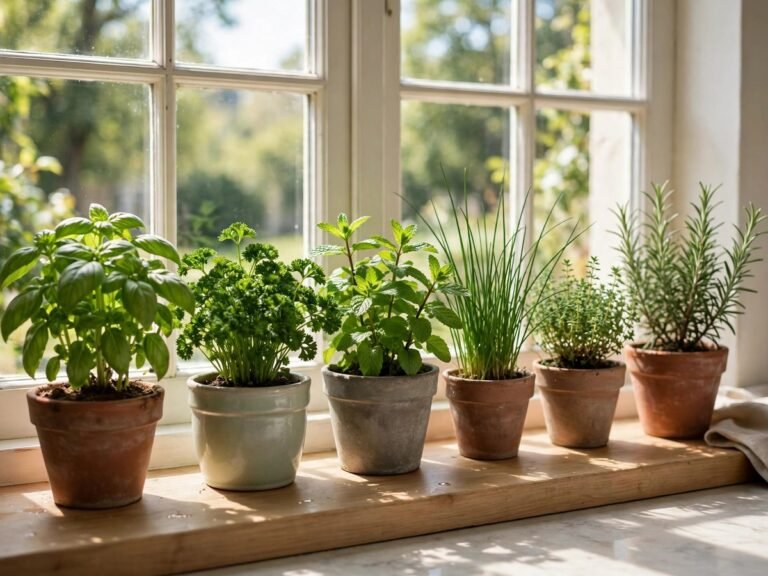
Yes. Aloe vera, peppermint, and lemon balm thrive on a sunny windowsill. Chamomile, echinacea, and calendula prefer outdoor sun but do well in containers on a balcony.
How do I dry herbs for tea and remedies?
Tie small bundles and hang upside down in a dark, well-ventilated room for one to two weeks, then crumble into sealed glass jars. Properly dried herbs keep for about a year.
Are homegrown herbal remedies safe?
These six plants have long traditions of home use, but “natural” does not mean risk-free. Check with your doctor before use if you are pregnant, nursing, or taking medication, and start with small amounts.
When is the best time to harvest medicinal herbs?
Harvest leaves before flowering for peak potency, flowers just as they fully open, and roots in fall after the plant’s energy moves underground. Morning harvests capture the most beneficial oils.
Start Your Healing Garden Today
You do not need acres of land or years of experience to grow your own medicine — just a sunny spot, a few pots, and these six generous plants. Start small, learn each herb’s personality, and enjoy the quiet confidence that comes from a garden that heals as well as it grows.