Healing Plants Every Garden Should Have
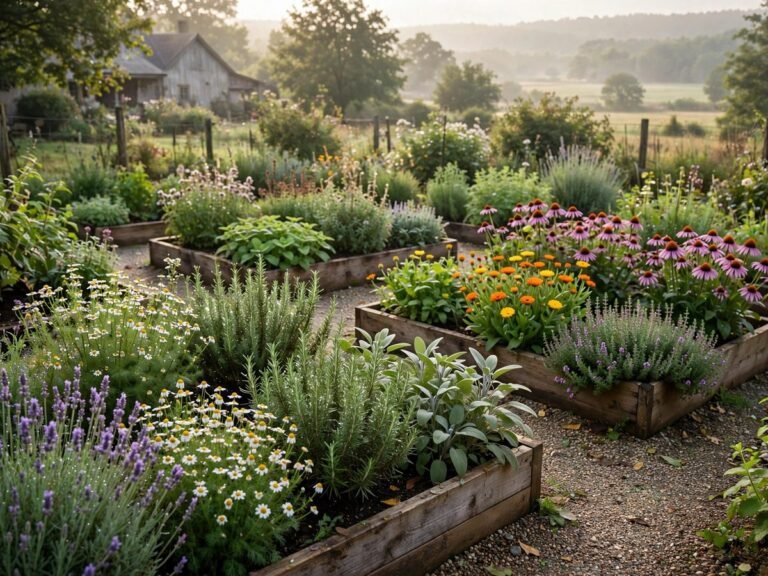
If you have ever dreamed of stepping outside to gather your own natural remedies, planting healing plants for the garden is the perfect place to start. A Healing Plants Every Garden Should Have: every leaf and blossom can soothe, comfort, or nourish the people you love.
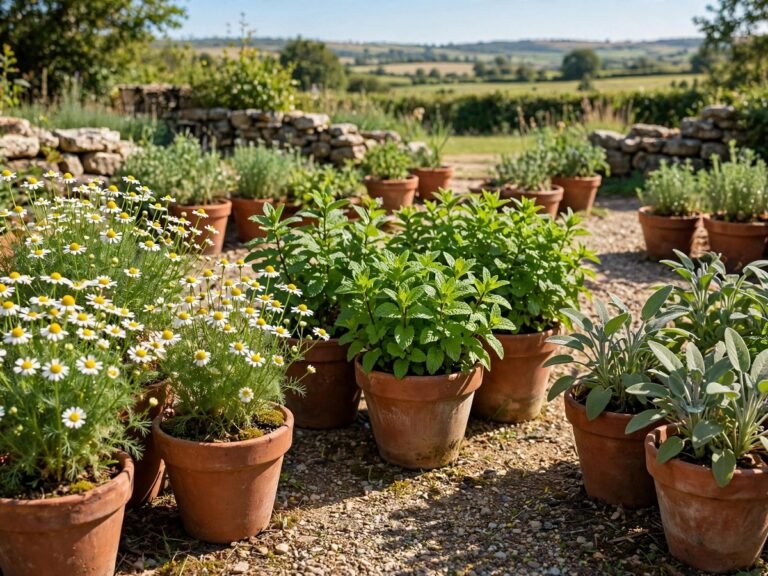
You do not need acres of land or years of experience — even a sunny corner or a few containers can hold a small living apothecary. The six plants below are time-tested favorites, easy to grow, and wonderfully useful in teas, salves, and simple home remedies.
Why Every Garden Deserves Healing Plants
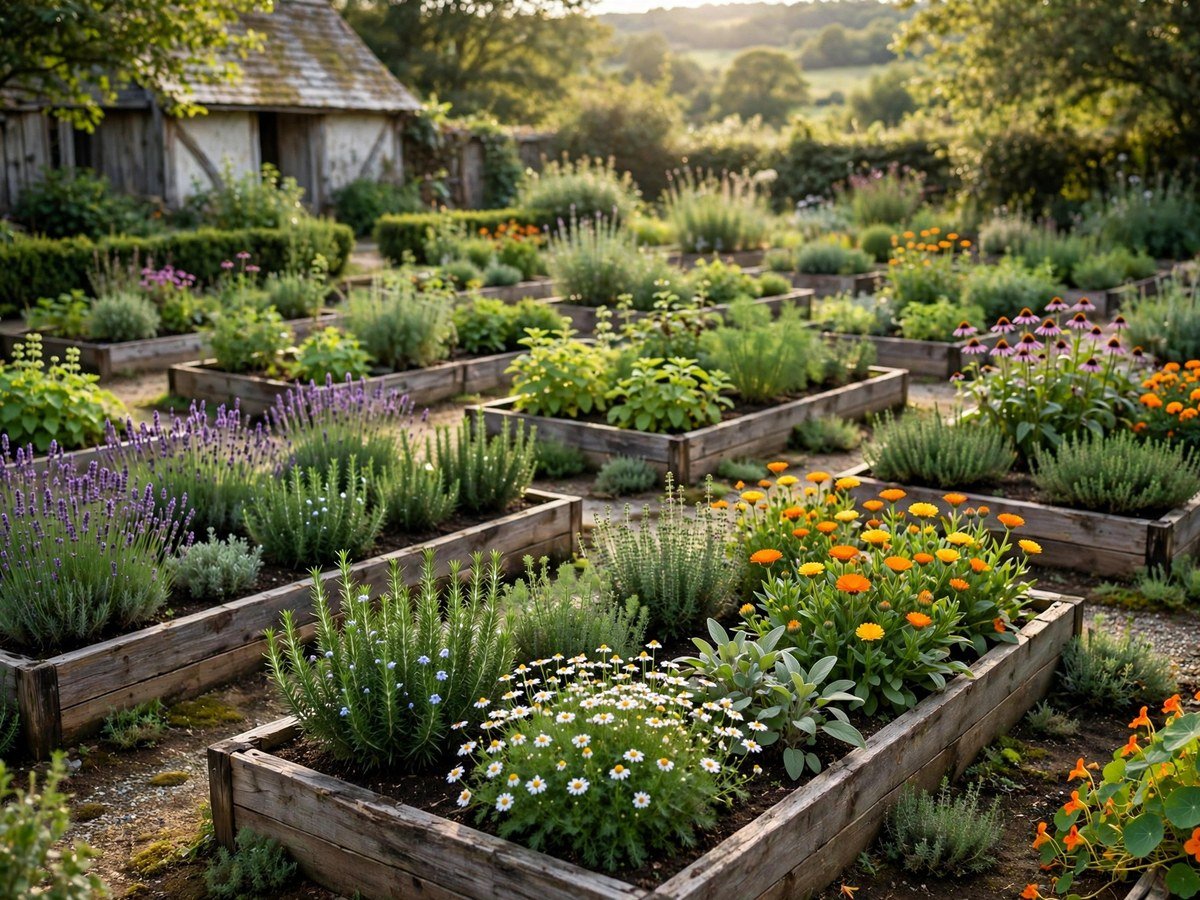
There is something deeply satisfying about growing plants that care for you in return. Healing plants pull double duty: they fill your garden with fragrance, color, and pollinator-friendly blooms while stocking your kitchen with fresh, potent ingredients no store-bought jar can match.
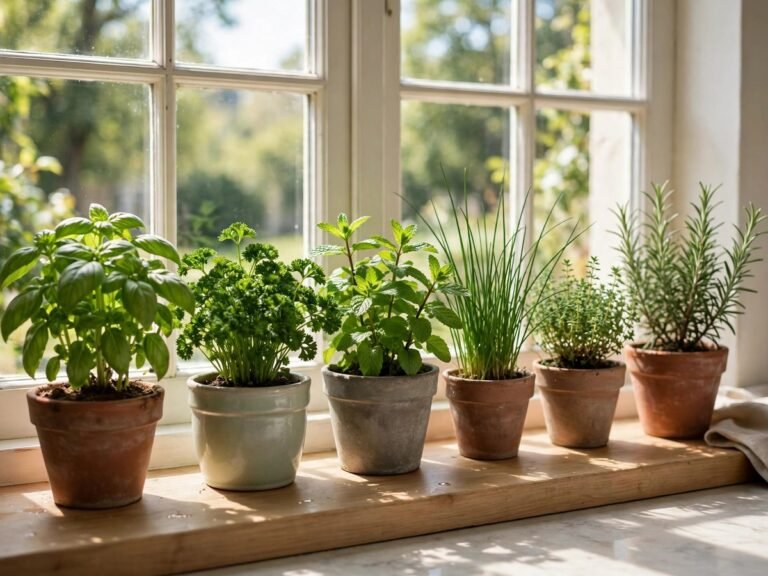
Many are among the easiest plants to grow — forgiving of beginners, generous with harvests, and happy in small spaces. Tending them also slows you down in the best way, turning routine garden chores into a calming ritual of snipping, drying, and brewing.
6 Healing Plants Every Garden Should Have
Lavender
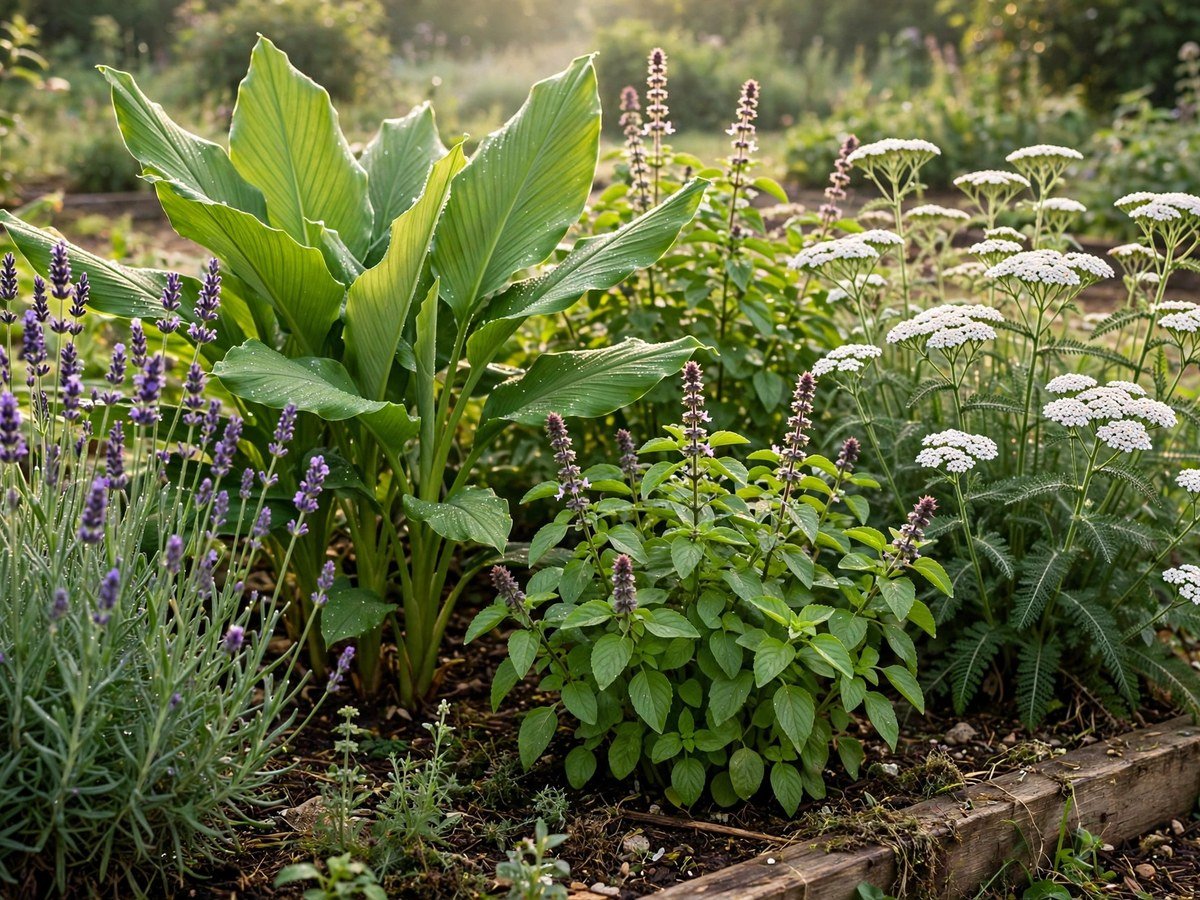
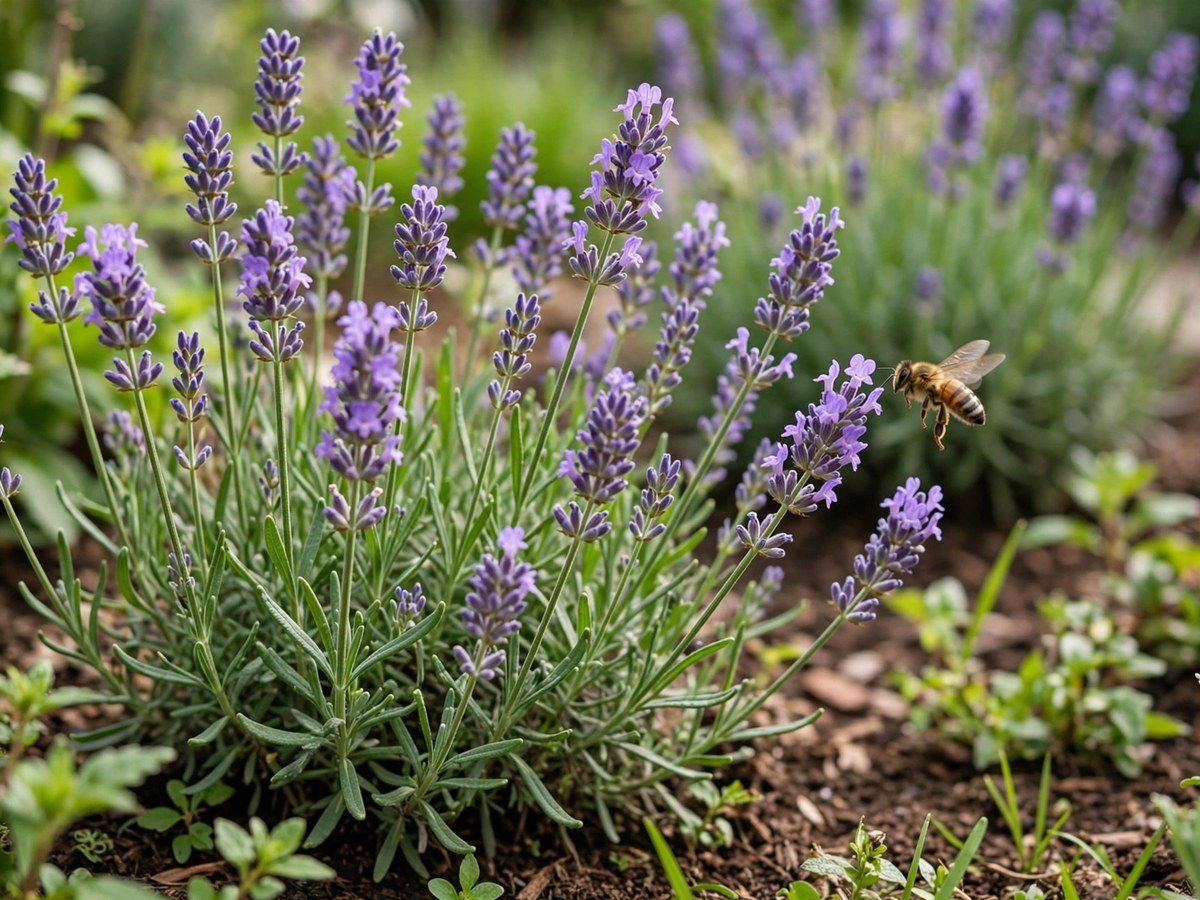
Lavender is the gentle giant of the healing garden. Its violet spikes perfume the air all summer, draw clouds of bees, and dry beautifully for sachets, bath soaks, and calming bedtime teas. Traditionally cherished for easing stress and restlessness, it asks for little: full sun, well-drained soil, and a trim after flowering. Plant it along paths where brushing past releases its soothing scent.
Ginger
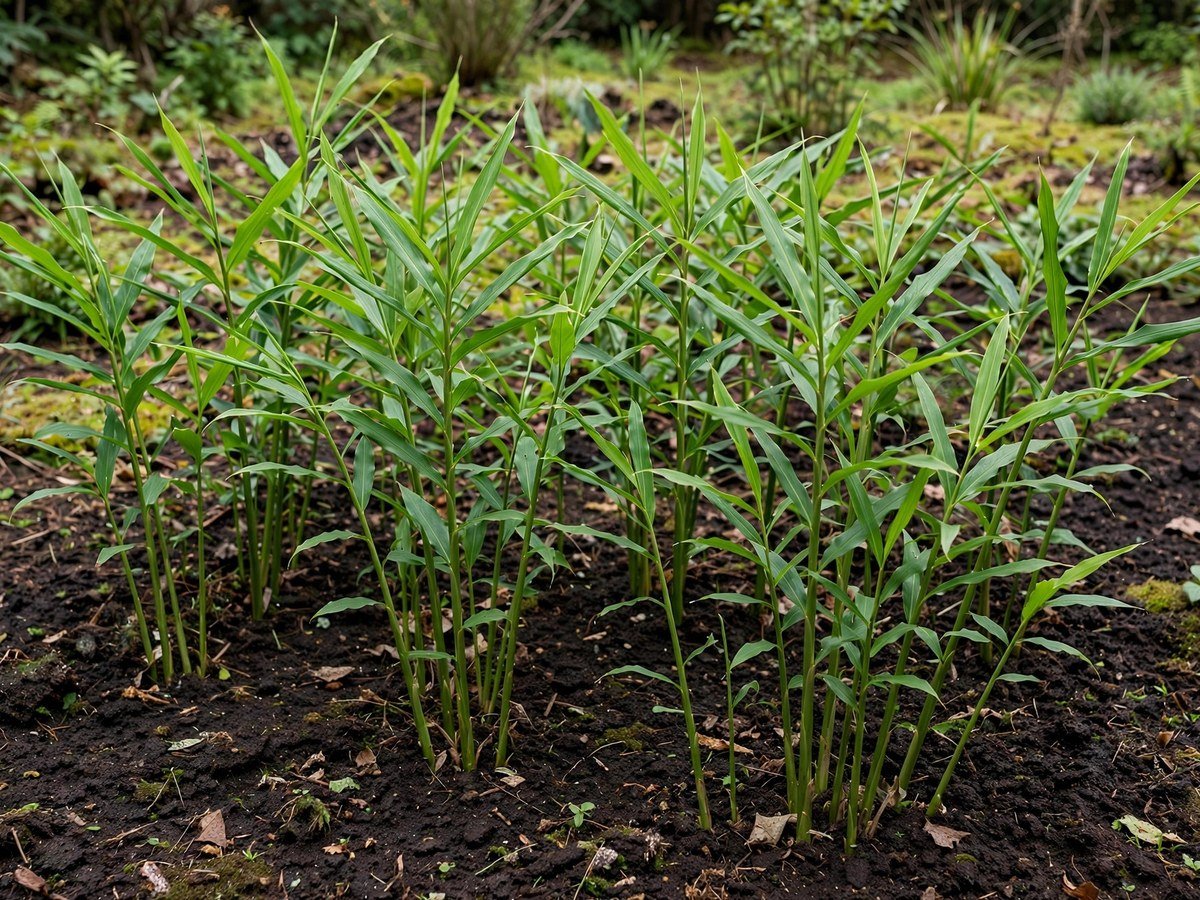
Few plants warm body and garden like ginger. Its tall, reed-like stalks look lush and tropical, while the knobby rhizomes below are prized in teas traditionally used to settle the stomach and warm chilly days. In warm climates, tuck rhizomes into rich, moist soil in partial shade; in cooler zones, grow them in roomy pots you can move indoors for winter and harvest fresh ginger whenever you like.
Turmeric
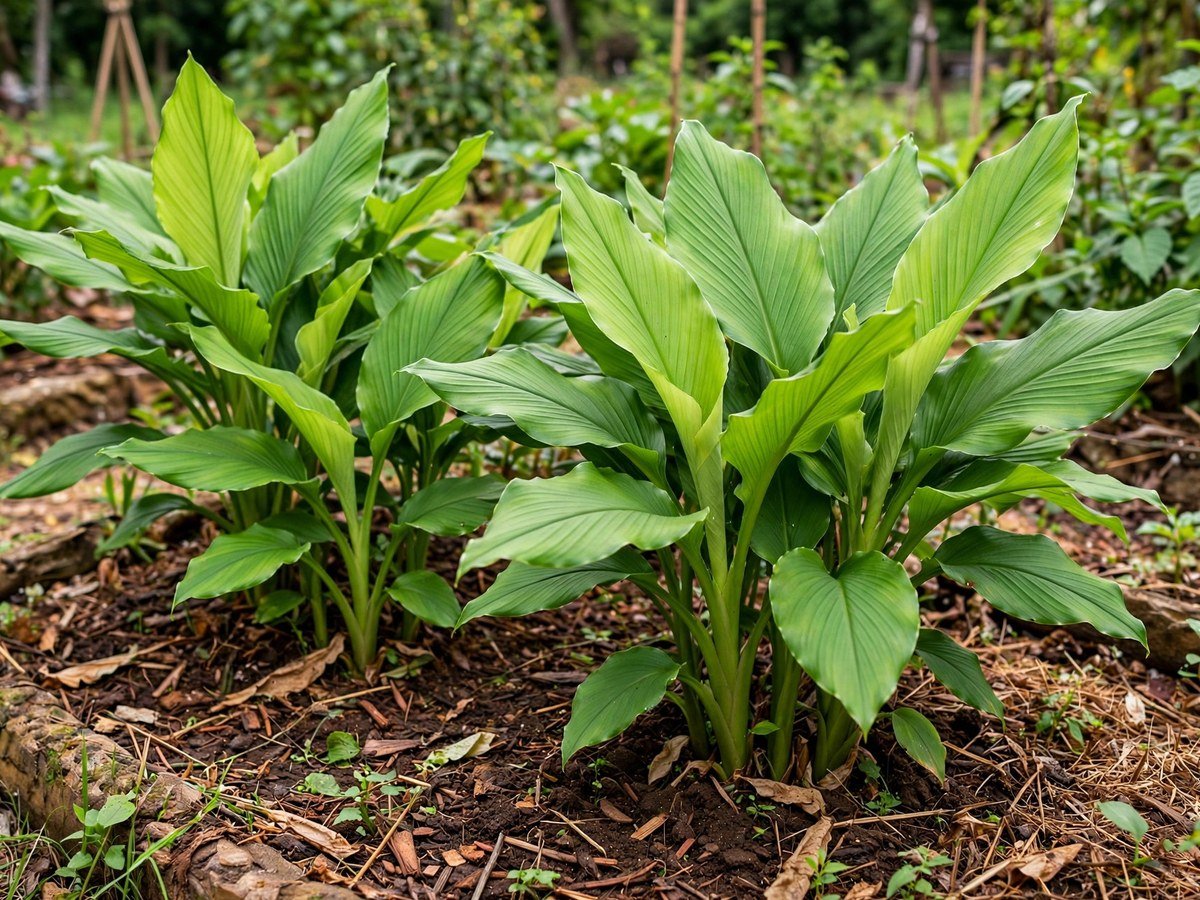
Turmeric brings golden color to both garden and kitchen. Its broad, banana-like leaves make a bold statement in beds or large containers, and the brilliant orange rhizomes are beloved in curries, golden milk, and traditional wellness routines. It craves warmth and a long growing season, so start rhizomes indoors in spring in cooler climates and give plants consistent moisture and rich soil.
Holy Basil (Tulsi)
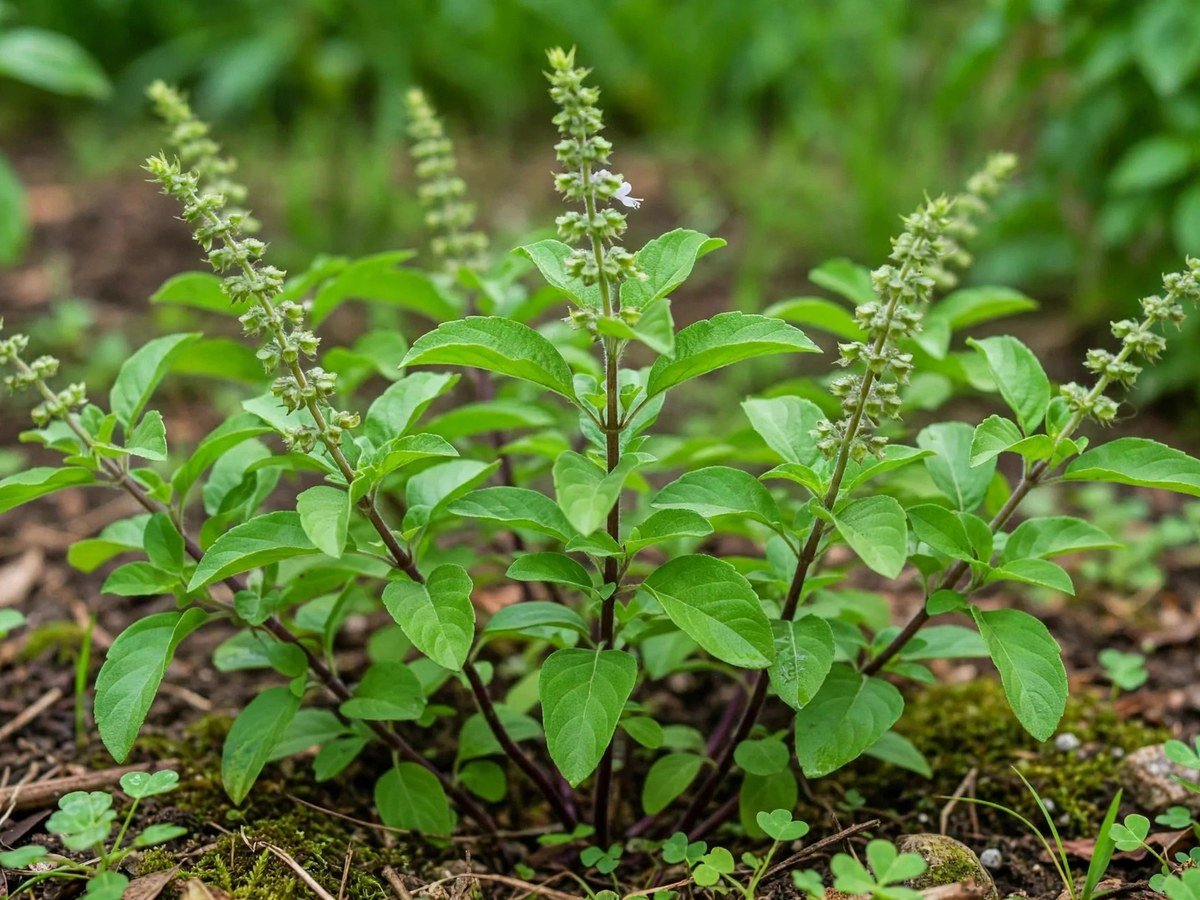
Holy basil, or tulsi, is revered as an adaptogenic herb traditionally brewed into teas that help the body handle everyday stress. It is also one of the easiest healing plants to grow: sow seeds after the last frost in full sun, pinch off flower spikes to keep leaves coming, and harvest all summer. Its clove-scented foliage and delicate flower spikes are pretty enough for any ornamental bed.
Yarrow
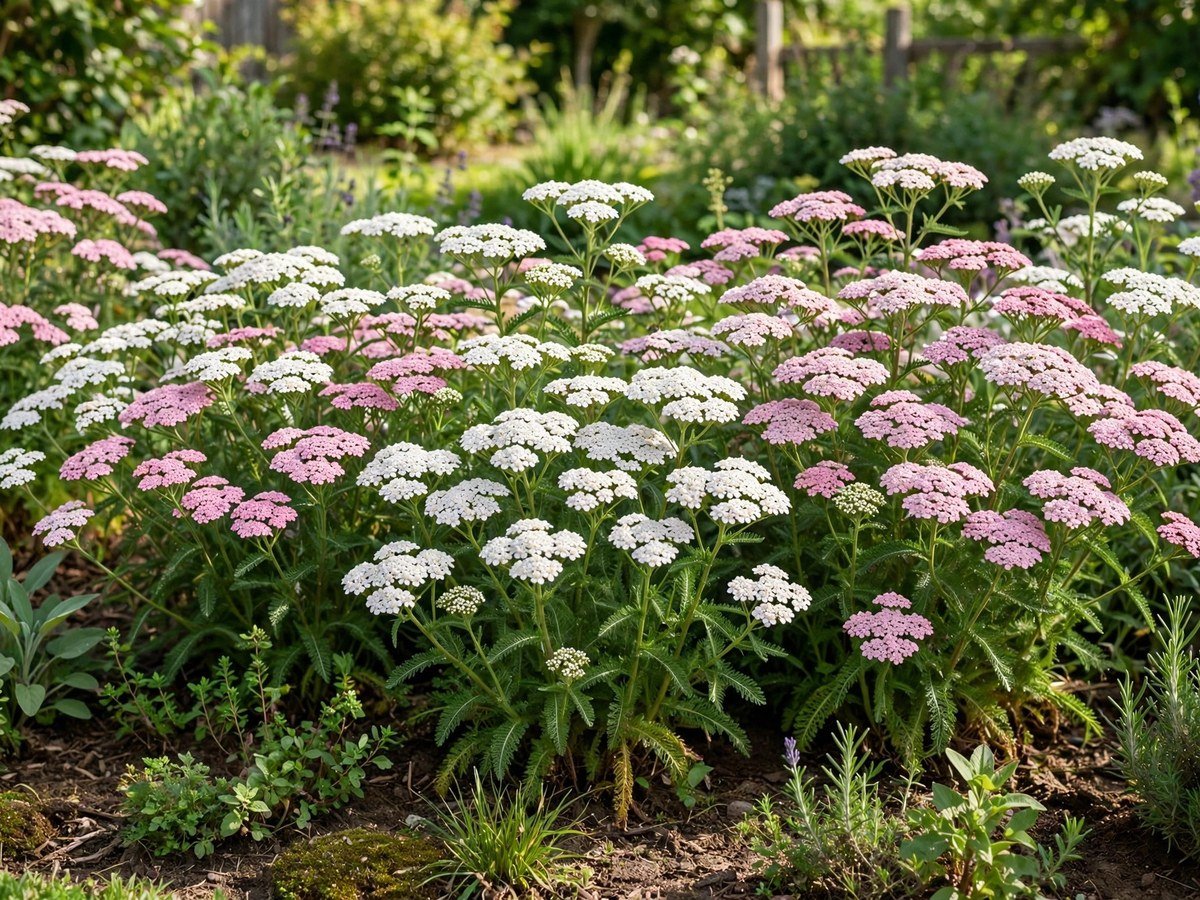
Yarrow is a tough, drought-tolerant perennial with flat-topped clusters of white or pink flowers that butterflies adore. Folk herbalists have long kept dried yarrow on hand for minor scrapes, valuing its traditional role in poultices and salves. Plant it in full sun and lean soil — it actually dislikes rich, soggy ground — and it will return faithfully year after year with almost no attention.
Stinging Nettle
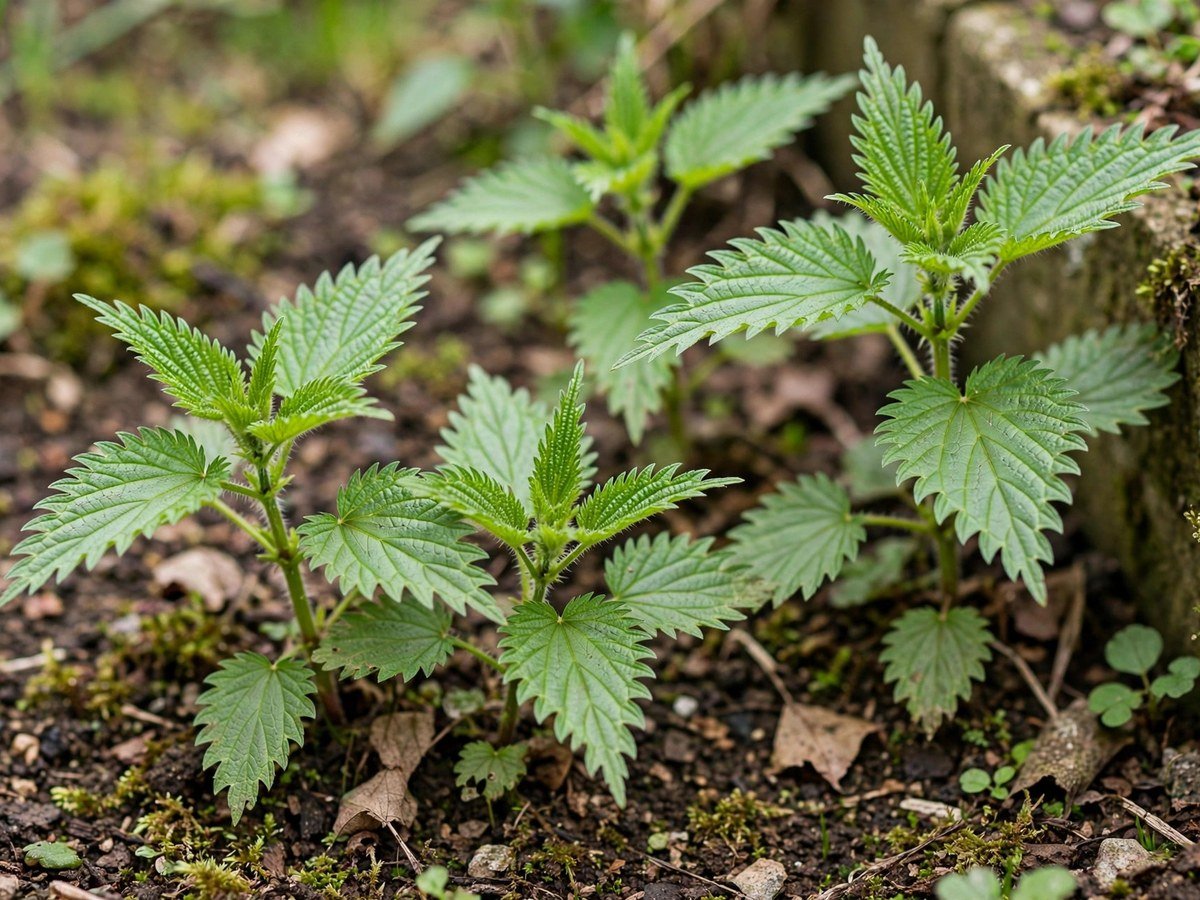
Do not let the sting scare you: nettle is a nutritional powerhouse, rich in minerals and traditionally brewed into spring tonic teas. Give it its own contained corner in partial shade, since it spreads eagerly, and always harvest young tops with gloves. A quick blanch or thorough drying removes the sting completely, leaving tender greens for soups, teas, and nourishing infusions.
Tips for Growing and Using Healing Plants Safely
Start with two or three plants and learn them well before expanding. Label everything, grow organically, and always be certain of a plant’s identity before harvesting — especially with vigorous spreaders like nettle. Harvest in the morning after dew dries, when aromatic oils are strongest, and never take more than a third of a plant at once. Most importantly, remember these plants have traditional uses, not medical prescriptions: consult a qualified healthcare professional before using any herb medicinally, particularly if you are pregnant, nursing, or taking medication.
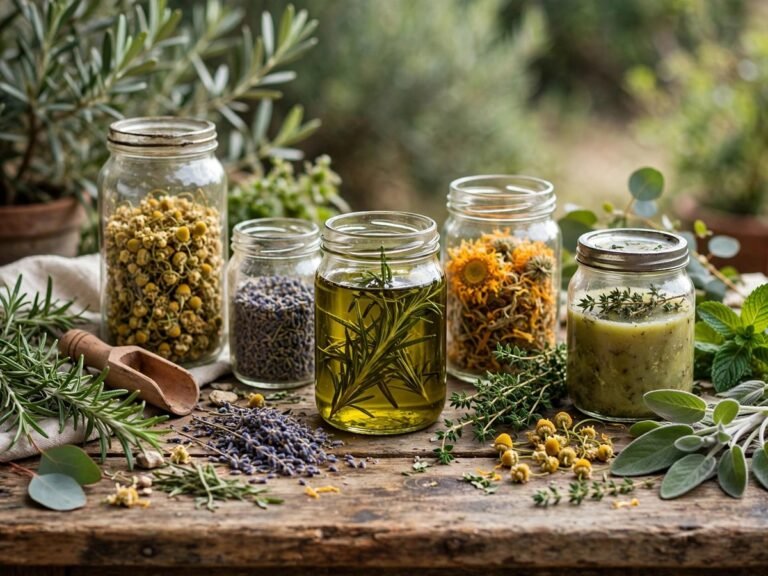
Keep a simple garden journal noting what you planted, when you harvested, and how each preparation turned out — it becomes an invaluable personal reference within a single season. Store dried herbs in labeled glass jars away from heat and sunlight, and use them within a year for the best potency. Finally, share your harvests: a bundle of dried lavender or a jar of tulsi tea makes a thoughtful, heartfelt gift.
Frequently Asked Questions
Which healing plant should a complete beginner start with?
Lavender or holy basil. Both are forgiving, grow quickly from inexpensive transplants, and reward you with fragrant harvests in the very first season.
Can I grow ginger and turmeric in a cold climate?
Yes. Grow them in large pots outdoors in summer, then move the pots to a bright indoor spot before the first frost. Harvest rhizomes as needed through winter.
Are healing plants safe around children and pets?
It depends on the plant. Research each one before planting, keep medicinal beds separate from play areas, and teach children never to eat garden plants without an adult’s okay.
How do I dry herbs for teas and remedies?
Bundle small stems, hang them upside down in a dark, airy room for one to two weeks, then crumble the leaves into labeled glass jars stored away from light.
Will yarrow and nettle take over my garden?
Yarrow spreads slowly and is easy to divide; nettle is the enthusiastic one. Contain nettle with buried edging or grow it in a large bottomless pot sunk into the ground.
A Garden That Heals
A healing garden is a gift that keeps giving — to your kitchen, your wellbeing, and the pollinators who visit. Start small with lavender and tulsi, add ginger and turmeric in pots, and let yarrow and nettle fill the wilder corners. Season by season, your garden will become a living apothecary you are proud to share.