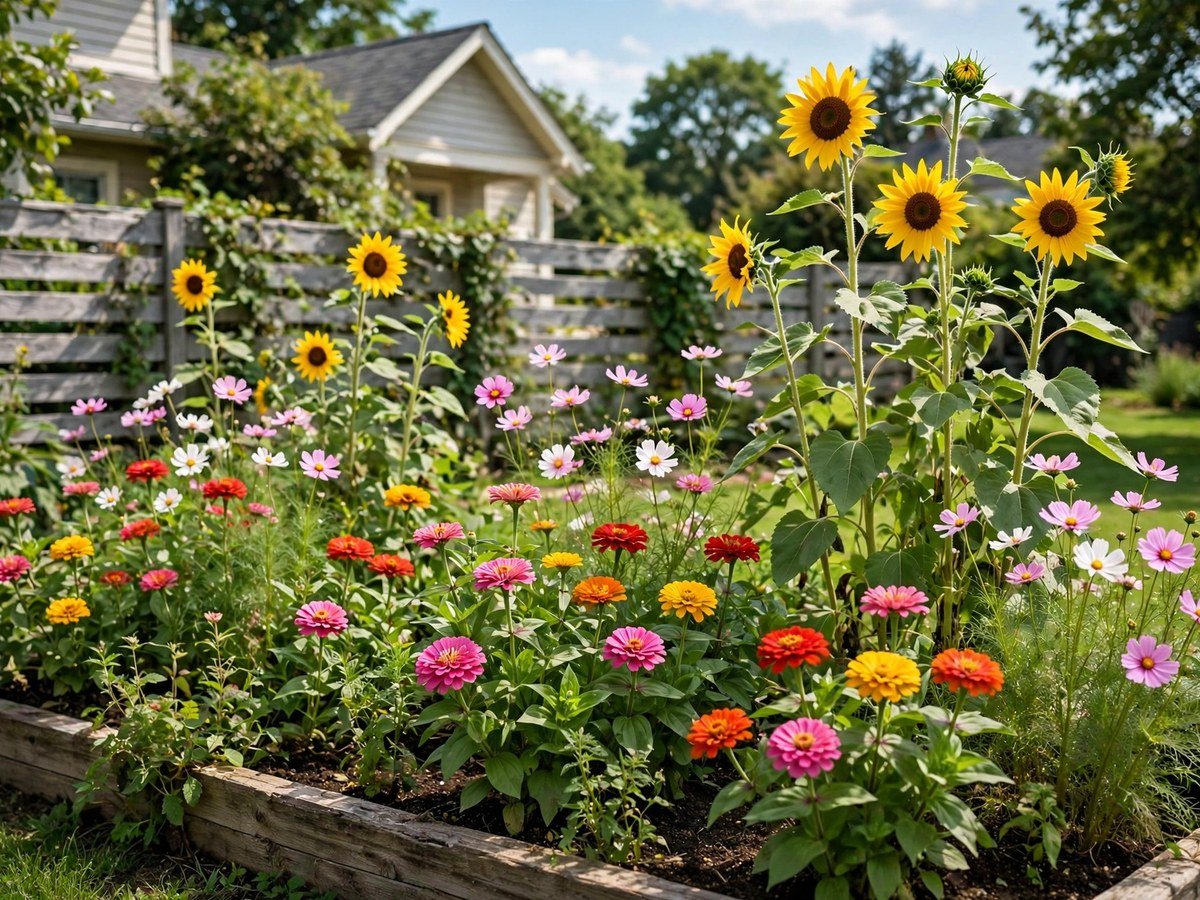
Easy Flowers to Grow at Home
Easy Flowers to Grow at Home
Some of the easy flowers to grow at home need nothing more from you than a packet of seeds, a patch of soil, and a little patience. This guide is your shortcut to flowers that forgive beginner mistakes and bloom their hearts out anyway.
You do not need a green thumb, expensive tools, or a big yard. A sunny windowsill, a few pots on a balcony, or a modest garden bed are all more than enough. The six flowers below germinate quickly, grow vigorously, and reward even forgetful waterers with weeks of color. Pick two or three, sow them where they will grow, and watch what happens.
Why These Flowers Are Practically Foolproof
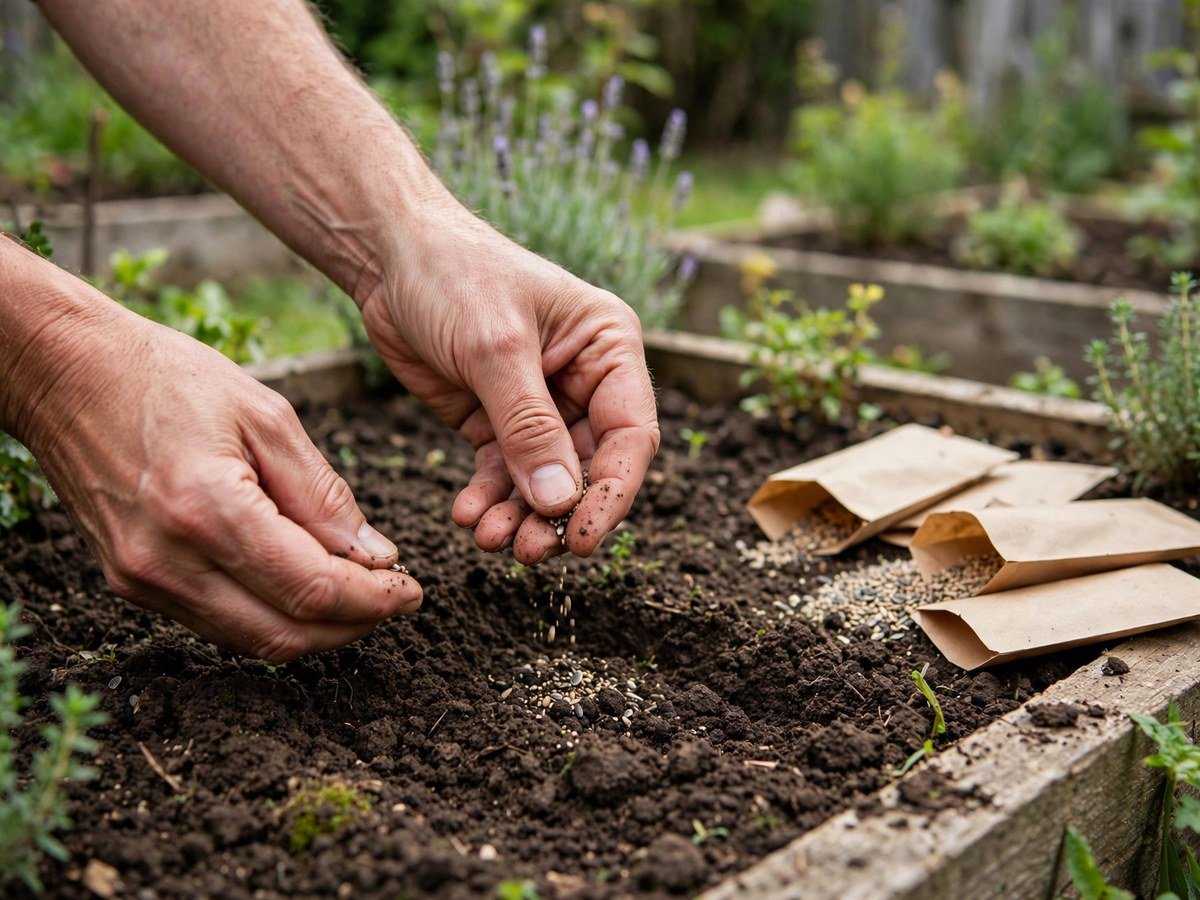
The flowers on this list share the same forgiving traits: they germinate in days rather than weeks, tolerate average soil, and shrug off a missed watering or two. Most of them are annuals, which means they race through their entire life cycle in one season — no overwintering worries, no complicated pruning. That speed is a gift for beginners, because you get to see results fast and learn as you go. Sow the seeds directly where you want the plants to bloom, and you skip transplanting entirely. Thin the seedlings once, water when the soil looks dry, and you will have flowers from midsummer until the first frost.
Six Flowers Any Beginner Can Grow
Zinnias
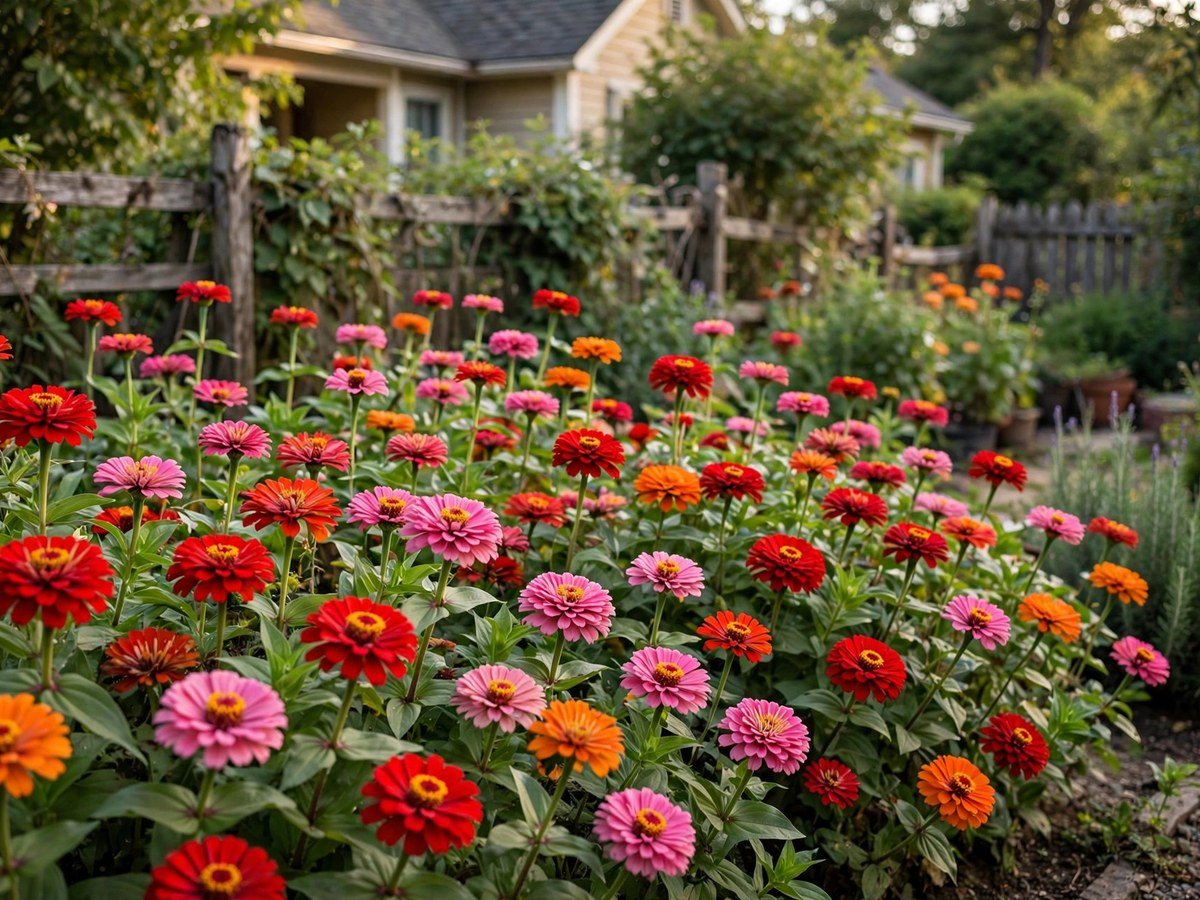
Zinnias are the classic confidence builder. Sow the seeds directly in a sunny spot after the last frost, barely cover them, and you will see sprouts within a week. They bloom in red, pink, orange, yellow, and white, and the more you cut them for bouquets, the more flowers they produce. Butterflies adore them, powdery mildew is their only common gripe — and even that rarely stops the show. Give them full sun and room to breathe, and they will flower nonstop from July to frost.
Cosmos
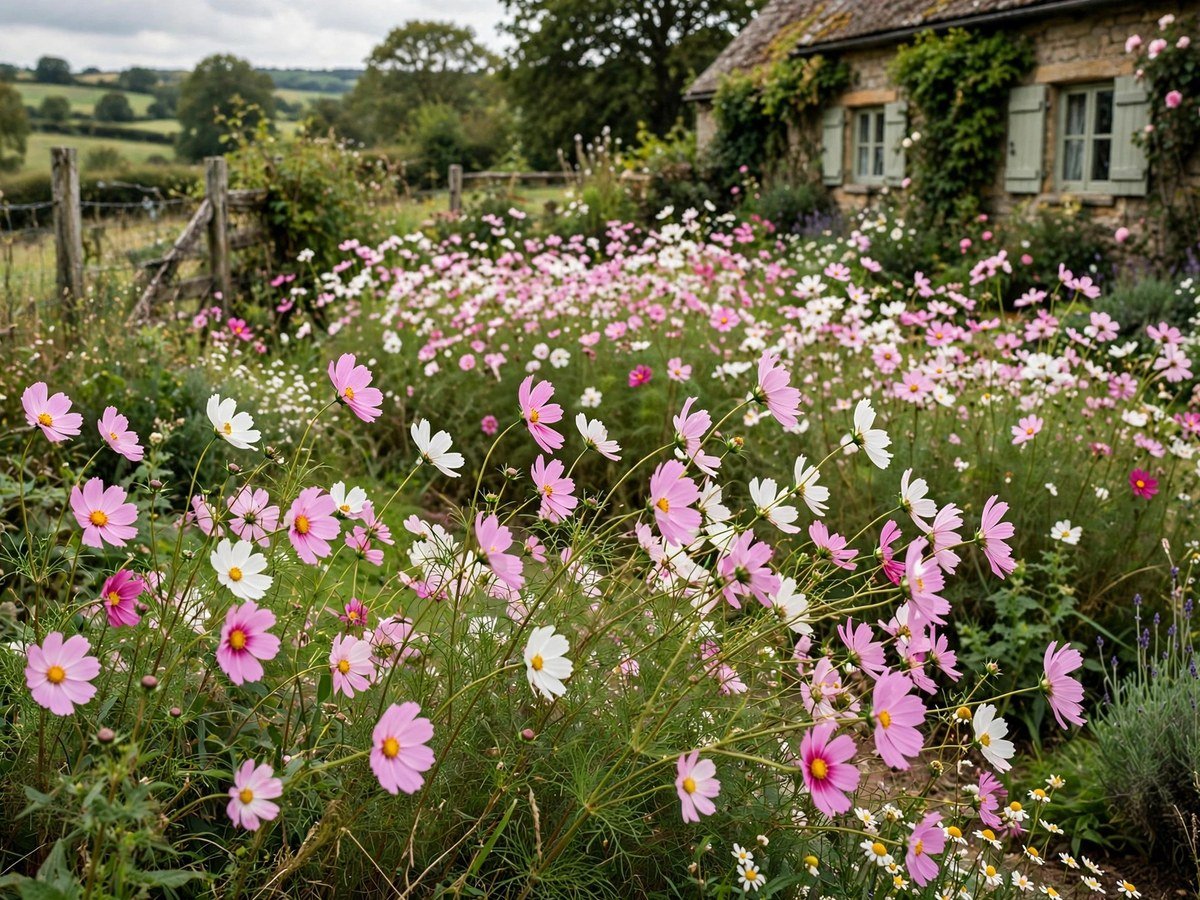
Cosmos look delicate but grow like weeds in the best possible way. These feathery plants with daisy-like pink, white, and crimson blooms thrive on neglect and actually flower better in poor soil, so skip the fertilizer. Scatter seeds in spring, rake them in lightly, and step back. They reach four feet or more, sway beautifully in the breeze, and self-seed so generously that next year’s patch may plant itself. Deadhead occasionally and they will bloom until autumn.
Sunflowers
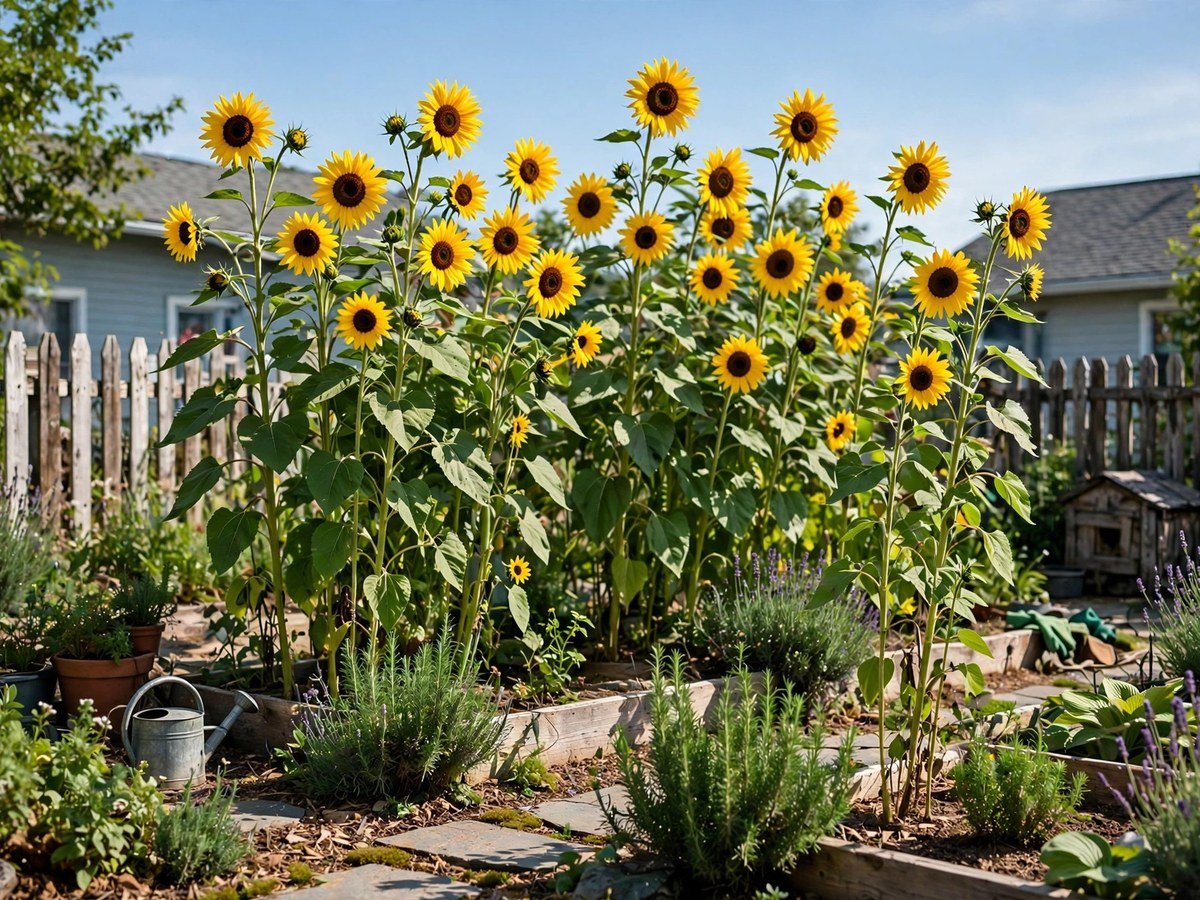
Nothing announces a garden like sunflowers. Push a seed two inches into warm soil in a sunny spot, water it in, and a child can take it from there — which is exactly why they are the perfect family project. Dwarf varieties fit pots and small beds, while the giants thrill everyone when they tower overhead. Bees visit constantly, birds will harvest the seeds in fall, and a row of sunflowers along a fence turns any plain yard into a landmark.
Nasturtiums
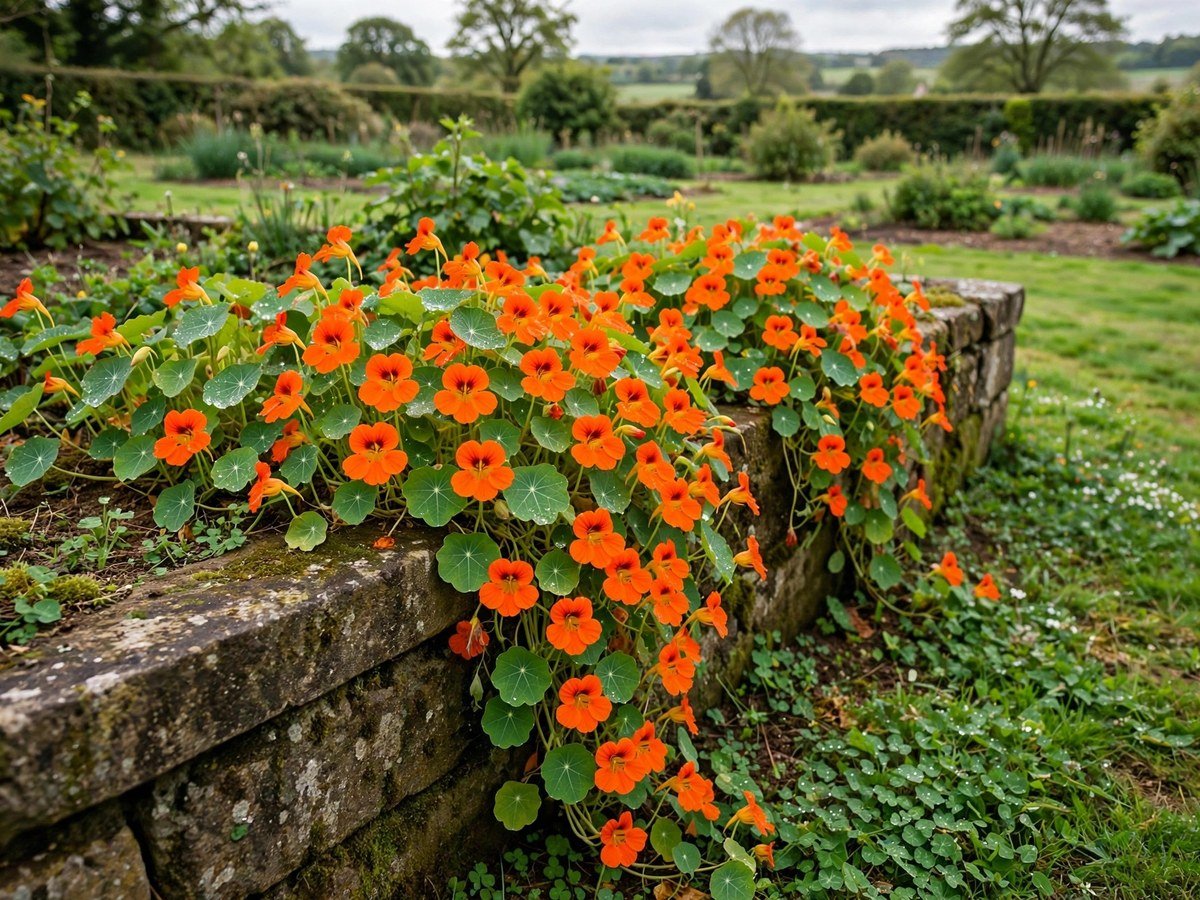
Nasturtiums are the overachievers of the easy-flower world. They germinate in under ten days, tolerate poor soil, and bloom in glowing shades of orange, red, and yellow from summer to frost. Let them trail over the edges of raised beds or tumble from hanging baskets. Bonus: both the peppery flowers and the round lily-pad leaves are edible, making a colorful addition to salads. Sow them wherever you need fast, cheerful coverage.
Sweet Peas
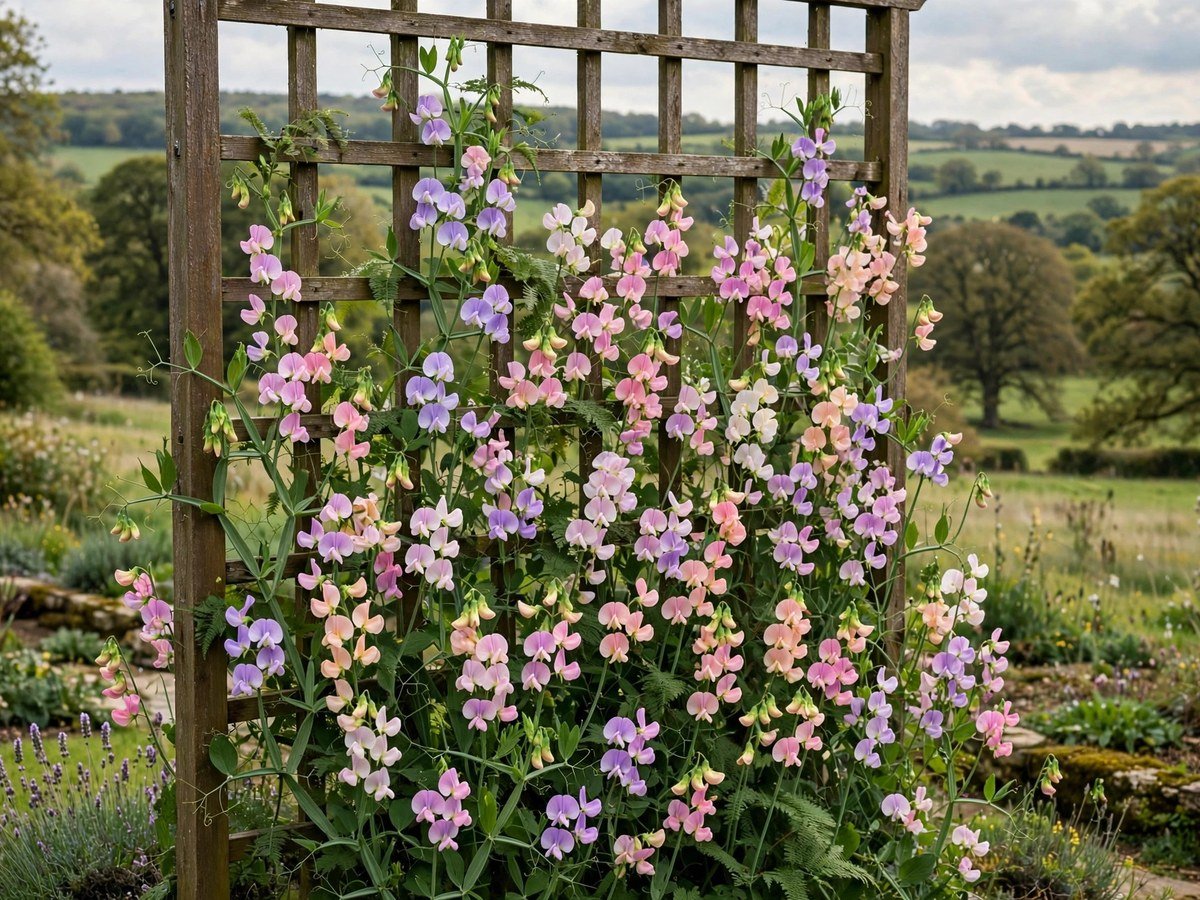
Sweet peas are proof that a little extra effort pays off in fragrance. Soak the large seeds overnight, sow them along a trellis or fence in cool spring weather, and they will climb eagerly. The pastel ruffled blooms smell like honey and make the loveliest cut flowers — picking them daily keeps new buds coming. They prefer cooler conditions, so plant them early and mulch the roots; in return you get the most romantic scent in the spring garden.
Calendula
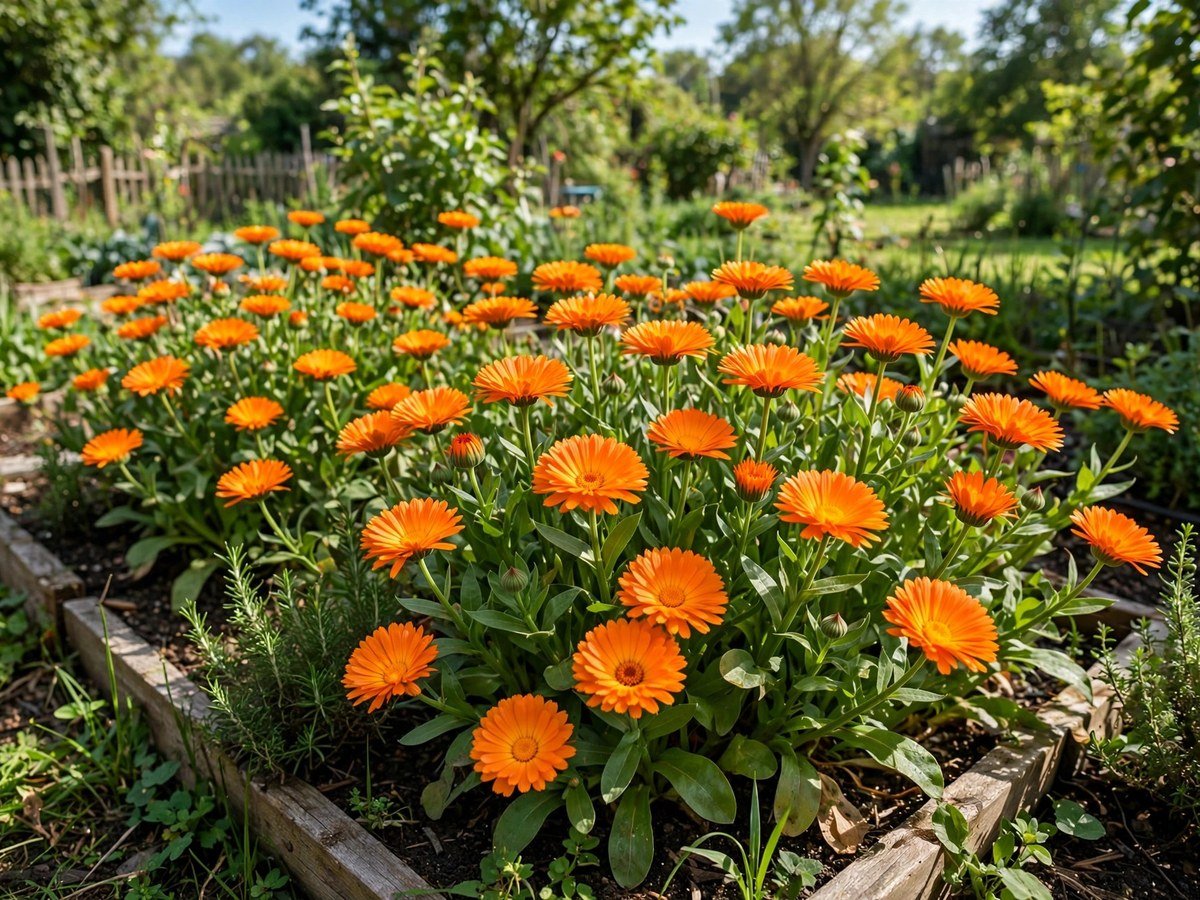
Calendula, often called pot marigold, is sunshine in flower form. These golden-orange blooms open in cool weather, so sow seeds in early spring or late summer for a long season of color. They tolerate part shade, poor soil, and even light frost. Beyond their looks, the petals are edible and have been used for centuries in herbal salves. Deadhead regularly and a single planting will bloom for months.
Simple Sowing, Watering, and Deadheading Tips
Success with seed-grown flowers comes down to three habits. First, sow seeds directly where they will grow at the right time — most of these flowers dislike transplanting, and soil temperature matters more than the calendar, so wait until the ground feels warm. Plant at the depth on the packet and keep the soil lightly moist until sprouts appear. Second, water deeply but infrequently once plants are established; a thorough soak twice a week beats a daily sprinkle and encourages strong roots. Finally, deadhead spent blooms every few days: snipping off faded flowers tells the plant to make more instead of setting seed, and it is the single easiest way to double your flower harvest.
Frequently Asked Questions
What is the absolute easiest flower to grow from seed?
Zinnias win for most beginners — they sprout in under a week, bloom in about two months, and keep flowering all summer with minimal care. Cosmos and nasturtiums are close runners-up.
Can I grow these flowers in pots?
Yes. Choose dwarf sunflower varieties, compact zinnias, nasturtiums, and calendula for containers. Use pots at least 12 inches wide with drainage holes and quality potting mix, and water more often than in-ground plants.
How much sun do easy flowers need?
Most need at least six hours of direct sun daily to bloom well. Sweet peas and calendula tolerate part shade, but for the biggest flower show, pick your sunniest spot.
When should I sow flower seeds?
Sow after your last spring frost date when soil has warmed — usually mid-spring in most climates. Sweet peas and calendula can go in earlier since they like cool weather.
Why are my seedlings leggy and weak?
Leggy seedlings almost always mean not enough light. Move them to a brighter spot or lower a grow light to a few inches above them. Gentle air movement from a small fan also strengthens stems.
A Garden Full of Color, Starting Today
Gardening rewards the brave beginner more than the cautious expert. Buy a few packets of seeds, scratch them into the soil, and give them sun and water — that is genuinely all it takes. By midsummer you will be cutting zinnias for the kitchen table and watching bees on your sunflowers. Start small, forgive your mistakes, and let these easy flowers teach you the rest.