Flower Garden Layout Ideas
Choosing the right flower garden layout ideas can turn an ordinary yard into a breathtaking outdoor retreat. A thoughtful layout does more than look pretty — it makes planting, watering, and weeding easier all season long. Whether you have a sprawling backyard or a tiny patio, the way you arrange your flower beds shapes how your garden feels and functions. The six layout ideas below suit every style, budget, and skill level, from romantic cottage borders to tidy container clusters.
Pick the one that matches your space, then watch your garden transform from a random collection of plants into a true design.
Why Your Garden Layout ideas Matters
A great layout is the invisible backbone of every stunning garden. It controls sightlines, so your eye travels to focal points instead of getting stuck on bare patches. It groups plants with similar water and sun needs together, which means less work and healthier flowers. Good paths and bed shapes make mowing, mulching, and deadheading faster and more pleasant.
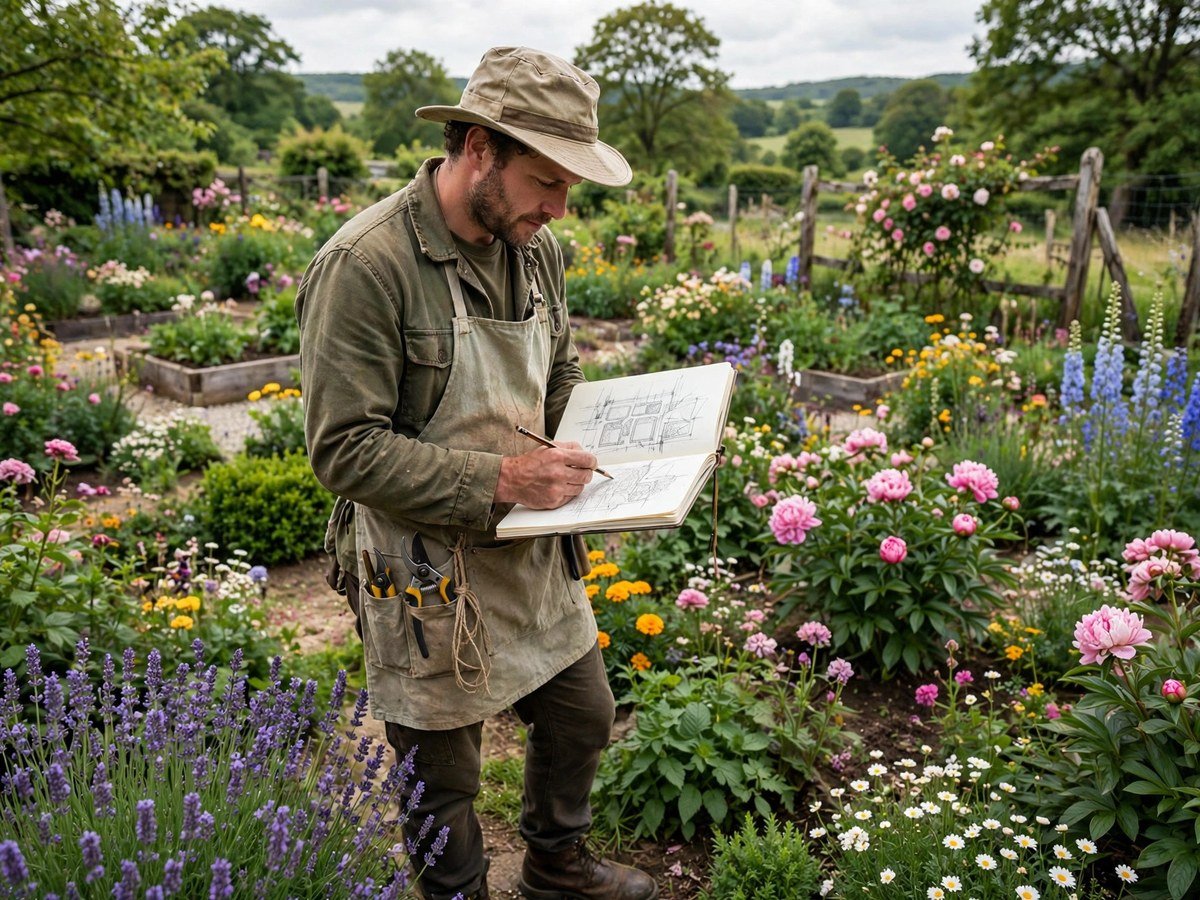
And perhaps most importantly, a planned layout gives even a small garden a sense of intention and polish that random planting never achieves. Spend an hour sketching before you dig, and you will save yourself seasons of regret.
6 Flower Garden Layout Ideas You’ll Love
1. Cottage Garden Border
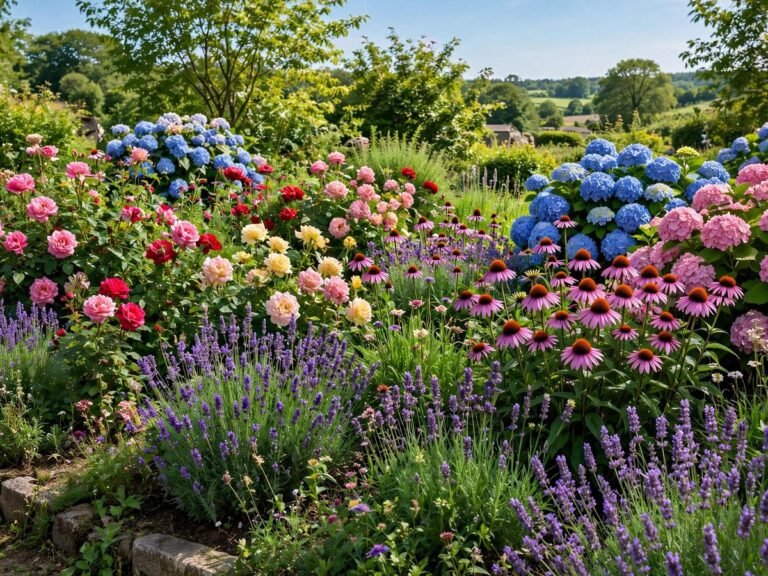
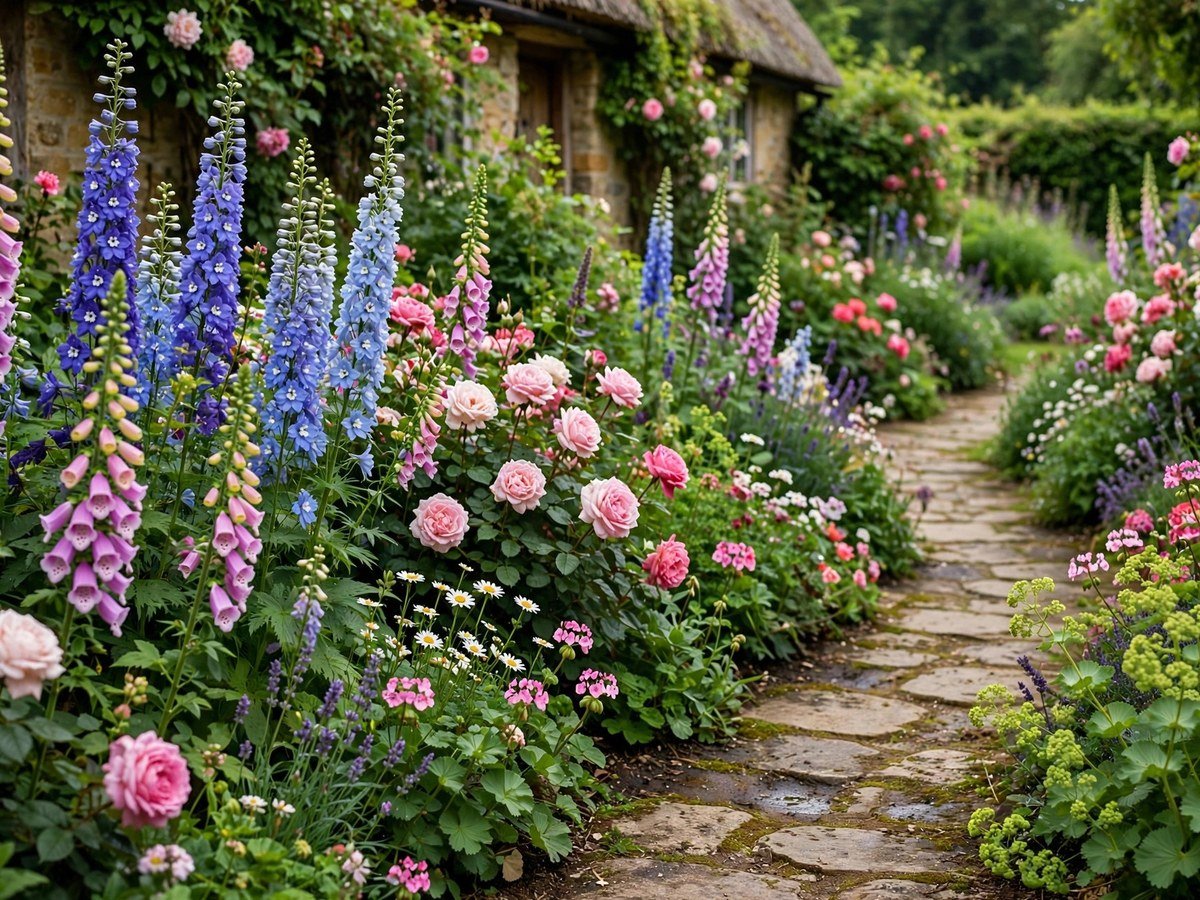
The cottage garden border is pure romance: a deep, billowing bed packed with roses, delphiniums, foxgloves, and lavender in joyful, unplanned-looking abundance. Plant in generous drifts along a fence, wall, or path, layering tall flowers at the back and shorter ones toward the front. The secret is density — pack plants close so weeds have nowhere to grow and the border looks lush from its first season. Choose a sunny spot with rich soil, and let a few self-seeders like nigella wander for authentic cottage charm.
2. Formal Parterre
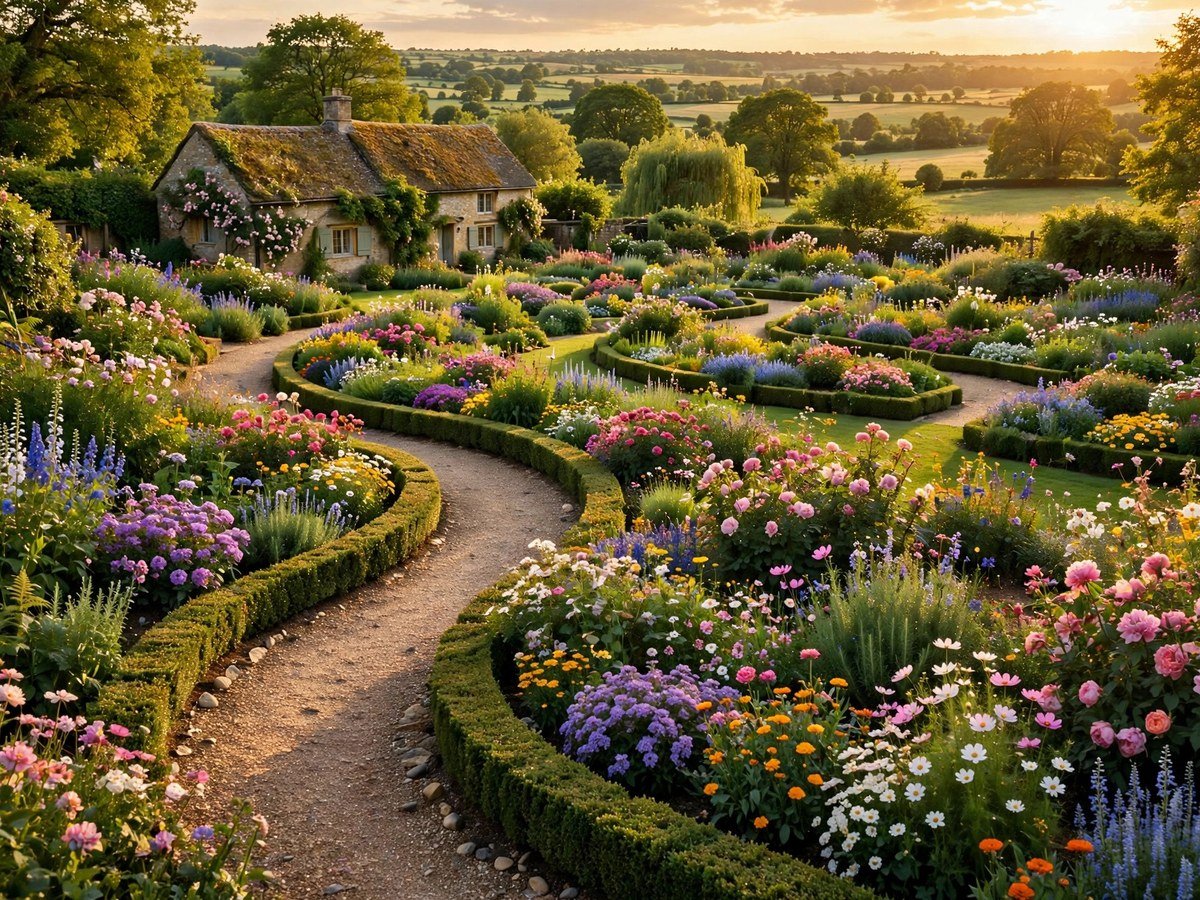
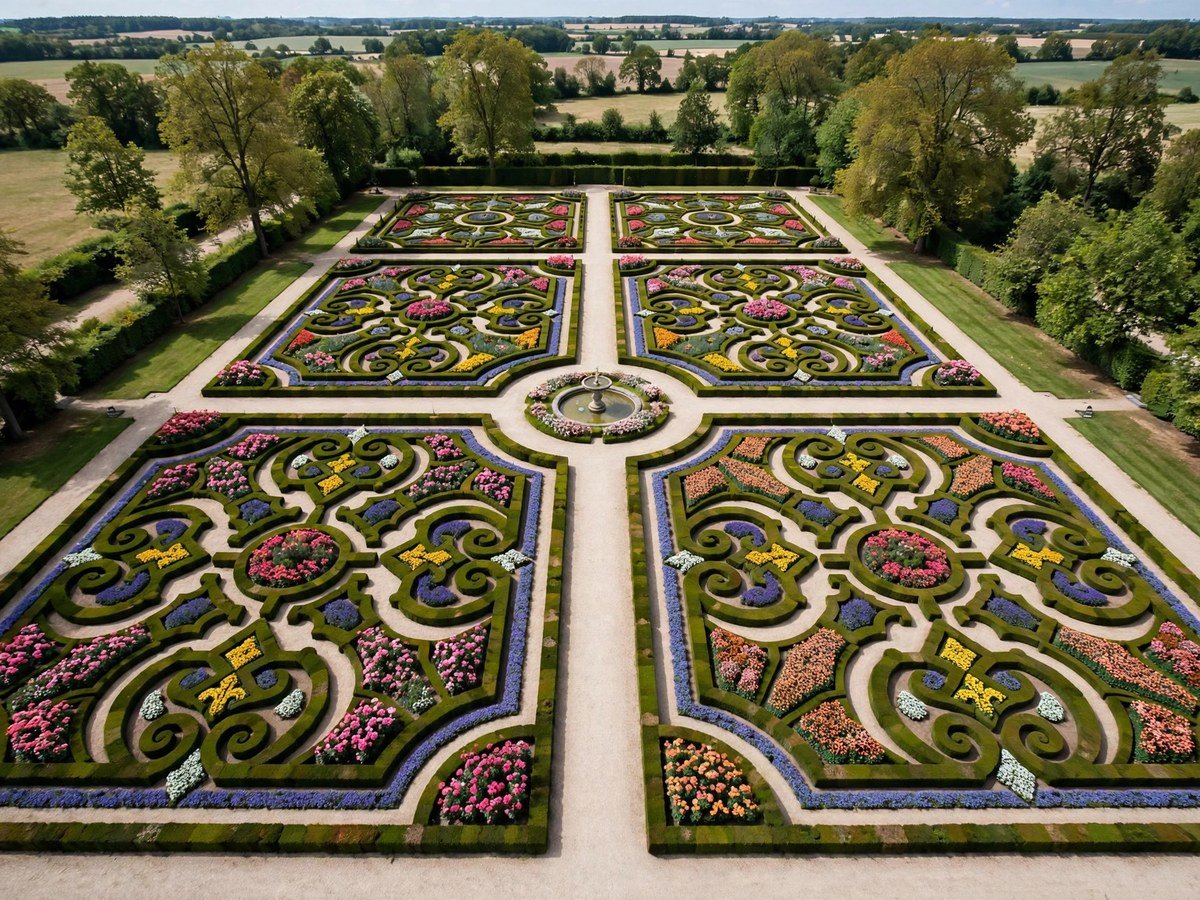
If you love order and symmetry, a formal parterre is your dream layout. Low clipped boxwood hedges form geometric patterns — squares, diamonds, or scrolls — with each compartment filled with a single flower color or variety. The result looks stunning year-round, even in winter when the evergreen bones shine. Parterres suit flat, visible areas near the house or entrance. Keep the scale modest at first; a small, perfectly kept parterre impresses far more than a large, ragged one.
3. Island Bed
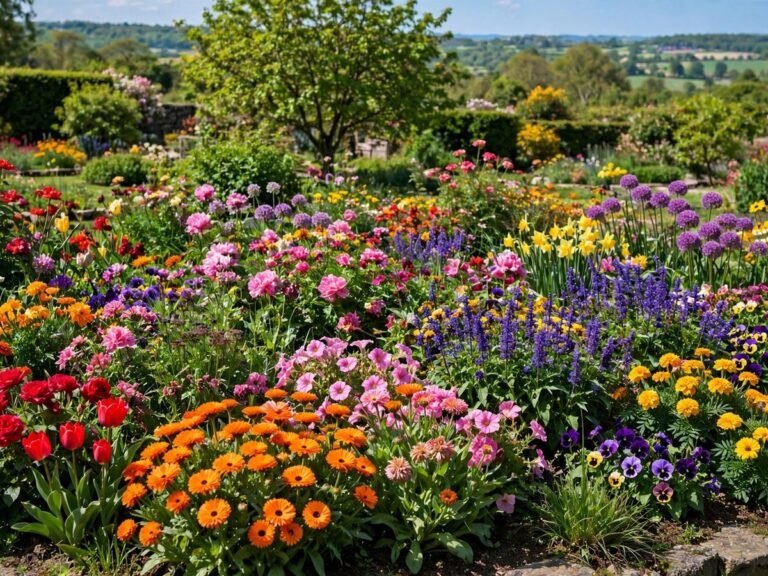
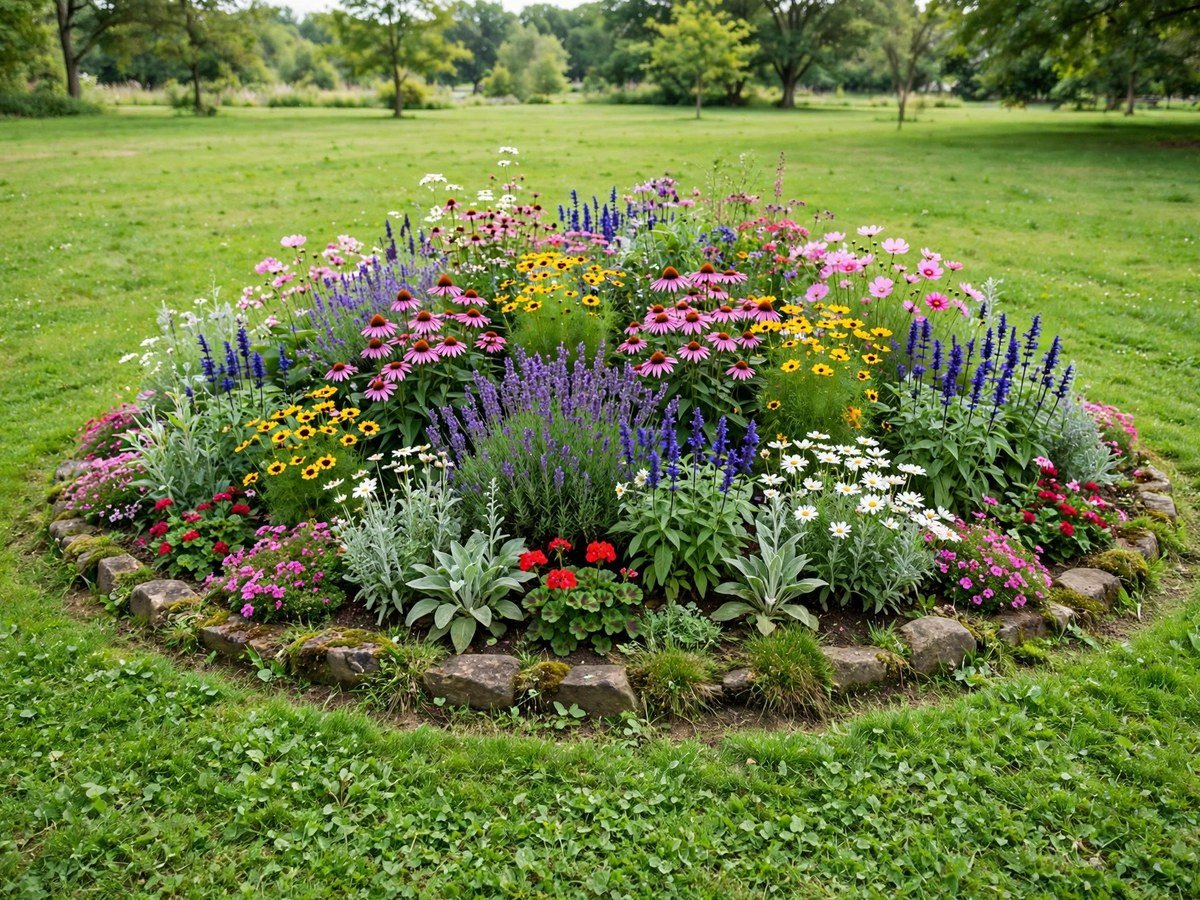
An island bed floats in the middle of your lawn like a floral stage, visible from every angle. Because it is seen from all sides, plant the tallest flowers in the center and step heights down toward the edges. Curved, kidney-shaped outlines look far more natural than rigid rectangles. Island beds are perfect for showcasing a bold color theme — imagine a hot island of reds and oranges, or a cool drift of blues and whites. Just remember to tuck a hidden stepping-stone path inside for easy maintenance access.
4. Pollinator Strip
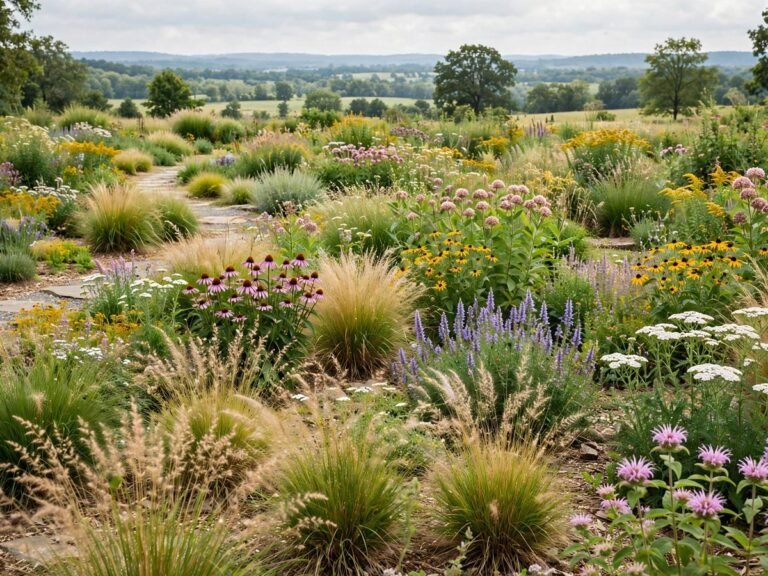
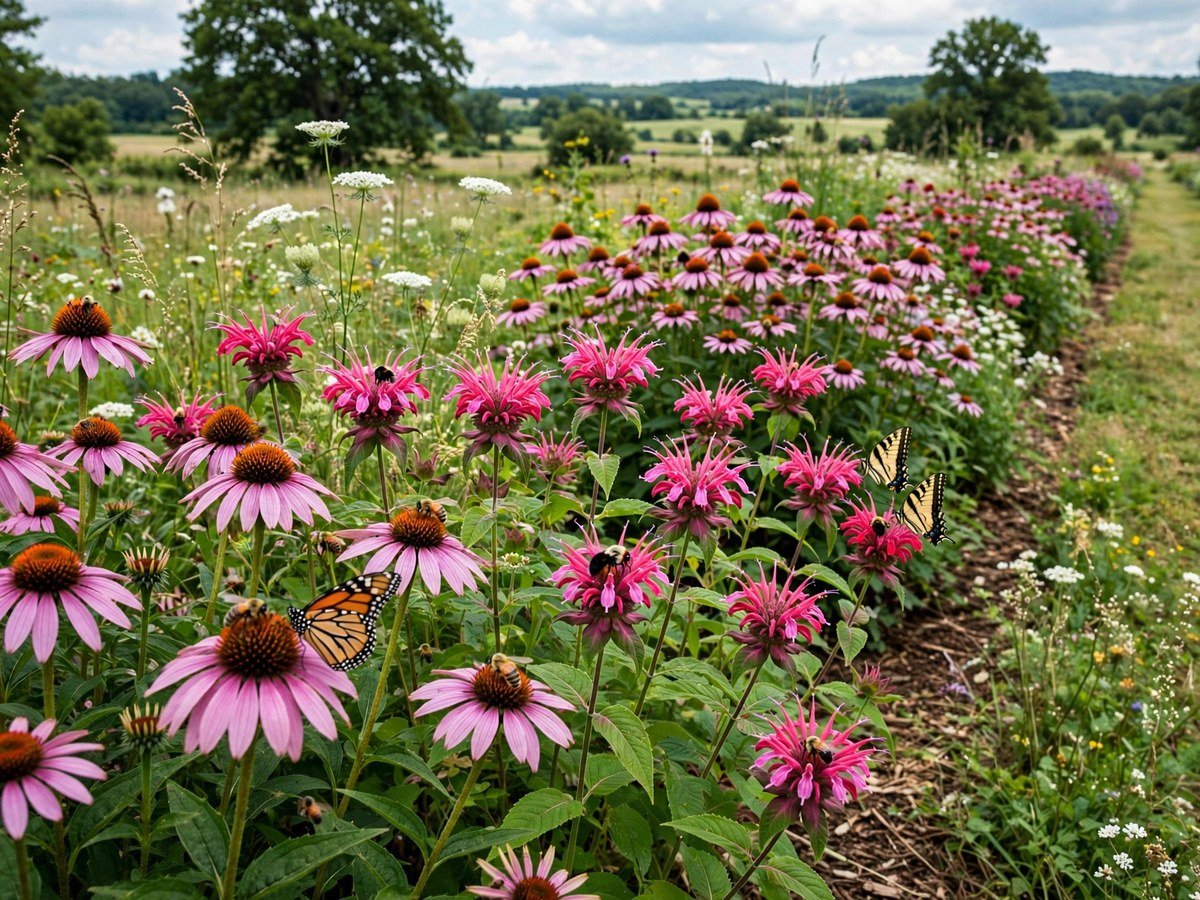
A pollinator strip turns a narrow side yard or sunny hellstrip into a buzzing wildlife haven. Plant a dense ribbon of nectar-rich flowers like coneflowers, bee balm, salvia, and asters in sweeping drifts. Choose varieties that bloom from spring through fall so bees, butterflies, and hummingbirds always find food. Skip pesticides entirely — this bed’s whole purpose is to be a safe haven. As a bonus, pollinator strips need little deadheading, since standing seed heads feed goldfinches through winter.
5. Cutting Garden Row
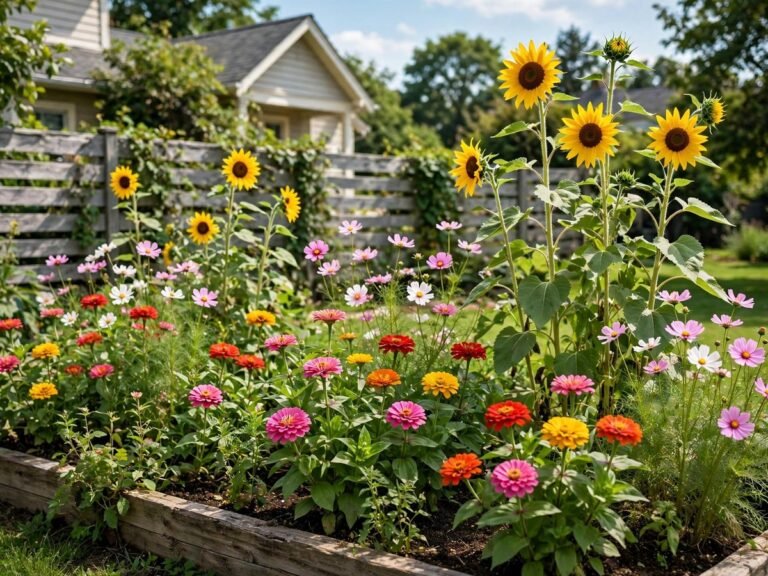
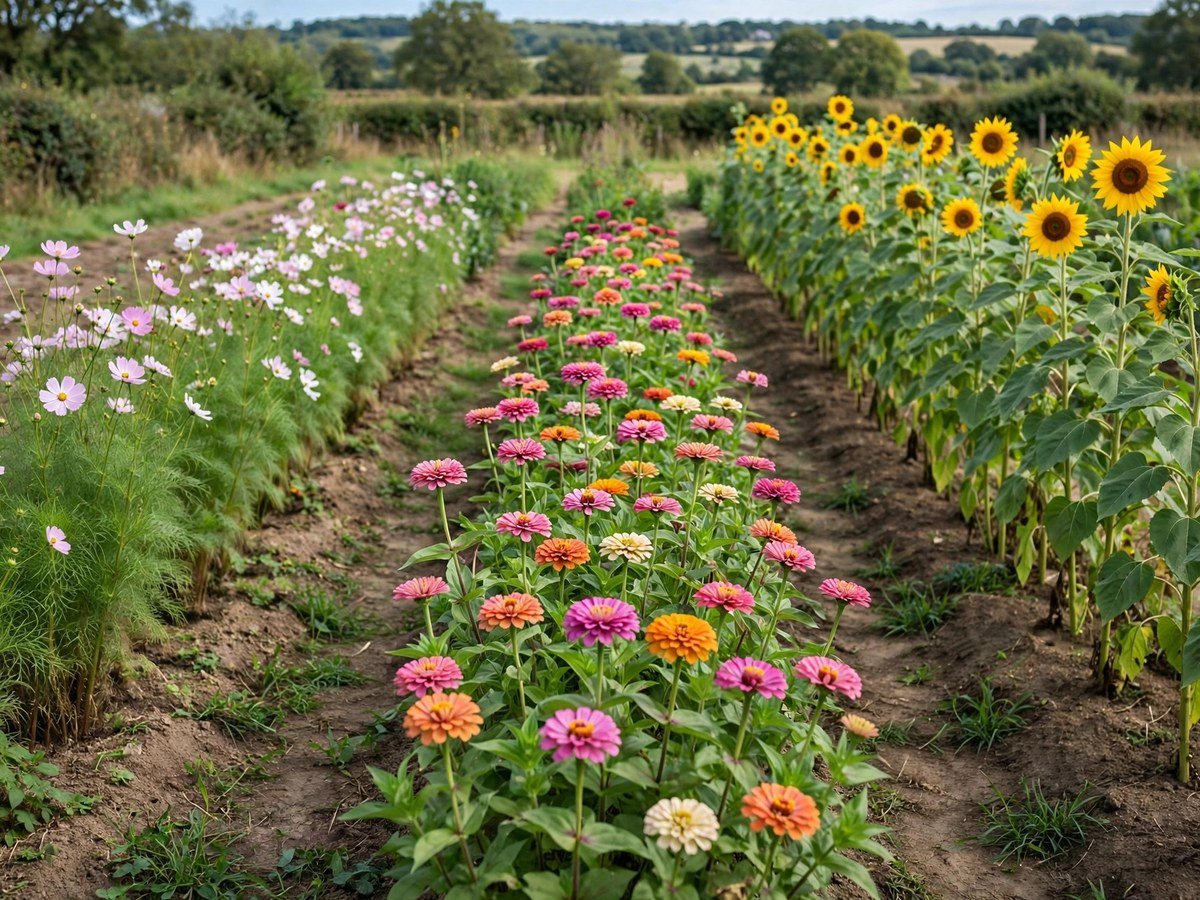
Love fresh bouquets? A cutting garden row is a working bed designed for harvest, not display. Plant in straight, accessible rows like a mini flower farm: zinnias, cosmos, sunflowers, snapdragons, and dahlias in generous quantities. Tuck it in a sunny, out-of-sight corner — it will look gloriously messy at peak season, and that is the point. Cut stems early in the morning and often; the more you harvest, the more flowers the plants produce. One small row can fill your home with bouquets from June to frost.
6. Container Cluster
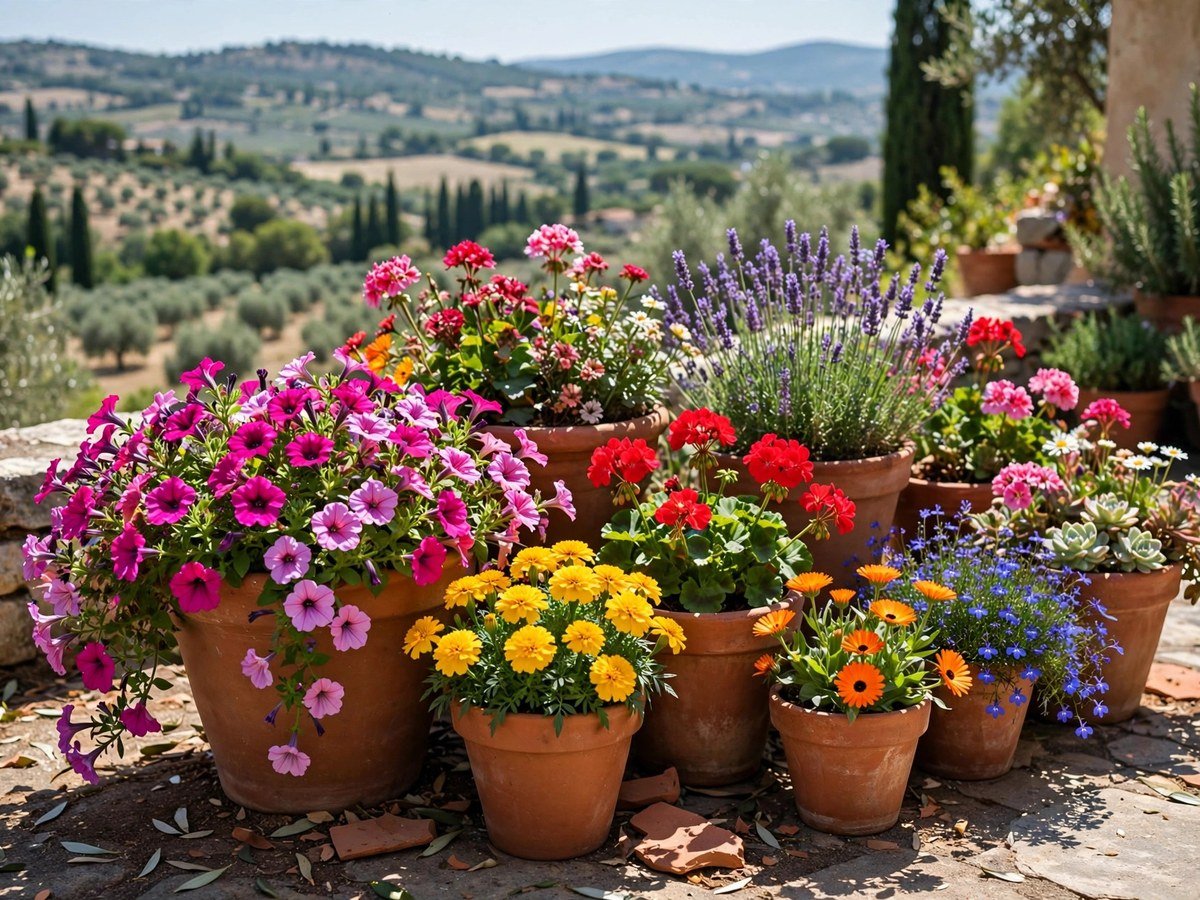
No ground to dig? A container cluster brings the flower garden to patios, balconies, and doorsteps. Group pots of different heights, materials, and sizes into a lush arrangement — odd numbers look best. Use large containers (they dry out slower), quality potting mix, and the thriller-filler-spiller formula: one tall focal plant, mounding flowers around it, and trailing blooms spilling over the edge. Clustered pots create their own humid microclimate, so they need less watering than lonely solo pots.
Design Tips for a Picture-Perfect Layout
Whatever layout you choose, a few designer tricks elevate the result. Repeat colors and plants in at least three spots to create rhythm and unity. Plant in odd-numbered groups — threes and fives look natural, while pairs look stiff. Leave paths at least three feet wide so a wheelbarrow fits comfortably. Consider the view from your most-used window and place your showiest bed where you will actually see it every day. Finally, photograph your garden monthly; photos reveal gaps your eyes miss, making next year’s improvements obvious.
Frequently Asked Questions
What is the easiest flower garden layout for beginners?
The cottage garden border or a container cluster. Both forgive mistakes, need no precise measuring, and look good even as you learn. Start small and expand once you find your rhythm.
How wide should a flower bed be?
Three to four feet is ideal for a border you reach from one side; island beds can go six to eight feet wide since you access them from all around. Never make a bed so wide you must step into it.
Should flower beds go in sun or shade?
Most flowering plants want at least six hours of sun. Observe your yard through a day before digging — note which spots stay sunny — and match plants to the light you actually have.
How do I plan a garden layout on a budget?
Start with one bed, buy small plants, and let perennials fill in over two to three years. Divide neighbors’ overgrown perennials for free plants, and use seed for fast seed annual color.
Can I mix vegetables into a flower garden layout?
Absolutely — it is called potager style. Colorful chard, purple basil, and cherry tomatoes look gorgeous among flowers, and mixing crops confuses pests naturally.
Bringing Your Layout to Life
The perfect flower garden layout fits your space, your style, and the time you honestly want to spend in it. Sketch your chosen idea on paper, start with a manageable size, and let the garden evolve. Within a season or two, you will have an outdoor space that feels designed, personal, and utterly yours.