Growing Vegetables Indoors All Year
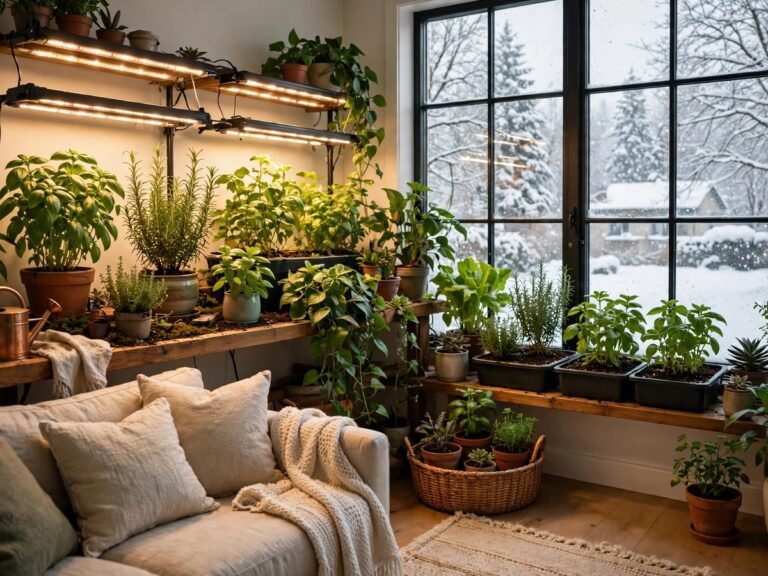
Growing vegetables indoors means fresh harvests in every season, no matter what the weather is doing outside. When you commit to growing vegetables indoors all year, a sunny windowsill or a modest grow light setup becomes a year-round farm measured in square feet, not acres. Imagine snipping salad greens in February or picking cherry tomatoes in November — it is entirely realistic with the right crops and a little know-how.
This guide covers six reliable vegetables that thrive inside, plus the care basics that keep them productive month after month.
What Indoor Vegetables Need to Thrive
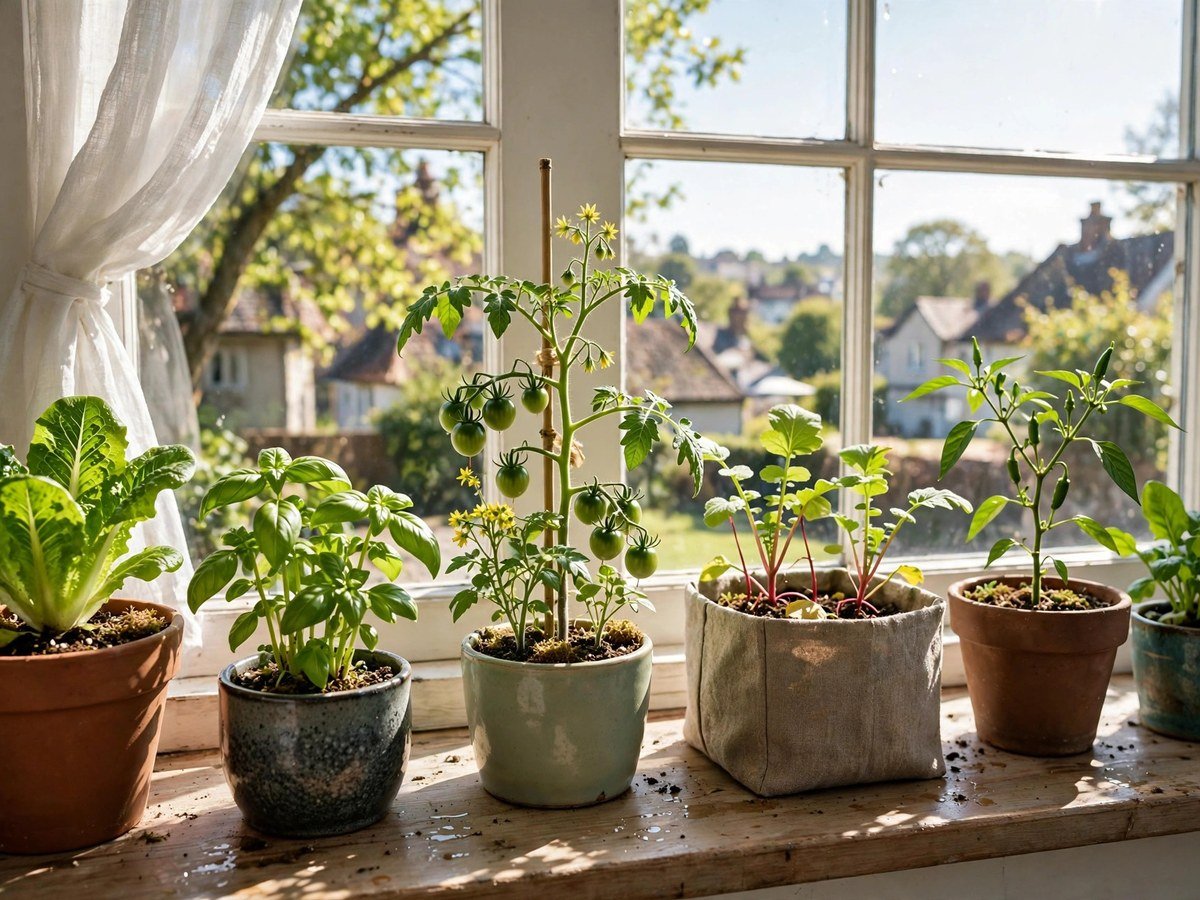
Indoor vegetables ask for three things: plenty of light, consistent moisture, and decent airflow. Most edibles want at least 12 to 14 hours of bright light daily — a south-facing window plus a supplemental LED covers it. Containers should be at least six inches deep with drainage holes, filled with quality potting mix rather than garden soil. Water when the top inch dries out, feed every two weeks with balanced liquid fertilizer, and run a small fan nearby to strengthen stems and discourage fungus. Get these basics right and the plants largely take care of themselves.
6 Growing Vegetables Indoors All Year
1. Lettuce
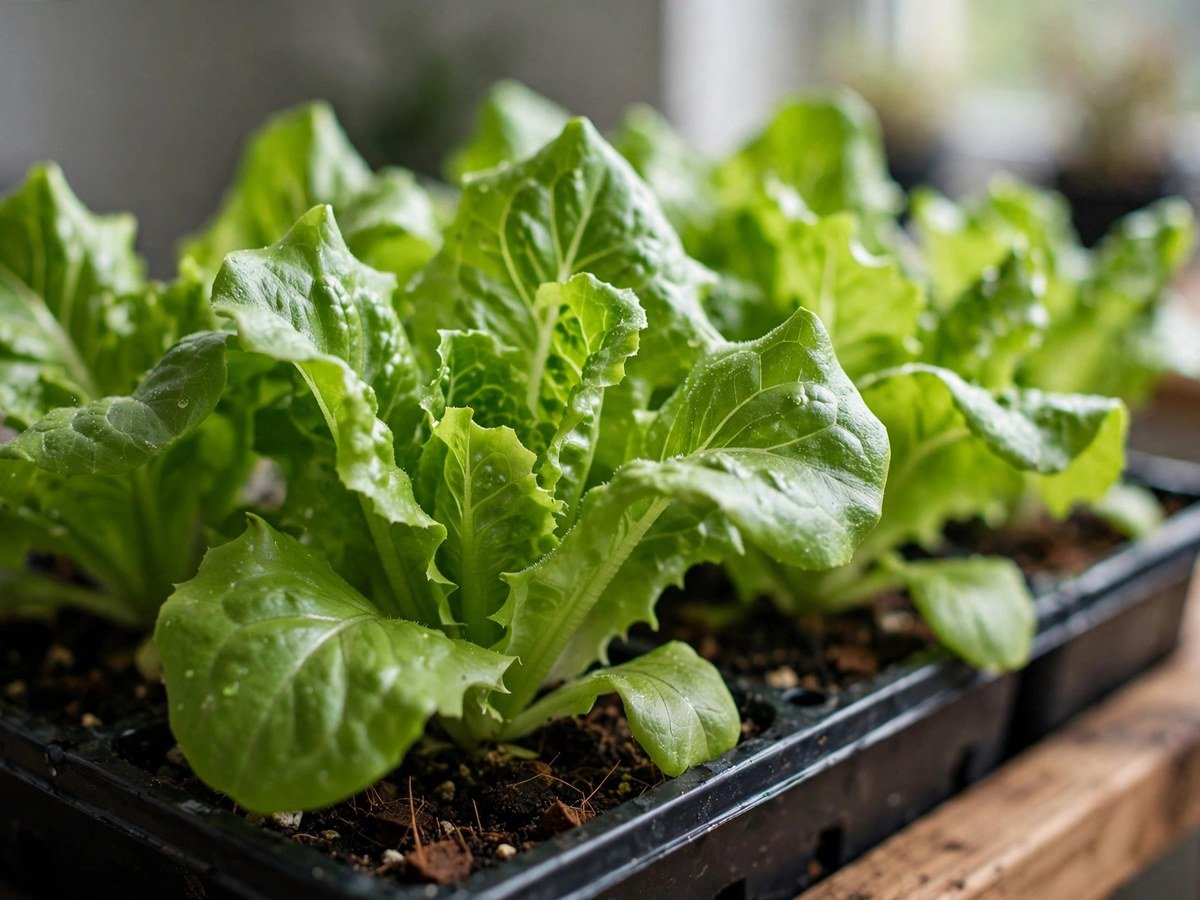
Lettuce is the undisputed champion of indoor growing. Leaf varieties like butterhead, oakleaf, and romaine germinate in days and tolerate the lower light of windowsills better than almost any other vegetable. Sow seeds in wide, shallow containers, keep the soil evenly moist, and harvest outer leaves when they reach three inches — the plant keeps producing for weeks. For continuous salads, sow a new container every two weeks.
2. Cherry Tomatoes
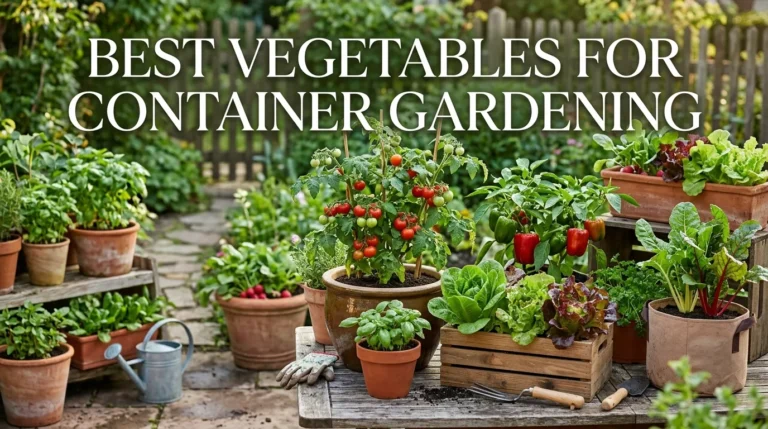
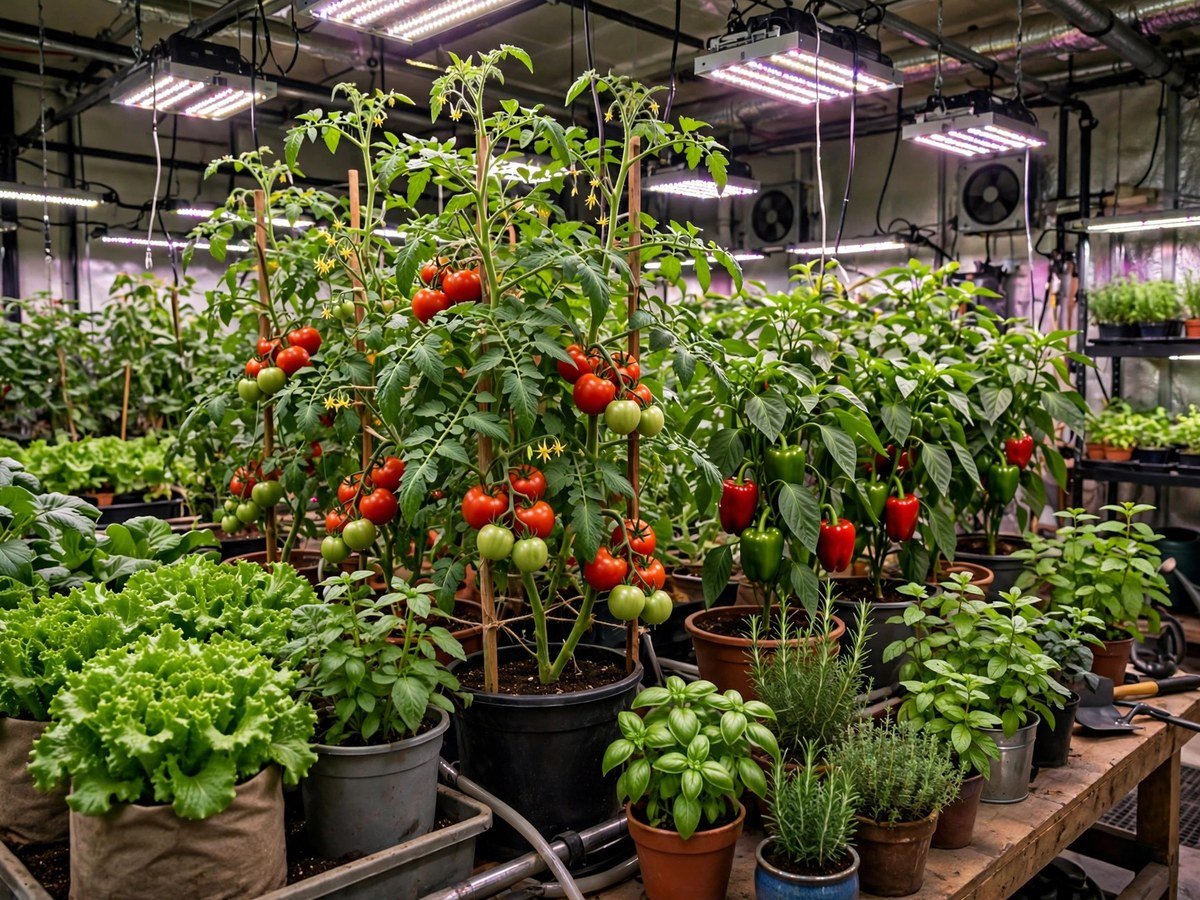
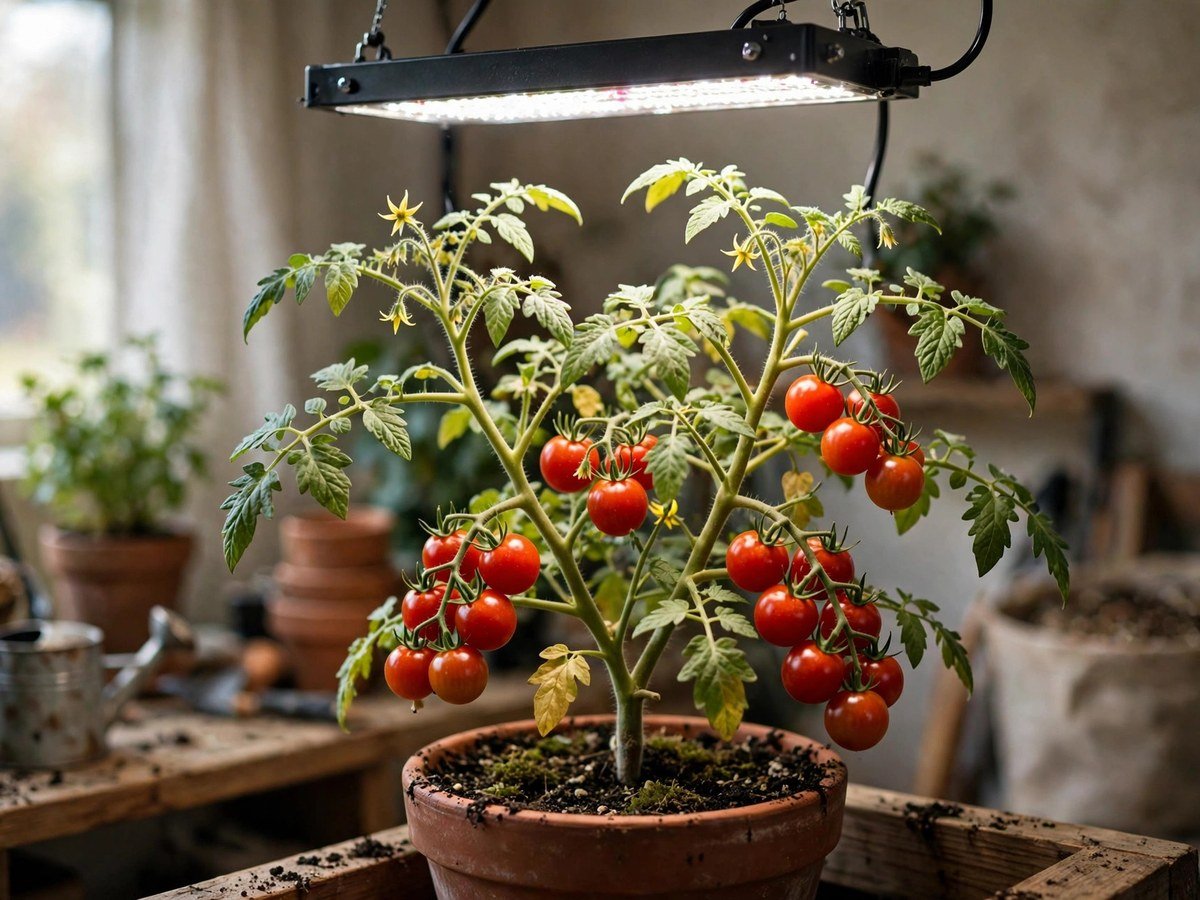
Cherry tomatoes bring serious satisfaction indoors if you choose compact dwarf varieties bred for containers. Give each plant a five-gallon pot, a small trellis, and 14 to 16 hours of strong light — fruiting demands intensity. Hand-pollinate by gently shaking the stems daily once flowers open. With steady feeding and warmth, a single plant can produce handfuls of sweet tomatoes for months, even in midwinter.
3. Peppers
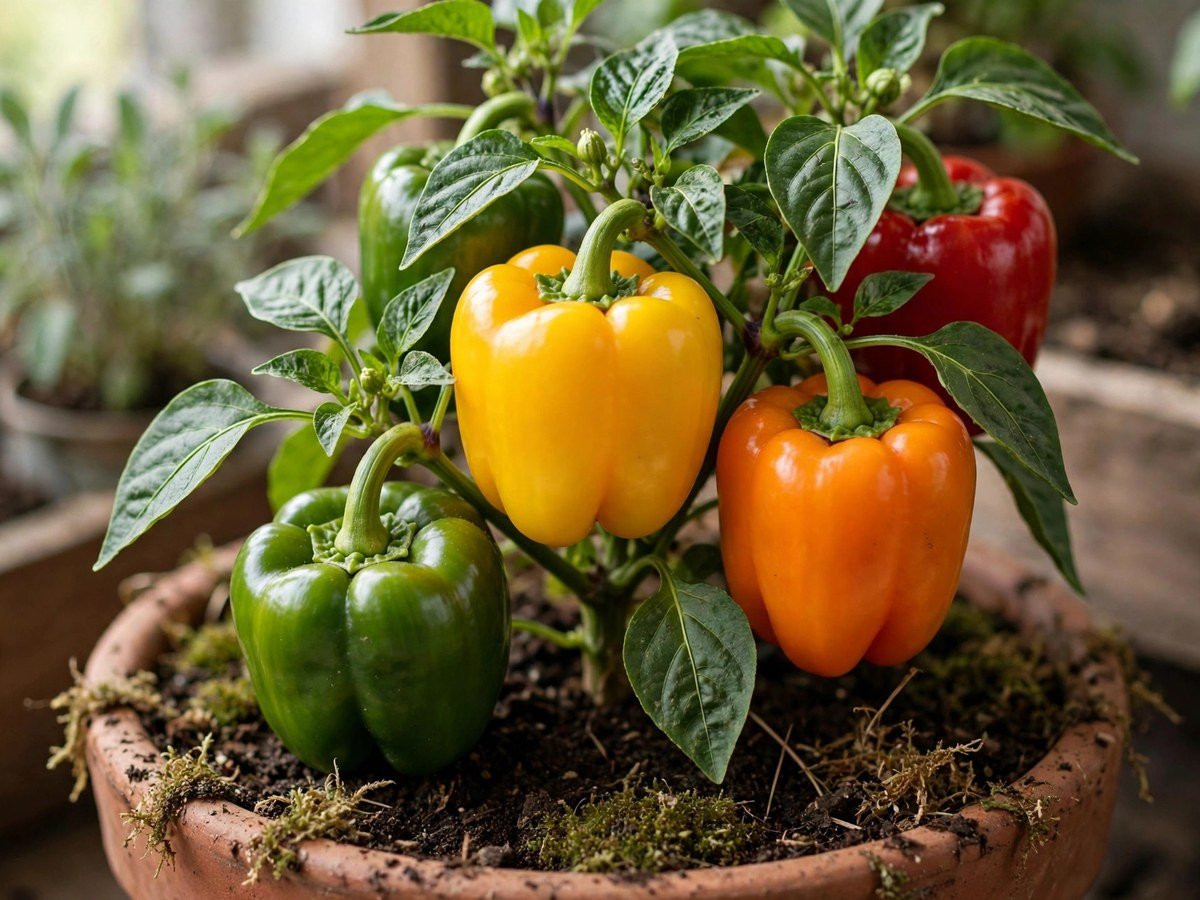
Peppers — both sweet bells and hot chilies — adapt beautifully to indoor life. Compact varieties fruit reliably in three-gallon pots under 14 hours of light. They love warmth, so keep them away from drafty windows and aim for 65 to 75 degrees. Peppers are also perennials indoors; overwinter a healthy plant and it will fruit again next season, bigger and earlier than any seedling.
4. Green Onions
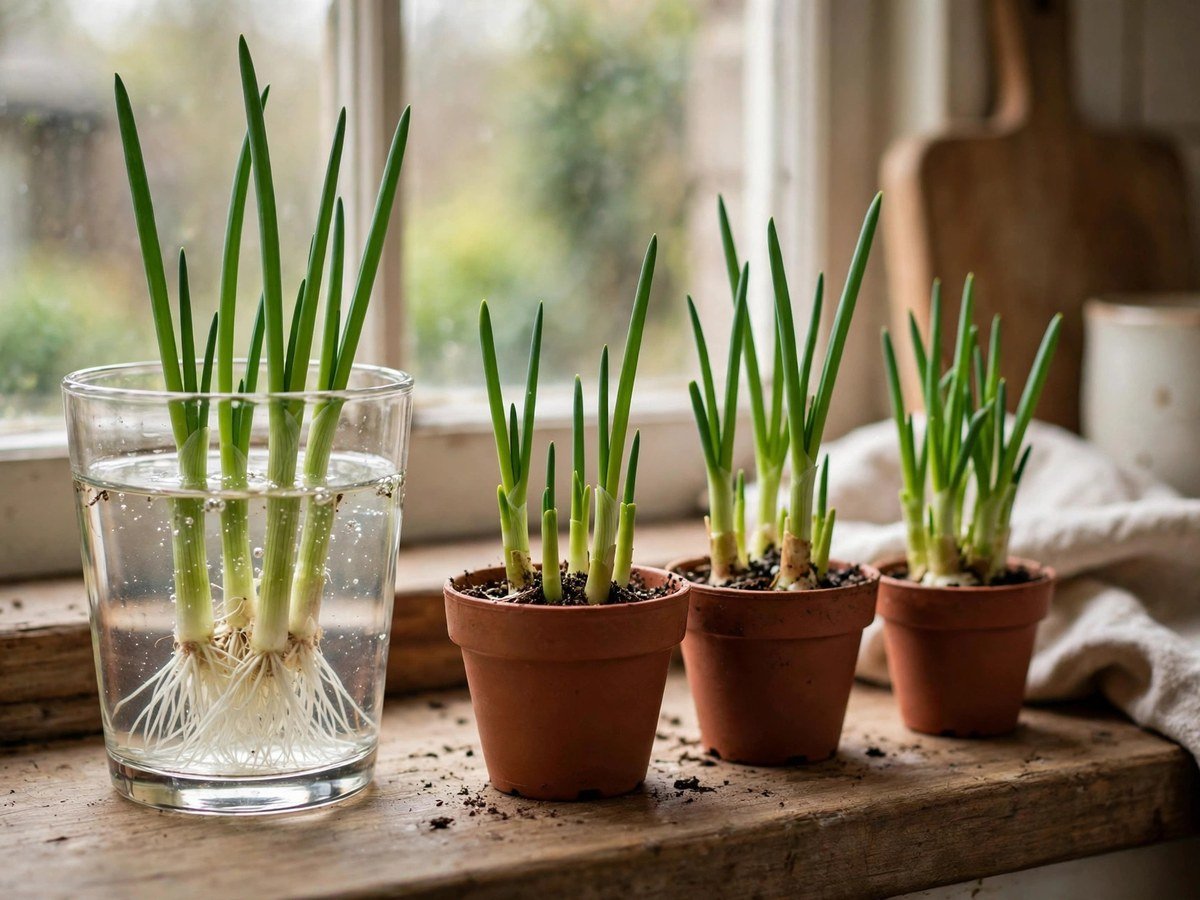
Green onions are practically free food. Save the white root ends from store-bought bunches, stand them in a glass of water on the windowsill, and watch green shoots regrow within days. Transfer them to potting mix for sturdier, longer-lasting production, and snip what you need — they regrow repeatedly. They ask for almost nothing: water, a bit of light, and an occasional trim.
5. Radishes
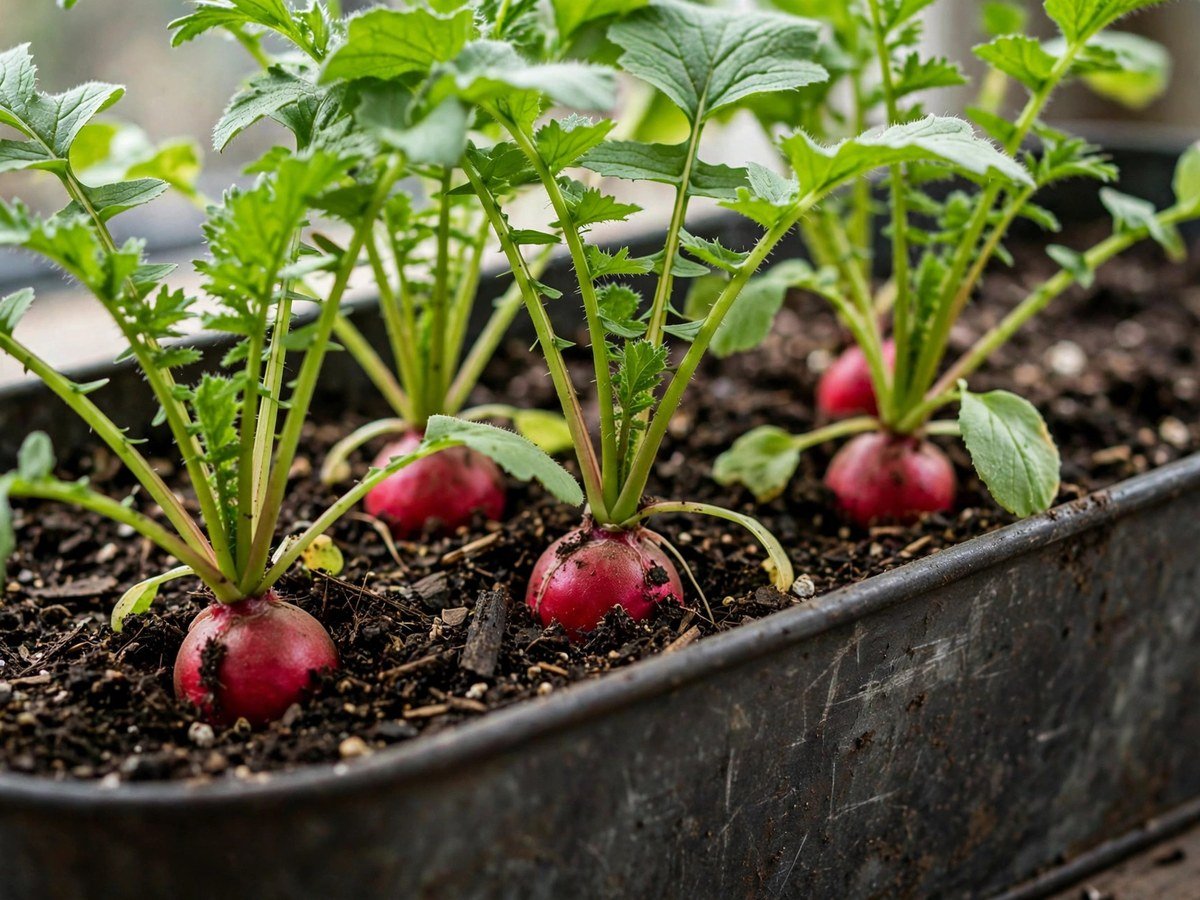
Radishes are the sprinters of the indoor vegetable world, going from seed to crisp roots in as little as three to four weeks. Sow them an inch apart in containers at least six inches deep, keep the soil consistently moist, and thin seedlings so roots have room to swell. They tolerate cooler indoor temperatures well, making them perfect for winter windowsills. Harvest promptly — oversized radishes turn woody.
6. Indoor Herbs
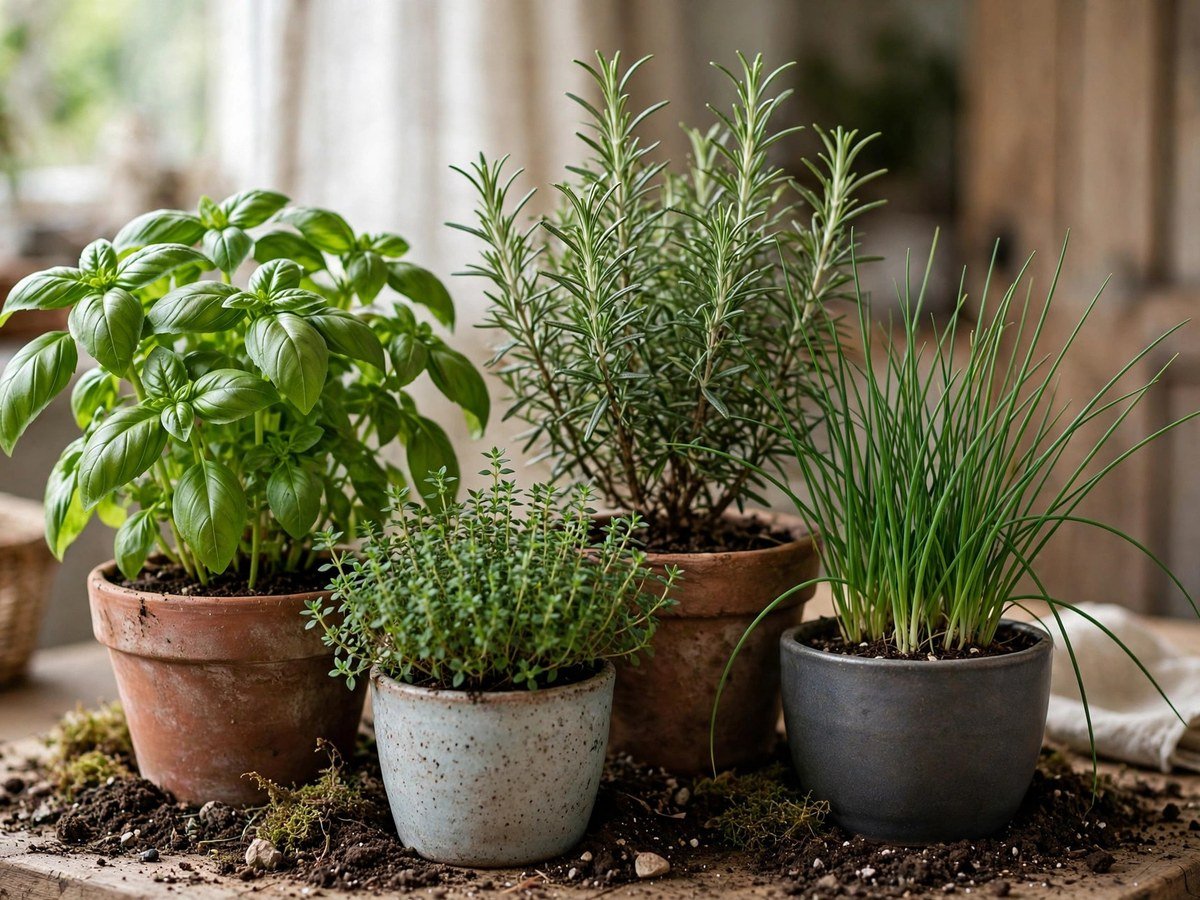
No indoor vegetable garden is complete without herbs. Basil, parsley, cilantro, chives, and thyme all thrive in pots with 12 to 14 hours of light, and they elevate every meal you cook. Grow them in individual pots so you can tailor watering — basil likes it moist, thyme prefers to dry out. Pinch flower buds and harvest regularly to keep plants bushy and productive all year.
Everyday Care for Indoor Crops
Consistency beats intensity in indoor vegetable care. Check soil moisture daily — indoor air dries pots faster than you expect — and water thoroughly until it drains from the bottom. Feed every two weeks at half strength; container plants exhaust nutrients quickly. Rotate pots a quarter turn every few days so growth stays even, and keep a small fan running for airflow that prevents damping-off and leggy stems. Watch for aphids and fungus gnats, the two classic indoor pests, and treat early with insecticidal soap or sticky traps.
Frequently Asked Questions
Do I need grow lights for indoor vegetables?
Leafy greens and herbs can manage on a bright windowsill, but fruiting crops like tomatoes and peppers need supplemental grow lights for 14 to 16 hours daily to produce well.
What size pots do indoor vegetables need?
Lettuce and herbs do fine in 6-inch pots; radishes and green onions need 6 inches of depth; peppers want 3 gallons and dwarf tomatoes at least 5 gallons.
How often should I water indoor vegetables?
Water when the top inch of soil feels dry, usually every 2 to 3 days. Containers dry faster than garden beds, so check daily in warm rooms.
Can I grow vegetables indoors without fertilizer?
Not for long. Potting mix nutrients deplete within weeks, so feed every two weeks with a balanced liquid fertilizer at half strength.
Why are my indoor seedlings leggy?
They need more light. Move them closer to the window or grow light, extend light hours, and add gentle airflow to encourage sturdy stems.
The Bottom Line
Growing vegetables indoors all year is less about fancy gear and more about choosing the right crops and giving them steady light, water, and care. Start with forgiving winners like lettuce and green onions, then graduate to tomatoes and peppers as your confidence grows. Keep a simple notebook of sowing dates and harvests, and each season your indoor garden will run smoother than the last. Before long, your kitchen will have a permanent fresh-produce section — no grocery run required.