Kitchen Gardening Plant Guide
Kitchen Gardening Plant Guide
Nothing beats the flavor of vegetables picked minutes before dinner, and kitchen gardening puts that freshness within everyone’s reach. Whether you have a backyard, a balcony, or just a sunny patio, growing your own food is simpler than most beginners expect. This guide walks you through six reliable, rewarding vegetables that practically guarantee success — from juicy tomatoes to crunchy carrots — plus the practical know-how to keep them thriving from seed to supper.
Why Kitchen Gardening Is Worth Every Minute
A kitchen garden pays you back in ways a grocery run never can. Homegrown vegetables taste dramatically better because you harvest them at peak ripeness instead of weeks early for shipping. You will save real money on produce, know exactly what went into your soil, and cut down on packaging waste. Gardening is also wonderfully grounding — ten minutes of watering and weeding melts stress — and kids who grow vegetables are far more excited to eat them.
Beyond the practical rewards, a kitchen garden reconnects you with the rhythm of the seasons. You will notice the first warm days of spring differently when seedlings are waiting, and sharing a basket of extra tomatoes with neighbors builds the kind of community no supermarket can offer. Even a modest 4×8-foot bed can produce hundreds of dollars of organic produce in a single season.
6 Essential Plants for Your Kitchen Garden
Tomatoes
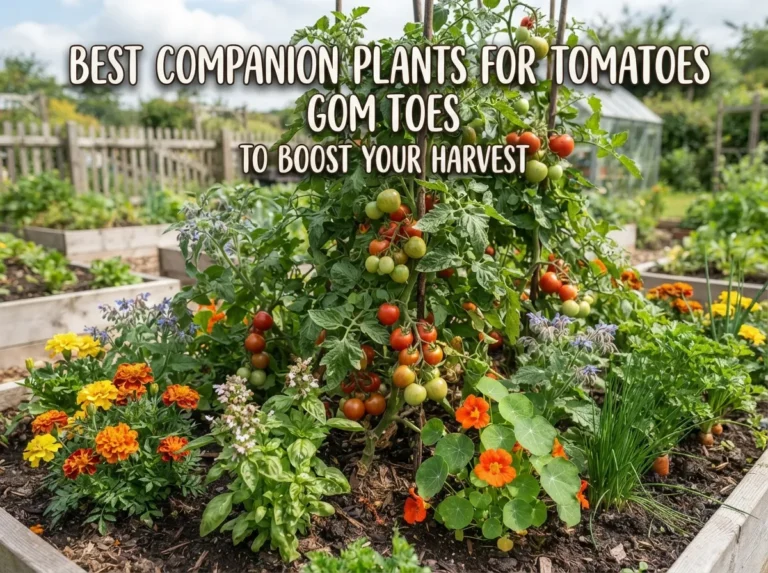
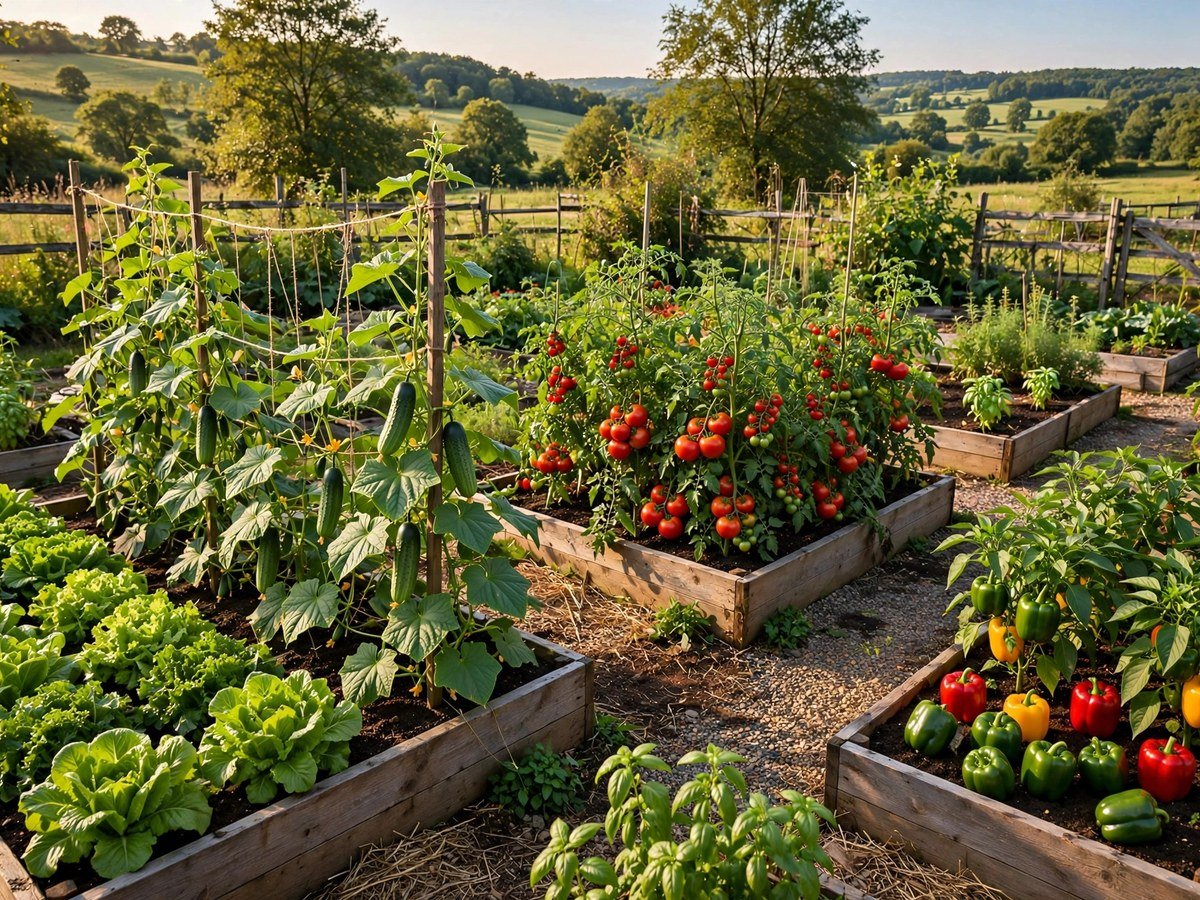
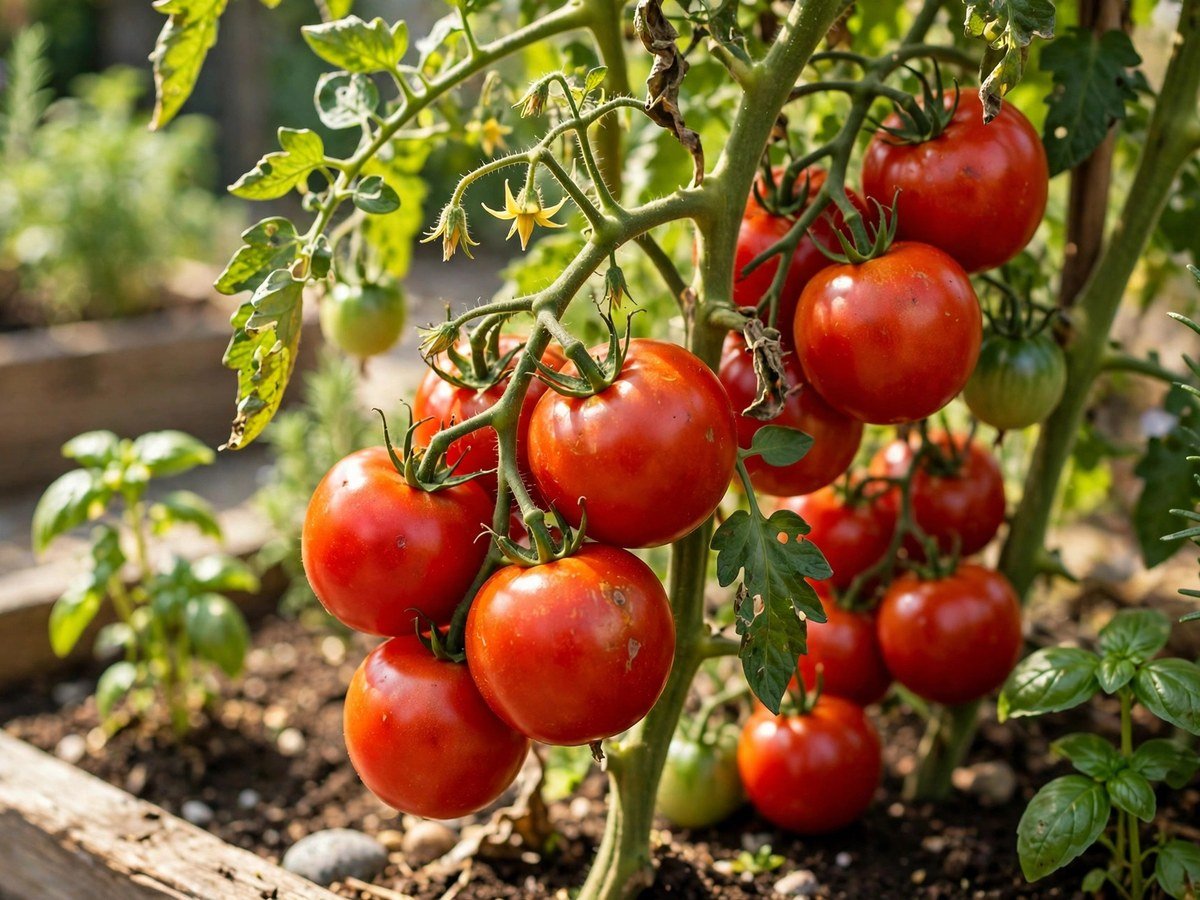
Tomatoes are the undisputed stars of the kitchen garden. Nothing from a store compares to a sun-warmed tomato eaten steps from the vine. Give them the sunniest spot you have — at least six hours daily — plus rich soil, consistent water, and a sturdy cage or stake. Start with disease-resistant cherry or paste varieties for the most forgiving first harvest.
Peppers
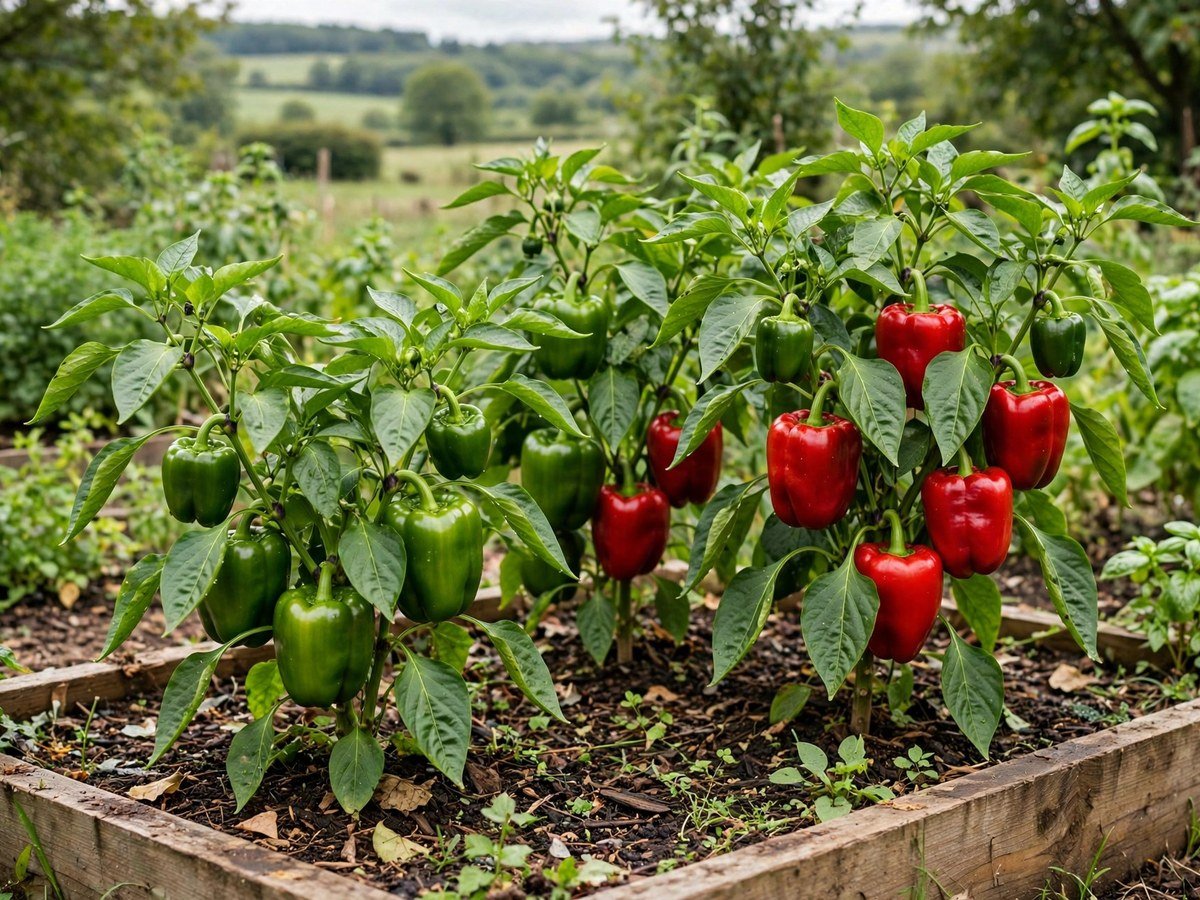
Peppers bring color, crunch, and a little drama to the garden. Sweet bells and mild poblanos are perfect for beginners, thriving in the same sunny, warm conditions as tomatoes. They are slower to start, so be patient in spring, and mulch well once soil warms. Let peppers ripen fully on the plant for the sweetest flavor and brightest colors.
Lettuce
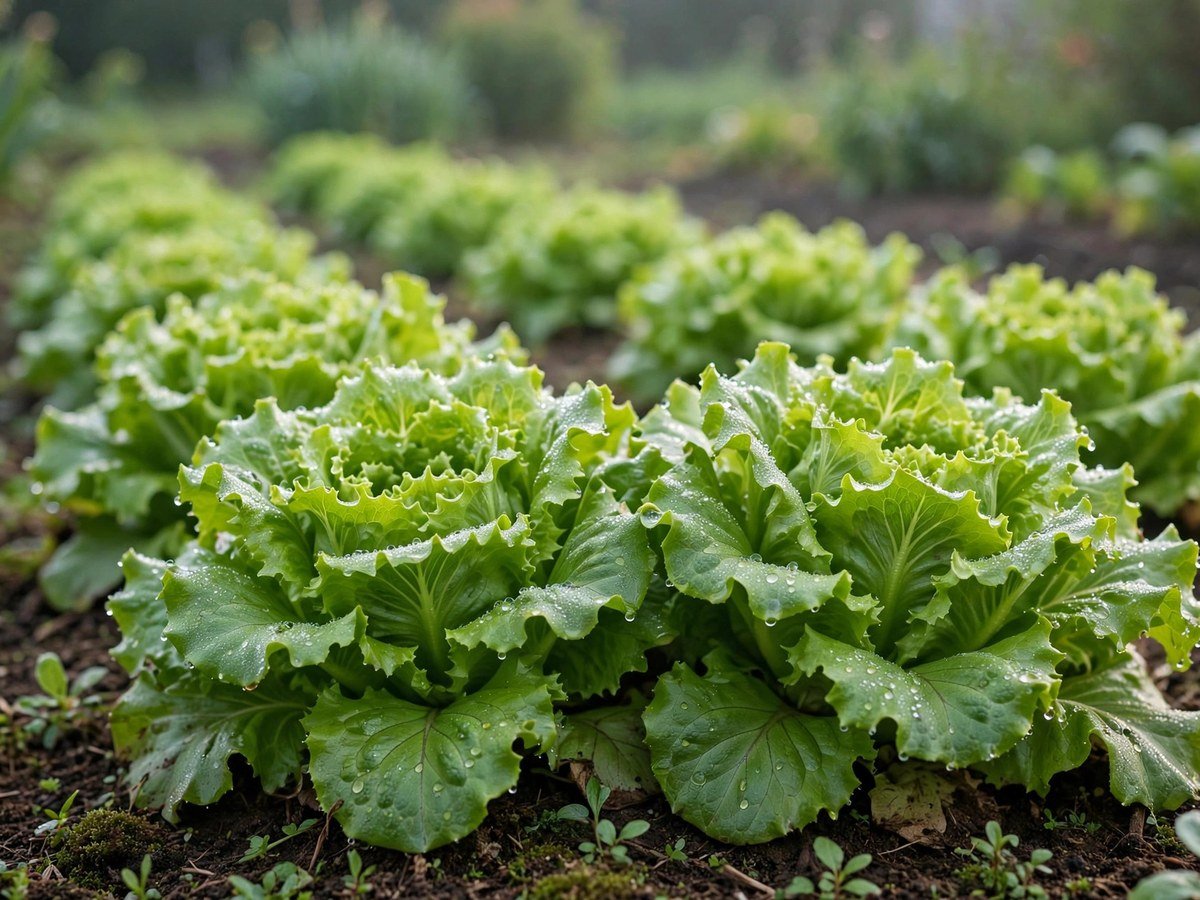
Lettuce is the fastest reward in the kitchen garden — sow seeds directly in cool spring or fall soil and you will be snipping salads within weeks. It prefers partial shade in hot climates and regular water to stay crisp and sweet. Harvest outer leaves first and the plant keeps producing, giving you cut-and-come-again greens for months.
Green Onions
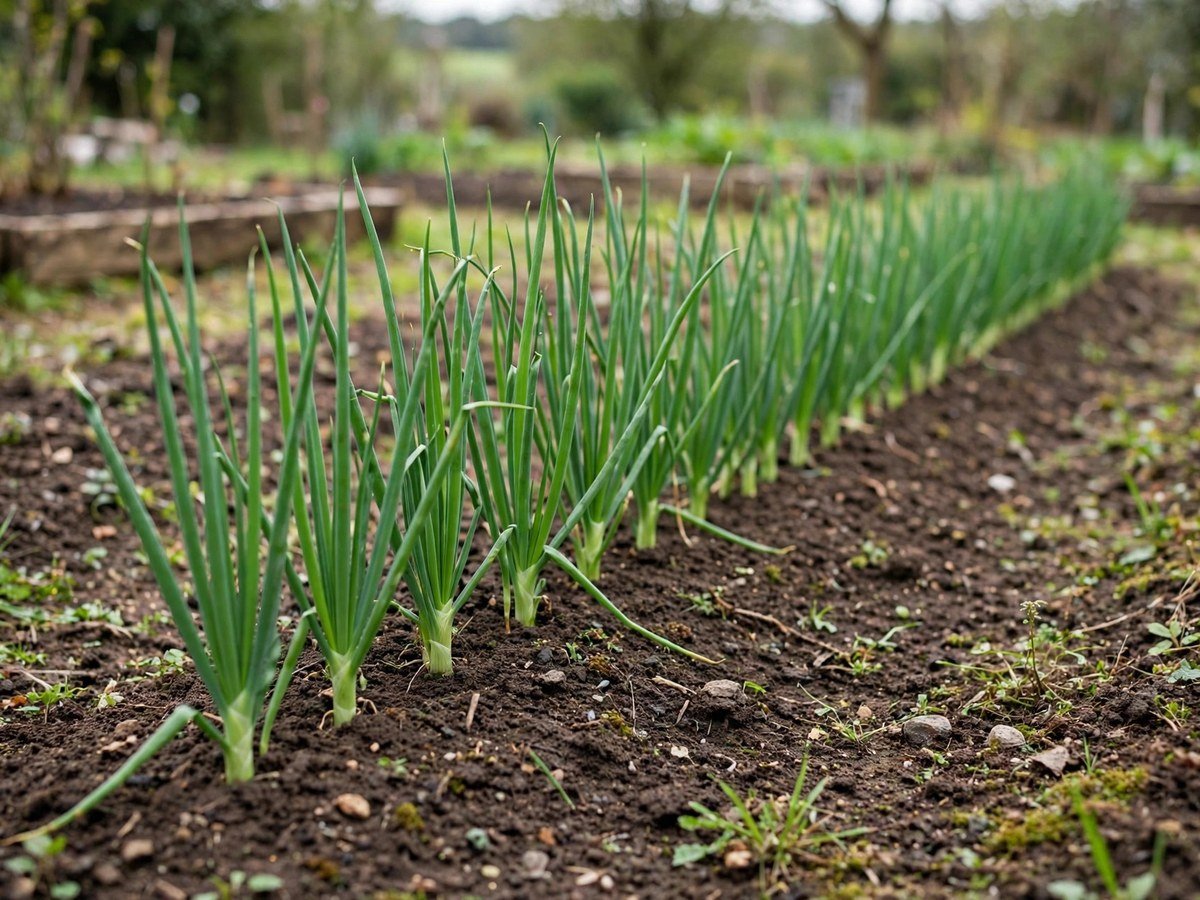
Green onions are almost embarrassingly easy. Stick the rooted ends of store-bought scallions in soil or water and they regrow in days; sow seeds or sets for endless harvests. They need little space, tolerate partial shade, and shrug off most pests. Snip what you need and they bounce right back — the ultimate low-effort kitchen staple.
Cucumbers
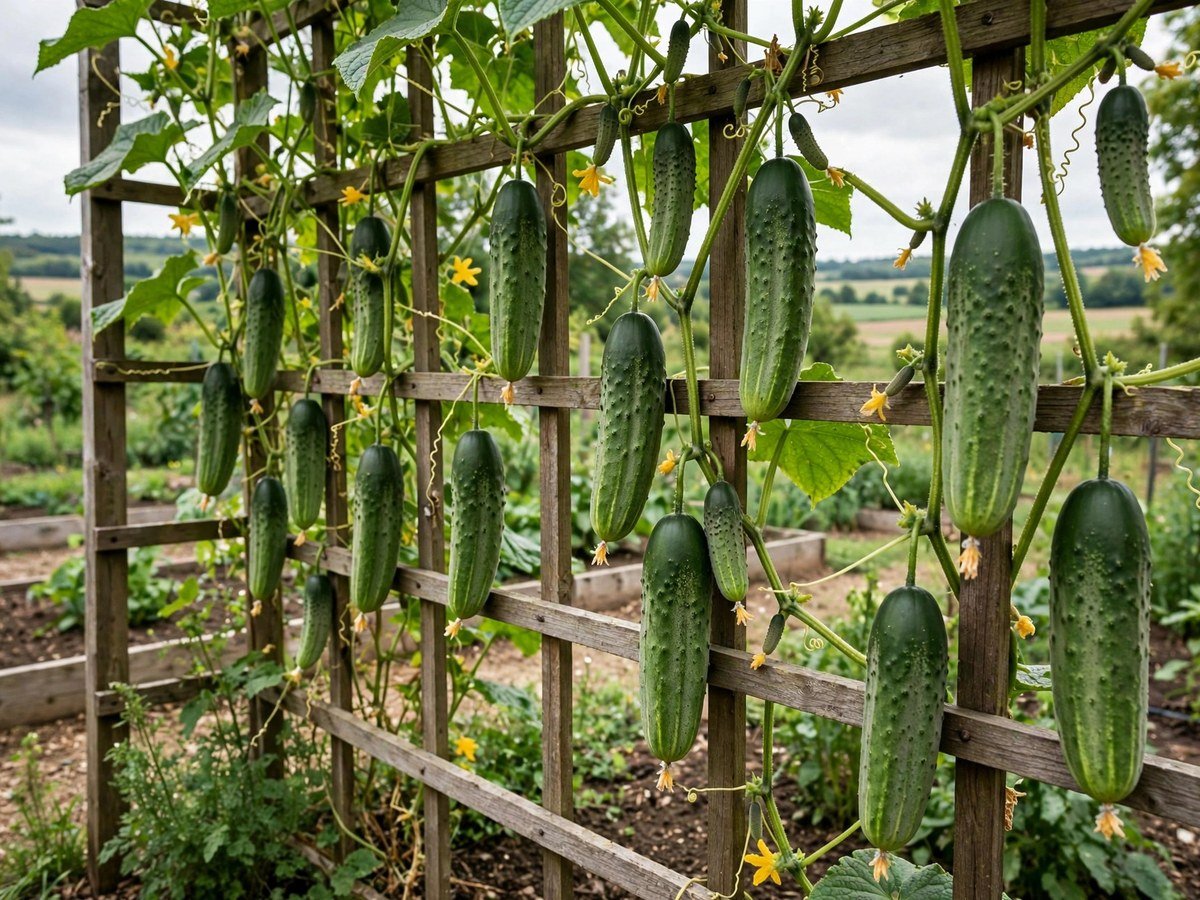
Cucumbers are vigorous, generous, and fun to watch climb. Give them a trellis to save space and keep fruits straight and clean, plus rich soil and steady water — inconsistent watering causes bitter fruit. Pick cucumbers young and often; the more you harvest, the more the vine produces, sometimes faster than you can eat them.
Carrots
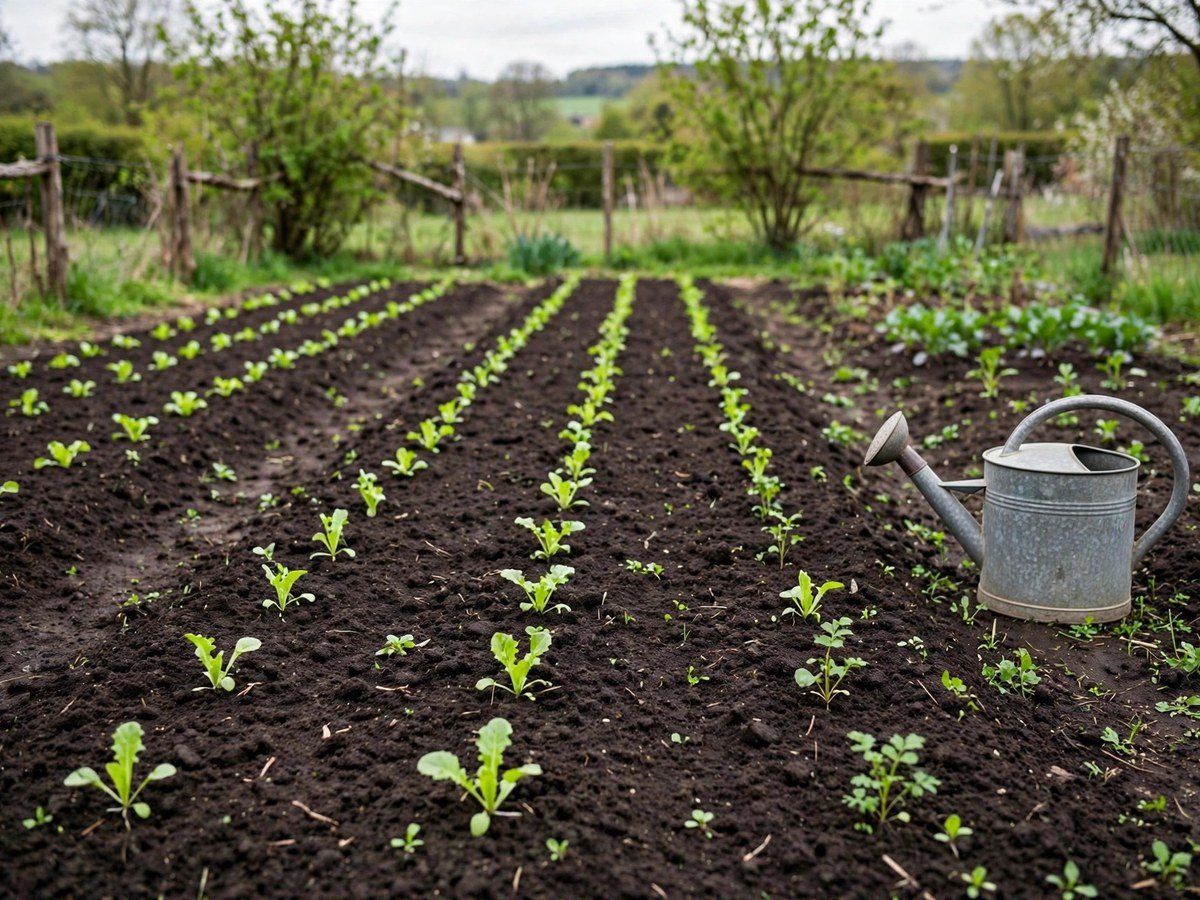
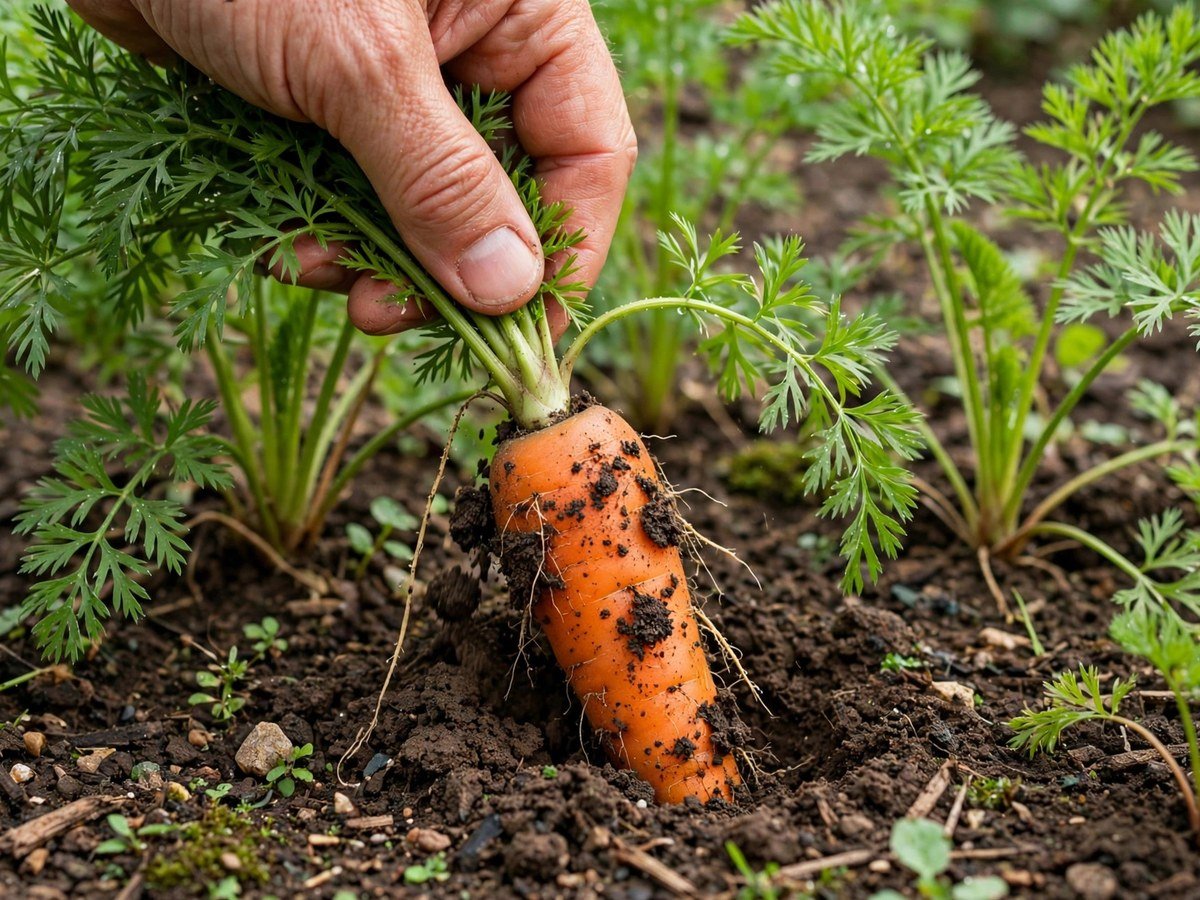
Carrots teach the sweet virtue of patience. Sow tiny seeds directly into loose, stone-free soil and keep the bed evenly moist until they sprout. Thin seedlings ruthlessly so roots have room to swell, and wait for shoulders to push above the soil before pulling. Homegrown carrots are astonishingly sweet — worth every week of waiting.
Kitchen Gardening Success Tips
Sun is the single biggest factor: most vegetables need six to eight hours daily, so observe your space before planting. Feed soil with compost rather than relying on synthetic fertilizers, and water deeply but less often to encourage strong roots — morning watering beats evening for disease prevention. Practice succession planting by sowing lettuce and carrots every two to three weeks for continuous harvests, and rotate crops each season to keep soil healthy and pests confused.
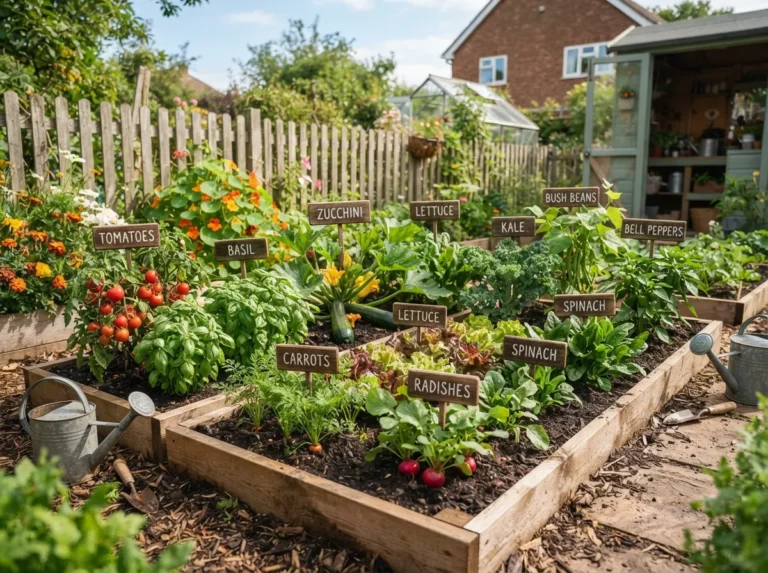
Start small your first year — a single raised bed or a handful of large containers is plenty while you learn. Mulch bare soil with straw or shredded leaves to suppress weeds and retain moisture, and keep a simple sketch of what you planted where so you can rotate crops confidently next season.
Frequently Asked Questions
How much sun does a kitchen garden really need?
Fruiting vegetables like tomatoes, peppers, and cucumbers need six to eight hours of direct sun. Leafy greens and green onions manage with four to six hours, making them ideal for partly shaded spots.
Can I grow these vegetables in containers?
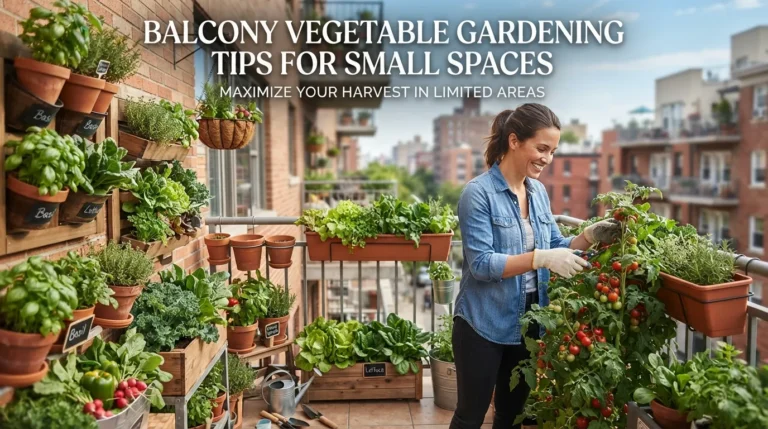
Absolutely. Choose pots at least 12 inches deep, use quality potting mix, and pick compact or dwarf varieties. Tomatoes and cucumbers need the largest containers and regular feeding.
When should I start seeds?
Sow lettuce, carrots, and green onions directly outdoors as soon as soil can be worked in spring. Start tomatoes and peppers indoors six to eight weeks before your last frost, or buy transplants.
How do I handle pests without chemicals?
Inspect plants weekly, handpick caterpillars, blast aphids off with water, and encourage ladybugs and lacewings. Row covers over young seedlings prevent most early damage.
How often should I water my vegetable garden?
Most vegetables need about an inch of water per week, more in heat. Water deeply at the base of plants two to three times a week rather than a light daily sprinkle.
From Garden to Table
Start with these six reliable vegetables and you will be harvesting your own dinners within weeks. Kitchen gardening rewards even modest efforts generously — fresher food, lower grocery bills, and the quiet pride of growing it yourself. Pick your sunniest spot, dig in, and enjoy every bite.