Deadly Beautiful: Poisonous Plants of Halloween
Deadly Beautiful: Poisonous Plants of Halloween
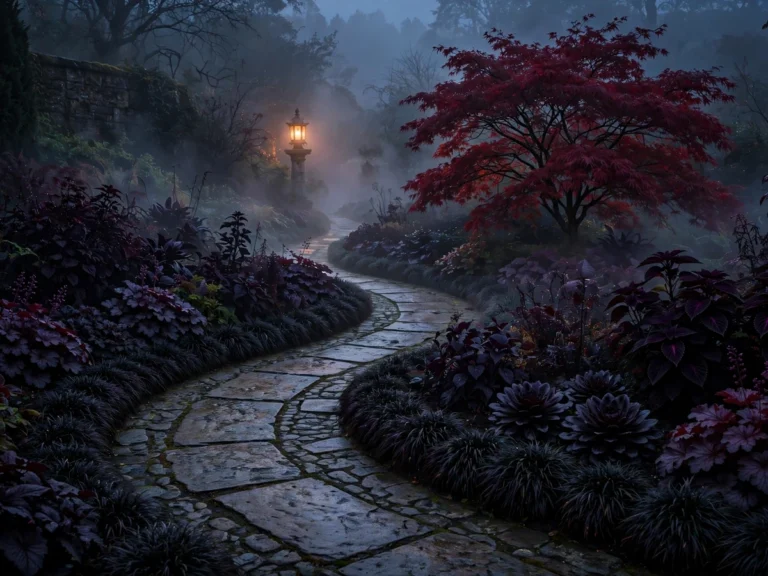
Some of the most bewitching plants in the garden are also the most dangerous — and that delicious danger is exactly why poisonous plants of Halloween make such perfect spooky-season stars. From belladonna’s inky berries to the ghost-white “doll’s eyes” of white baneberry, these plants look like they were conjured for a witch’s garden. Admire them, photograph them, plant them if you dare — but know exactly what you are growing. Below are ten of the most strikingly toxic ornamental plants, what makes each one tempting, and the warnings every gardener needs.
Introduction
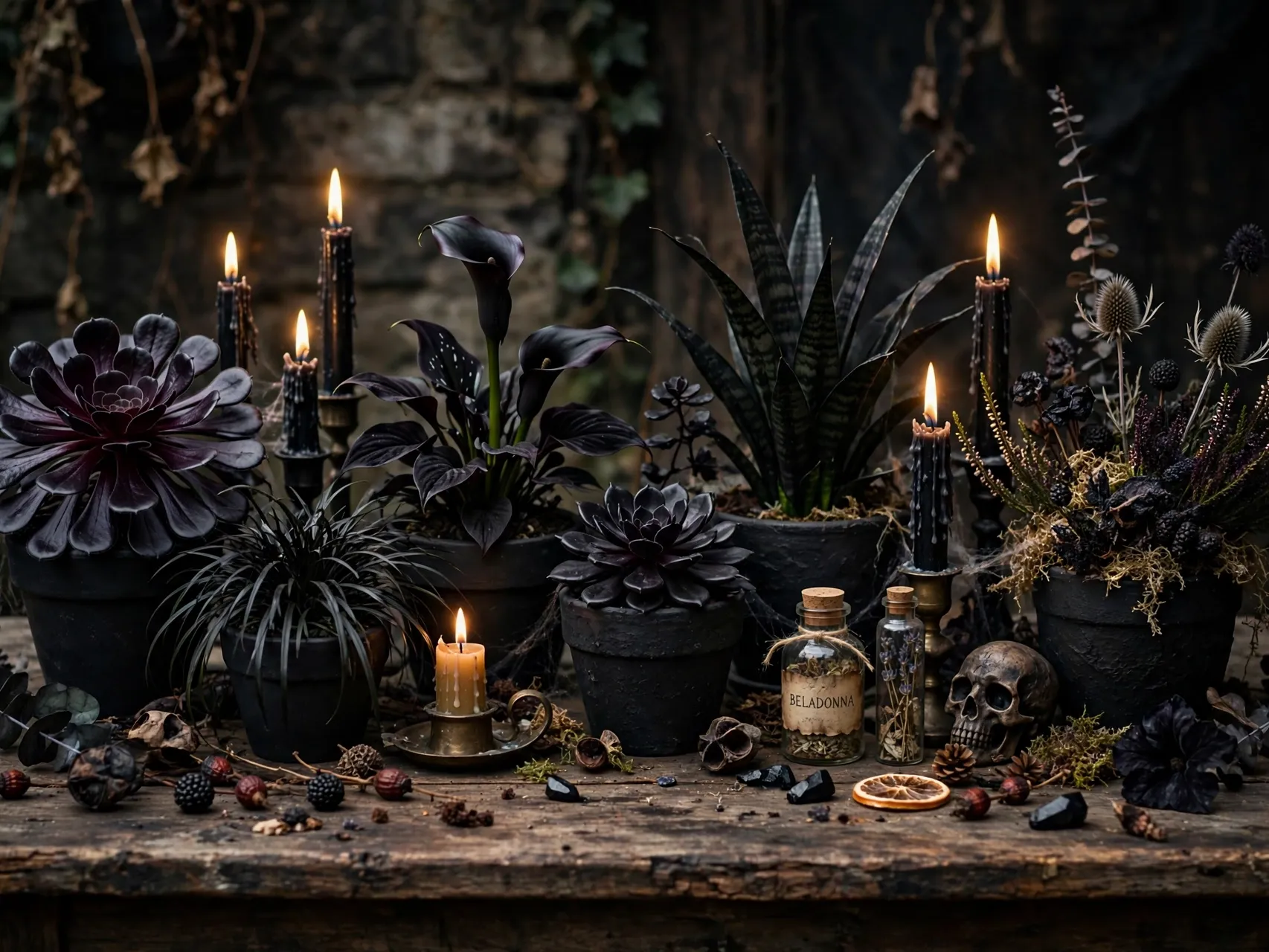
Deadly Beautiful: Poisonous Plants of Halloween: For centuries, poisonous plants have starred in folklore, medicine, and murder mysteries alike — which makes them irresistible Halloween garden subjects. A “witch’s garden” border of dark, dramatic, dangerous plants is a showstopper. But beauty here demands respect: many of these plants can seriously harm children, pets, and even adults through ingestion or skin contact. Safety note: grow these as ornamentals only, keep them away from kids and pets, never ingest any part of them, and wear gloves when handling. (It is worth remembering that even familiar medicinal plants demand this same respect.) If anyone ingests a suspect plant, call poison control immediately. With that understood, meet the ten most deadly-beautiful plants of the season.
Deadly Nightshade (Belladonna)
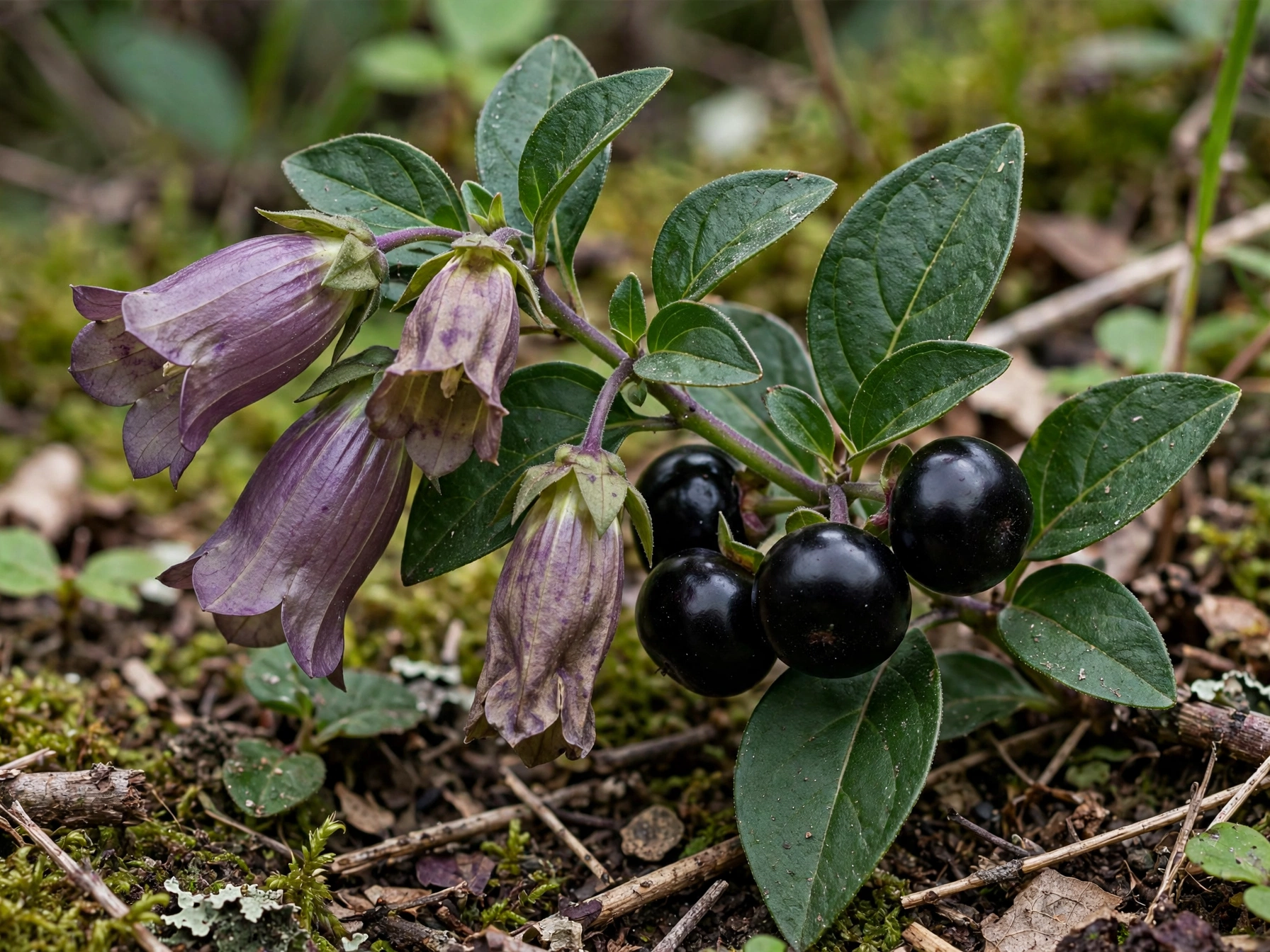
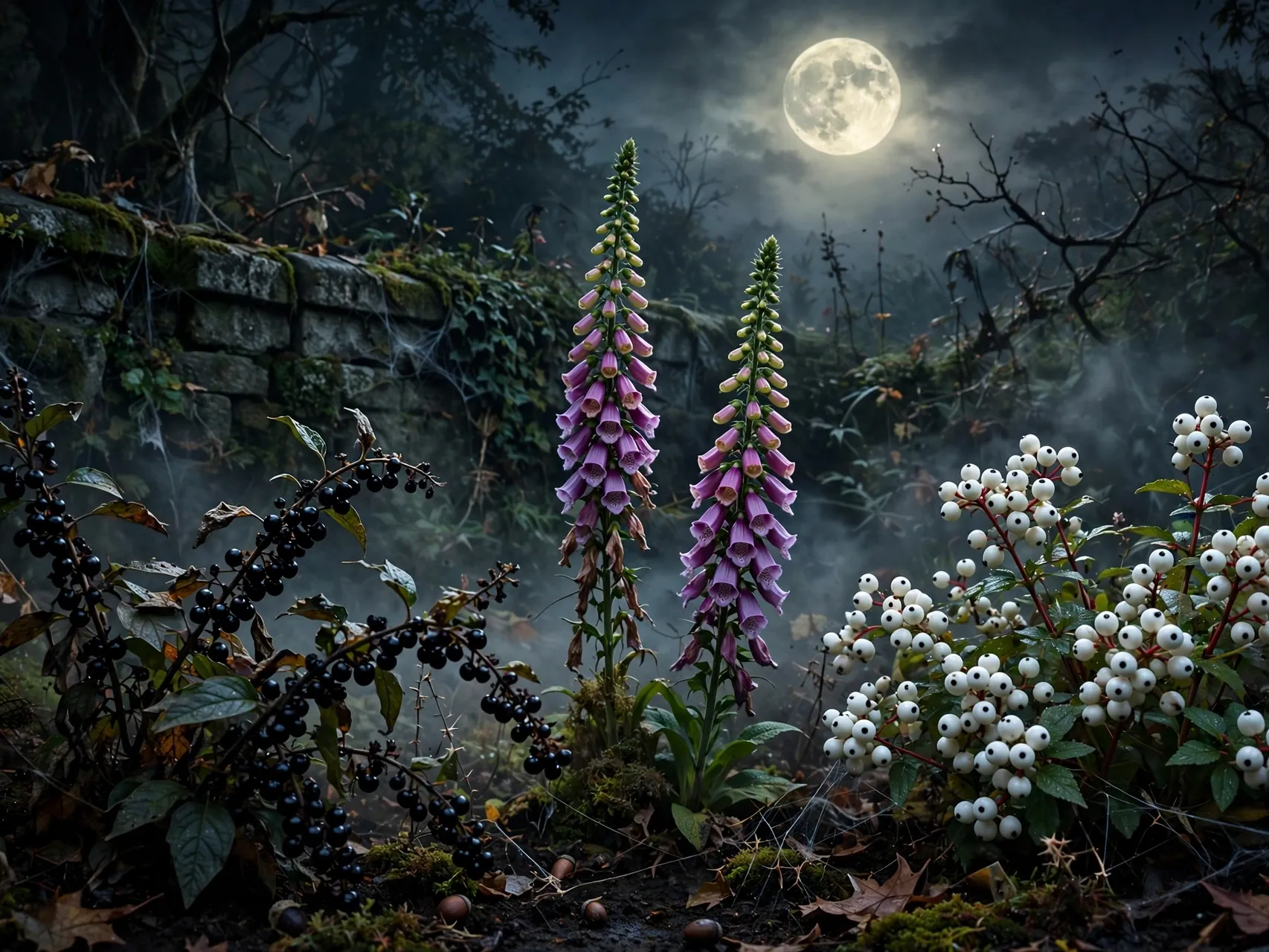
Atropa belladonna looks almost innocent: dull purple bell flowers followed by glossy black berries that shine like polished beads. That shine is the trap — the berries look like tiny cherries, and just a few can be fatal, packed with tropane alkaloids that race the heart and blur vision. Renaissance women famously used its extracts to dilate their pupils (hence “bella donna,” beautiful lady). Grow it only in a locked-away corner, and never where children play.
Foxglove
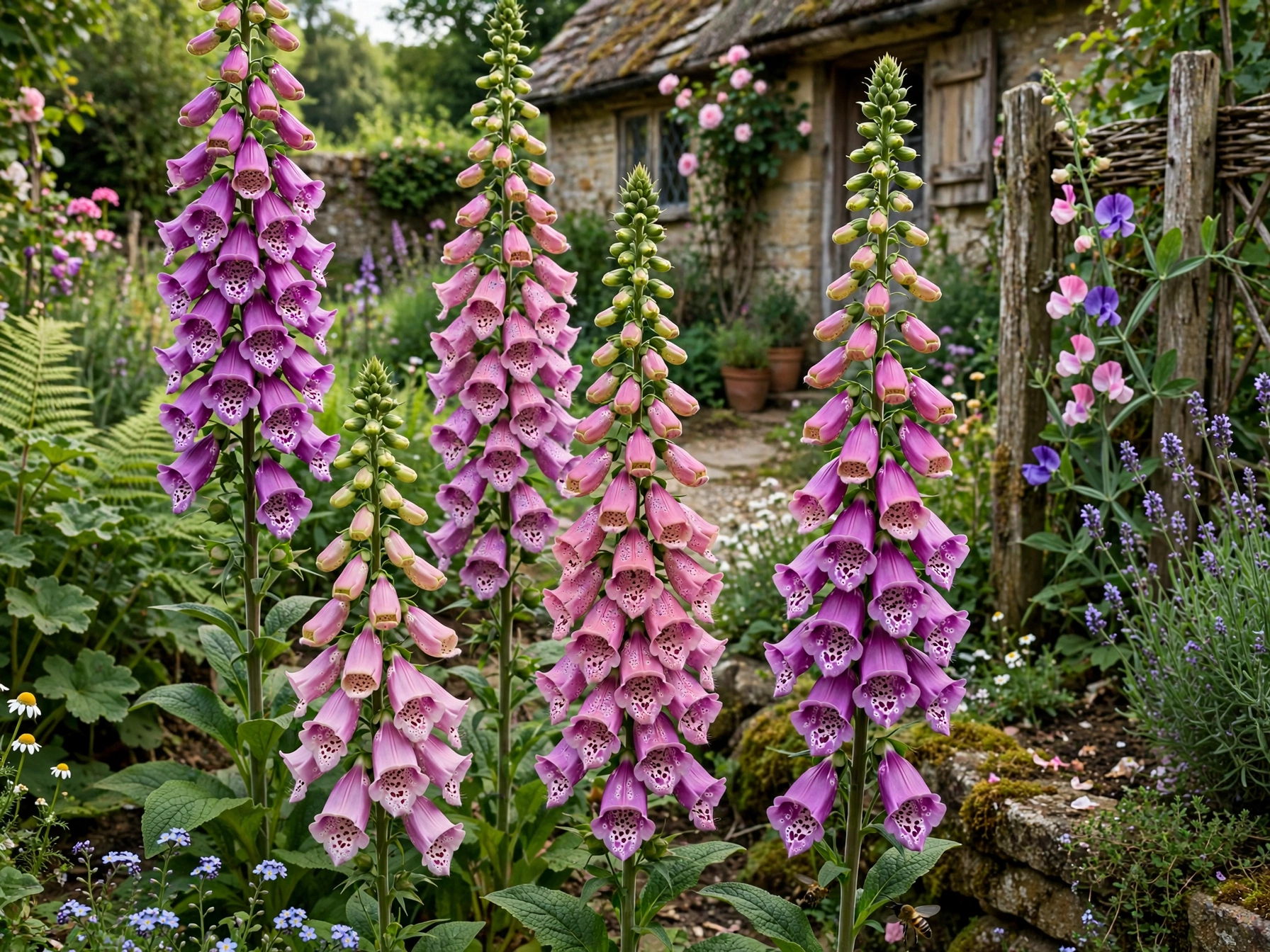
Foxglove’s towering spires of speckled pink and purple trumpets are pure cottage-garden romance — and pure cardiac danger. Every part contains digitalis compounds that disrupt heart rhythm; it is the source of the heart drug digoxin, which tells you how potent it is. The freckled throats practically invite a closer look, so plant it at the back of borders, deadhead before seeds scatter, and teach kids early: look, never taste.
Oleander
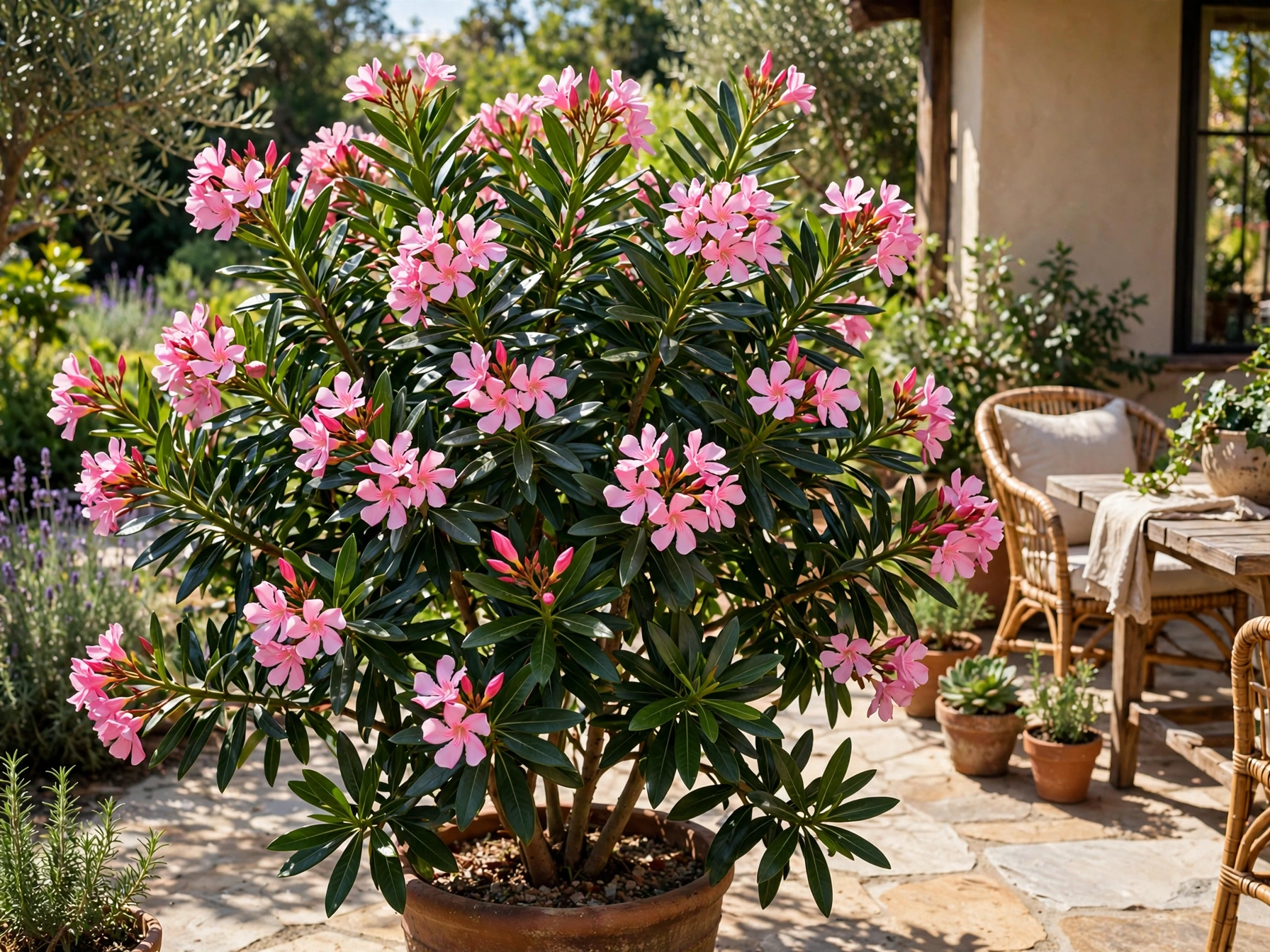
With glossy evergreen leaves and months of pink, red, or white blossoms, oleander is one of the most planted — and most poisonous — shrubs in warm climates. Every part, including the nectar and even smoke from burning clippings, carries cardiac glycosides. A single leaf can be dangerous to a small child. It is stunning in a large container on a patio, but only where no tiny hands or grazing pets can reach it.
Castor Bean
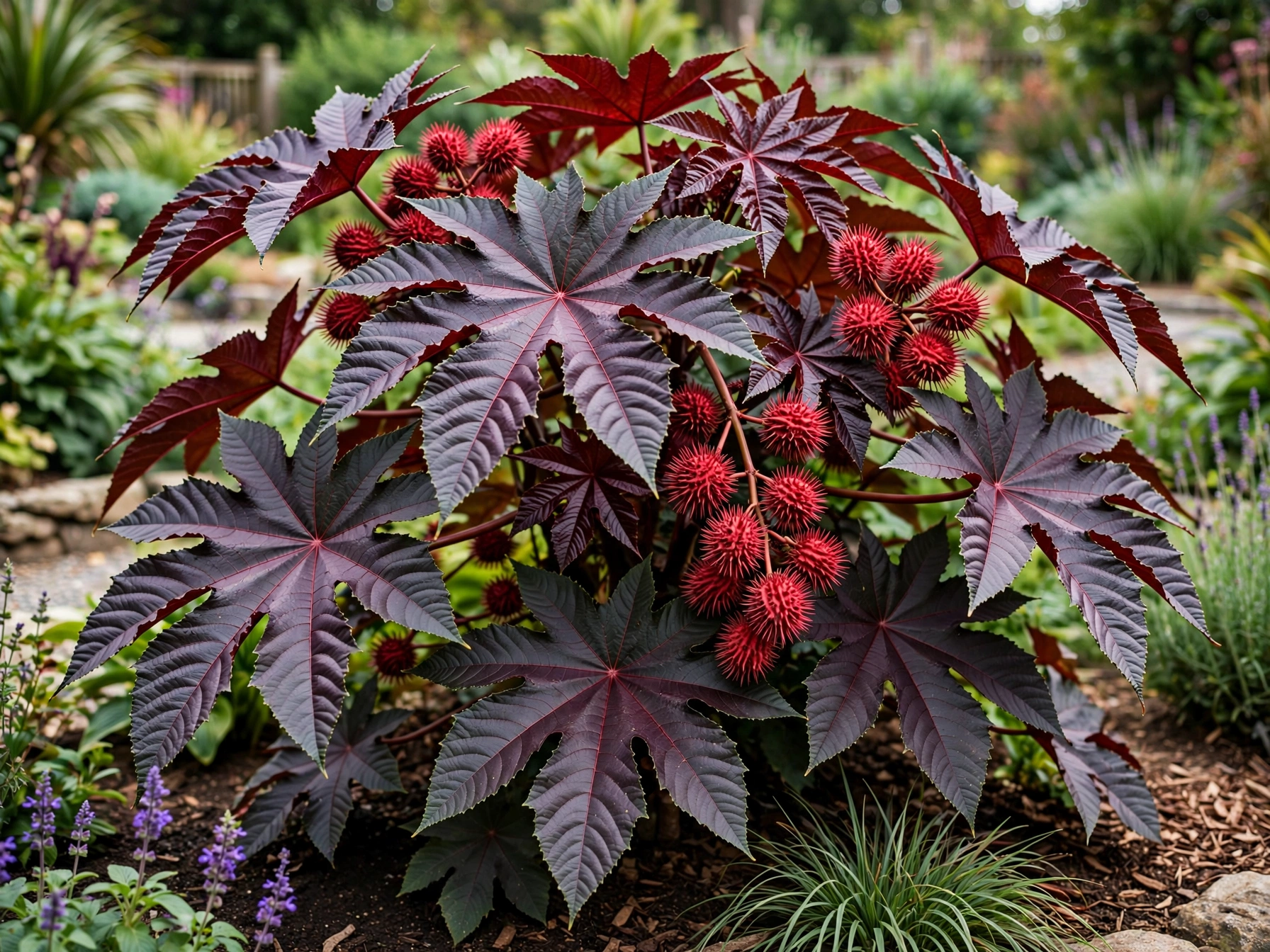
Grown as a dramatic annual, the castor bean plant shoots up giant tropical leaves in burgundy and green, with spiky red seed pods that look wonderfully alien. Those mottled seeds contain ricin, one of the most notorious plant toxins known — a couple of chewed seeds can kill an adult. The foliage alone is safe to admire, but collect and destroy seed heads before they ripen if kids or pets share the garden.
White Baneberry (Doll’s Eyes)
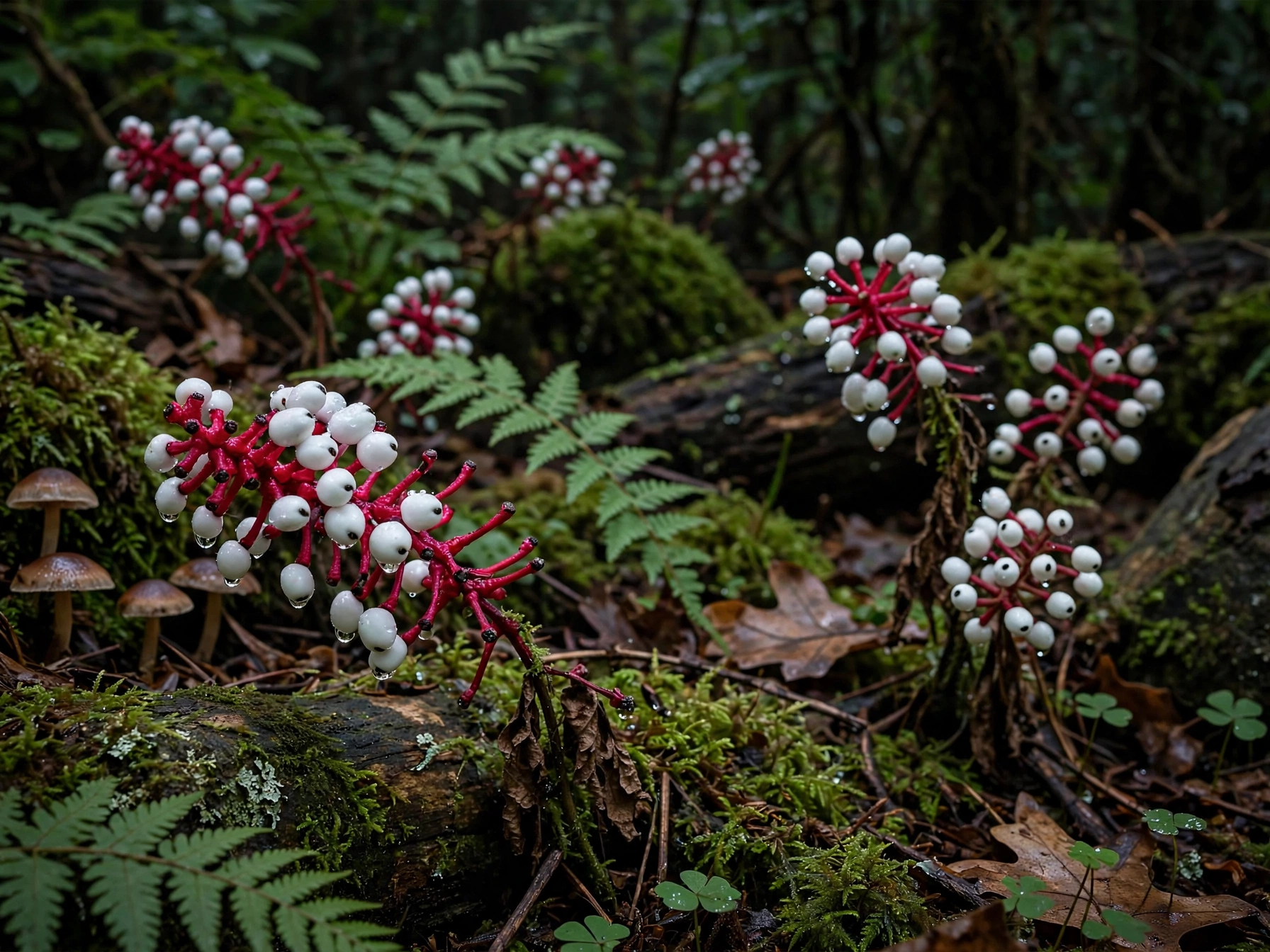
Few plants scream Halloween like doll’s eyes: clusters of white berries, each with a black dot like a staring pupil, on red stalks. The effect is genuinely unnerving — and the berries are genuinely toxic, carrying cardiogenic poisons that can stop a heart. It is a fantastic shade-garden curiosity for an adults-only spooky border, but this is one to skip entirely if children visit your garden.
Monkshood
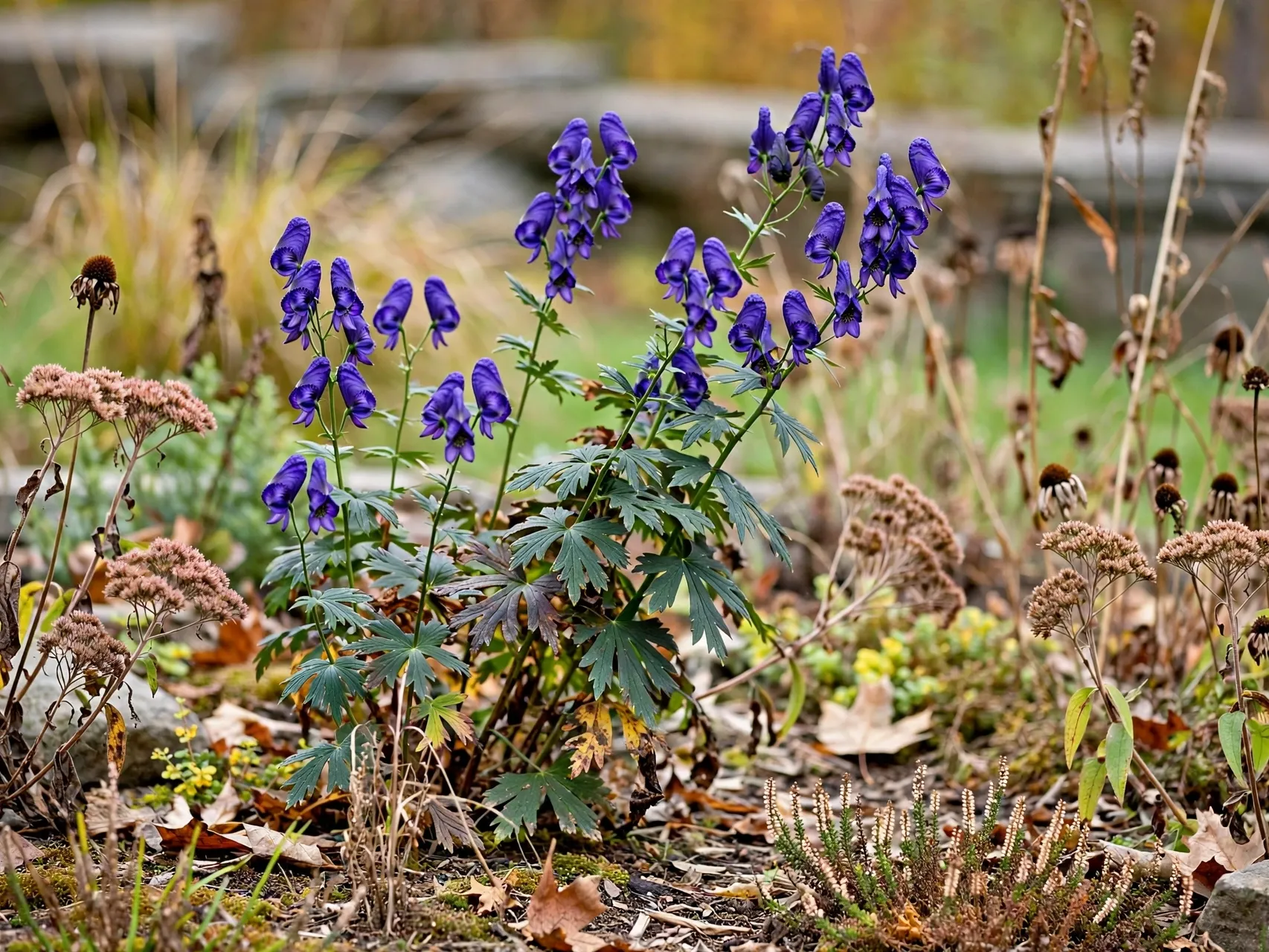
Monkshood’s deep violet hooded blooms look like tiny helmets lined up for battle — gorgeous in a late-season border. But it hides aconitine, a fast-acting neurotoxin absorbable even through broken skin; gardeners have been poisoned just handling the roots carelessly. Always wear gloves, never compost the trimmings where animals forage, and site it where only informed adults brush past those tempting flowers.
Lily of the Valley
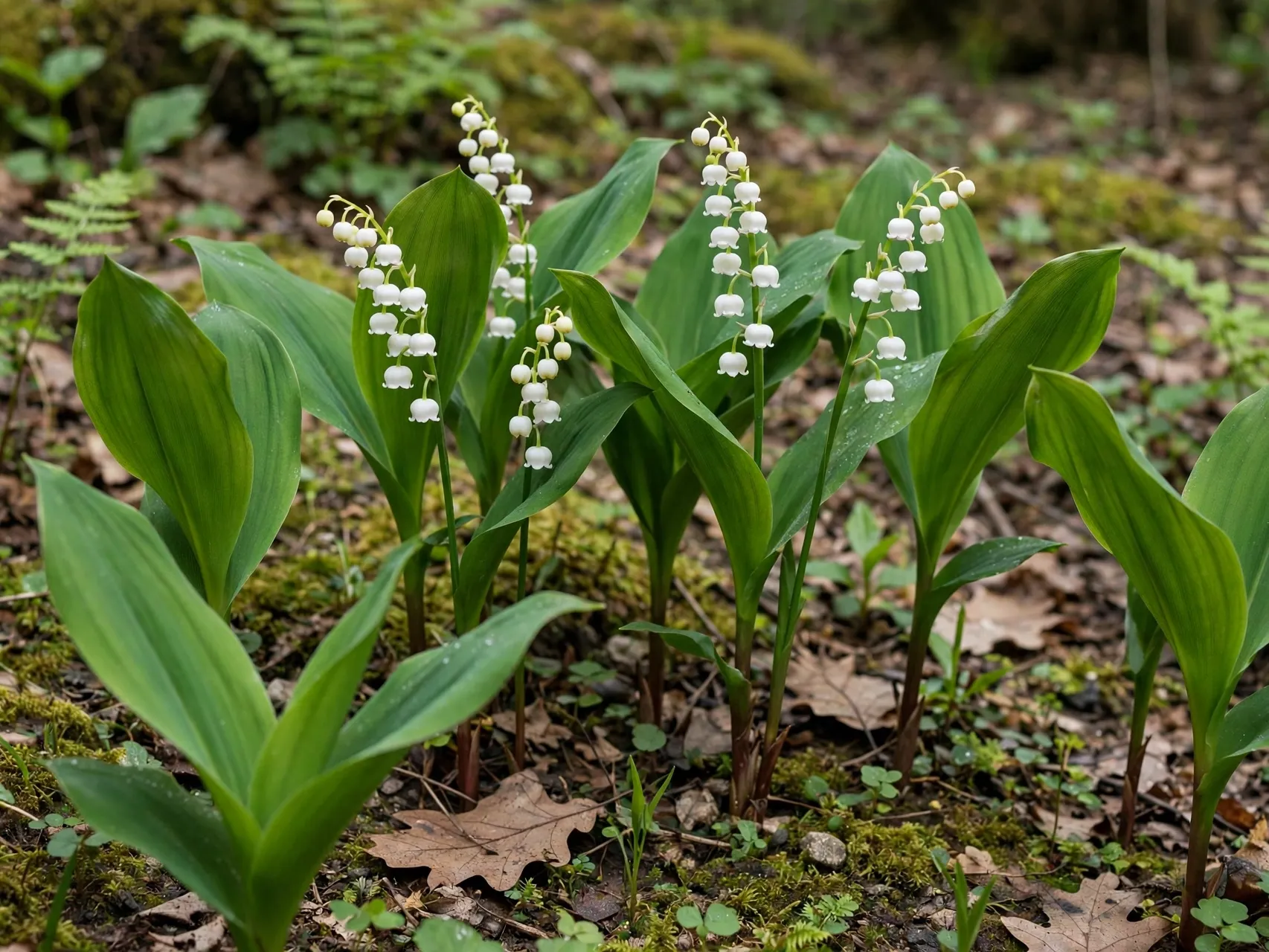
Those dainty white bells and sweet perfume feel like spring innocence itself — yet lily of the valley concentrates cardiac glycosides similar to foxglove in its leaves, flowers, and bright red berries. Even the vase water becomes toxic. It spreads eagerly as groundcover, so contain it with edging and keep it out of gardens where toddlers or dogs roam. Beautiful, fragrant, and absolutely not for nibbling.
Angel’s Trumpet
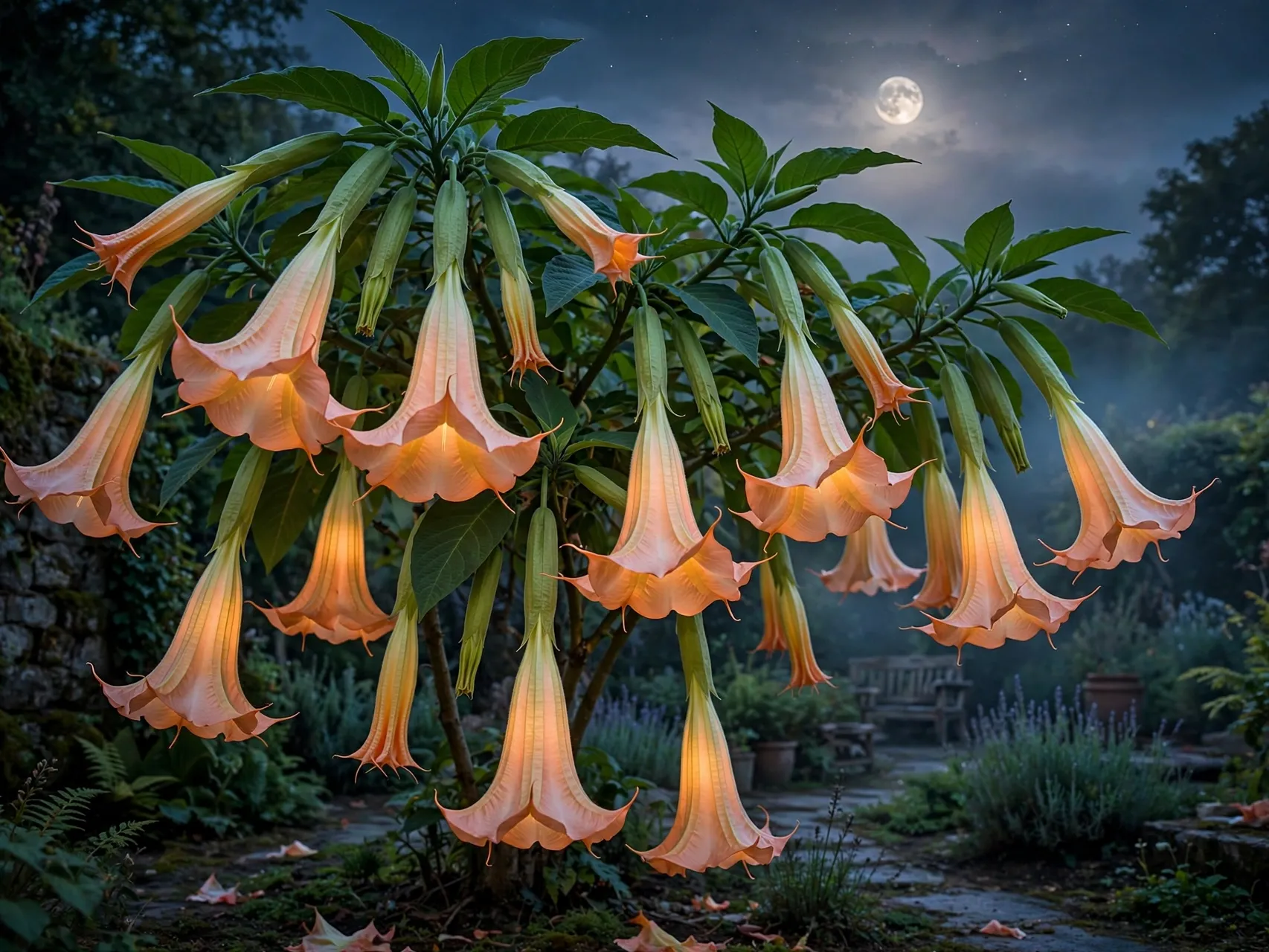
Angel’s trumpet dangles enormous peach, pink, or white trumpets that perfume the evening air — pure drama for a moonlit Halloween garden. Every part brims with scopolamine-like alkaloids that cause delirium, and its sweet scent lures the curious closer. Spectacular in a large pot on an adults-only patio, pruned after flowering so no seed pods form. Many gardeners grow it for years without incident — through strict no-touch discipline.
Yew
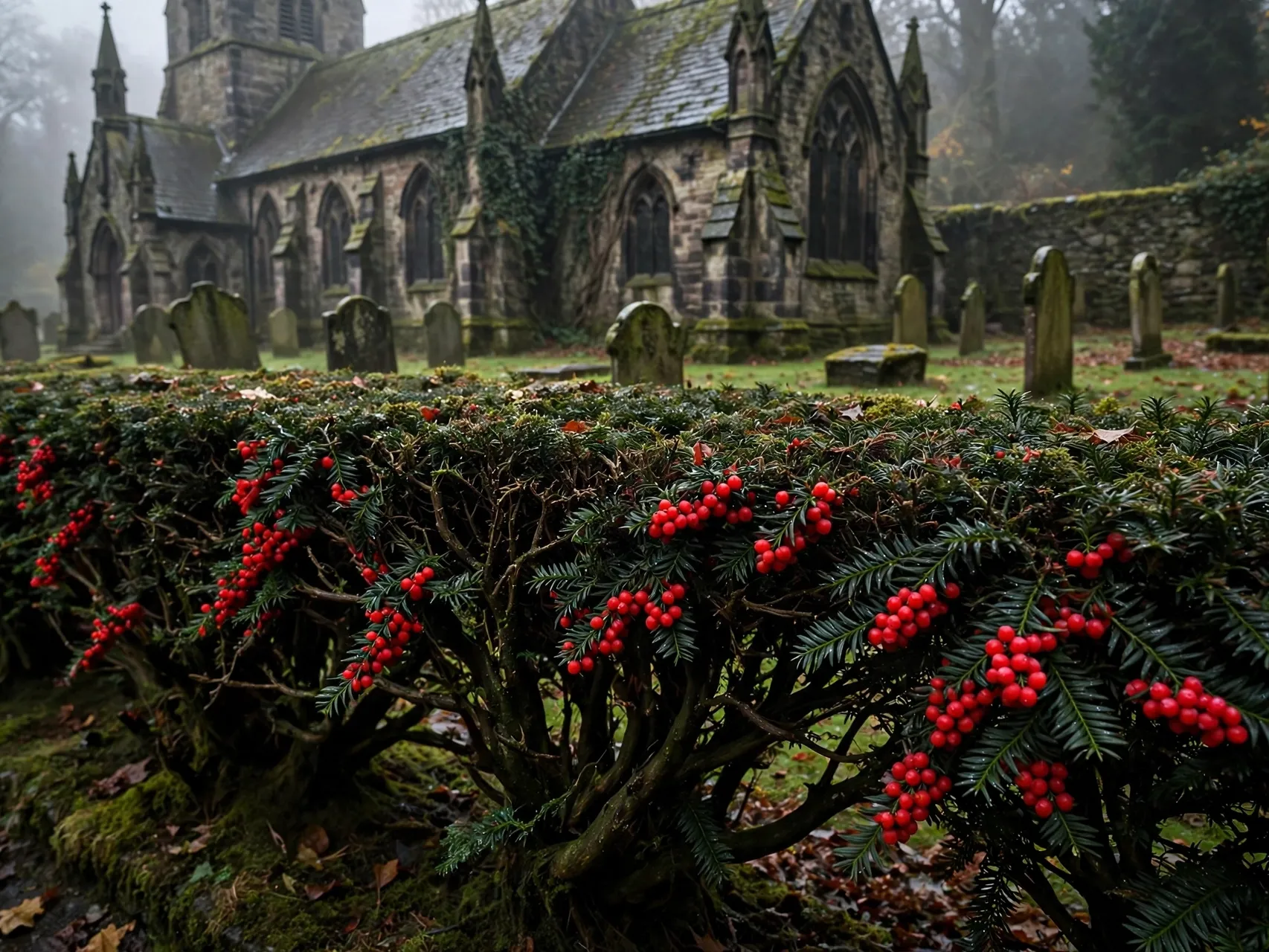
Ancient, dark, and churchyard-gothic, yew’s soft needles and bright red arils look almost festive. The fleshy red cup is the only non-toxic part — the seed inside it and every needle and bark strip carry taxine, which can stop a heart with terrifying speed. Yew clippings have killed livestock for centuries. It makes a magnificent evergreen hedge, but sweep up fallen arils and clippings promptly, and keep it away from curious mouths of all species.
Poison Hemlock
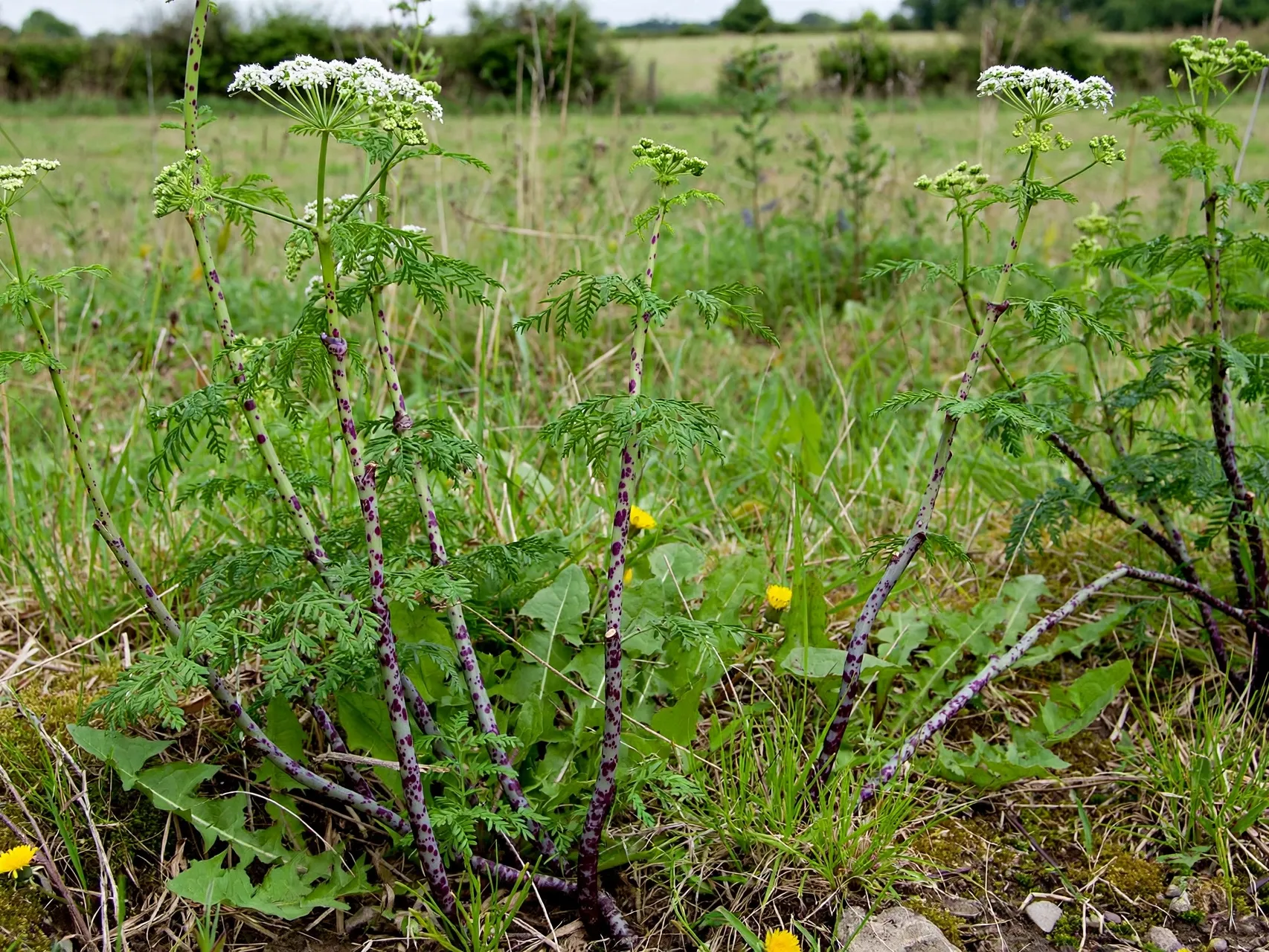
Poison hemlock’s lacy white umbels look like an oversized Queen Anne’s lace — pretty enough to pick, deadly enough to have executed Socrates. All parts contain coniine, which paralyzes from the feet up. Unlike the others here, you should not plant this one at all: it is an invasive weed in many regions. Learn to identify it (smooth, purple-blotched stems; musty smell) so you can destroy volunteers — and teach foragers never to confuse it with wild carrot.
Frequently Asked Questions
Can I safely grow poisonous plants in my garden?
Yes, with precautions: site them away from play areas, never grow them where unsupervised children or pets roam, wear gloves when handling, and learn each plant’s specific risks. When in doubt, skip it.
What should I do if someone eats a poisonous plant?
Call poison control (US: 1-800-222-1222) immediately — do not wait for symptoms. Save a sample of the plant for identification, and call emergency services if there are severe symptoms like trouble breathing.
Are these plants dangerous to touch?
Most are dangerous only if ingested, but a few (like monkshood roots) can affect you through broken skin, and sap from several can irritate. Gloves are a smart default for the whole list.
Which poisonous plant is the most dangerous?
Castor bean seeds (ricin) and yew (taxine) rank among the deadliest per dose, but “most dangerous” in practice is whichever one a child or pet is most likely to taste — pretty berries like doll’s eyes and lily of the valley top that list.
Do poisonous plants harm pollinators?
Generally no — bees and butterflies handle these plants fine; the toxins target mammals. That said, avoid spraying anything near them and let them serve the pollinators while you admire from a safe distance.
Many beloved garden plants walk the line between remedy and poison. Grow these deadly beauties for their drama, handle them with knowledge, and your Halloween garden will be thrilling — and safe.