How to Create a Healing Garden in Your Backyard
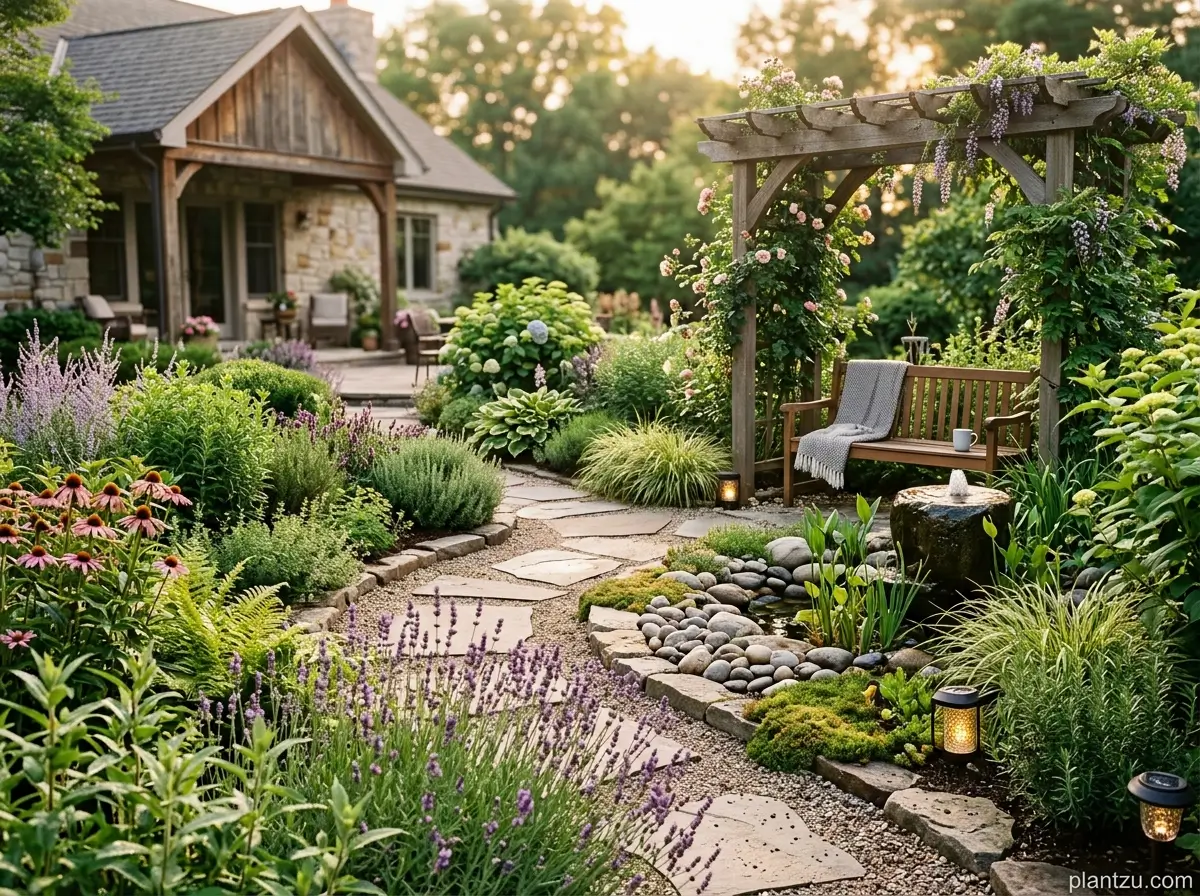
Why Healing Garden In today’s fast-paced world, finding moments of calm and connection with nature is more important than ever. One of the most fulfilling ways to do this is by creating a healing garden in your backyard.
A healing garden is more than just a collection of plants; it is a sanctuary designed to nurture the mind, body, and spirit. Whether you’re recovering from stress, seeking a quiet space to meditate, or simply wanting to reconnect with nature, a backyard healing garden can transform your outdoor space into a refuge of peace and well-being.
Understanding the Concept of a Healing Garden
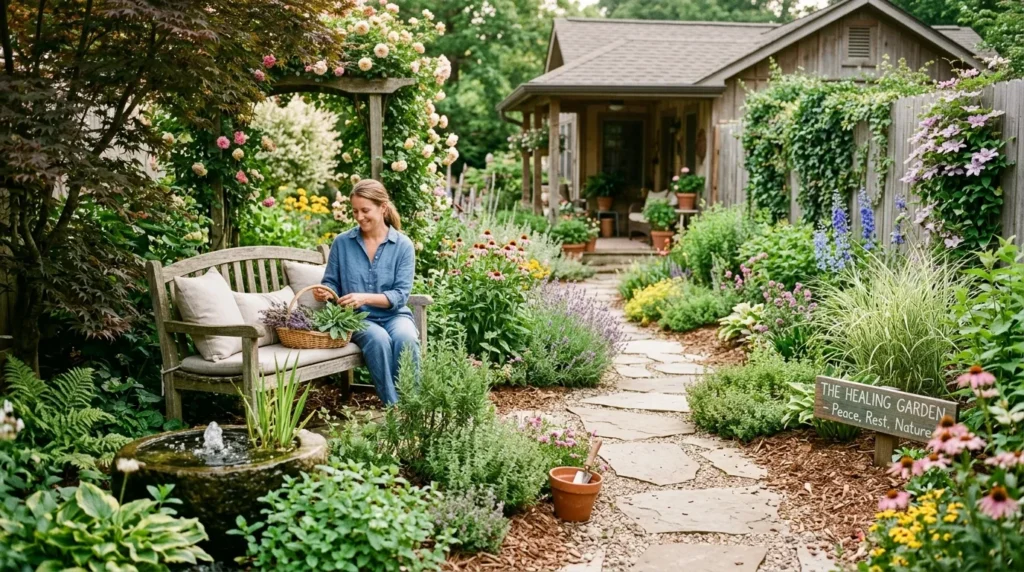
A healing garden is intentionally designed to promote emotional and physical wellness. Unlike traditional gardens that primarily focus on aesthetics or food production, healing gardens prioritize sensory experiences, tranquility, and accessibility. The goal is to create an environment where visitors can relax, reflect, and rejuvenate.
These gardens often feature elements such as fragrant plants, soft pathways, comfortable seating areas, water features, and soothing colors. The combination of visual beauty, gentle sounds, and tactile engagement stimulates the senses and reduces stress. In the United States, where many people live in urban or suburban settings with limited green space, a healing garden in your backyard provides a private oasis away from daily pressures. Read How to Create a Colorful Flower Garden at Home.
Choosing the Right Location
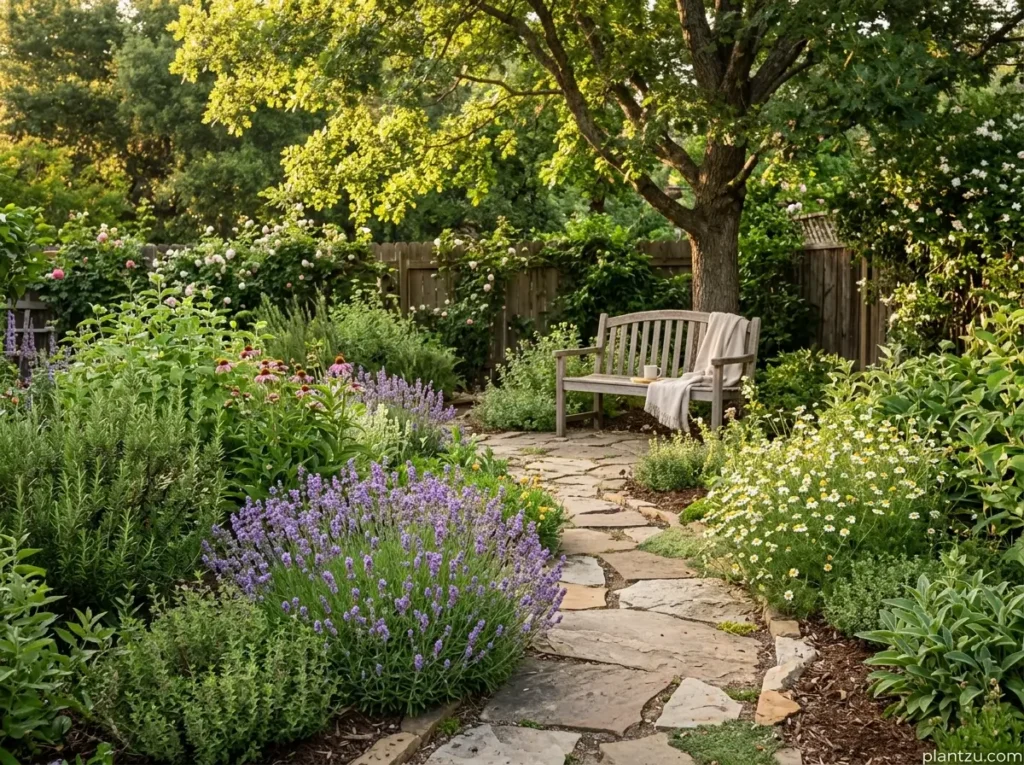
Selecting the ideal location in your backyard is crucial. Consider areas that receive ample sunlight for plant growth, but also include shaded spots for comfort. A combination of sun and shade allows for a variety of plants and offers flexibility for different activities, such as meditation or light exercise.
Evaluate the natural features of your backyard. If there’s a gentle slope, you can use it to create terraced plantings, which add depth and visual interest. Flat areas are perfect for seating, yoga, or small gathering spaces. Take note of privacy factors as well. A garden tucked away behind hedges, fences, or trellises can feel more intimate and secure, enhancing the sense of retreat.
Accessibility is another key consideration. Paths should be easy to navigate for people of all ages and abilities. Smooth stone, compacted gravel, or wooden walkways create a safe, inviting route through the garden, guiding visitors along a carefully planned journey of discovery.

Designing with the Senses in Mind
Healing gardens engage all five senses: sight, smell, sound, touch, and taste. When designing your backyard garden, focus on creating multi-sensory experiences that evoke calm and joy.
Visually, use a mix of colors and textures. Soft greens and pastels are inherently soothing, while bursts of vibrant flowers can energize the spirit. Layering plants of varying heights and shapes adds depth and visual interest. Incorporate flowing lines in pathways and garden beds to promote a sense of movement and harmony, avoiding rigid, straight designs that feel formal or stressful.
Fragrance plays a powerful role in emotional wellness. Aromatic plants like lavender, rosemary, jasmine, and gardenias can calm the mind and lift the mood. Consider planting fragrant herbs near seating areas so their scent is readily enjoyed during quiet moments.
Sound is equally important. The gentle trickle of water from a fountain or small pond can mask urban noise and create a meditative atmosphere. Wind chimes, rustling grasses, and the songs of birds further enhance the auditory experience, making the garden feel alive and restorative.
Tactile elements, such as smooth stones, soft moss, and textured leaves, encourage mindfulness through touch. Paths, seating surfaces, and plantings should invite gentle interaction, allowing visitors to connect physically with their environment.
Finally, taste can also be incorporated with edible plants like mint, basil, berries, or cherry tomatoes. Snacking on fresh garden produce can reinforce the healing and nourishing aspect of your backyard sanctuary.

Selecting Plants for Healing
When creating a healing garden, plant selection is essential. Choose species that thrive in your local climate and require manageable maintenance to prevent stress from garden upkeep. Native plants are an excellent choice for U.S. gardeners because they are adapted to local conditions and attract pollinators like butterflies and bees.
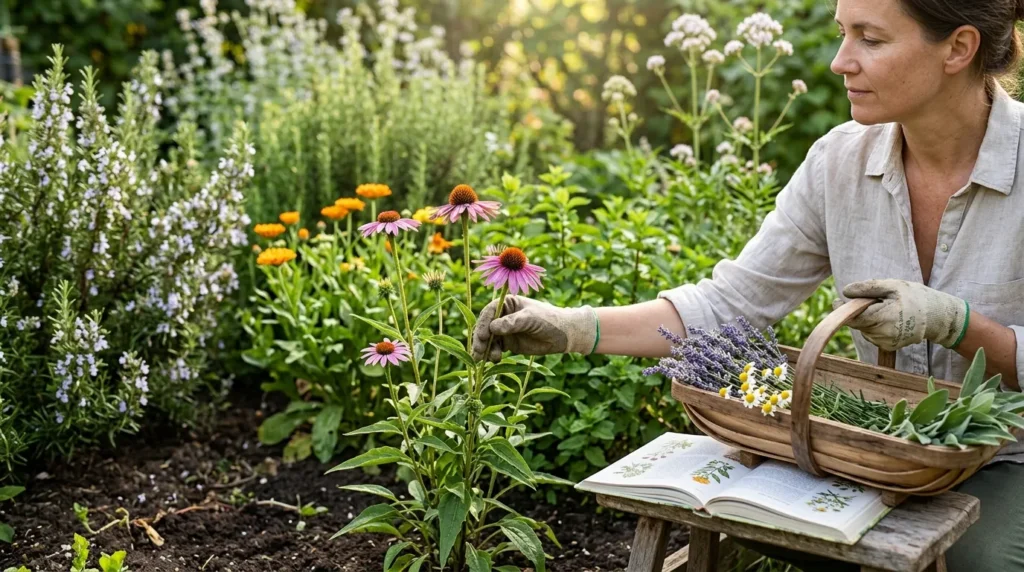
Perennials, such as echinacea, hostas, and daylilies, offer longevity and consistent beauty year after year. Seasonal flowering plants can add vibrant color during peak bloom times. Fragrant herbs and flowers, as mentioned earlier, support mental relaxation and sensory stimulation.
Consider including plants with symbolic meanings or calming associations. Lavender represents serenity, chamomile evokes relaxation, and sage is often associated with purification and clarity. Combining these plants thoughtfully enhances the garden’s therapeutic qualities.
In addition to individual plant selection, consider the overall composition. Group plants by texture, height, and color to create harmony. Use a mix of evergreen and deciduous plants to ensure the garden remains visually appealing through all seasons. Layered planting, with taller plants in the back and shorter ones in the front, provides structure and encourages exploration.
Incorporating Water Elements
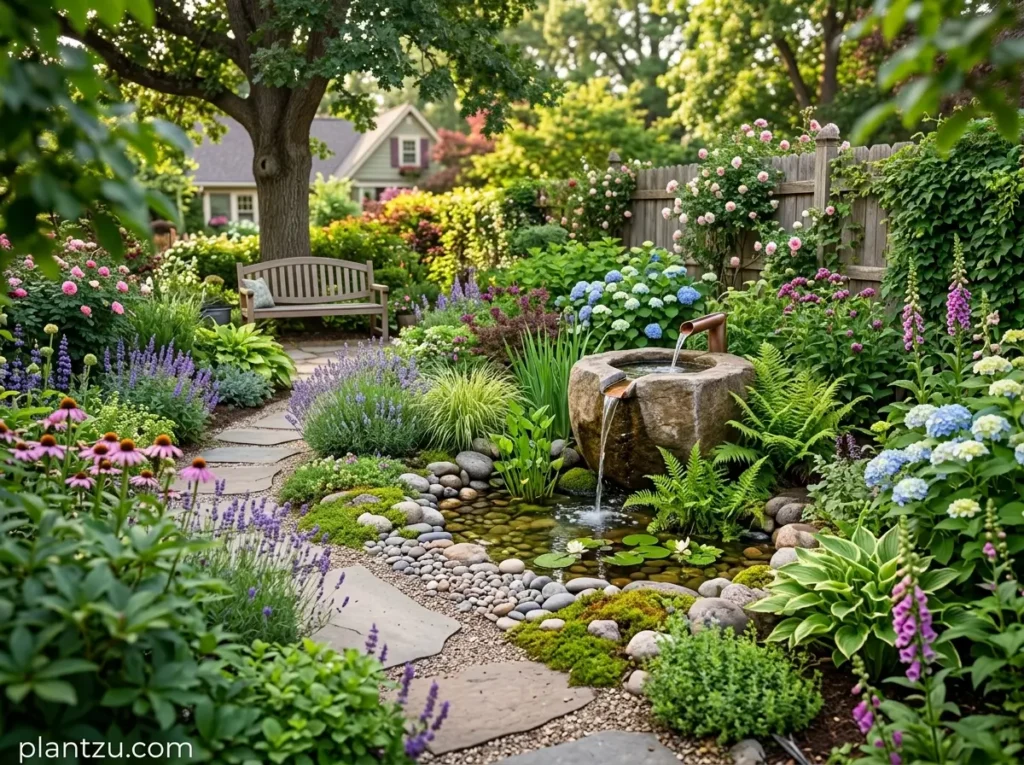
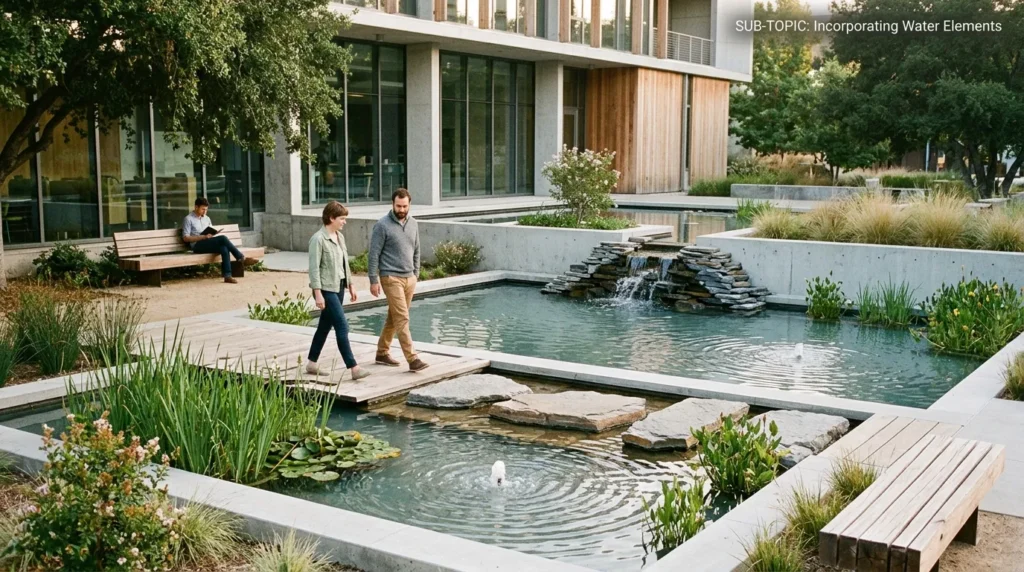
Water is a natural stress reliever, and even small water features can make a significant difference. Ponds, fountains, and waterfalls introduce gentle, flowing sounds that calm the nervous system and create a peaceful ambiance.
When adding water elements, ensure they are safe and low-maintenance. A small fountain or birdbath can be sufficient for a backyard healing garden. Position water features near seating areas to maximize the sensory impact. You can also attract wildlife, such as birds and butterflies, which enhances the garden’s dynamic and restorative environment.
For urban gardens, compact water solutions like wall-mounted fountains or container water gardens work beautifully. These features offer the soothing sound of water without taking up large amounts of space or requiring intensive upkeep.
Creating Comfortable Spaces to Relax
A healing garden is not complete without dedicated spaces for relaxation. Benches, swings, hammocks, or meditation platforms allow you to pause, breathe, and engage with your surroundings. Consider seating options made from natural materials, like wood or stone, which blend seamlessly with the garden and promote a connection to nature.
Shade structures, such as pergolas, arbors, or umbrellas, provide relief from the sun while enhancing privacy. Incorporate cushions, blankets, or mats to encourage longer periods of rest and comfort. Seating arrangements can be positioned to capture morning sun, evening light, or scenic views of the garden, creating moments of daily delight.
Mindful Pathways and Garden Layout
The pathways in a healing garden are more than functional; they guide visitors on a journey through the space. Curved paths create a sense of mystery and encourage exploration, while straight paths can convey order and clarity. Consider a combination that balances intrigue and ease of movement.
Materials such as gravel, mulch, or stepping stones offer both practical and aesthetic benefits. Incorporating subtle elevation changes or gentle slopes can enhance the experience, providing visual interest and supporting mindful walking exercises. Clear pathways also ensure accessibility for all family members, including children and seniors.
Seasonal Considerations and Garden Maintenance
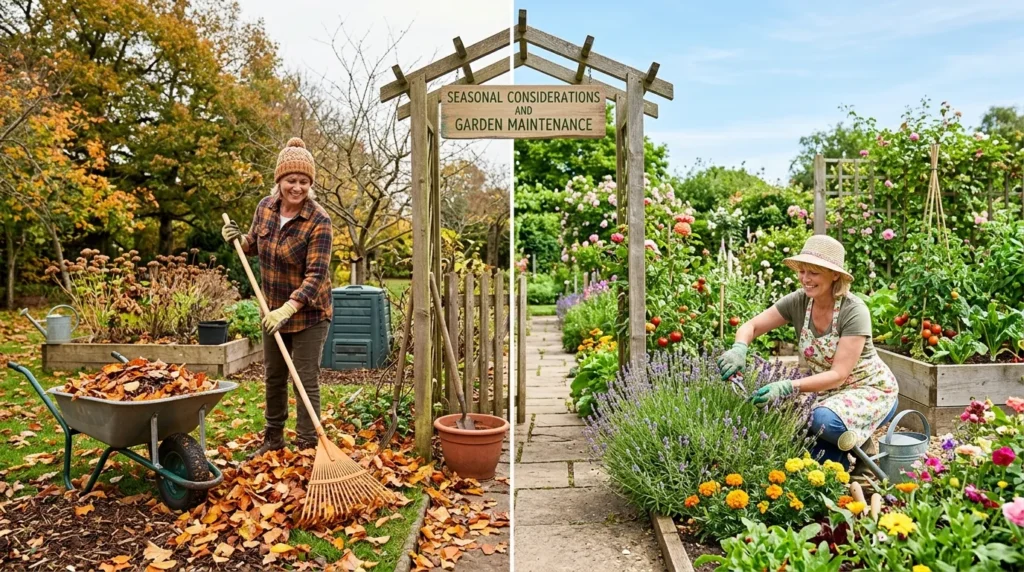
To maintain a healing garden year-round, it’s important to plan for seasonal changes. Choose plants that provide interest in different seasons, such as flowering bulbs in spring, leafy shrubs in summer, vibrant foliage in autumn, and evergreens in winter.
Regular maintenance should focus on creating a low-stress experience. Mulching, pruning, and watering routines can be simplified with the use of automated irrigation systems or drip lines. Composting garden waste adds nutrients back to the soil while supporting sustainability. Keeping the garden tidy, yet natural, fosters a sense of order without eliminating the organic beauty of the space.
Integrating Mindfulness and Meditation Practices
Healing gardens are most effective when paired with mindfulness and meditation practices. Consider designating quiet zones or meditation corners where visitors can sit, breathe, and focus inward. Incorporating elements such as yoga platforms, labyrinths, or stone circles can enhance meditative experiences and encourage reflection.
Encourage sensory engagement during mindfulness exercises. Listening to birds, touching plants, or inhaling the scent of flowers can deepen the restorative impact. Journaling or sketching in the garden can also be therapeutic, combining creativity with relaxation.

Using Colors and Visual Themes Strategically
Color psychology plays a vital role in healing garden design. Cool colors, like blues and greens, promote calm and reduce anxiety. Warm colors, such as yellows and oranges, can uplift the spirit and spark energy. Using a balanced palette that aligns with your intended mood enhances the overall therapeutic effect.
Consider visual themes to unify your garden. Themes like woodland retreat, Zen sanctuary, or cottage-style garden can guide plant choices, structures, and decorative elements. Cohesion in design ensures a harmonious and immersive experience for visitors.

Attracting Wildlife and Enhancing Biodiversity
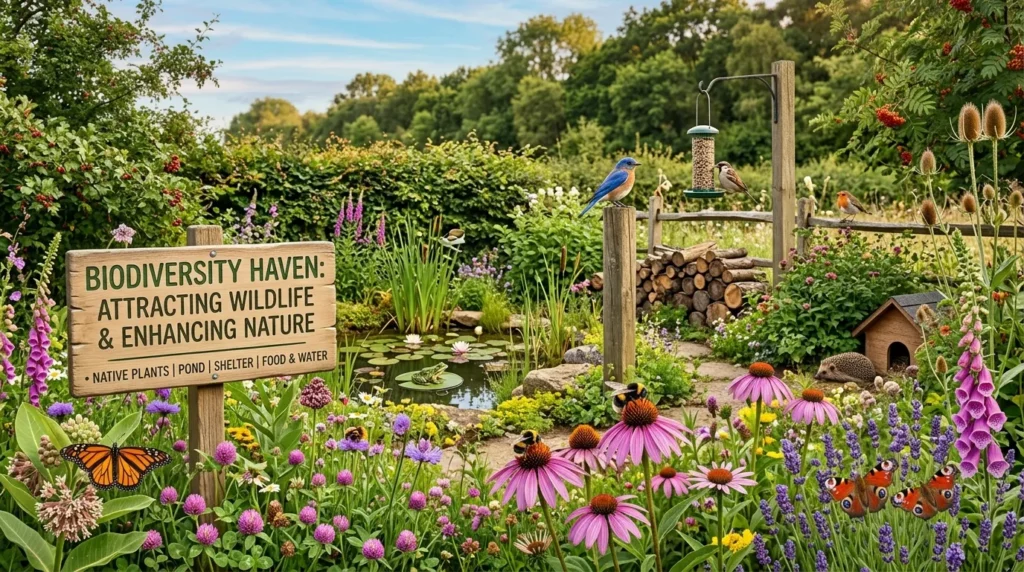
A healthy healing garden embraces biodiversity. Attracting wildlife, including birds, butterflies, bees, and beneficial insects, creates a dynamic and engaging environment. Plant nectar-rich flowers, provide bird feeders, and consider small insect hotels to support local fauna.
Interacting with wildlife has proven therapeutic benefits. Watching birds feed, butterflies flutter, and bees pollinate can boost mood, encourage mindfulness, and foster a sense of connection to nature. A garden that supports life beyond plants becomes a living sanctuary with ongoing cycles of renewal.
Incorporating Therapeutic Elements
Beyond plants and wildlife, healing gardens can include therapeutic elements such as sensory walls, herb spirals, or tactile pathways made of pebbles and sand. These features engage visitors physically and mentally, promoting focus, balance, and relaxation.
Herbal gardens, with chamomile, lavender, and mint, offer opportunities for self-care, such as tea preparation, aromatic therapies, and topical remedies. These practices connect visitors to traditional healing methods while reinforcing the garden’s restorative function.
Sustainability and Eco-Friendly Practices
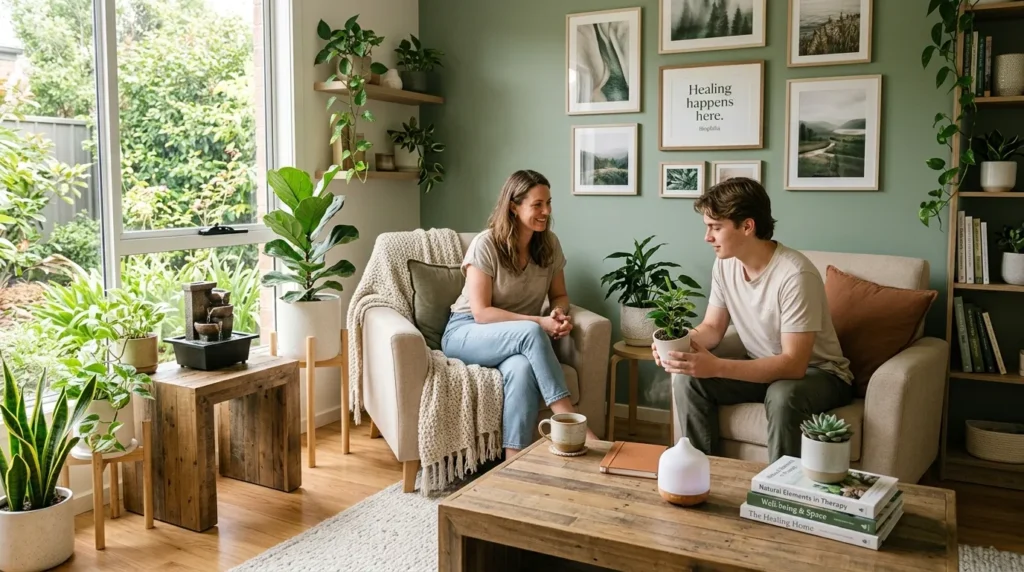
Sustainability enhances the healing aspect of your backyard. Using native plants reduces water consumption and supports local ecosystems. Rainwater harvesting, composting, and natural pest control further minimize environmental impact while maintaining a healthy garden.
Choosing organic fertilizers and eco-friendly materials ensures that your garden remains a safe and nurturing space. Sustainable practices create harmony between human health and the environment, reinforcing the sense of holistic wellness.
Personalizing Your Healing Garden
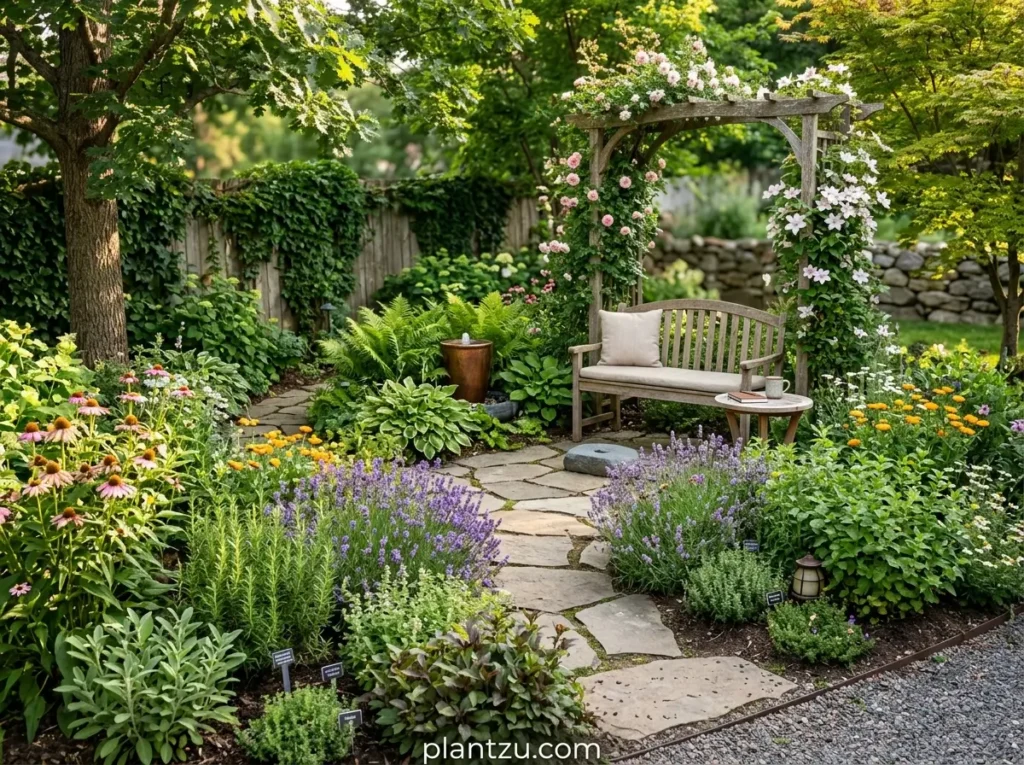
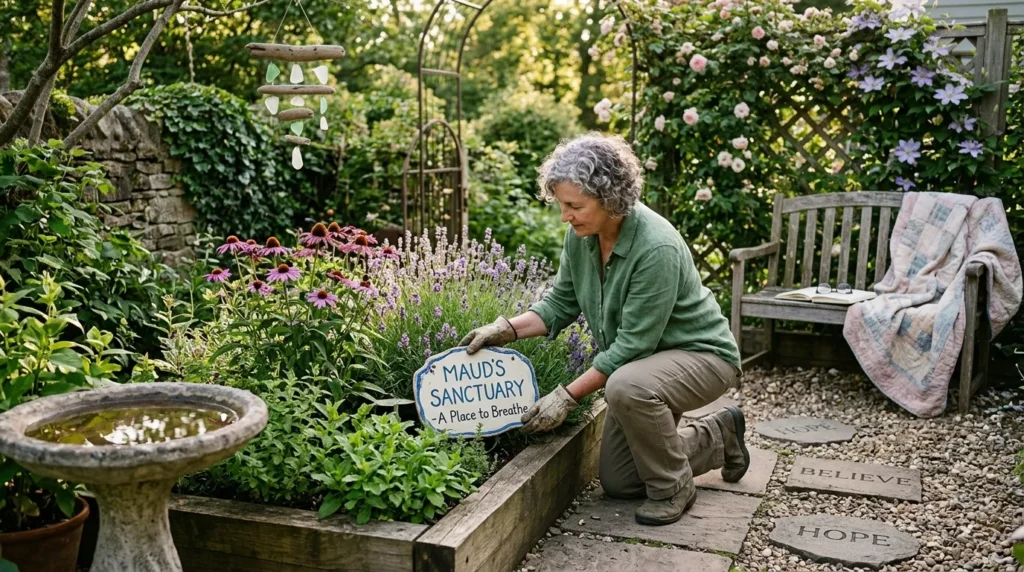
A truly effective healing garden reflects your personality, needs, and lifestyle. Personal touches, such as artwork, wind chimes, favorite plants, or family heirlooms, add emotional resonance. Create spaces that feel welcoming and meaningful to you, whether through color choices, plant selection, or seating arrangements.
Invite family and friends to contribute elements or participate in gardening activities. Gardening together can strengthen relationships, reduce stress, and foster a shared connection to nature.
Conclusion: Transform Your Backyard into a Sanctuary
Creating a healing garden in your backyard is an investment in well-being, mindfulness, and connection to nature. By carefully selecting location, plants, pathways, and features that engage the senses, you can craft a sanctuary that rejuvenates body, mind, and spirit. A healing garden is more than an outdoor space; it is a personal retreat, a place of comfort, and a source of lasting joy.
Whether you live in a bustling city or a quiet suburban neighborhood, you can transform your backyard into a haven of peace and healing. With intentional design, mindful practices, and sustainable care, your garden will not only enhance your daily life but also create a legacy of wellness for years to come.