Fall Garden Maintenance Hacks Every Gardener Should Know
Fall Garden Maintenance Hacks As the leaves change color and the crisp air signals the arrival of fall, gardeners across the United States face a crucial season for maintenance. Fall is not just about raking leaves or planting bulbs; it’s the perfect time to prepare your garden for winter and ensure a flourishing spring. Proper fall maintenance protects plants from harsh weather, enriches soil, and prevents garden pests from gaining a foothold. With the right strategies, you can save time, minimize effort, and maximize the health of your garden year-round. Here’s a comprehensive guide to essential fall garden maintenance hacks every U.S. gardener should know.
1. Assess Your Garden Before Winter
Fall Garden Maintenance Hacks Before diving into tasks, take a careful walk through your garden. Identify which plants are thriving and which need attention. Note areas prone to waterlogging, soil compaction, or pest infestation. Fall is the best time to assess your garden’s health because plants are slowing down their growth and will respond well to adjustments. Checking your garden early allows you to address potential problems before winter sets in, reducing springtime surprises and work. Read Small Space Gardening Hacks.
2. Clear Dead and Diseased Plants
Removing dead or diseased plants is crucial in fall. These plants can harbor insects and fungi that overwinter and attack your garden in spring. Cut back perennials that have finished blooming, and remove annuals that have withered. Composting healthy plant material and properly discarding diseased plants ensures your soil stays clean and fertile. This simple step prevents pest infestations, promotes healthier plants, and saves time on spring cleanups.
3. Mulch to Protect Soil and Plants
Mulching is a key fall maintenance hack that saves effort in the long run. Applying a 2-4 inch layer of organic mulch around perennials, shrubs, and vegetable beds helps regulate soil temperature, retain moisture, and prevent frost heaving. Mulch made from shredded leaves, straw, or bark chips is ideal for fall. For added efficiency, mulch can also reduce the growth of winter weeds, so you spend less time weeding in spring.
4. Aerate and Enrich the Soil
Fall is an excellent time to improve soil structure. Compacted soil inhibits root growth and reduces nutrient absorption. Use a garden fork or aerator to loosen soil in vegetable beds and around perennials. Adding compost, well-rotted manure, or organic matter replenishes nutrients and improves drainage. Healthy soil in fall sets the stage for robust plant growth in spring, saving effort and reducing the need for chemical fertilizers later.
5. Plant Fall-Friendly Bulbs
One of the most rewarding fall hacks is planting bulbs for spring blooms. Tulips, daffodils, crocuses, and hyacinths thrive when planted in autumn because the cool soil encourages strong root development. To save time and effort, plant bulbs in clusters rather than individually, and use a bulb planter to speed up the process. Grouping bulbs by bloom time ensures a colorful, low-maintenance display in spring.
6. Prune Strategically
Pruning in fall should be done with care. Focus on removing dead, diseased, or damaged branches rather than heavy shaping, which is better left for late winter or early spring. For fruit trees, fall pruning helps prevent fungal diseases and reduces pest overwintering. Use sharp, clean pruners or loppers to make precise cuts that promote healthy regrowth. Efficient pruning minimizes winter damage and reduces labor-intensive corrections in the following season.
7. Protect Tender Perennials
Some perennials are sensitive to frost and freezing temperatures. Fall maintenance includes protecting these plants with burlap, garden fabric, or removable cloches. This simple step saves time by preventing winter dieback and the need to replant in spring. For container plants, consider moving them to sheltered areas or indoors, reducing exposure to harsh conditions and prolonging their lifespan.
8. Tidy Up Garden Tools
Fall is the ideal season for garden tool maintenance. Clean, sharpen, and oil hand tools, pruners, and shovels to extend their life and make spring gardening easier. Properly stored tools prevent rust, saving money and effort later. Investing a few hours in tool care now saves countless hours in frustration during peak gardening seasons.
9. Compost Fall Debris
Leaves, plant cuttings, and vegetable scraps are perfect for composting in fall. Composting not only reduces yard waste but also creates nutrient-rich soil for spring planting. To speed up decomposition, shred leaves and mix them with green materials like grass clippings or kitchen scraps. Turning the compost occasionally accelerates breakdown and ensures a ready supply of organic matter for your garden next year. This hack minimizes fertilizer costs and enhances soil fertility naturally.
10. Divide and Transplant Perennials
Fall is an ideal time to divide and transplant perennials. Plants like hostas, daylilies, and irises can be split to rejuvenate growth and prevent overcrowding. Dividing plants reduces competition for nutrients, water, and sunlight, which encourages stronger blooms next season. Transplanting in fall allows roots to establish before winter, saving effort on replanting in spring.
11. Plan for Winter Pest Control
Preventive pest control is easier in fall than reactive measures in spring. Clean up fallen leaves, remove old mulch that harbors insects, and inspect plants for overwintering pests. Certain plants, like garlic and chives, naturally deter pests and can be planted in strategic areas. By addressing pest issues early, you save time and protect your garden from infestations that could require chemical interventions later.
12. Water Wisely
While plants are slowing down, fall watering is still essential, especially for newly planted perennials and bulbs. Water deeply but less frequently to encourage strong root growth. Avoid shallow watering that promotes weak roots. For efficiency, use soaker hoses or drip irrigation systems to cover large areas with minimal effort. Proper watering in fall reduces stress on plants and ensures they survive the winter without extensive attention.
13. Protect Soil with Cover Crops
Cover crops like clover, rye, or winter wheat prevent soil erosion, suppress weeds, and enhance fertility. Planting cover crops in fall adds nutrients to the soil naturally and prevents bare patches that become problem areas during winter. Cover crops also save time by reducing spring prep work and promoting a healthier garden ecosystem.
14. Clean and Store Garden Furniture
Fall maintenance isn’t limited to plants. Outdoor furniture, planters, and decor also need attention. Clean tables, chairs, and pots before storing them or covering them for winter. Properly maintained garden furnishings last longer and require less effort to set up in spring. This small hack ensures your entire garden, not just the plants, is ready for the next season.
15. Protect Water Features
If you have ponds, fountains, or birdbaths, fall is the time to prepare them for winter. Remove debris, clean filters, and drain water where necessary. Adding a pond heater or aerator can prevent ice from forming and harming aquatic life. Protecting water features reduces spring maintenance and ensures your garden remains vibrant year-round.
16. Implement Efficient Leaf Management
Leaves are both a blessing and a burden. While they provide compost material and mulch, excessive leaves can smother lawns or beds. Use a leaf blower or mulching mower to shred leaves efficiently. Shredded leaves decompose faster and can be added directly to compost or used as mulch, reducing labor and maximizing nutrient recycling. This approach is much faster than raking by hand and saves multiple trips with yard bags.
17. Prepare Lawn for Winter
Your lawn needs special attention in fall. Aerate compacted areas, overseed bare patches, and apply a thin layer of compost to improve soil health. Fertilize with a slow-release winter formula to strengthen roots and promote spring growth. Proper lawn care reduces early spring labor and ensures a lush, healthy yard with minimal effort.
18. Monitor Weather and Frost Dates
Fall weather can change rapidly in the U.S., and knowing your region’s average first frost date is essential. Cover tender plants just before frost and avoid planting sensitive crops too late. Being proactive reduces plant loss, saves replacement costs, and prevents emergency work during unexpected cold snaps. Weather awareness is a subtle yet powerful hack that keeps fall maintenance efficient.
19. Optimize Storage for Seeds and Bulbs
Fall is the time to organize seeds, bulbs, and plant starts for next season. Label containers clearly and store them in a cool, dry area. Some bulbs, like dahlias and gladiolus, need to be dug up and stored over winter. Proper storage ensures successful planting in spring and eliminates the need for last-minute trips to the garden center.
20. Plan Spring Garden Layouts
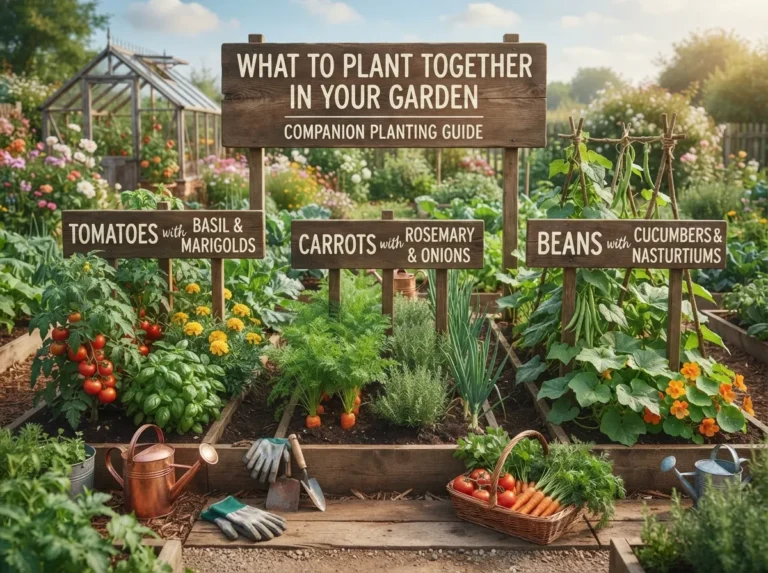
Finally, use fall to plan your spring garden. Map out where perennials, vegetables, and flowers will go, considering crop rotation and companion planting. This advanced preparation saves time in spring, reduces labor, and increases the efficiency of your garden. Knowing exactly what goes where ensures a productive, low-maintenance start to the growing season.
21. Quick Cleanup Shortcuts
For gardeners with limited time, focus on shortcuts like using leaf vacuums, large compost bins, and tool caddies. Group tasks logically—like mulching and planting bulbs in the same visit—to reduce repetitive trips across the yard. Using time-saving tools and strategies ensures that even extensive gardens can be maintained efficiently with minimal strain.

22. Incorporate Wildlife-Friendly Practices
Fall maintenance is also about encouraging beneficial wildlife. Birds, pollinators, and small mammals can help control pests naturally. Leaving some seed heads or berry-producing plants supports local wildlife and reduces the need for chemical pest control. Creating a balanced ecosystem in fall saves effort in spring and promotes a healthier garden environment.
23. Focus on Efficient Pruning and Deadheading
Deadheading flowers and selectively pruning shrubs before winter can prevent disease and improve plant structure. This task doesn’t need to be exhaustive—focus on removing only spent blooms and weak branches. Doing so in fall reduces spring pruning work and encourages robust growth, saving both time and effort.
24. Simplify Compost and Fertilizer Application
Applying compost or slow-release fertilizer in fall allows plants to absorb nutrients gradually over winter. This minimizes the need for frequent fertilization in spring. For large gardens, use wheelbarrows or spreaders to save time, ensuring even distribution without backbreaking labor. Well-fed soil in fall leads to healthier plants with minimal intervention next year.
25. Maintain Garden Paths and Access
Finally, ensure that garden paths are clear and safe. Fall often brings wet leaves and muddy soil, which can make paths slippery. Cleaning and reinforcing walkways prevents accidents, saves cleanup effort, and ensures easy access for winter maintenance tasks. Paths are often overlooked, but keeping them maintained is a simple hack that pays off throughout the season.
Conclusion
Fall is a pivotal season for gardeners, offering an opportunity to prepare for winter and reduce future workload. By implementing these maintenance hacks—strategic pruning, mulching, soil enrichment, pest control, and smart storage—you can safeguard your garden, enrich your soil, and enjoy a beautiful spring with less effort.
A well-maintained fall garden is a gift to yourself, saving time, energy, and resources in the months ahead. With a combination of careful planning, practical tools, and simple seasonal strategies, every gardener in the U.S. can turn fall maintenance into a productive, efficient, and rewarding part of their gardening routine. Fall is the perfect season to work smarter, not harder, ensuring your garden thrives year-round.