Kitchen Vegetable Garden Ideas for a Fresh Harvest
are you looking Kitchen Vegetable Garden Ideas for a Fresh Harvest Imagine stepping out your back door and picking fresh ingredients for your dinner. A kitchen vegetable garden makes this a reality. It’s a rewarding way to connect with your food and enjoy the freshest flavors possible. Plus, it adds beauty to your home.
Growing your own vegetables means you know exactly where they come from. You can avoid pesticides and GMOs. This is great for your health and the environment. You’ll also save money on your grocery bills. Think about the satisfaction of serving a meal made with veggies you grew yourself!
Kitchen Vegetable Garden Ideas for a Fresh Harvest
look how Kitchen Vegetable Garden Ideas for a Fresh Harvest below:
Planning Your Kitchen Vegetable Garden
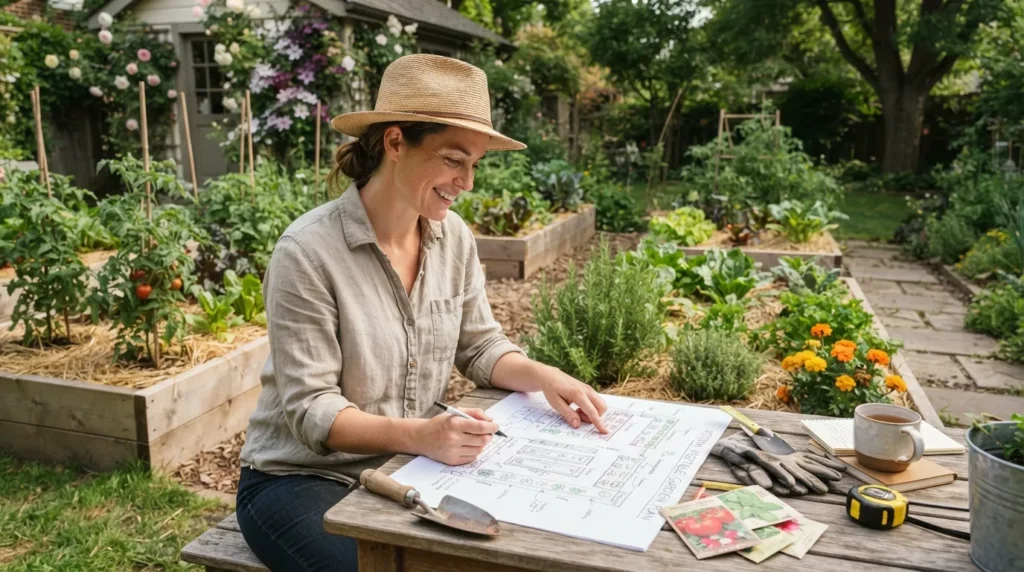
Before you start digging, a little planning goes a long way. Consider the space you have available. Even a small balcony or patio can host a productive garden. Think about how much sunlight your chosen spot gets. Most vegetables need at least 6 to 8 hours of direct sun each day.
Next, decide what you actually like to eat. There’s no point growing tons of kale if your family won’t touch it. Start with a few easy-to-grow favorites. This will build your confidence and give you a successful harvest right away. We’ll explore some great options soon.
Choosing the Right Spot
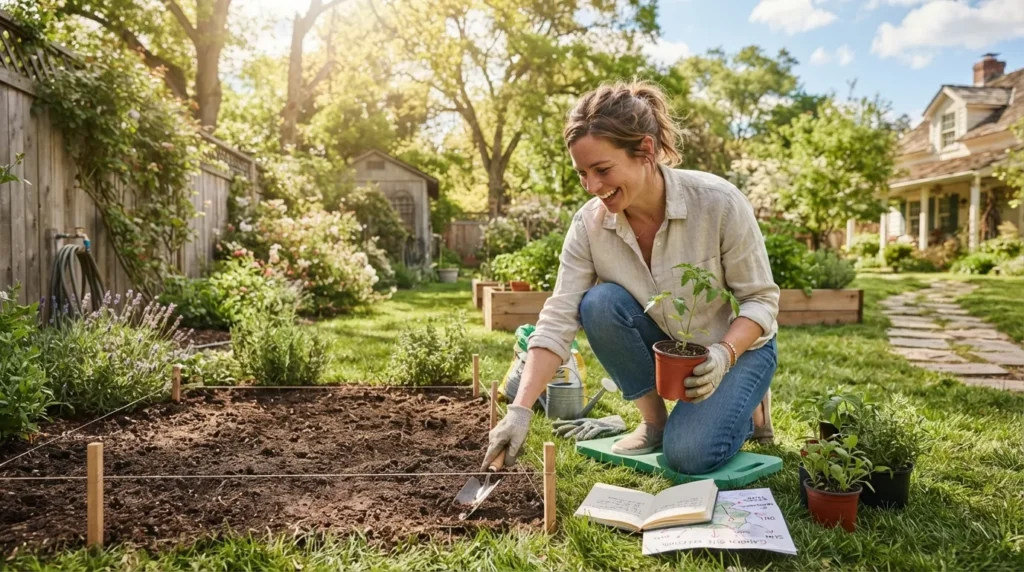
Sunlight is key. Observe your yard throughout the day to see where the sun hits the most. A south-facing area is often ideal. If you have limited sun, don’t worry. There are shade-tolerant vegetables you can grow. Consider container gardening for flexibility. You can move pots to catch the best light.
Also, think about access to water. Your garden will need regular watering, especially during hot, dry spells. Make sure your chosen spot is close to a water source. Good drainage is also important. You don’t want your plants’ roots sitting in soggy soil. Raised beds or containers can help with drainage.
What to Grow First
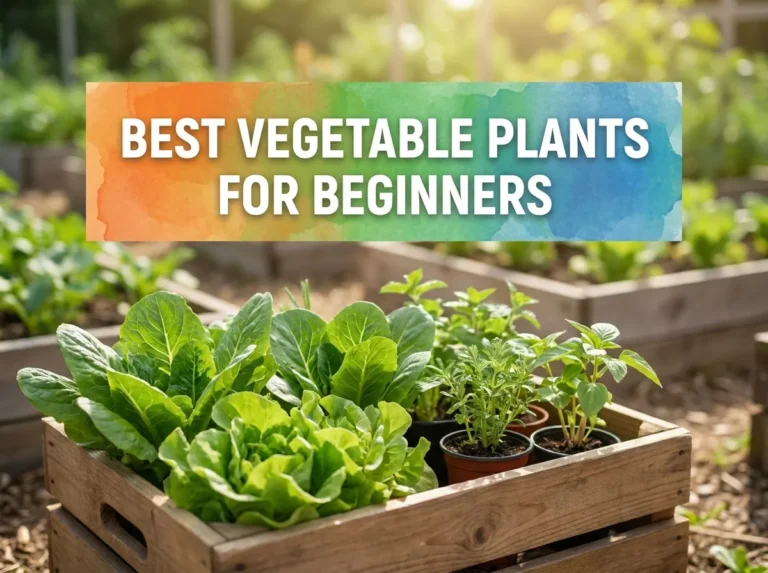
For beginners, some vegetables are easier and more forgiving than others. Leafy greens like lettuce, spinach, and Swiss chard are great choices. They grow relatively quickly and can be harvested multiple times. Radishes are super fast, often ready in less than a month!
Tomatoes, especially cherry varieties, are also popular and rewarding. Bush beans are productive and don’t require much space. Herbs like basil, mint, and parsley are fantastic additions. They are easy to grow and add so much flavor to your cooking. You can even grow herbs indoors if you have limited outdoor space. For more indoor ideas, check out these easy indoor gardening projects.
Creative Kitchen Garden Layouts
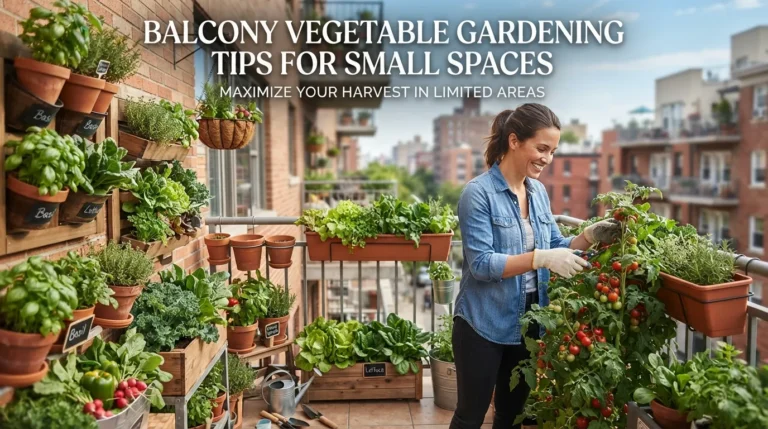
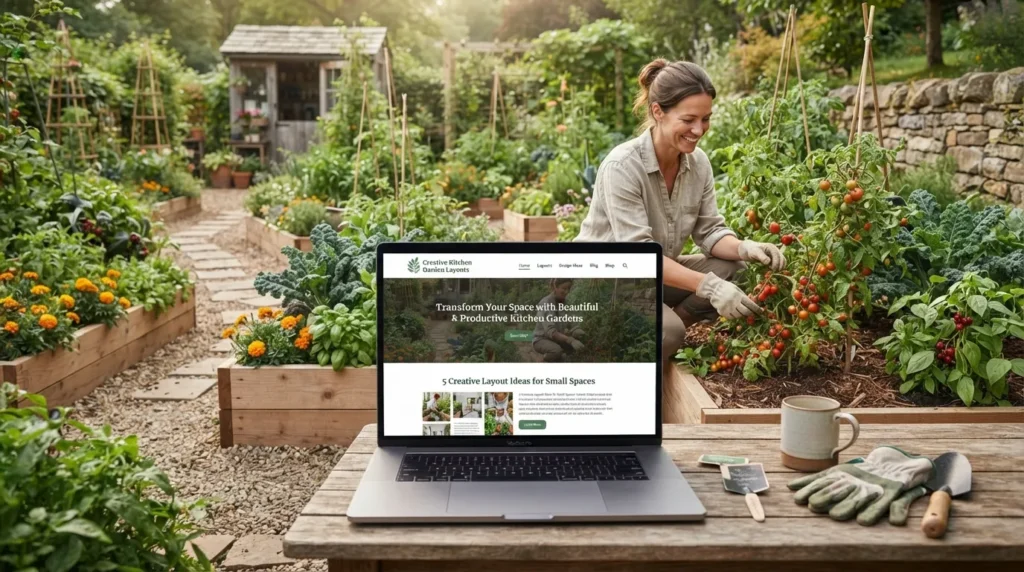
Your kitchen garden doesn’t just have to be functional; it can be beautiful too! Think about how you can arrange your plants to make a lovely space. Consider vertical gardening to maximize small areas. This means growing upwards, not just outwards.
You can use trellises, hanging baskets, and wall-mounted planters. This is perfect for vining plants like cucumbers, peas, and some varieties of tomatoes. Vertical gardening saves space and adds visual interest. It can turn a plain wall into a lush green feature.
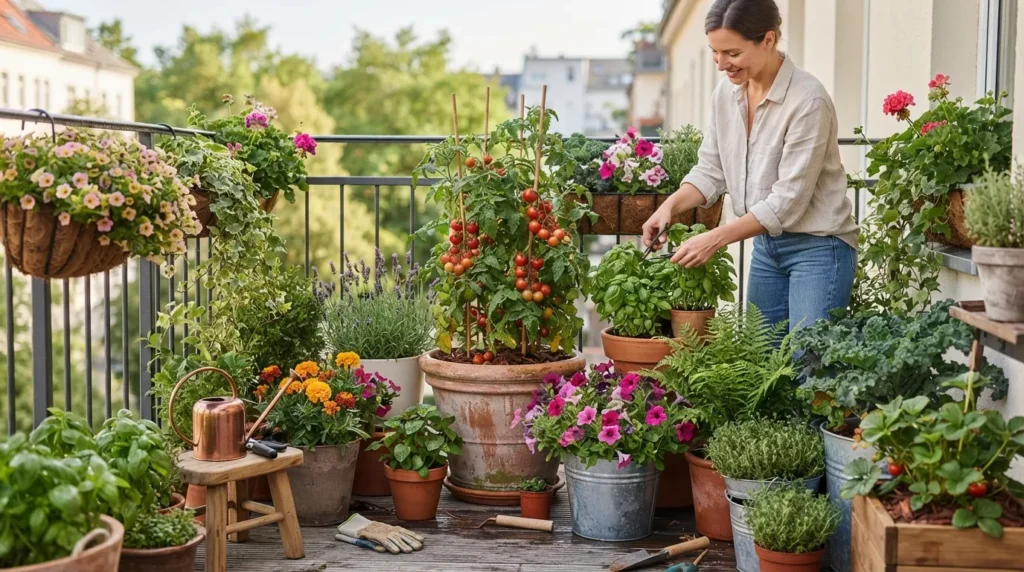
Container Gardening Wonders
Containers are a gardener’s best friend, especially if you have limited space or poor soil. Almost any vegetable can be grown in a pot. Use pots, grow bags, window boxes, or even repurposed items like old buckets (make sure they have drainage holes!).
Choose containers that are large enough for the plants you want to grow. Tomatoes and peppers need bigger pots than lettuce or radishes. Use a good quality potting mix. Container gardens dry out faster than in-ground gardens, so keep an eye on watering. This is a fantastic way to bring your garden right up to your kitchen door or onto your balcony.
Raised Garden Beds
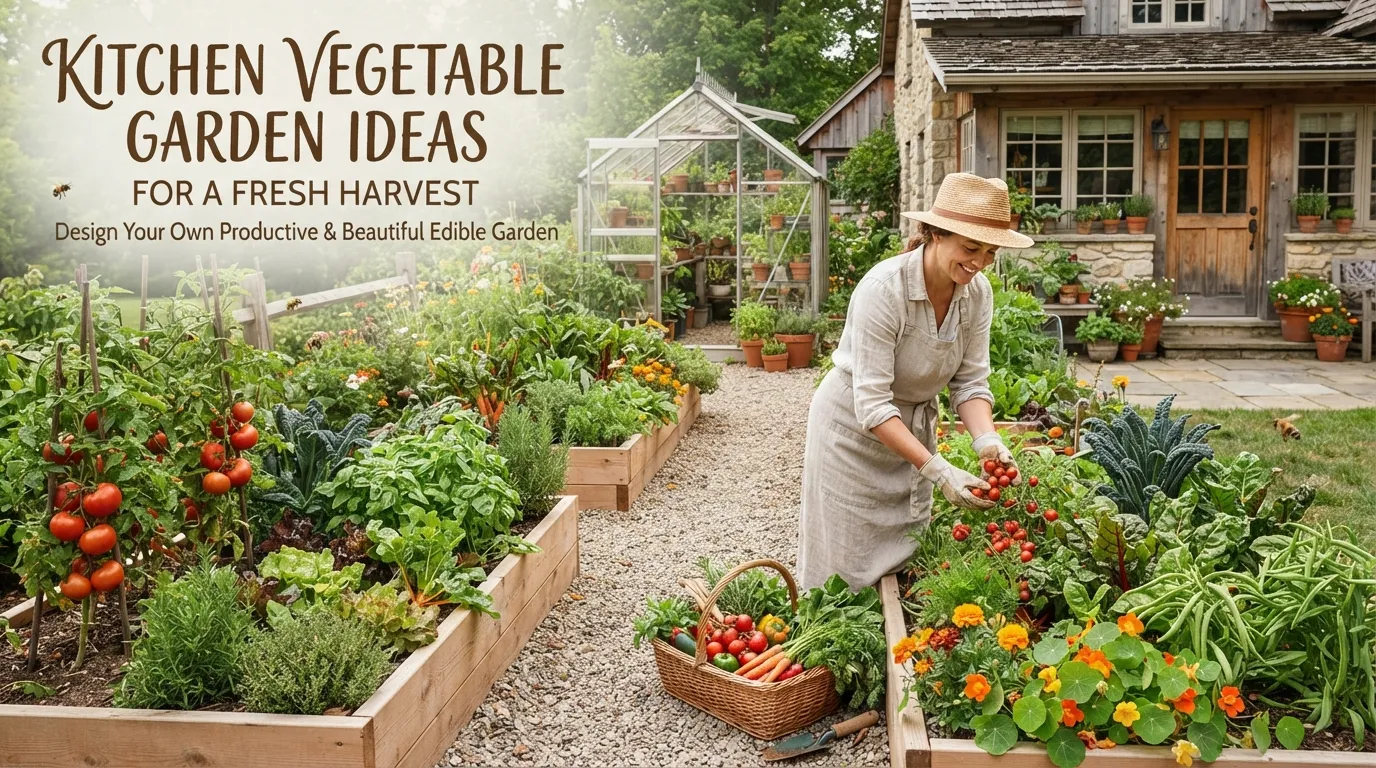
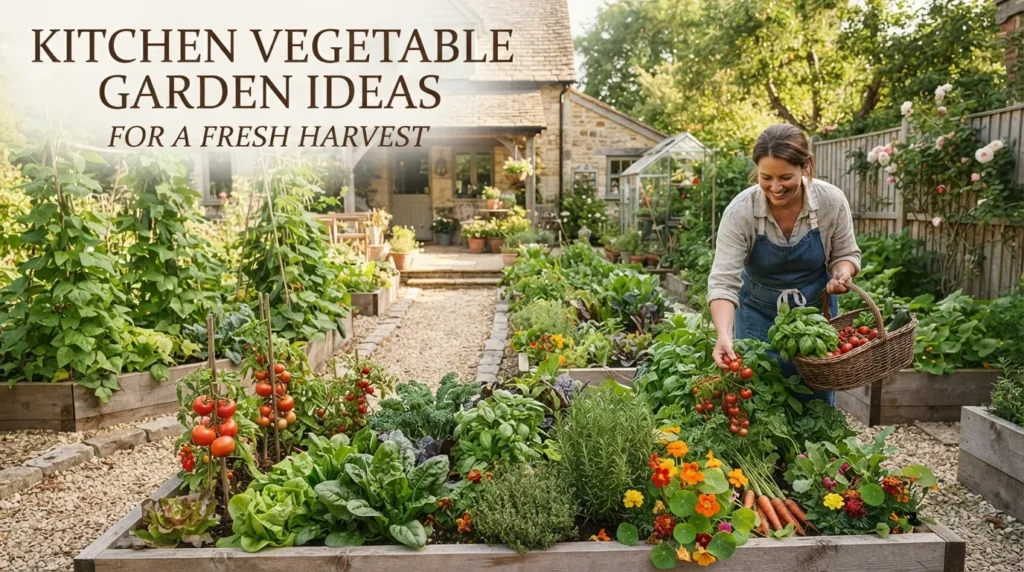
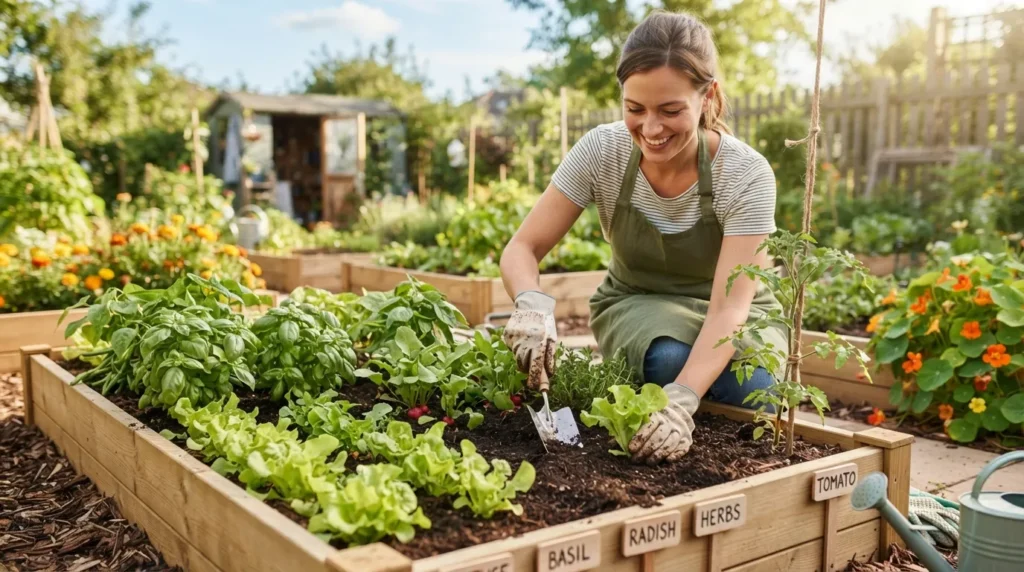
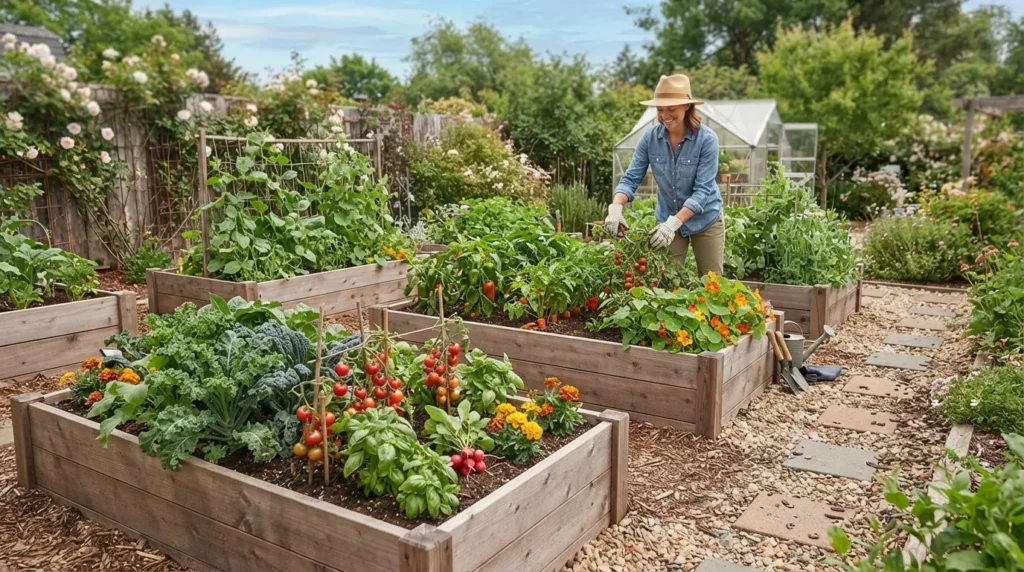
Raised beds offer many advantages. They provide excellent drainage and allow you to control the soil quality. Building them helps warm the soil earlier in spring. They also create clear boundaries for your garden beds and can make weeding easier.
You can build raised beds from wood, stone, or metal. Simple designs are very beginner-friendly. Fill them with a mix of compost, topsoil, and other organic matter for a rich planting medium. This is a great way to create a neat and tidy garden space. You can grow a wide variety of vegetables in raised beds.
Edible Landscaping
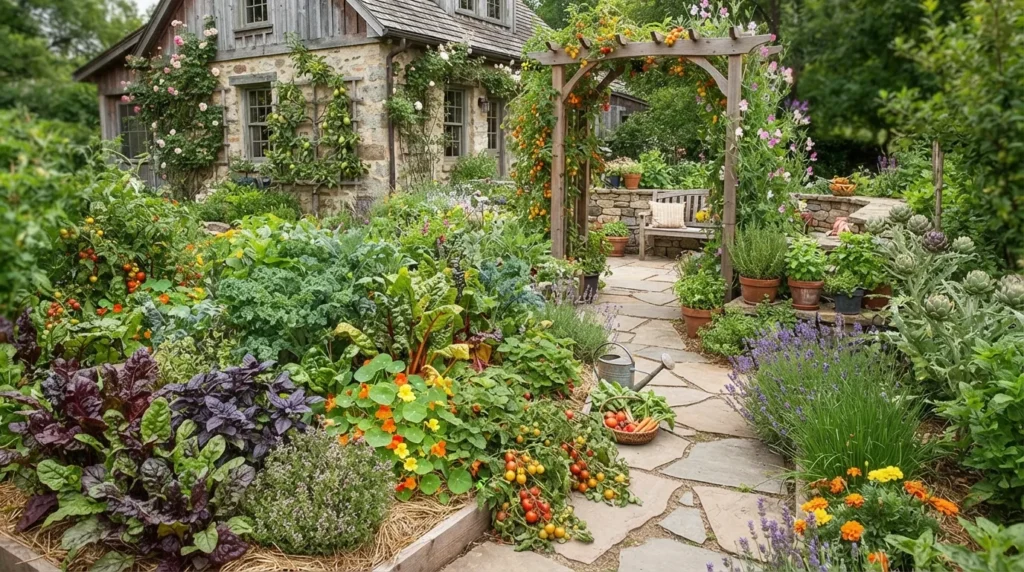
Who says your garden has to be separate from your ornamental plants? Edible landscaping is all about integrating vegetables and herbs into your existing garden design. Think about planting colorful Swiss chard among your flowers. Or grow a border of culinary herbs along a pathway.
This approach makes your garden both beautiful and productive. It’s a sustainable way to grow food. You can use decorative varieties of vegetables, like purple cauliflower or rainbow carrots, to add pops of color. Many herbs have lovely flowers too, attracting pollinators.
Essential Tips for Success
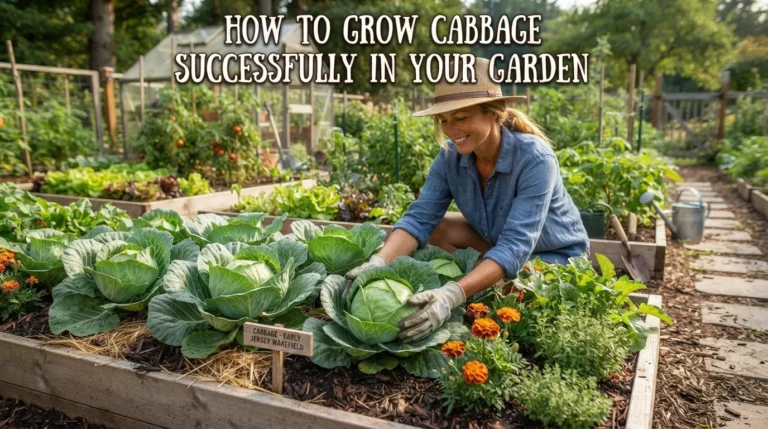
No matter how you design your garden, a few key practices will help you succeed. Proper watering, feeding your plants, and keeping pests at bay are crucial. also check how to grow cabbage?
Watering Wisely
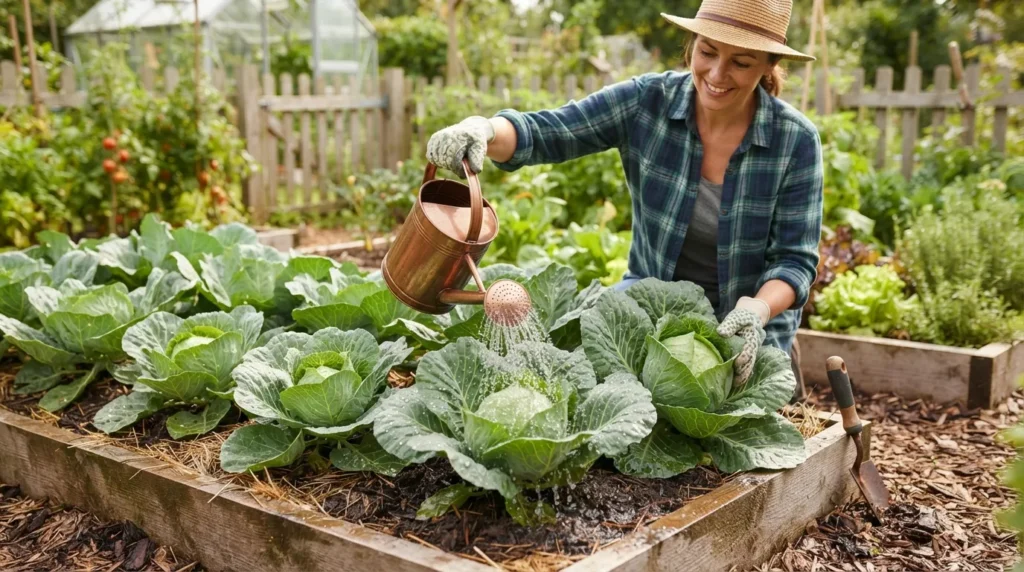
Water deeply and less often, rather than shallowly every day. This encourages plants to grow deeper roots. The best time to water is in the early morning. This allows the plants to hydrate before the heat of the day. It also helps prevent fungal diseases by allowing foliage to dry.
Check the soil moisture by sticking your finger about an inch or two down. If it feels dry, it’s time to water. Container gardens will need more frequent watering than in-ground beds. Mulching around your plants helps retain moisture in the soil.
Feeding Your Plants
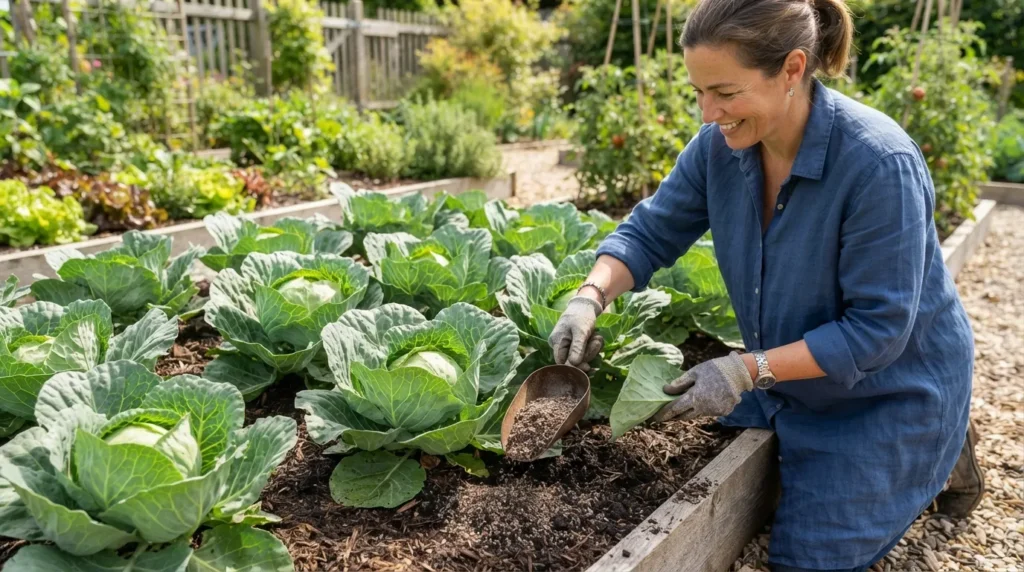
Vegetables are hungry plants! They need nutrients to grow and produce fruit. Start with good quality soil rich in compost. As your plants grow, you may need to supplement. Organic fertilizers like compost tea or fish emulsion are great choices.
Follow the fertilizer instructions carefully. Too much can harm your plants. Observe your plants for signs of nutrient deficiency, such as yellowing leaves. A healthy plant is more resistant to pests and diseases.
Pest and Disease Management
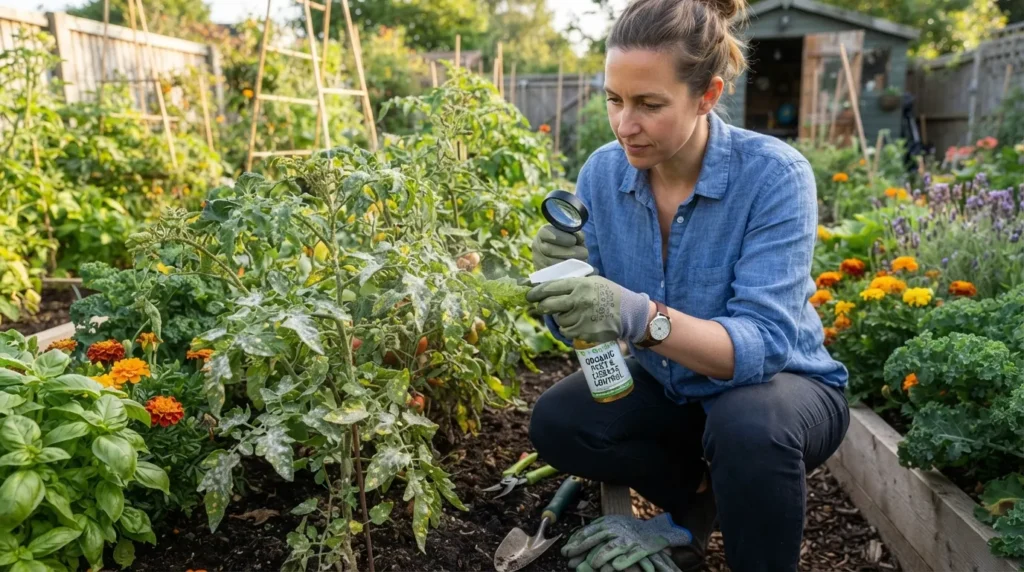
Pests and diseases are a common challenge in any garden. The best approach is prevention. Healthy soil and healthy plants are less susceptible. Companion planting can also help. Some plants can deter pests from others.
If you spot pests, try to identify them first. Often, a strong blast of water from a hose can dislodge aphids. Handpicking larger pests like tomato hornworms is effective. For more stubborn problems, use organic pest control methods. Always try the least toxic option first.
Making it Yours
Your kitchen garden should be a reflection of you and your lifestyle. Don’t be afraid to experiment and find what works best for your space and your taste buds. Whether you have a sprawling backyard or a tiny balcony, growing your own food is incredibly rewarding.
Consider incorporating seating into your garden design. A small bench or a couple of chairs can turn your garden into a relaxing outdoor room. Enjoying your harvest goes beyond just eating; it’s about the entire experience. Explore different varieties and methods until you find your perfect setup. Remember, the team at Plantzu is here to help with all your gardening needs.
FAQ Kitchen Vegetable Garden Ideas for a Fresh Harvest
Q: How much sun do most vegetables need?
A: Most vegetables need at least 6 to 8 hours of direct sunlight per day. Some leafy greens can tolerate partial shade.
Q: What are the easiest vegetables for beginners to grow?
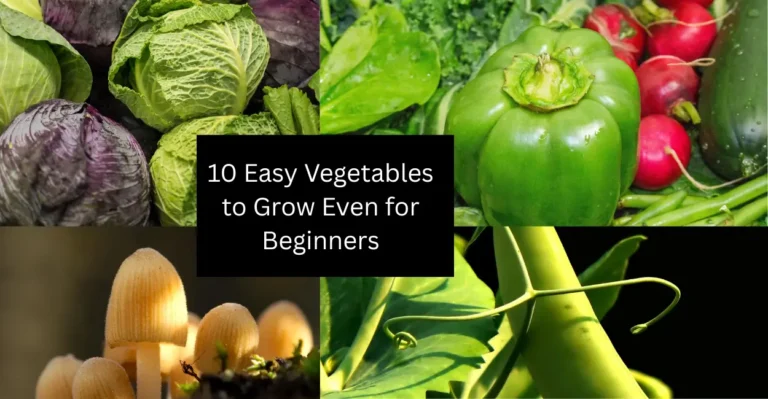
A: Easy vegetables include lettuce, spinach, radishes, bush beans, peas, and herbs like basil and parsley.
Q: Can I grow vegetables in containers?
A: Yes, absolutely! Many vegetables thrive in containers, making them perfect for small spaces like balconies or patios.
Q: How often should I water my vegetable garden?
A: Water deeply when the top inch or two of soil feels dry. Early mornings are the best time to water.
Q: What is companion planting?
A: Companion planting is growing different plants together that benefit each other, such as deterring pests or improving growth.
Final Words
Starting a Kitchen Vegetable Garden Ideas for a Fresh Harvest is a wonderful journey. It brings fresh food, beautiful greenery, and a sense of accomplishment right to your doorstep. Don’t be intimidated; start small, choose plants you love, and enjoy the process. Happy gardening!