Culinary Herbs for Every Kitchen
Culinary Herbs for Every Kitchen
Few things elevate home cooking like fresh culinary herbs snipped seconds before they hit the pan. Dried jars from the supermarket simply cannot compete with the bright, punchy flavor of herbs you grow yourself. The good news is that you do not need a big garden or years of experience to enjoy them — a sunny windowsill, a small balcony, or a corner of the backyard is plenty. Growing your own means fresher flavor, zero packaging waste, and a constant supply at a fraction of the store price. Whether you are a complete beginner or a seasoned cook, these six essential herbs deserve a spot in your kitchen garden.
Why Grow Your Own Culinary Herbs?
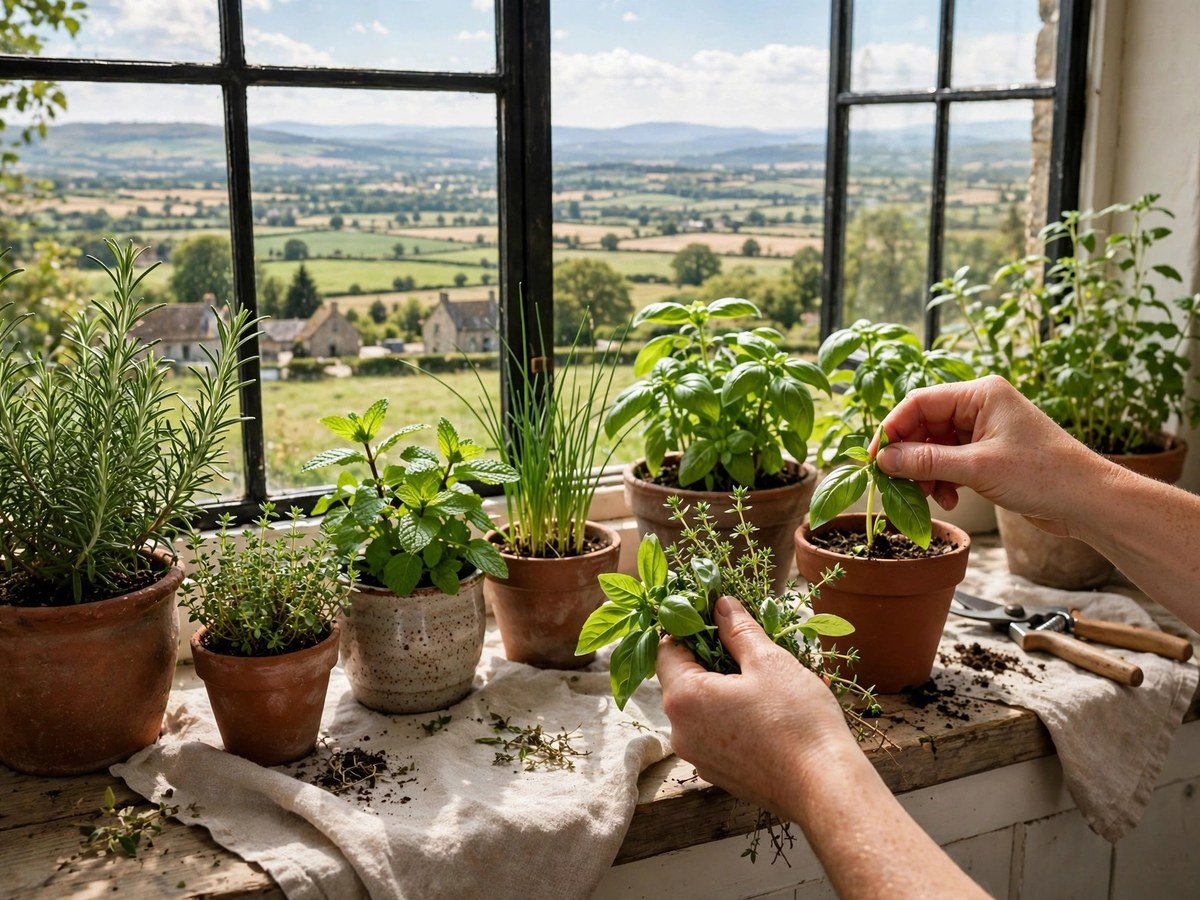
Store-bought fresh herbs are expensive, wilt within days, and often travel thousands of miles before reaching your kitchen. When you grow your own, you harvest exactly what you need, when you need it — peak freshness, every single time. Homegrown herbs also pack more flavor because their volatile oils are strongest right after picking. Beyond taste, a small herb patch or a row of pots connects you to your food in a deeply satisfying way. Kids love snipping basil for pizza night, and guests always notice the difference. Once you taste a tomato sauce made with basil picked thirty seconds earlier, there is no going back.
6 Essential Culinary Herbs to Grow
Basil
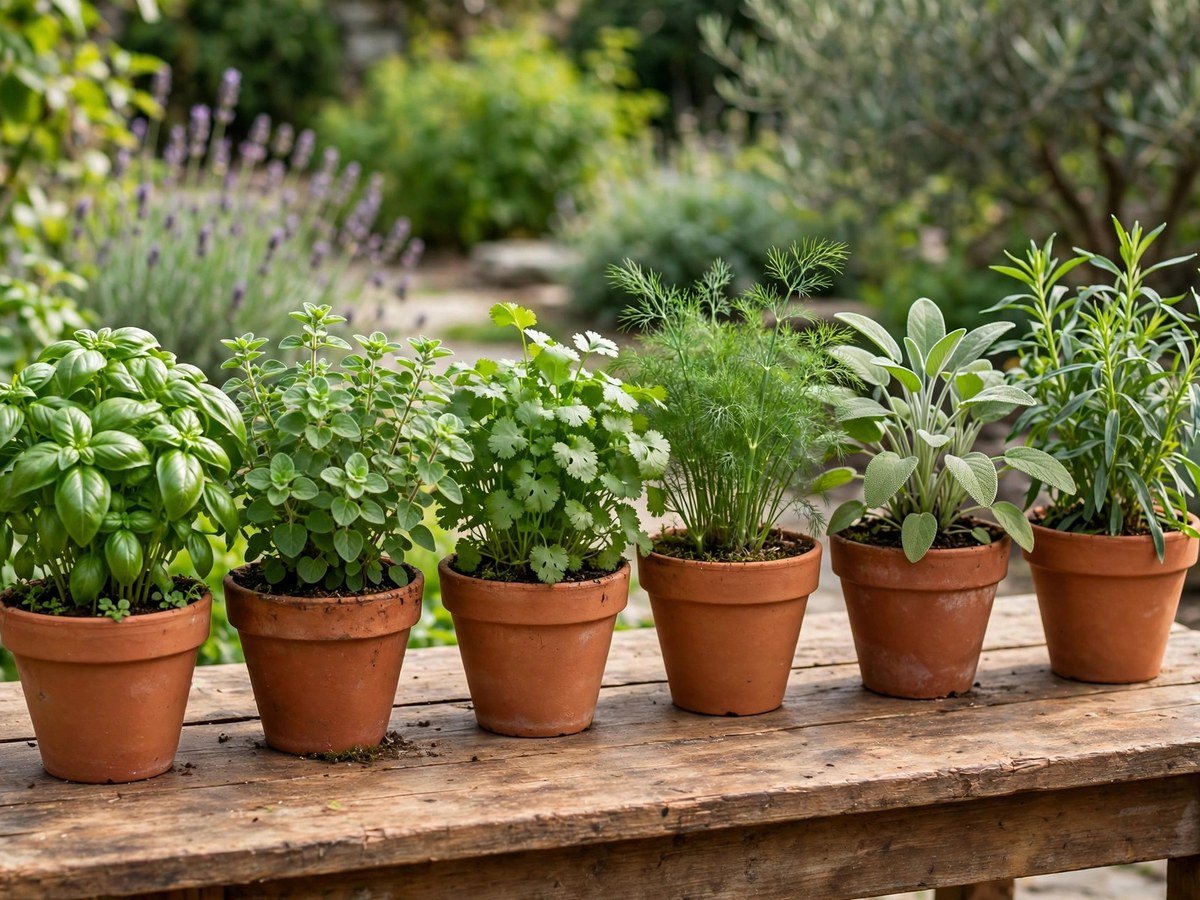
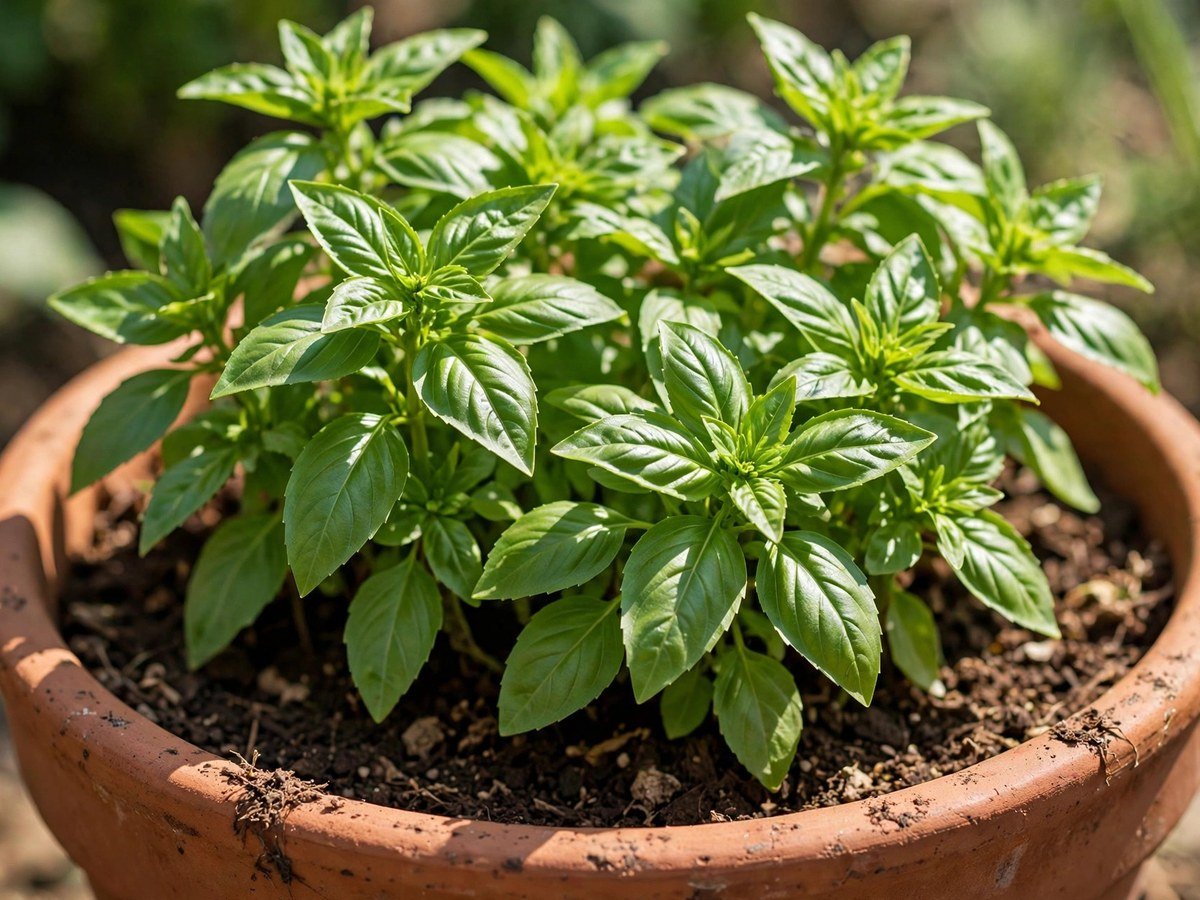
Basil is the undisputed king of culinary herbs, the soul of pesto, caprese salads, and countless summer dishes. It craves warmth and sunshine — give it at least six hours of direct light daily and keep the soil consistently moist but never soggy. Pinch off the growing tips regularly to encourage bushy growth, and always remove flower buds before they bloom, since flowering turns the leaves bitter. One healthy plant can supply a whole family all summer long.
Oregano
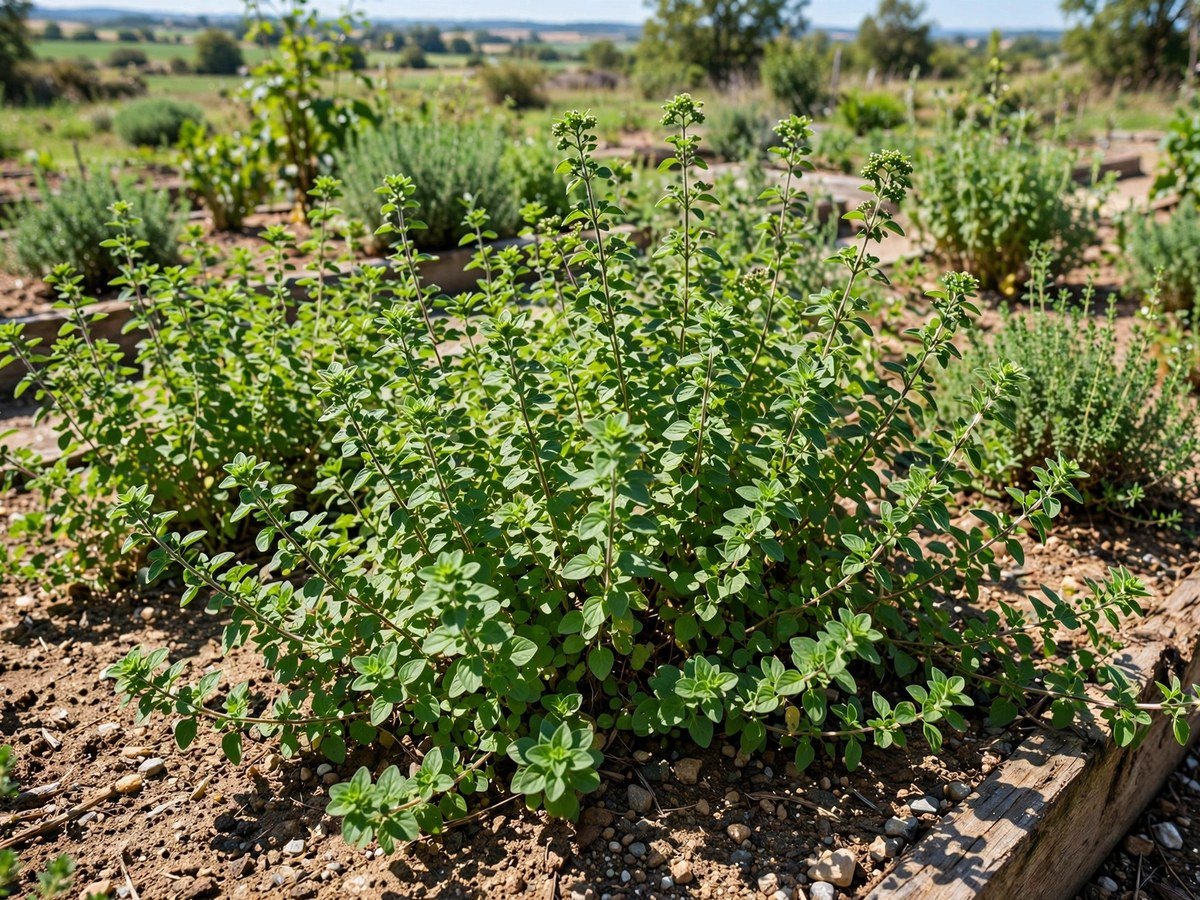
Oregano brings bold, peppery warmth to pizzas, tomato sauces, and grilled meats. This Mediterranean perennial thrives on a bit of neglect — plant it in well-drained soil, give it full sun, and avoid overwatering. In fact, slightly dry conditions concentrate its essential oils and deepen the flavor. Harvest sprigs just before the plant flowers for maximum punch, and dry the surplus; dried oregano is one of the few herbs that tastes even better than fresh.
Cilantro
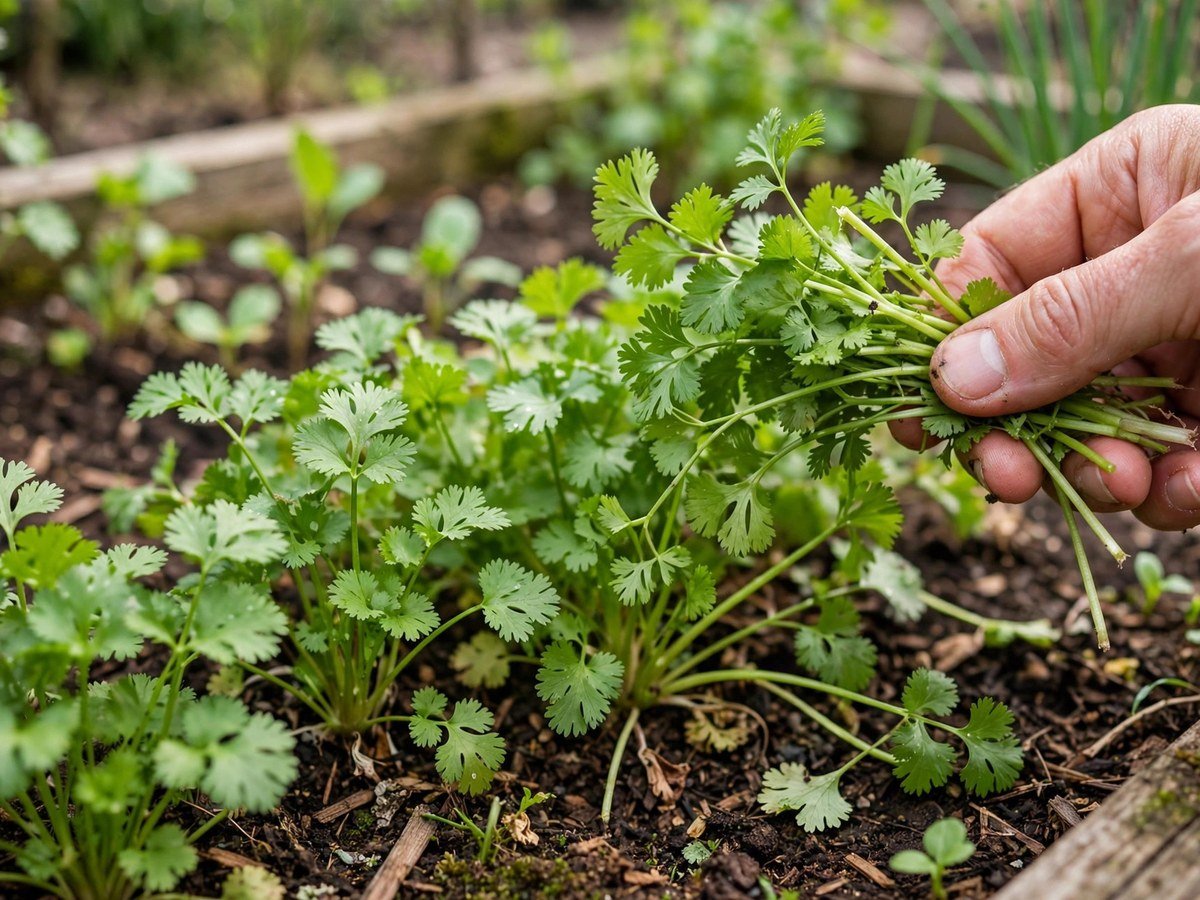
Cilantro divides opinions, but its fans cannot cook without it — think salsas, curries, tacos, and pho. It prefers cool weather and bolts quickly in summer heat, so sow seeds every two to three weeks from spring through fall for a continuous supply. Give it partial shade in hot climates and keep the soil evenly moist. Snip the outer leaves first, and let a few plants go to seed: the seeds are coriander, a bonus spice from the same plant.
Dill
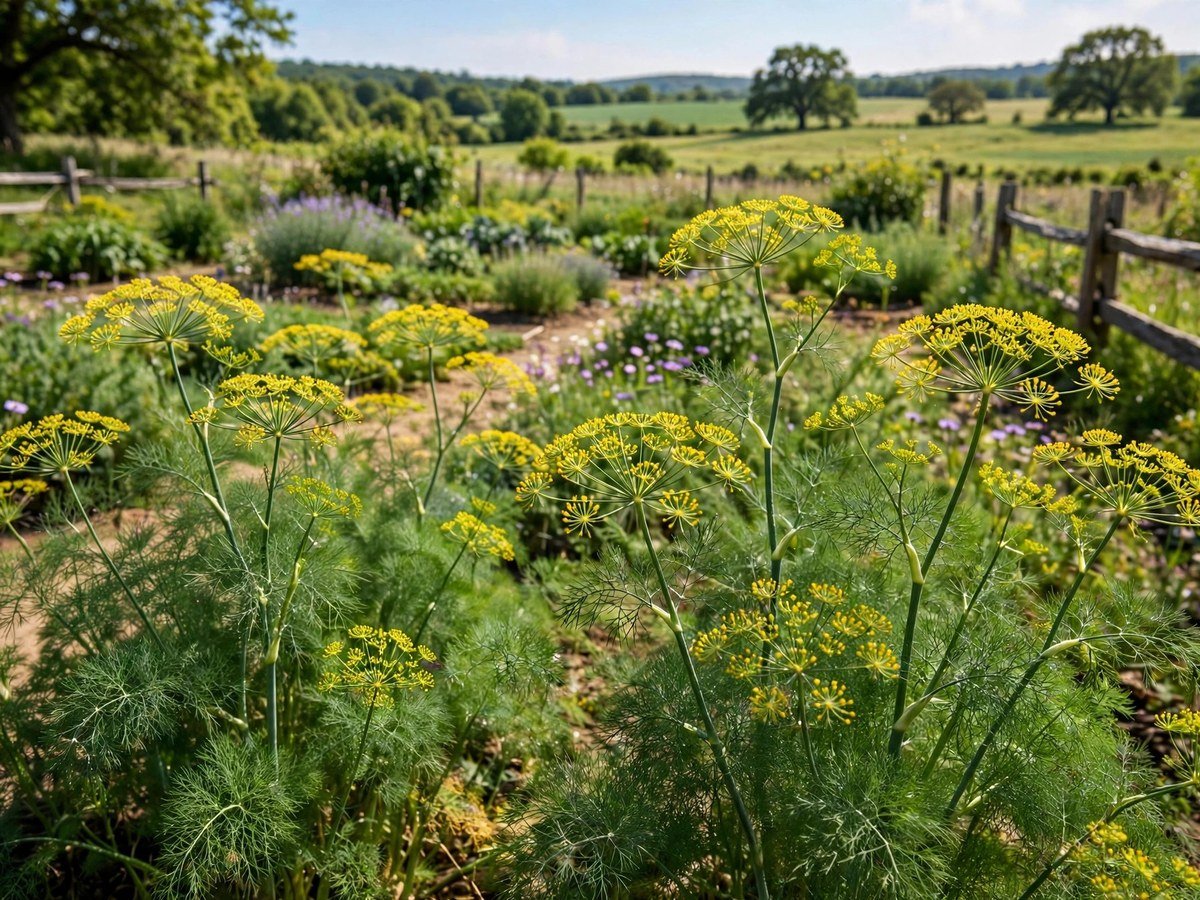
Dill’s feathery fronds and distinctive tang are essential for pickles, fish dishes, potato salads, and Scandinavian cooking. Sow seeds directly where they will grow, since dill dislikes transplanting, and choose a sheltered spot — its tall, hollow stems snap in strong wind. It self-seeds generously, so one planting often returns year after year. Harvest the delicate leaves throughout summer, then collect the seed heads in fall for pickling spice.
Sage
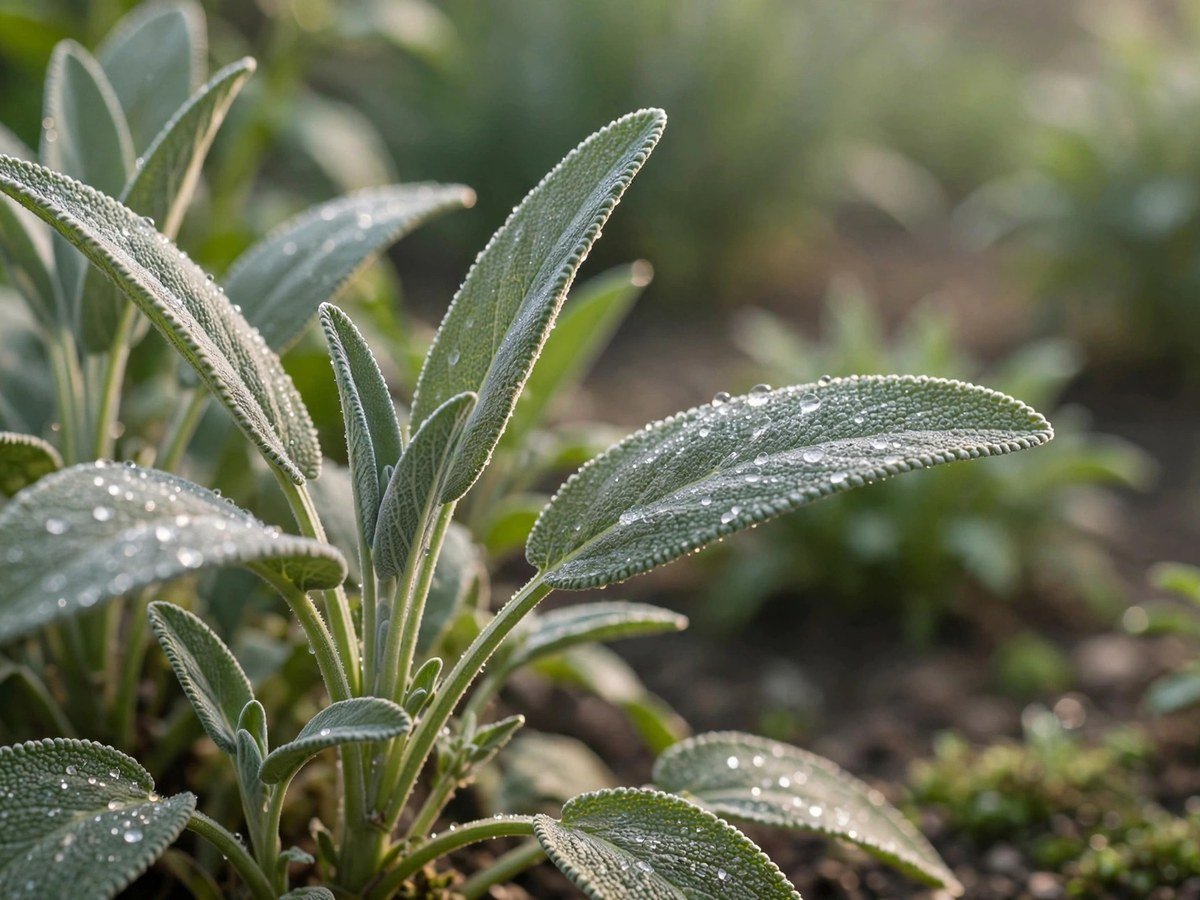
Sage is a woody perennial that rewards patience with years of savory, earthy flavor for stuffings, roasted meats, and brown-butter sauces. It demands excellent drainage and full sun; wet winter soil kills more sage plants than cold ever does. Prune lightly each spring to keep it compact, and replace plants every three to four years when they turn woody. A few fresh leaves fried crisp in butter will change how you think about this humble herb.
Tarragon
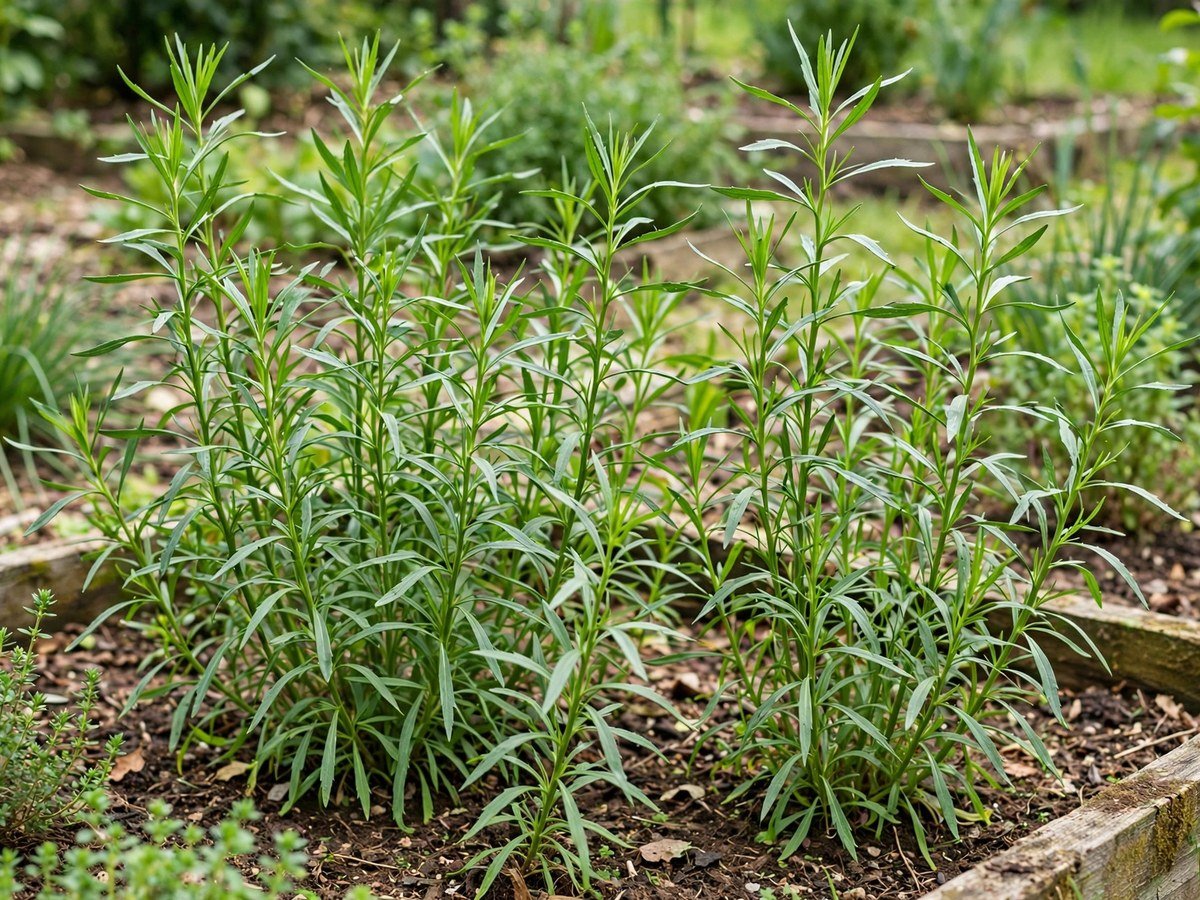
French tarragon lends a subtle anise-like elegance to chicken dishes, bearnaise sauce, and vinaigrettes. Buy established plants rather than seeds — true French tarragon rarely sets viable seed, and the Russian variety sold as seed tastes bland. It likes full sun, good drainage, and a winter mulch in cold climates. Harvest sprigs throughout the growing season, and divide the clump every couple of years to keep it vigorous.
Tips for Keeping Kitchen Herbs Thriving
Success with culinary herbs comes down to a few simple habits. Water in the morning so foliage dries by evening, which discourages disease. Feed container herbs lightly every few weeks with a balanced organic fertilizer, since pots leach nutrients fast. Harvest in the morning after the dew dries, when essential oils are at their peak. Never remove more than a third of a plant at once — herbs need their leaves to keep growing. Rotate pots weekly so all sides get light, and bring tender pots indoors before the first frost for fresh snips deep into winter.
Frequently Asked Questions
Which culinary herbs are easiest for beginners?
Basil, mint, chives, and parsley are nearly foolproof. They germinate quickly, tolerate imperfect conditions, and bounce back from heavy harvesting.
Can I grow culinary herbs indoors year-round?
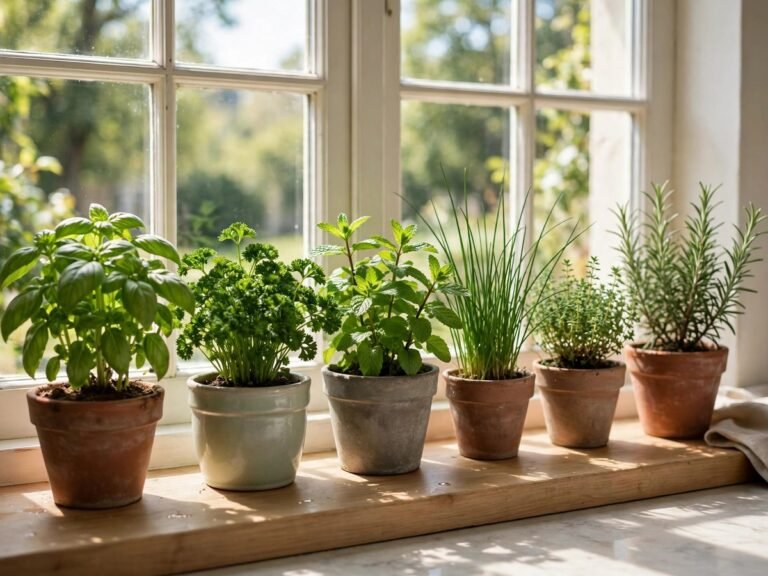
Yes. A bright south-facing windowsill or a simple LED grow light keeps basil, thyme, and chives productive through winter. Keep pots away from cold drafts.
How do I dry herbs for winter use?
Bundle stems, hang them upside down in a dark, airy spot for one to two weeks, then crumble the leaves into airtight jars. Oregano, thyme, and sage dry beautifully.
Why is my basil turning black?
Usually cold damage or fungal disease from wet leaves. Keep basil warm, water the soil rather than the foliage, and ensure good air circulation around the plant.
How often should I harvest my herbs?
Regularly. Frequent light harvesting encourages bushier growth. As a rule, never take more than one-third of the plant at a time.
A Fresher Kitchen Awaits
Growing culinary herbs is one of the simplest, most rewarding upgrades a home cook can make. Start with two or three favorites, give them sun and regular snips, and watch your cooking transform. Within weeks you will wonder why you ever paid for limp supermarket bunches. Fresh flavor is now just an arm’s reach away — your kitchen, and your taste buds, will thank you.