Hydroponic Gardening Mistakes to Avoid
Hydroponic Gardening Mistakes to Avoid
Learning hydroponic gardening mistakes the hard way is expensive — dead plants, wasted nutrients, and a reservoir of regret. The good news is that nearly every beginner stumbles over the same handful of errors, which means you can sidestep them all with a little know-how. Hydroponics rewards precision, but it doesn’t demand perfection; it just asks you to pay attention to a few critical details. In this guide, we’ll walk through the six most common hydroponic gardening mistakes, why they happen, and exactly how to fix or prevent each one — so your first harvest is a triumph, not a tragedy.
Why Small Mistakes Hit Harder in Hydroponics
In soil gardening, dirt forgives. It buffers pH swings, stores nutrients, and gives roots room to recover from neglect. Hydroponics strips away that safety net — your plants live directly in water, so every imbalance hits them fast and hard. A pH swing that soil would shrug off can lock out nutrients overnight in a reservoir. That sensitivity is also hydroponics’ superpower: because you control everything, you can dial in perfect conditions and grow plants significantly faster than in soil. The trick is respecting the system’s precision. Master the fundamentals below and you’ll spend less time troubleshooting and more time harvesting.
6 Hydroponic Gardening Mistakes to Avoid
1. Overfeeding Nutrients
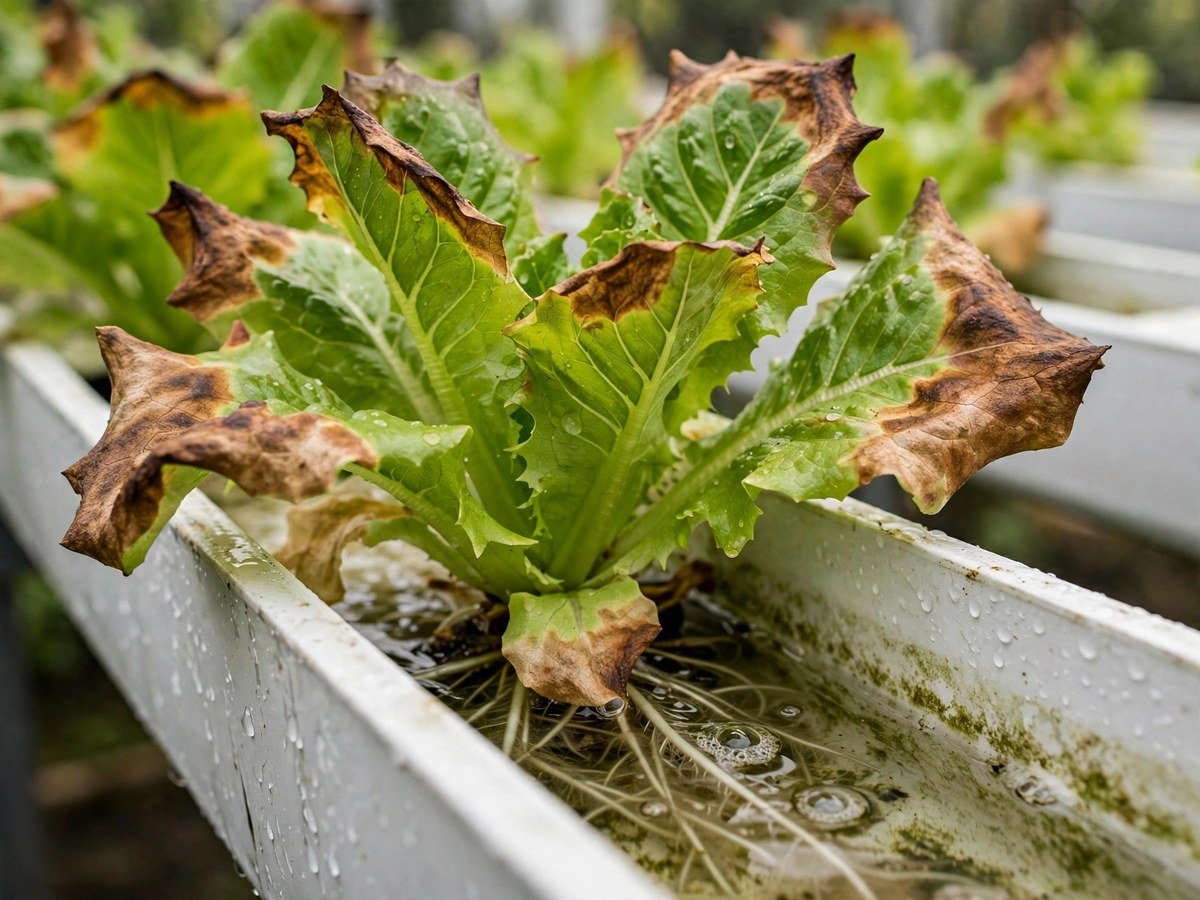
More nutrients don’t mean more growth — they mean burned roots. Beginners often mix solutions stronger than the label recommends, thinking they’re giving plants a boost. Instead, excess salts build up, scorch root tips, and block water uptake, leaving leaves with brown, crispy edges. Always start at half the manufacturer’s recommended strength for seedlings and young plants, then increase gradually. An EC meter is your best friend here: measure, don’t guess, and your plants will reward you with vigorous, healthy growth.
2. Ignoring pH Levels
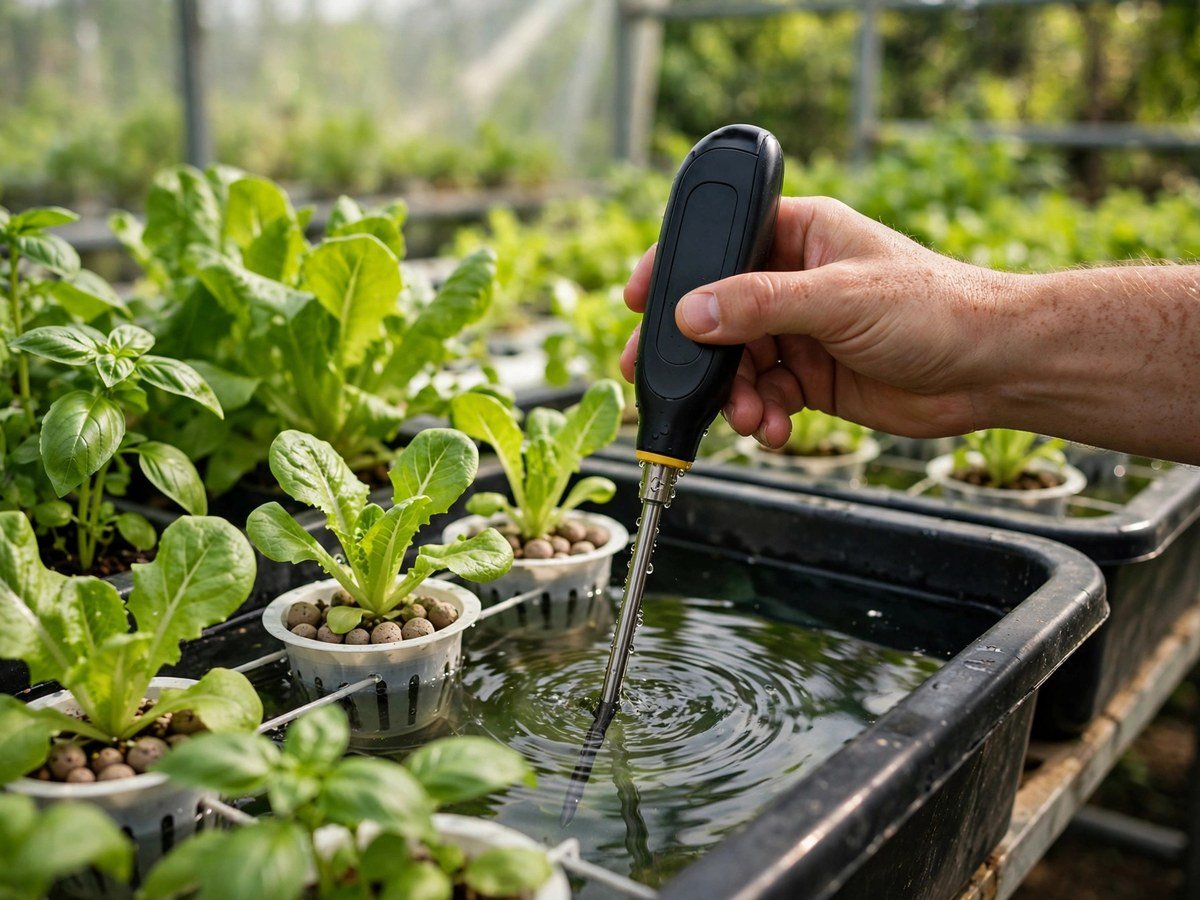
pH is the gatekeeper of nutrition. Even a perfect nutrient mix is useless if pH drifts outside the 5.5–6.5 sweet spot, because plants simply can’t absorb key minerals. Yet many beginners never test their reservoir, then wonder why leaves yellow despite “plenty of food.” Check pH every two to three days with a meter or test drops, and adjust gently with pH up or down solutions. Small, frequent corrections beat dramatic rescues every single time.
3. Poor Root Aeration
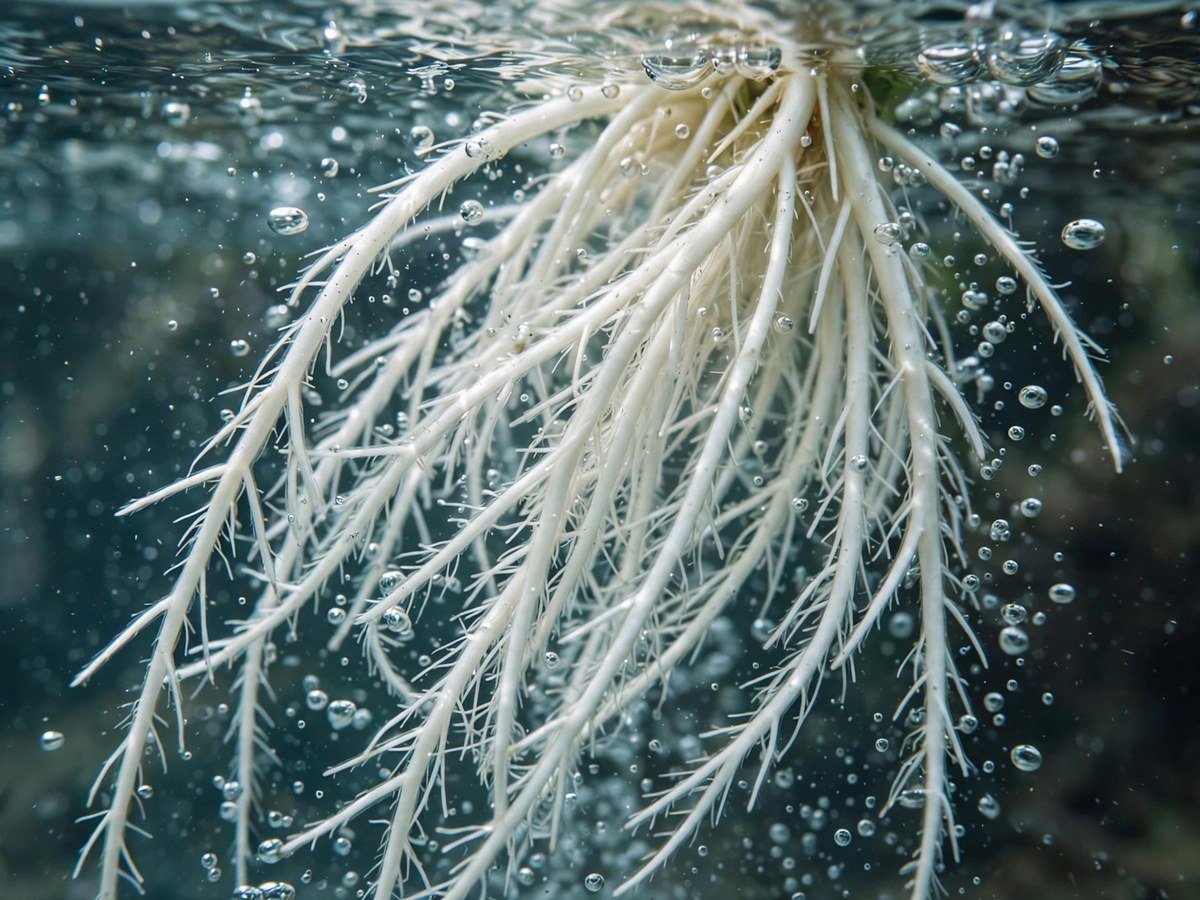
Roots need oxygen, and drowning them is one of the fastest ways to kill a hydroponic crop. Stagnant, warm reservoir water holds little dissolved oxygen, inviting root rot — slimy brown roots and wilting plants are the telltale signs. Keep water temperatures between 65–70°F, run an air stone or air pump around the clock, and never let circulation sit idle for long. Well-oxygenated roots look bright white and fuzzy; that’s exactly what you’re aiming for.
4. Light Leaks and Algae
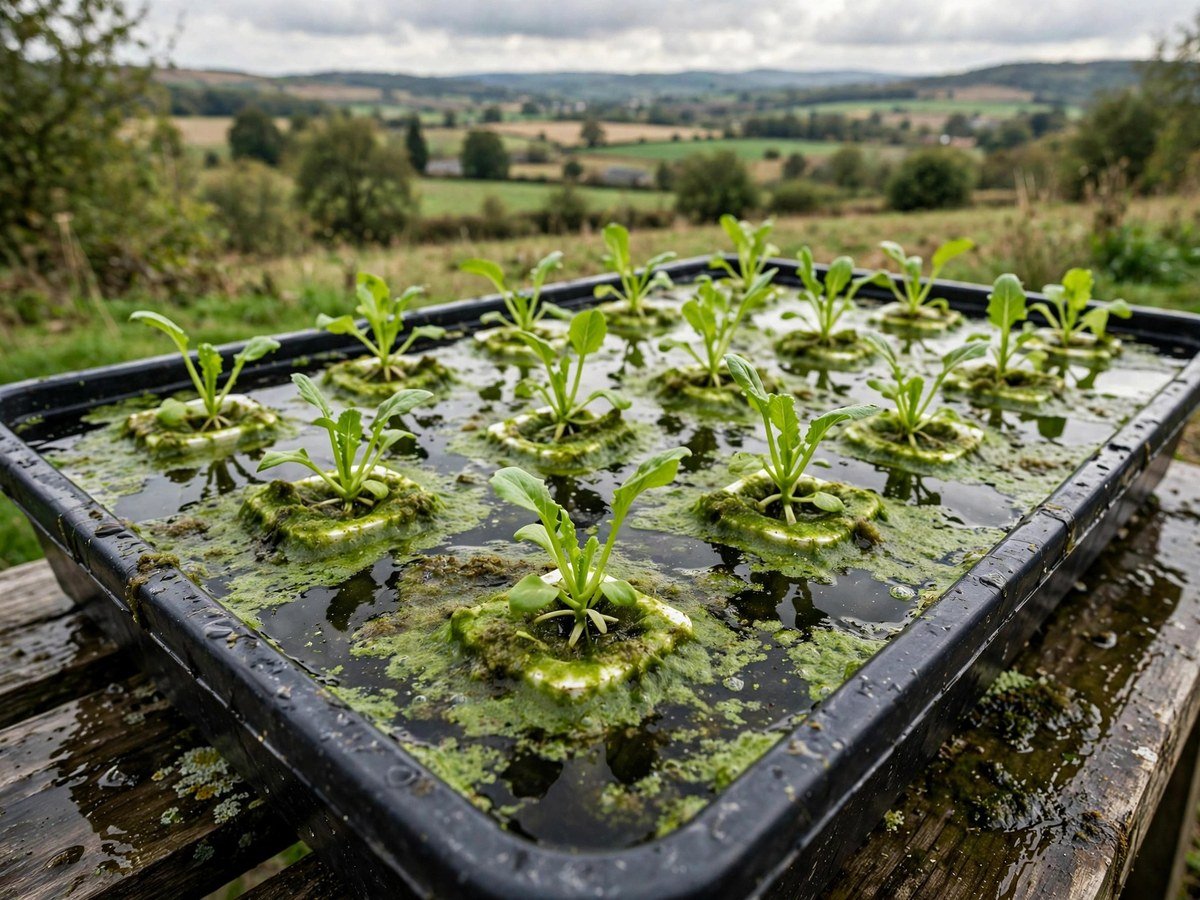
If light reaches your nutrient solution, algae will follow — guaranteed. That green slime coating your reservoir, tubing, or grow media isn’t just ugly; it competes with plants for oxygen and nutrients and can clog pumps. Use opaque reservoirs and tubing, cover net pots with light-blocking collars or clay pebbles, and seal every gap where light sneaks in. A dark reservoir is a healthy reservoir, so treat light leaks like the emergency they are.
5. Overcrowding Plants
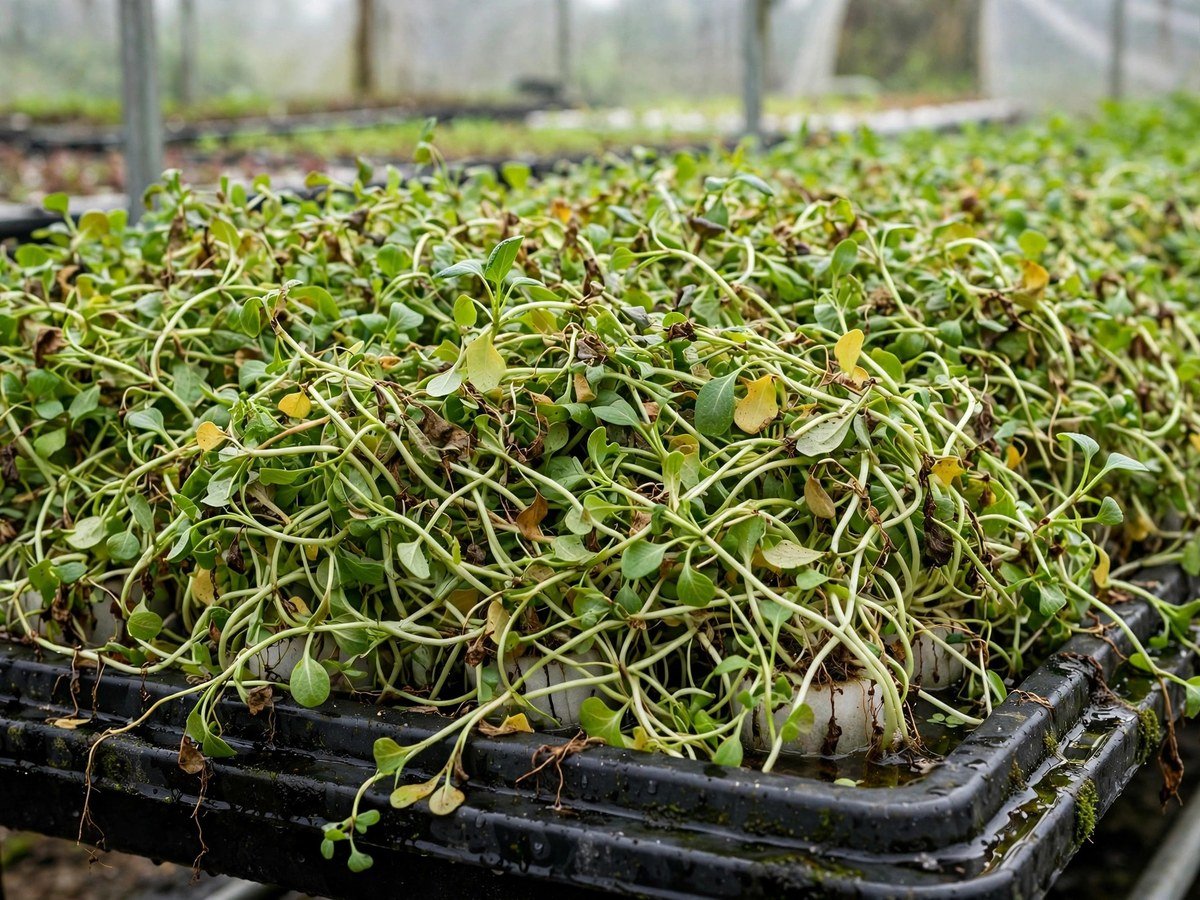
Cramming extra seedlings into your system feels productive until every plant starts competing for light, airflow, and nutrients. Overcrowded canopies trap humidity, invite powdery mildew and pests, and leave lower leaves starved of light. Respect the mature size of each variety — a single tomato plant can easily need two square feet. Thin ruthlessly, prune lower growth, and remember: fewer well-spaced plants almost always out-yield a crowded jungle.
6. Skipping Reservoir Changes
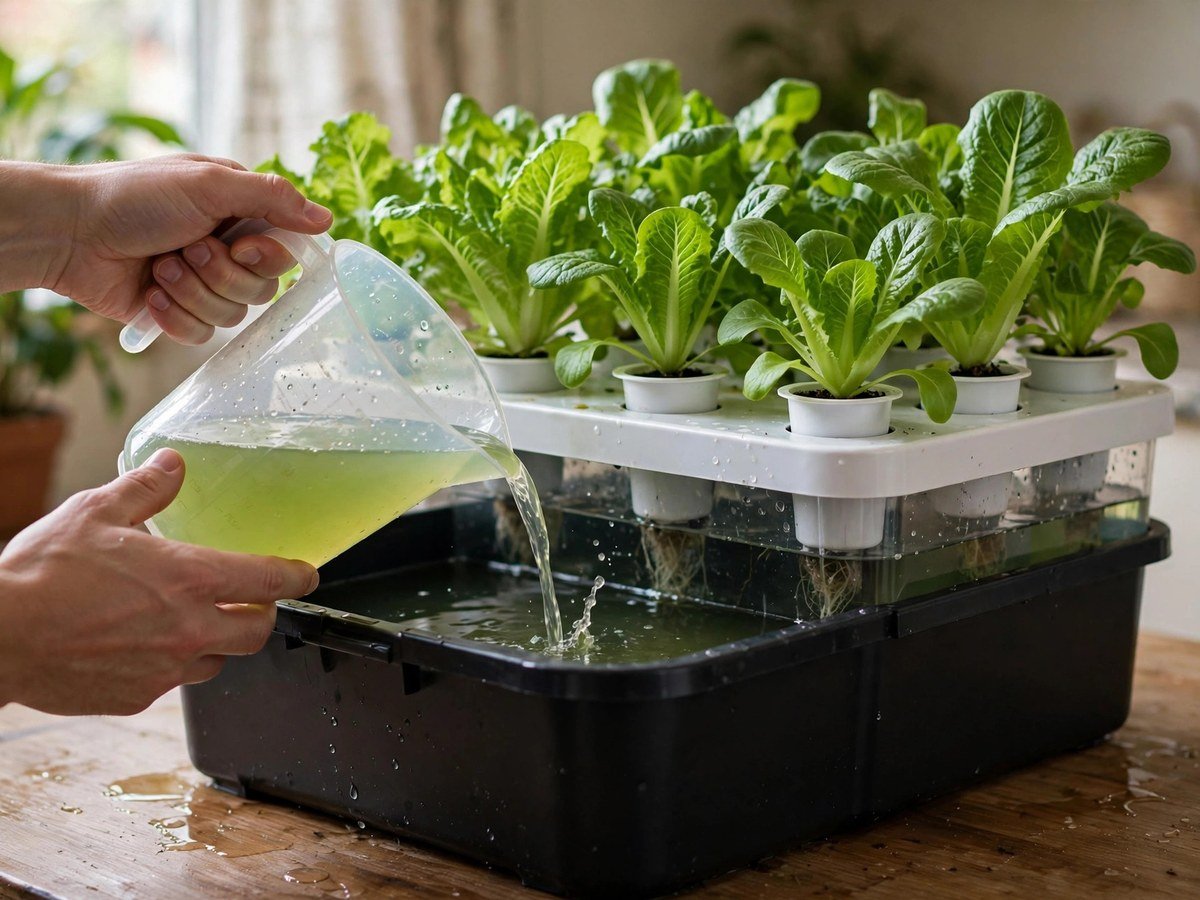
Topping off evaporated water without ever changing the solution is like never changing the oil in your car. Over time, plants selectively absorb nutrients, leaving the water imbalanced — some minerals depleted, others concentrated to toxic levels. Dump and replace your entire reservoir every one to two weeks (weekly for heavy feeders like tomatoes). Fresh solution resets the chemistry and gives you a clean, predictable baseline to work from.
Set Yourself Up for Success
Success in hydroponics comes down to routine. Keep a simple log of pH, EC, water temperature, and reservoir change dates — patterns jump out when you write things down. Invest in the basics: a reliable pH meter, an EC/TDS meter, and a thermometer cost less than one failed crop. Start with forgiving plants like lettuce, basil, or mint before tackling finicky fruiting crops. Clean your system between grows with a diluted hydrogen peroxide rinse to kill lingering pathogens. And join a hydroponics community online — someone has already solved whatever problem you’re facing.
Frequently Asked Questions
How often should I check pH in hydroponics?
Every two to three days for most systems; check daily if your reservoir is small, since smaller volumes swing faster.
Why are my hydroponic plant roots turning brown?
Brown, slimy roots usually mean root rot from low oxygen or warm water. Add aeration, cool the reservoir to 65–70°F, and trim away the damaged roots.
Can I use tap water for hydroponics?
Often yes — let it sit uncovered for 24 hours to dissipate chlorine. Very hard water may need filtering to avoid mineral buildup.
How often should I change the nutrient reservoir?
Every one to two weeks; go weekly for heavy feeders like tomatoes and peppers that deplete nutrients fast.
Do I really need an air pump?
For deep water culture, absolutely — continuous aeration is essential. Other methods like NFT still benefit from good oxygenation.
The Bottom Line
Every hydroponic grower makes these mistakes — the good ones just make them once. Avoid overfeeding, watch your pH, oxygenate those roots, block the light, give plants room, and change your reservoir on schedule. Do that, and you’ll skip months of frustration and jump straight to the fun part: harvesting crisp, fast-growing produce from a system you built yourself.