Hydroponic Vegetable Gardening Tips
These hydroponic vegetable gardening tips will help you grow crisp, fresh produce without a speck of soil. Hydroponics delivers water and nutrients directly to plant roots, which means faster growth, bigger yields, and gardening anywhere — a spare room, a garage, even a city apartment. The learning curve is real, but the fundamentals are straightforward once you understand them. Whether you are setting up your first countertop unit or scaling to a full grow tent, master these basics and you will harvest vegetables year-round, whatever the weather outside.
How Hydroponic Gardening Actually Works
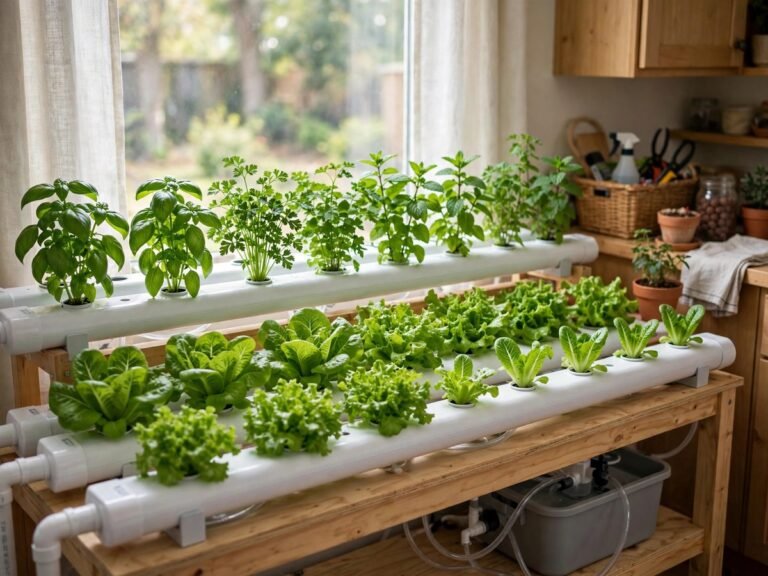
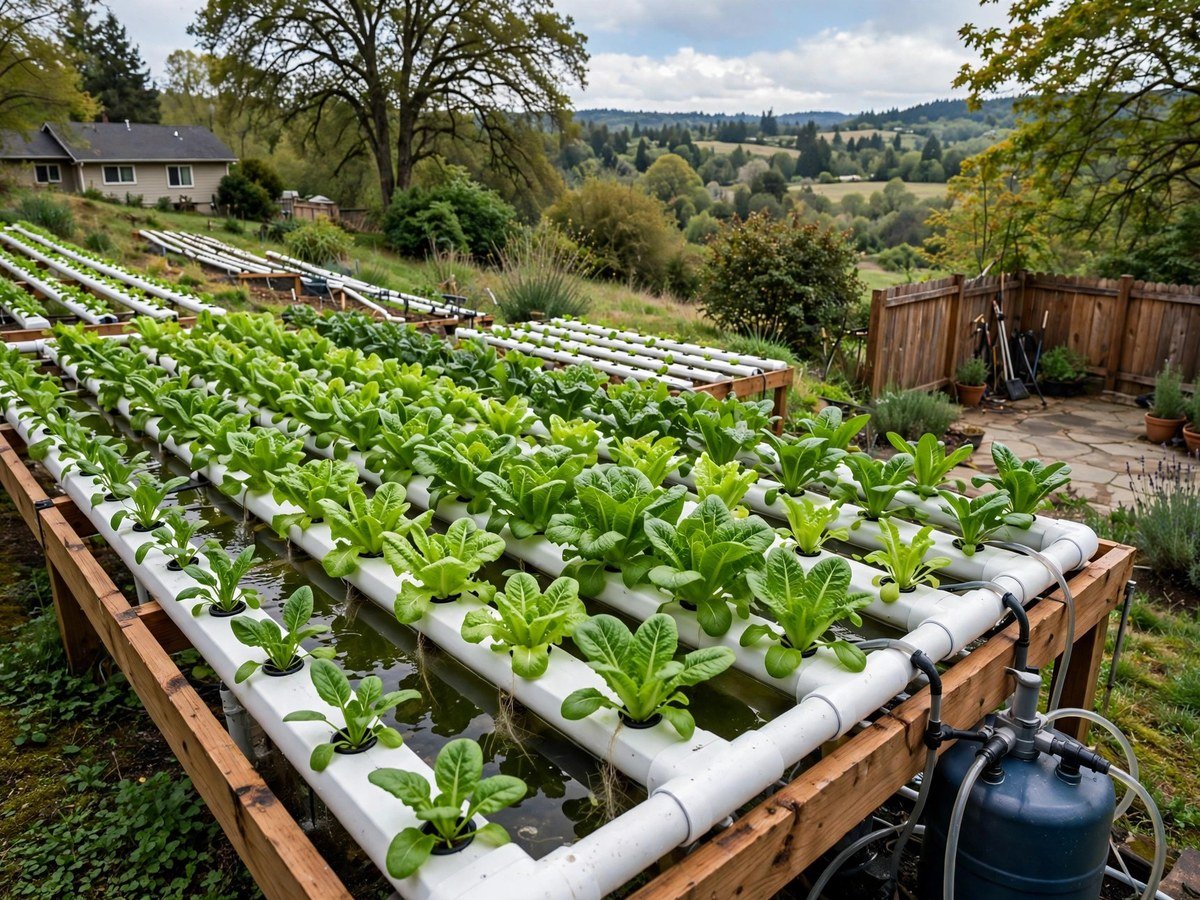
In hydroponics, plants grow with their roots in nutrient-rich water instead of soil. A reservoir holds the solution, a pump circulates it, and an air stone keeps oxygen levels high so roots can breathe. Because plants never hunt for nutrients, they channel energy into fast leaf and fruit growth — lettuce can mature in half the time it takes outdoors. The trade-off is precision: you become the soil, so pH, nutrients, light, and temperature all need your attention. Get those right and the system practically runs itself.
6 Hydroponic Vegetable Gardening Tips
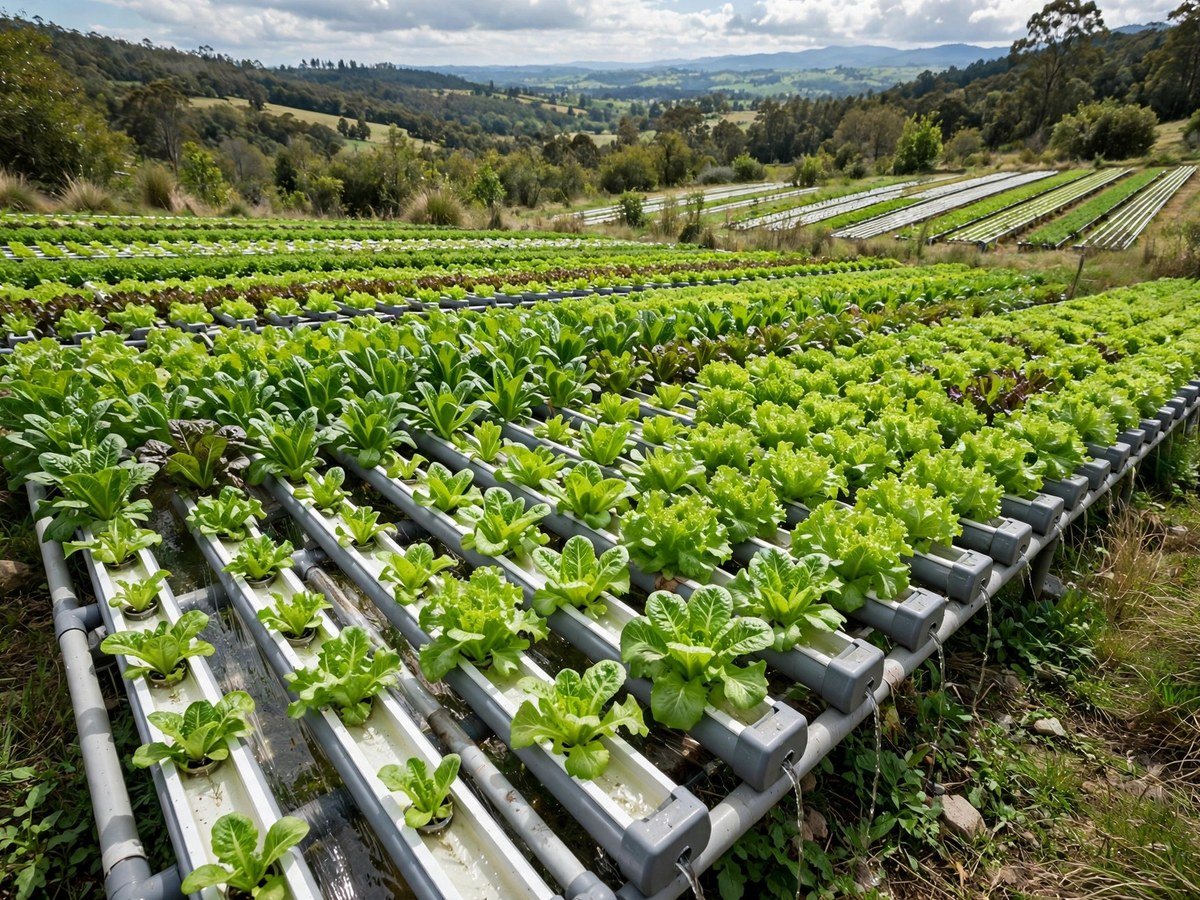
Start with Leafy Greens
Leafy greens are the perfect first hydroponic crop — forgiving, fast, and hungry for exactly what a basic system provides. Lettuce, spinach, kale, and arugula tolerate small pH swings and modest light, maturing in just three to five weeks. Save demanding fruiting plants like tomatoes for your second grow, once you have mastered the fundamentals. Quick harvests build confidence and keep you motivated while you learn the rhythms of your system.
Balance pH Daily
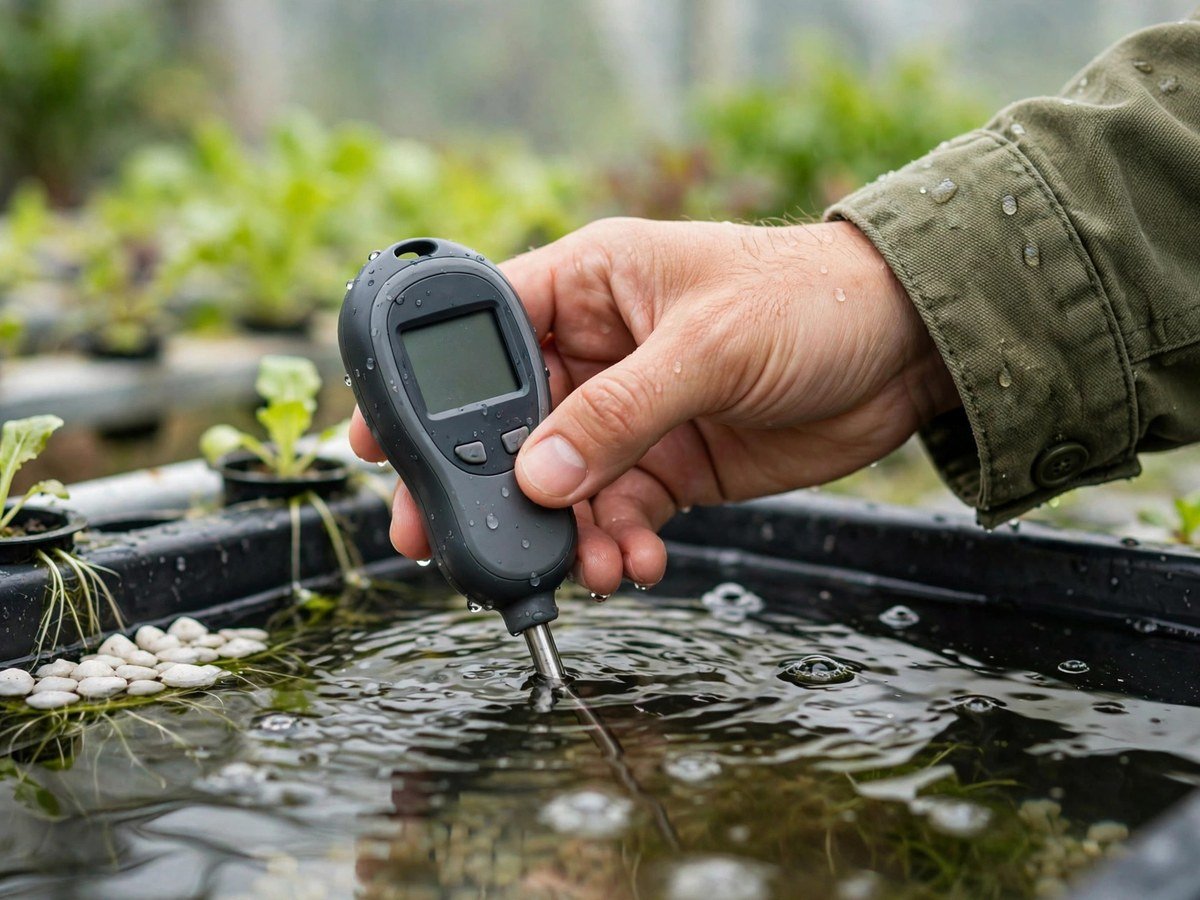
pH controls whether your plants can actually absorb the nutrients swimming around their roots. Most vegetables want a pH between 5.5 and 6.5; drift outside that range and deficiencies appear even in a perfect nutrient mix. Test your reservoir every day with a calibrated digital meter — it takes thirty seconds. Adjust gently with pH up or down solutions, and always retest after adding nutrients, which shift pH on their own.
Follow a Nutrient Schedule
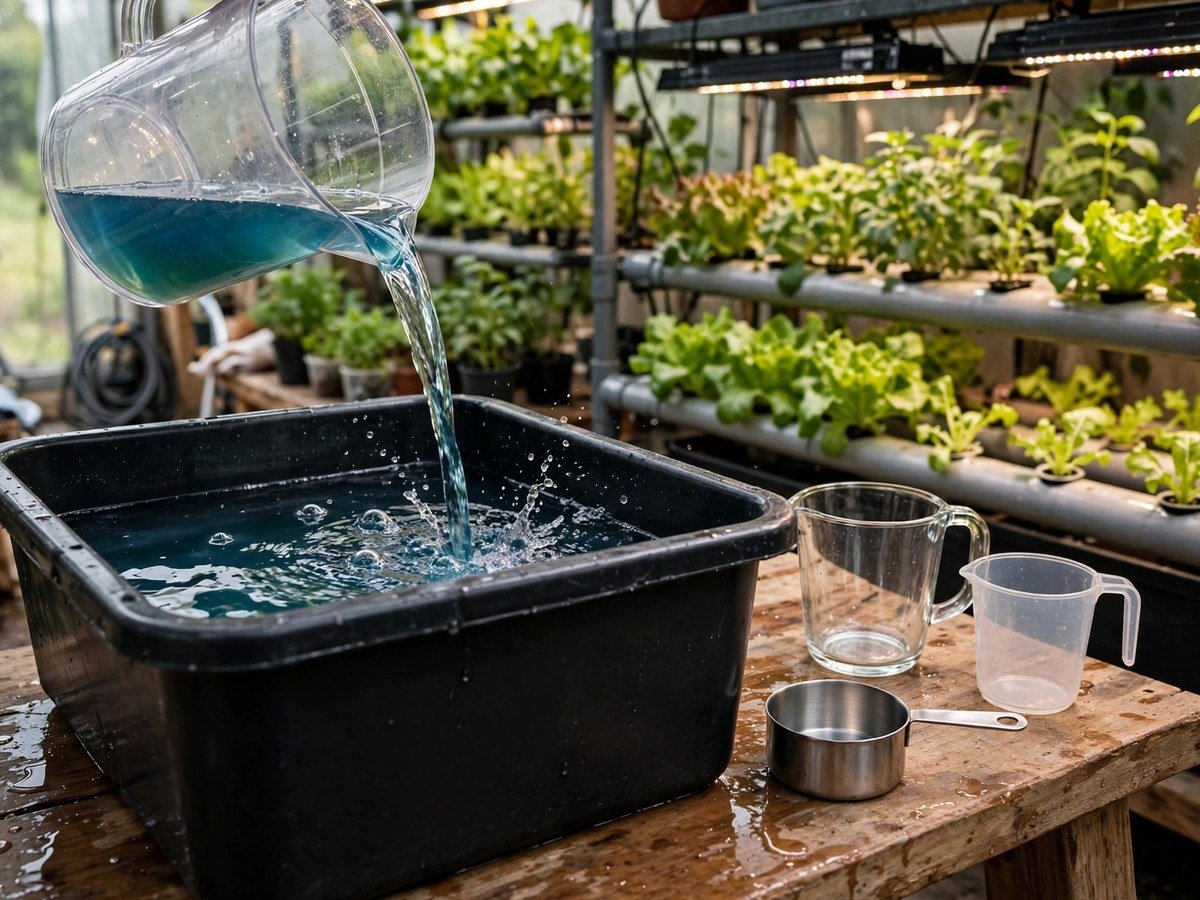
Hydroponic nutrients are not guesswork — follow the manufacturer’s feeding chart for your crop’s growth stage. Seedlings need a gentle quarter-strength mix; vegetative plants want nitrogen-rich formulas; fruiting plants need extra phosphorus and potassium. Change the reservoir completely every one to two weeks rather than topping up indefinitely, which lets salts accumulate. Keep a simple log of EC readings and you will spot problems before your plants show them.
Get Light Cycles Right
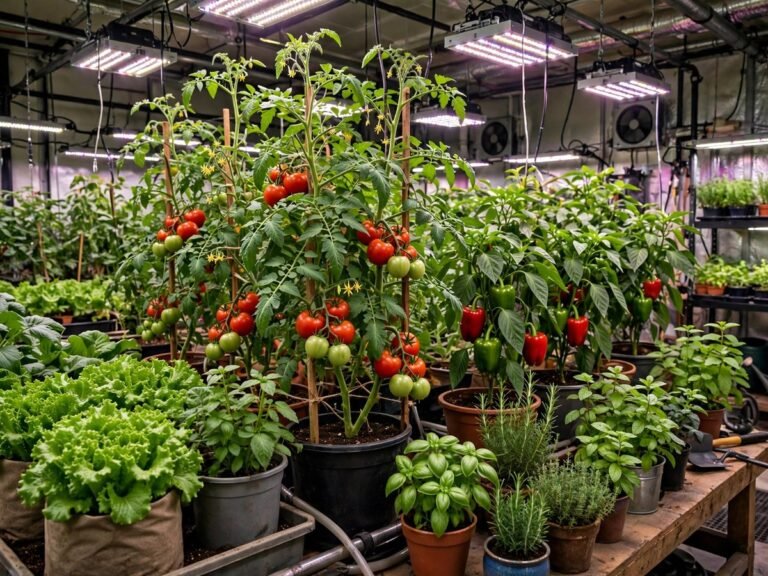
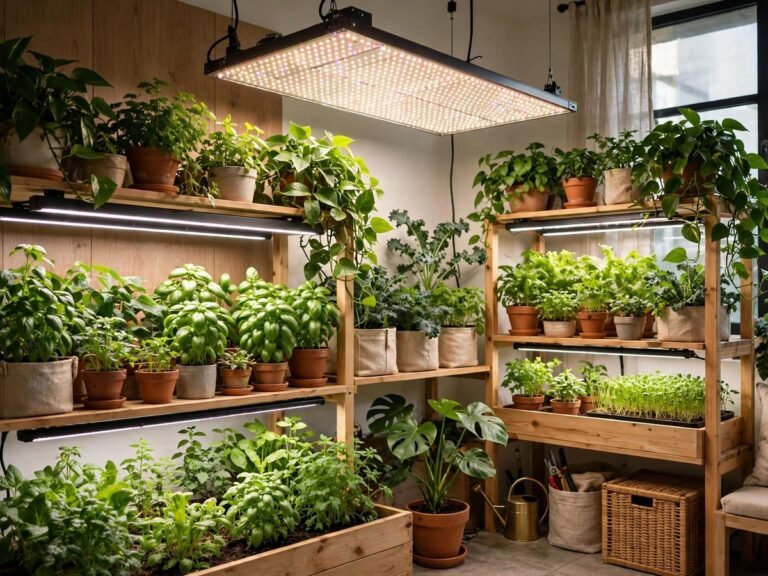
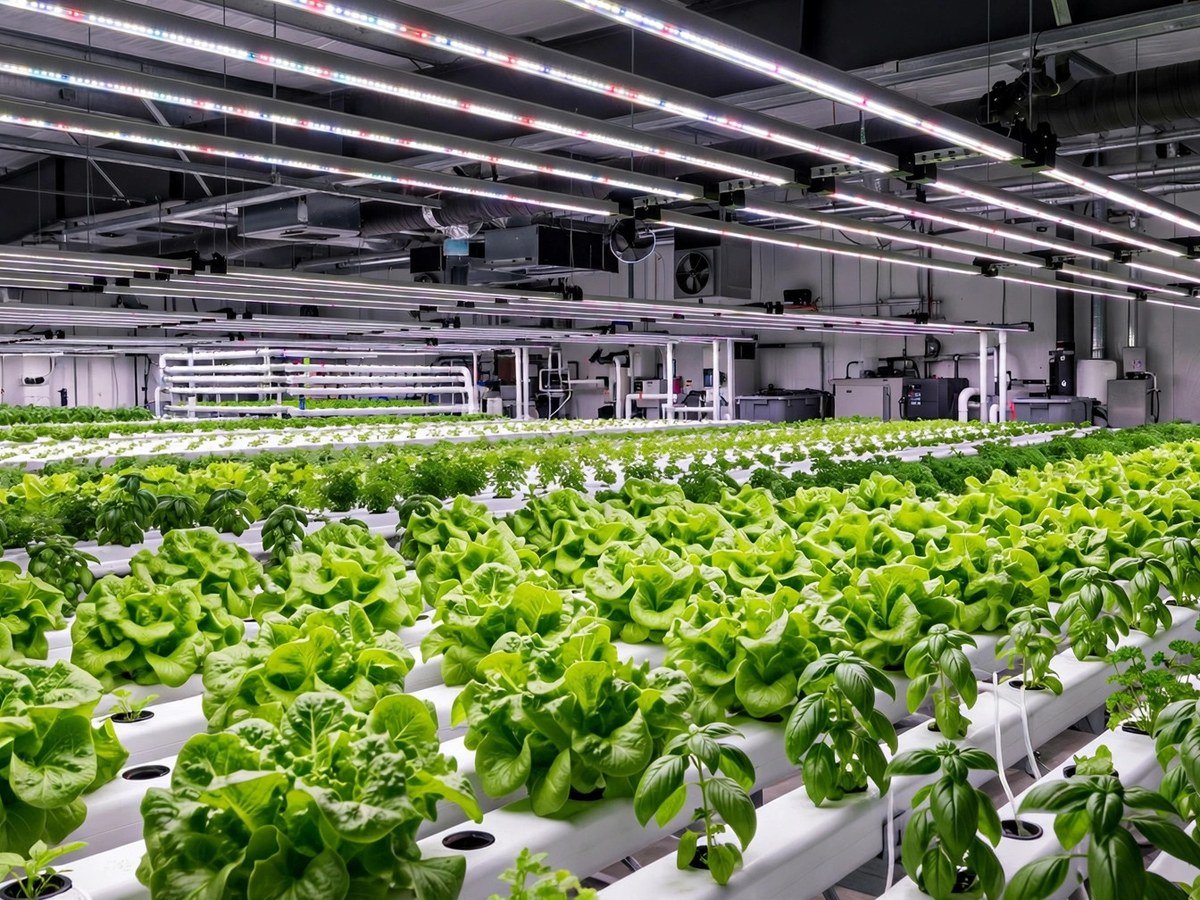
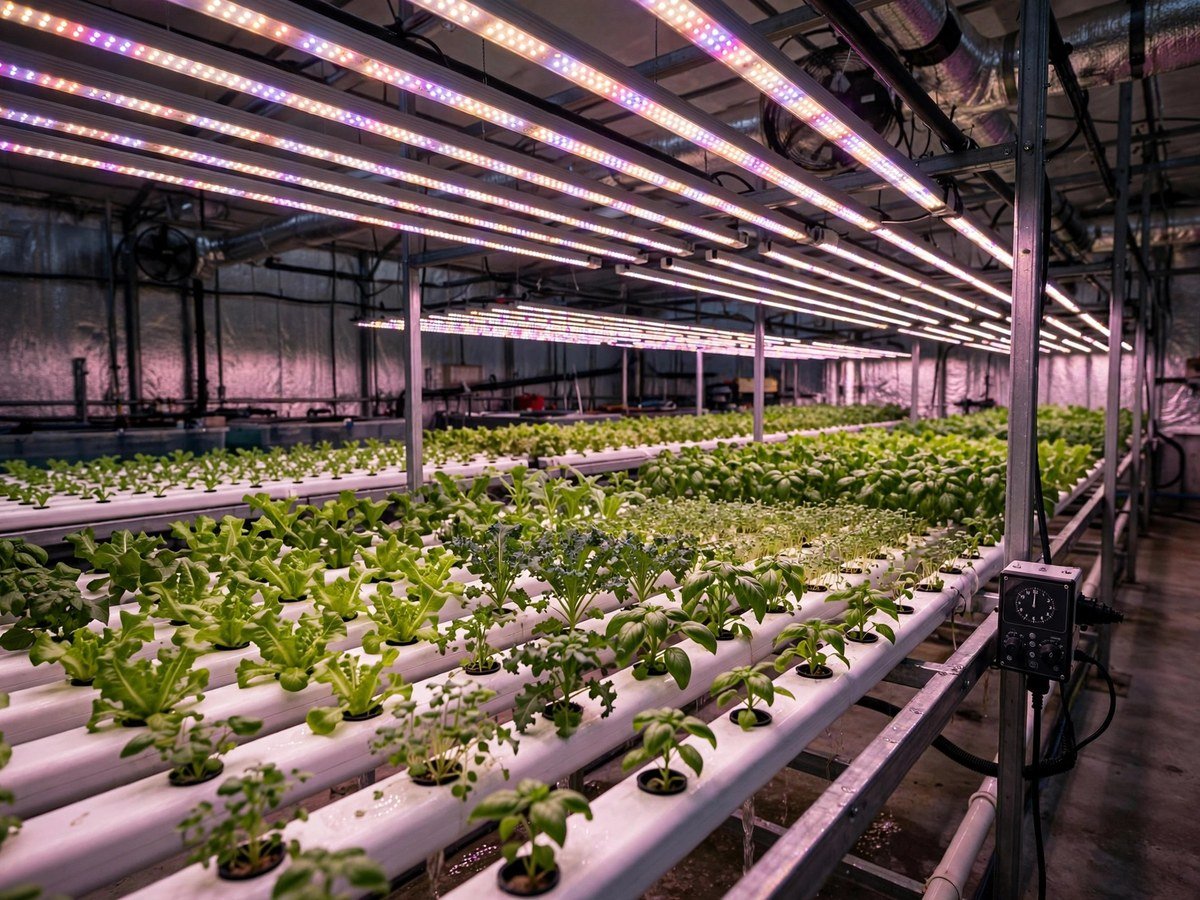
Light is food in hydroponics, and timing matters as much as intensity. Leafy greens thrive on 14 to 16 hours of light daily; fruiting vegetables generally want 12 to 14. Use a plug-in timer so cycles never depend on your memory, and hang full-spectrum LEDs at the manufacturer’s recommended height — too close burns leaves, too far stretches them leggy. Watch your plants: deep green, compact growth means the light is dialed in.
Control Water Temperature
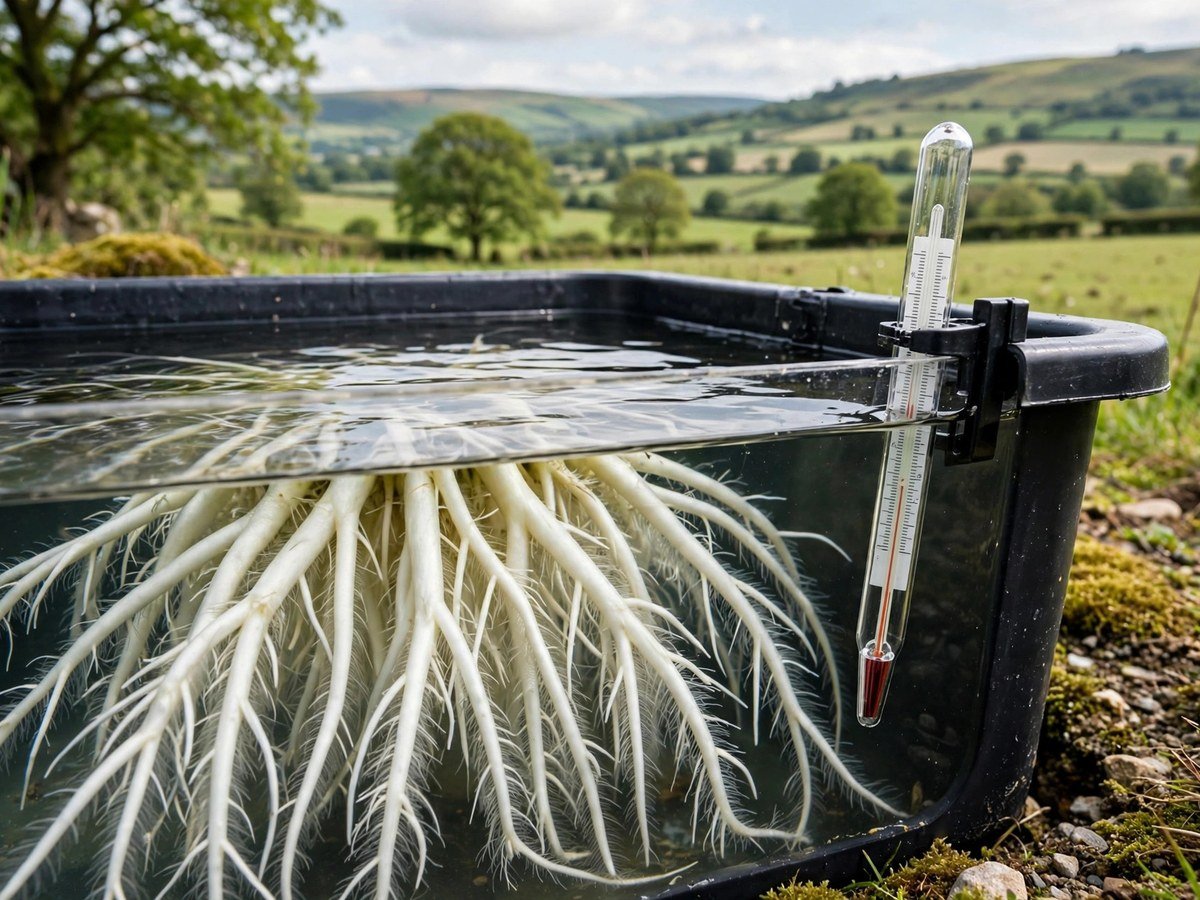
Roots are picky about temperature: the sweet spot is 65 to 70°F (18 to 21°C). Warmer water holds less oxygen and invites root rot pathogens like pythium; colder water slows nutrient uptake to a crawl. In summer, a small aquarium chiller or frozen water bottles keep reservoirs cool. Insulate tanks, keep them out of direct sun, and check temperature when you test pH — the two readings together tell you most of what you need to know.
Clean the System Regularly
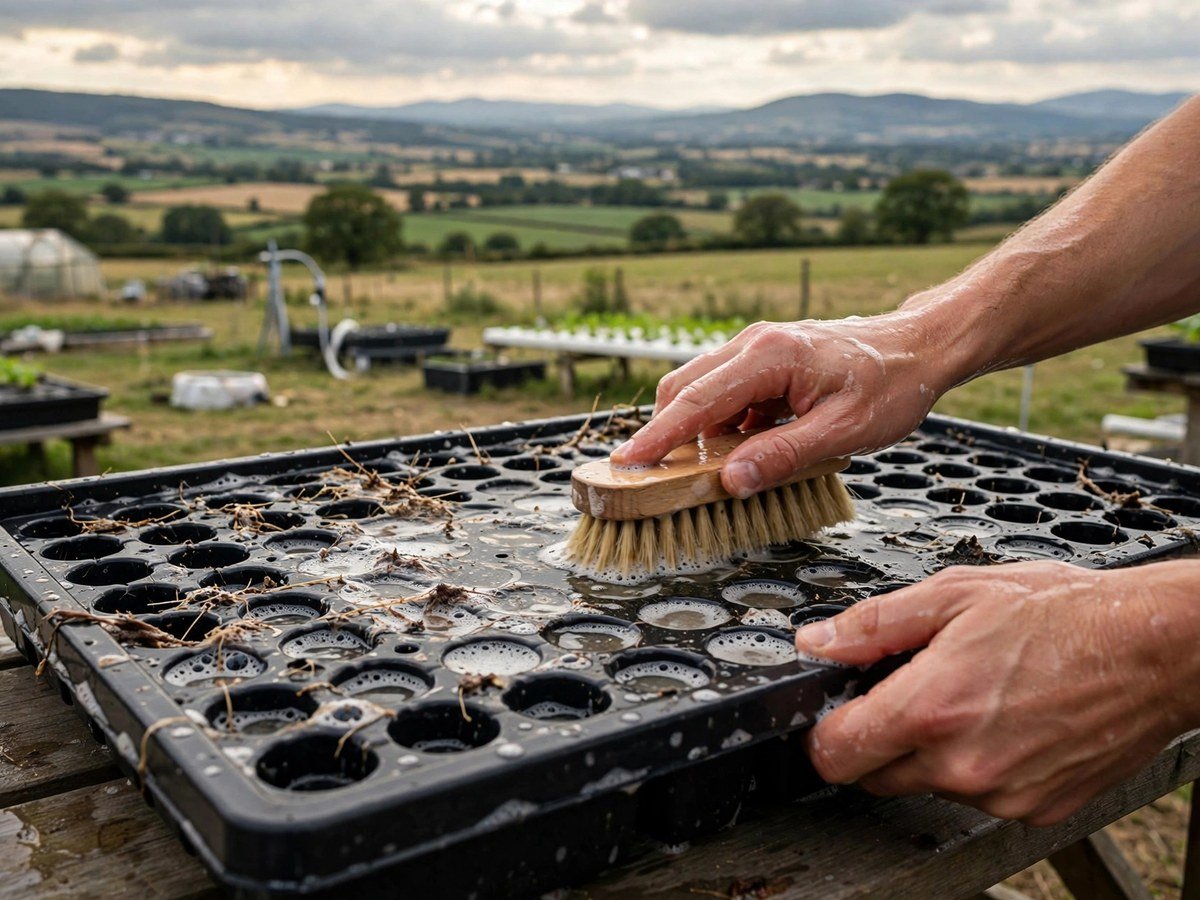
A clean system is a healthy system. Between grows, drain everything and scrub reservoirs, channels, and net pots with diluted hydrogen peroxide or a food-safe sanitizer, then rinse thoroughly. During a grow, wipe down surfaces weekly and clear dead root matter before it decays. Algae is the usual culprit behind slime — block all light from reaching your nutrient solution with opaque covers. Thirty minutes of cleaning prevents weeks of fighting root disease.
Beginner Habits That Prevent Costly Mistakes
Build these habits from day one. Start with a simple deep-water-culture or Kratky setup before attempting complex drip or aeroponic systems. Buy a quality pH and EC meter — cheap strips cost more in dead plants. Keep spare nutrients, pH adjusters, and an extra air pump on hand; failures always happen at the worst moment. Change one variable at a time when troubleshooting, so you learn what actually fixed the problem. And join an online hydroponics community — someone has already solved whatever is puzzling you.
Frequently Asked Questions
Is hydroponic gardening expensive to start?
A basic countertop or bucket system costs less than a dinner out. Full grow tents with quality lights run higher, but pay back quickly in year-round harvests.
What vegetables grow best hydroponically?
Lettuce, spinach, kale, basil, and other leafy greens are easiest. Tomatoes, peppers, and cucumbers work well once you have experience with fruiting crops.
Do hydroponic vegetables taste as good as soil-grown?
Yes — often better. Flavor comes from genetics and freshness, and hydroponic produce goes from system to plate in minutes, not days.
How much electricity do grow lights use?
Modern LED grow lights are efficient; a small setup typically adds only a few dollars a month. Timers ensure lights run only when needed.
Can I run hydroponics without electricity?
Yes. The Kratky method is fully passive — no pumps or timers. It is ideal for leafy greens and a great way to learn the basics.
Your Soil-Free Harvest Starts Now
Hydroponic vegetable gardening rewards attention to detail with astonishing harvests. Nail pH, nutrients, light, temperature, and cleanliness, and you will wonder why you ever depended on weather and seasons. Start small, learn your system, and scale up — your freshest salads are about to come from indoors, and year-round homegrown vegetables are closer than you think.