Colorful Garden Flowers You’ll Love
Colorful Garden Flowers You’ll Love
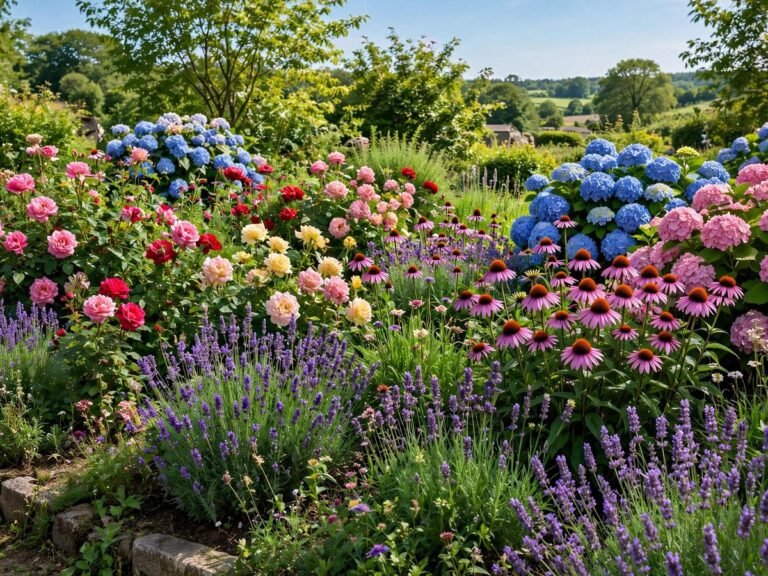
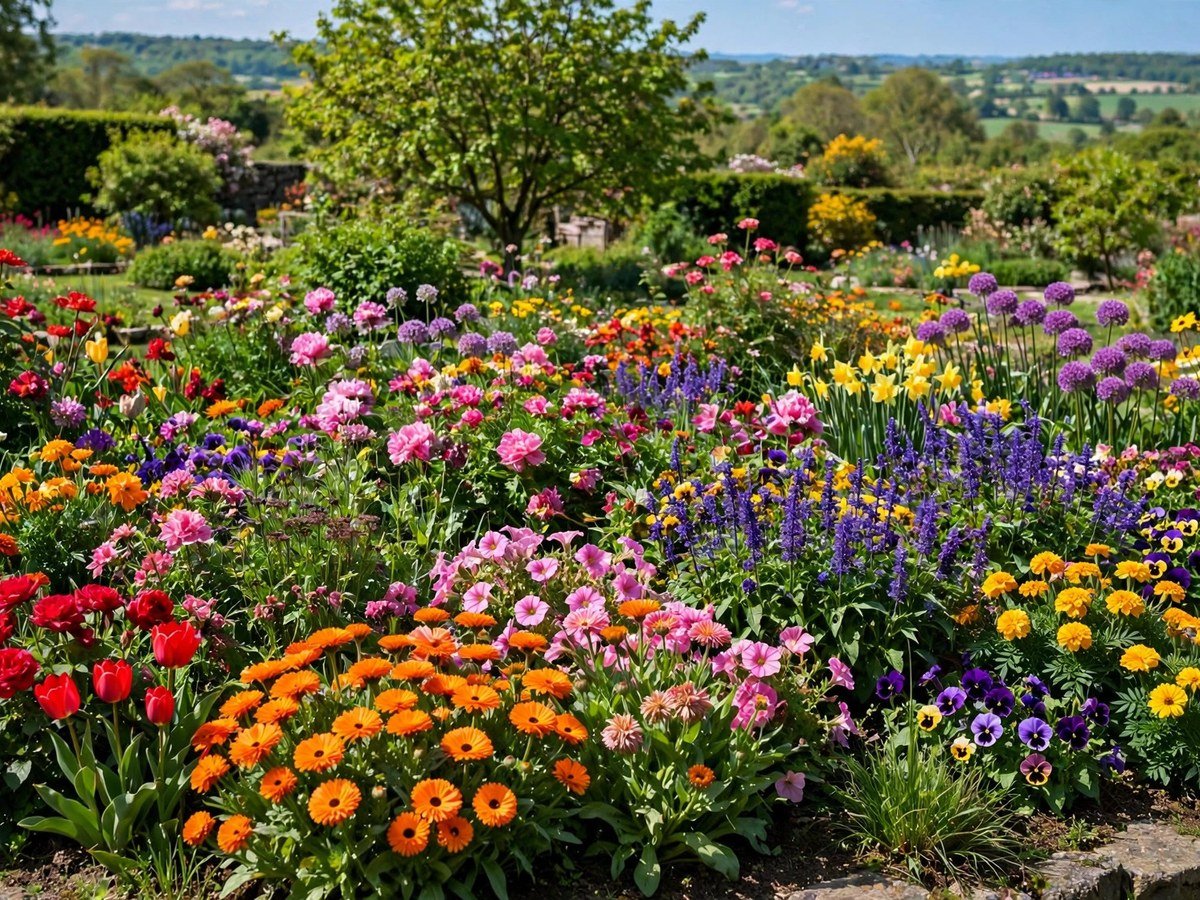
There’s something magical about walking into a garden that practically glows with color, and the right colorful garden flowers can turn even the plainest yard into a place that makes you smile. Color is the first thing anyone notices about a garden — before they spot the birdbath or the winding path, their eyes go straight to the blooms. Whether you have a sprawling backyard or a few humble beds, choosing flowers for their color is one of the simplest ways to make your garden feel alive and welcoming from spring through fall.
How Color Transforms an Ordinary Garden
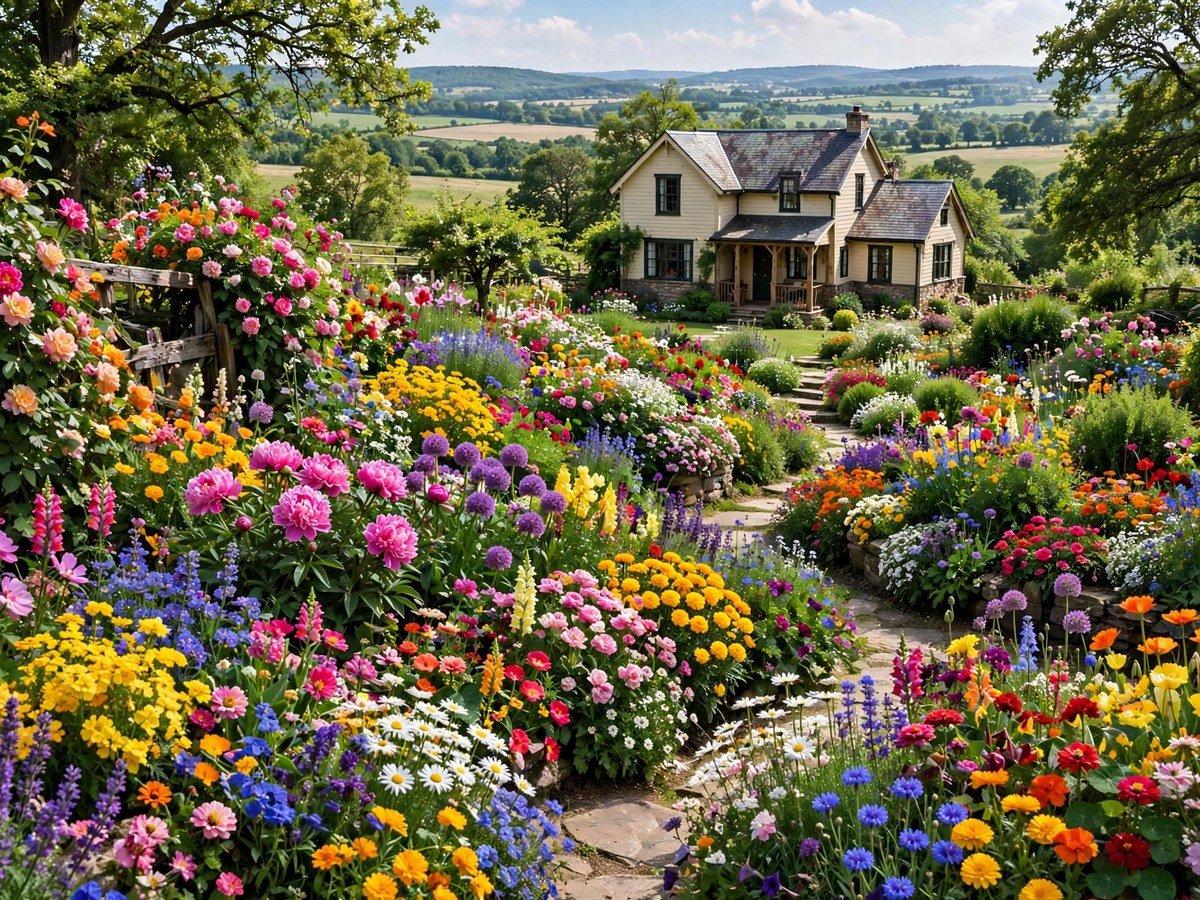
Think of your garden beds like a painter’s canvas. Cool blues and purples pull a small space back and make it feel deeper, while hot reds and oranges leap forward and demand attention. Planting drifts of one color in groups of five or seven creates the kind of bold, sweeping impact you see in botanical gardens — a single lonely bloom here and there just doesn’t carry the same punch. Don’t be afraid to experiment either: some of the most stunning gardens come from unexpected pairings, like fiery orange set against electric purple. A little color planning goes a long way.
Six Colorful Garden Flowers to Brighten Your Beds
Dahlias
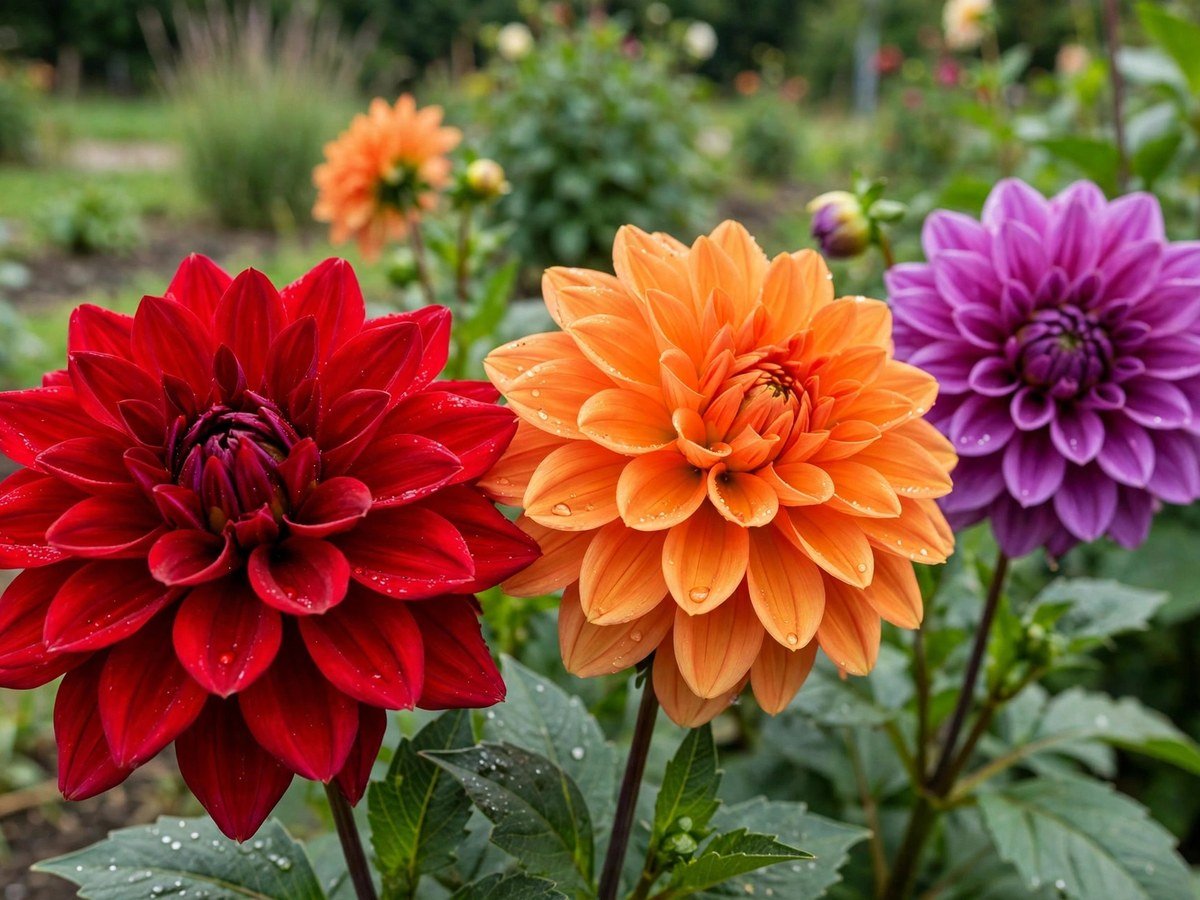
Few flowers match the sheer drama of dahlias. From dinnerplate giants the size of your head to petite pompons, they bloom in nearly every color except true blue, and they keep going from midsummer right up until the first frost. Plant the tubers after the danger of frost has passed, give them full sun and rich soil, and you’ll be cutting armfuls of flowers for months. If you love bold, showstopping color, dahlias are the single best investment you can make.
Tulips
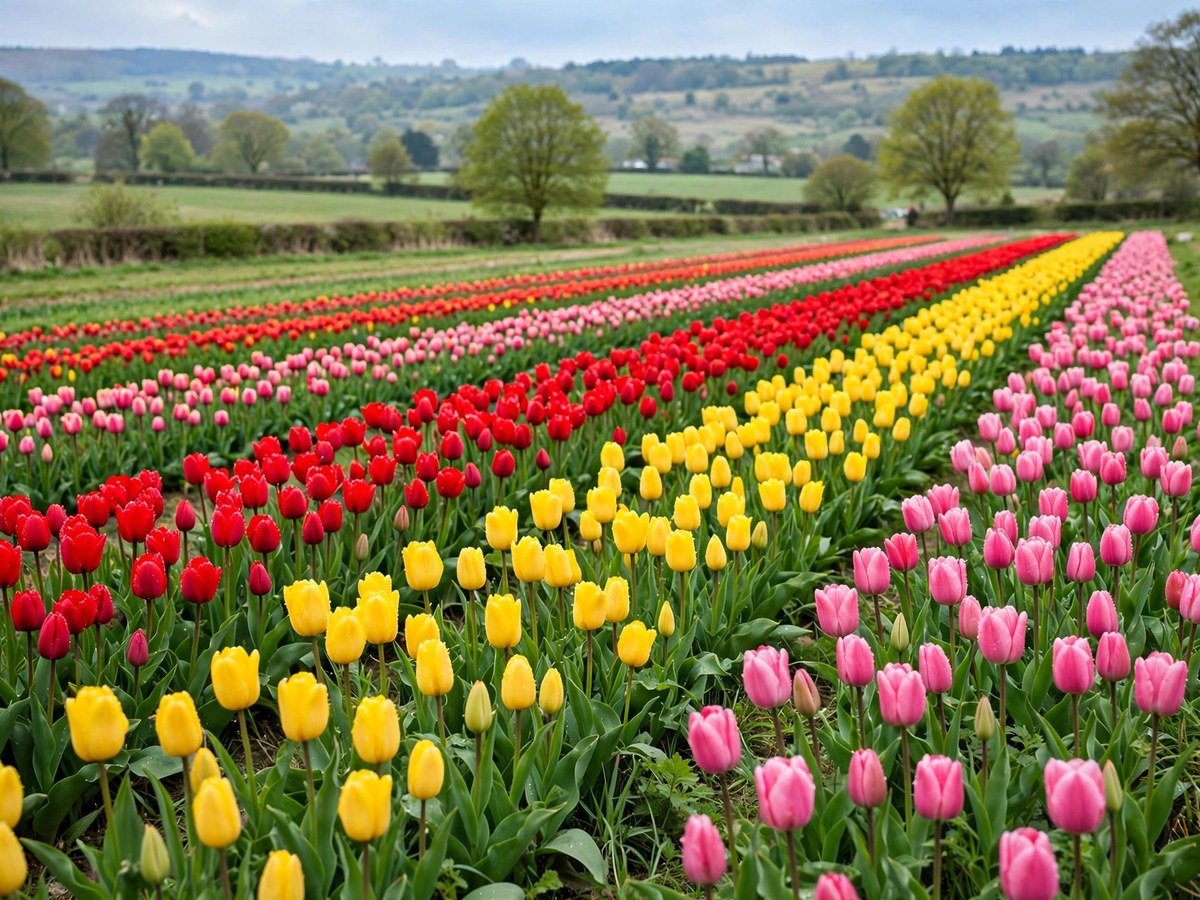
When spring arrives, nothing celebrates it like a bed of tulips. These classic bulbs deliver brilliant reds, sunny yellows, and soft pinks just when you’re starving for color after winter. Plant bulbs in the fall, pointed end up, about six inches deep in well-drained soil. They bloom in mid-spring, and while many varieties come back year after year, plenty of gardeners treat them as annuals and replant fresh bulbs each autumn for the biggest, boldest display.
Petunias
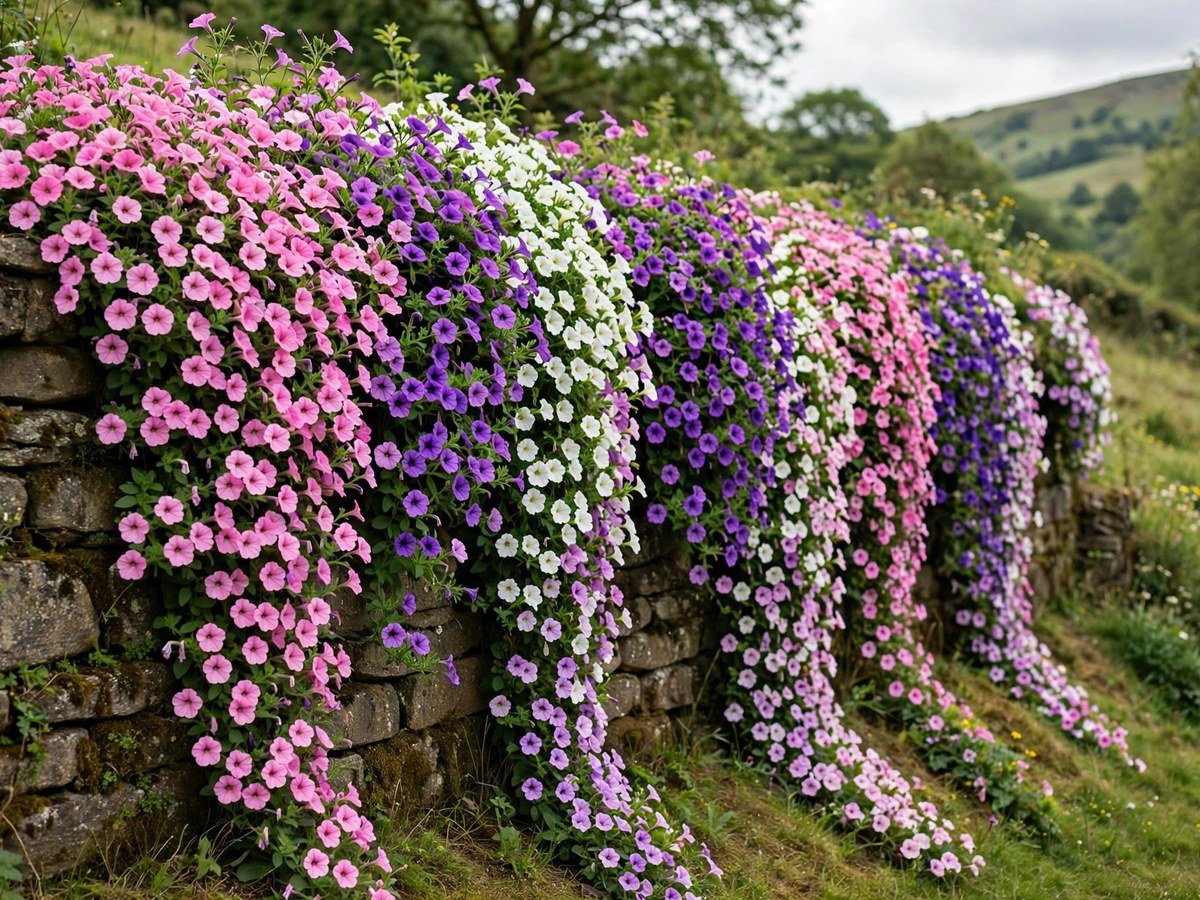
If you want non-stop color with almost no fuss, petunias are your flower. Cascading varieties spill from beds, baskets, and window boxes in waves of pink, purple, and white that bloom tirelessly from late spring until frost. They love full sun and regular watering, and deadheading spent blooms keeps new flowers coming fast. Modern varieties are impressively weather-tolerant too, shrugging off summer rains that used to leave older types looking ragged.
Geraniums
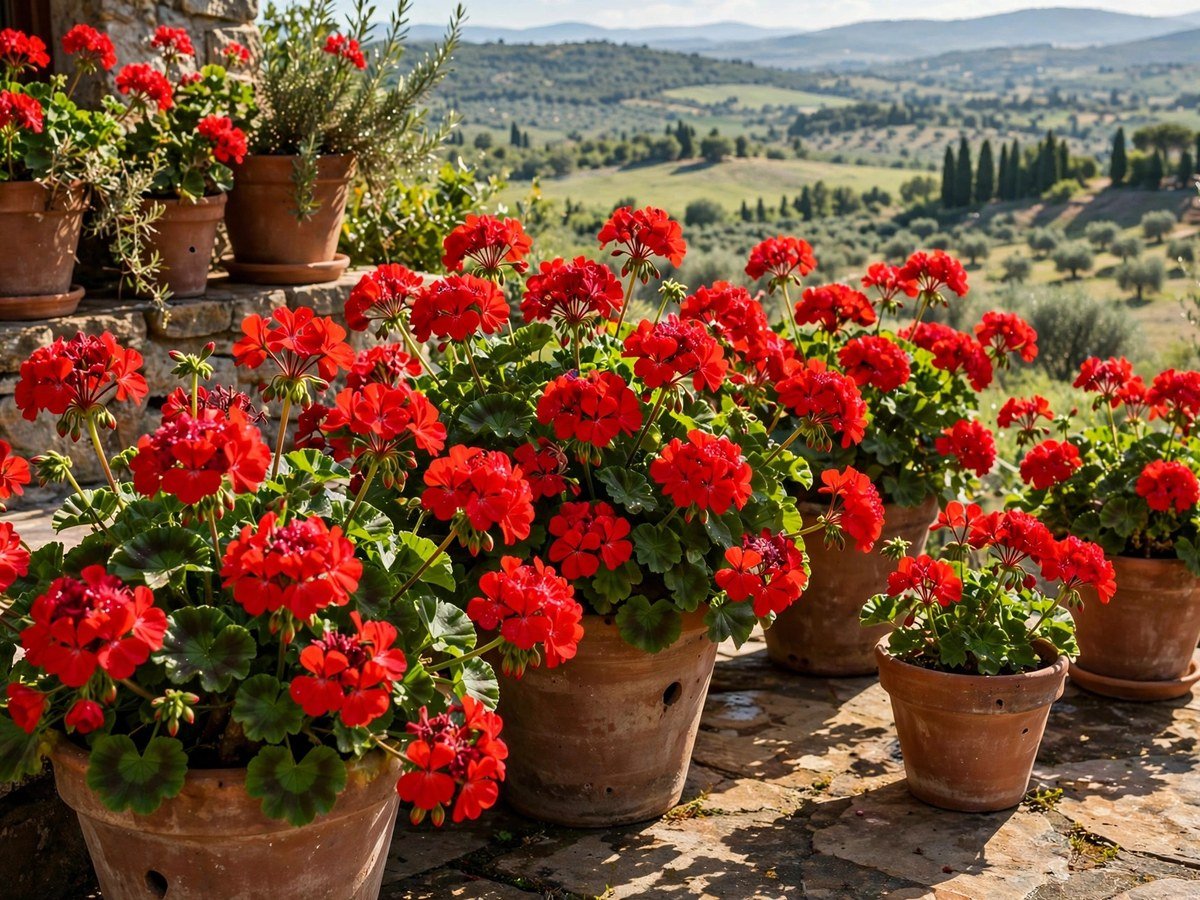
Geraniums — technically pelargoniums — are the workhorses of the color garden. Those bright red, coral, and salmon blooms thrive in hot, sunny spots where fussier flowers give up, and they’re perfect for pots, patios, and borders alike. Let the soil dry slightly between waterings and pinch off spent flower heads to encourage more blooms. Bring pots indoors before the first freeze, and you can enjoy the same plants year after year.
Black-Eyed Susans
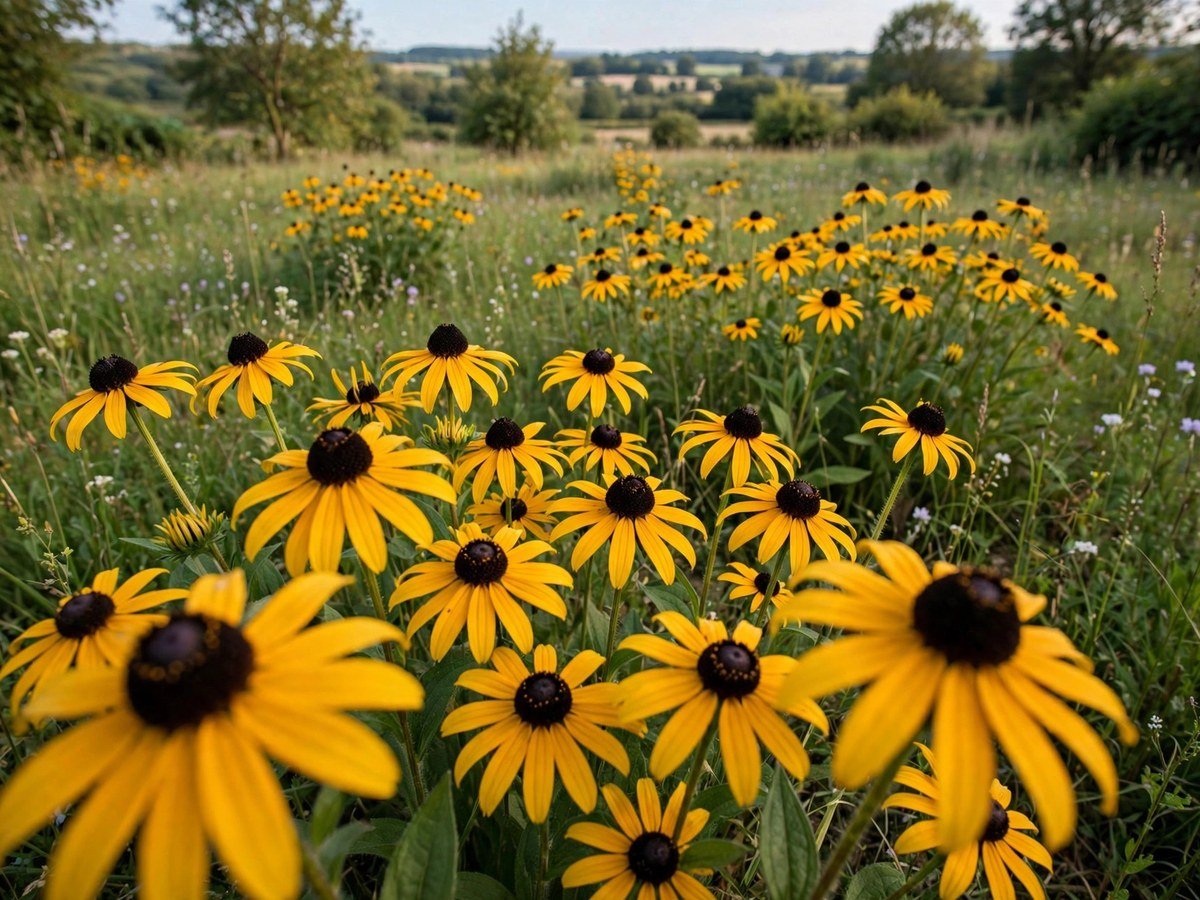
For golden, sunshiny color that asks for almost nothing in return, black-eyed Susans are unbeatable. These cheerful native wildflowers bloom in waves of yellow and gold with striking dark centers, and they handle heat, poor soil, and drought like champions. They self-seed happily, so plant them once and they’ll return year after year. Leave the seed heads standing in fall — goldfinches will thank you for the winter feast.
Snapdragons
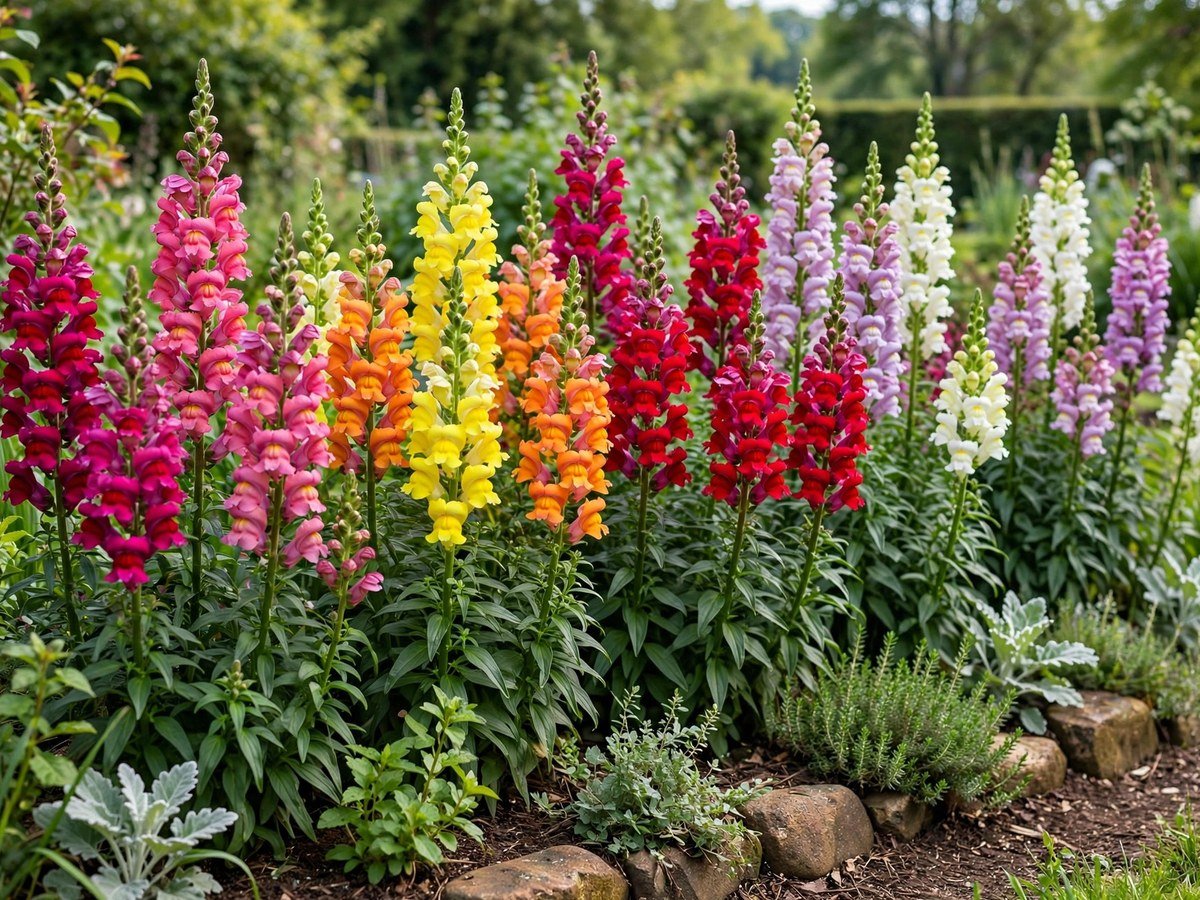
Snapdragons bring something special to the garden: height. Their tall, upright spikes of pink, red, yellow, and white tower over lower blooms, adding a vertical pop of color that beds desperately need. They prefer cooler weather, so they shine in spring and again in fall, and kids adore squeezing the flowers to make the “dragon mouth” open and close. Sow seeds early indoors or buy transplants, and plant them en masse for the best effect.
Keep Your Colors Vivid All Season Long
The secret to a garden that stays colorful isn’t planting more flowers — it’s timing and maintenance. Stagger your plantings so something new is always peaking: tulips for spring, petunias and geraniums for summer heat, dahlias and snapdragons for fall. Deadhead regularly, because spent blooms tell the plant to set seed instead of making more flowers. Feed your beds with a balanced fertilizer every few weeks, water at the base of plants in the morning, and mulch to keep roots cool. A little weekly attention keeps the color show running strong for months.
Frequently Asked Questions
Which colorful garden flowers bloom the longest?
Petunias, geraniums, and dahlias are among the longest bloomers, flowering from late spring or early summer all the way to the first frost. Regular deadheading extends their bloom season even further.
Can I grow these colorful flowers in containers?
Absolutely. Petunias, geraniums, and dwarf dahlias all thrive in pots and hanging baskets. Use a good potting mix, containers with drainage holes, and water more often than you would in-ground plants.
What colorful flowers attract butterflies and bees?
Black-eyed Susans, dahlias, and snapdragons are all excellent pollinator magnets. Planting several of these together creates a buffet that keeps butterflies and bees visiting all season long.
How do I pick a color scheme for my flower beds?
Start with two or three colors that sit next to each other on the color wheel, like pink, red, and orange, for a harmonious look. For drama, pair complementary colors — purple with yellow, or red with green foliage — for high contrast.
When should I plant these flowers?
Tulip bulbs go in during fall. Snapdragons can be planted in early spring since they tolerate cool weather. Dahlias, petunias, and geraniums should be planted after the last frost date, when nights are reliably above 50°F (10°C).
Bring On the Color
A colorful garden isn’t a luxury — it’s one of life’s simple, daily joys. Start with two or three of these flowers this season, plant them in generous drifts, and watch your yard come alive. Before you know it, you’ll be the garden on the street that makes everyone slow down.