Kitchen Gardening Plants You Can Grow Indoors
Wouldn’t it be amazing to have fresh herbs and veggies right at your fingertips? You can totally do this, even if you don’t have a big yard. Indoor kitchen gardening is a fantastic way to bring the farm into your home. It’s easier than you think, and it makes your food taste so much better.
Imagine snipping fresh basil for your pasta or adding homegrown mint to your tea. This isn’t just a dream. With the right plants and a little bit of care, you can create your own little indoor oasis of edible goodness. Let’s explore some of the best plants to get you started on your kitchen gardening adventure.
Why Grow Plants Indoors?
There are so many reasons to start an indoor garden. For starters, it gives you access to fresh ingredients year-round. No more relying on store-bought produce that might have traveled miles and lost its flavor. You control what goes into your food, too. This means no pesticides if you don’t want them.
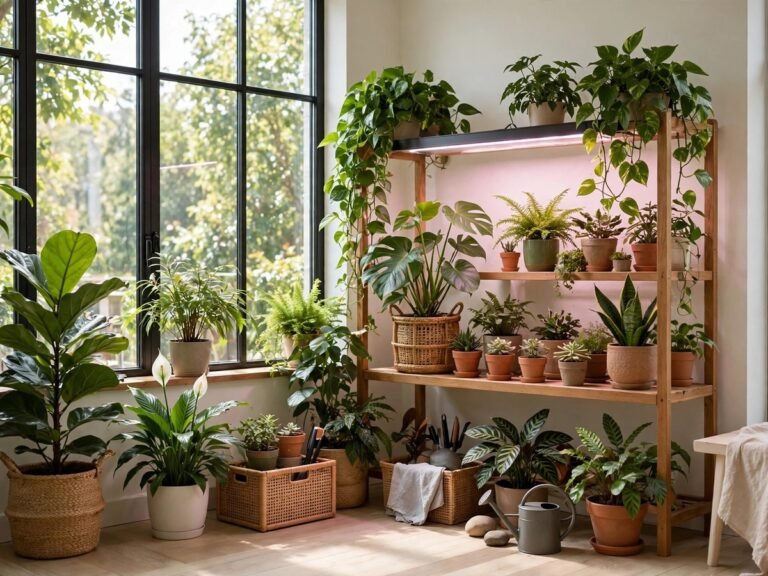
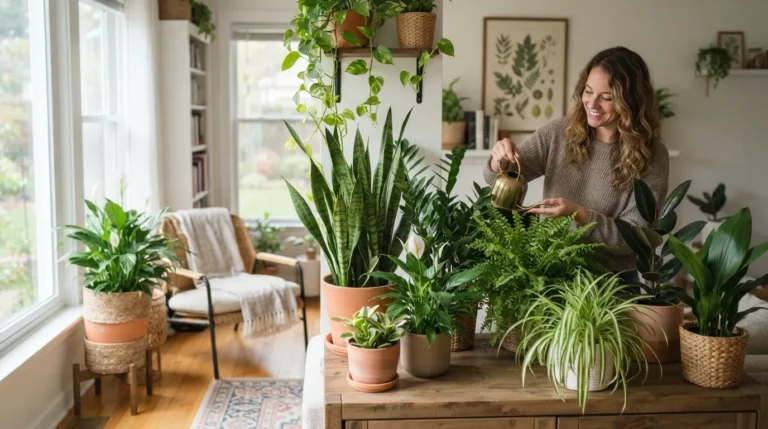
Plus, indoor plants just make your home feel nicer. They add a touch of green, improve air quality, and can even boost your mood. It’s a rewarding hobby that connects you with nature, even when you’re stuck inside. Think of it as your personal, edible decor. It’s a great way to add some life to your kitchen space.
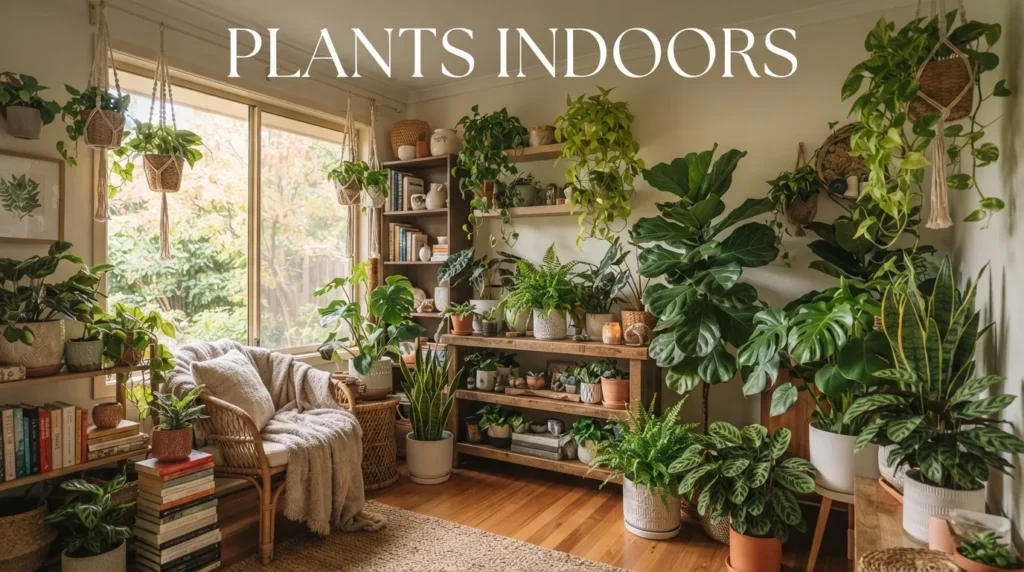
Kitchen Gardening Plants You Can Grow Indoors
Herbs Are Your Best Friend
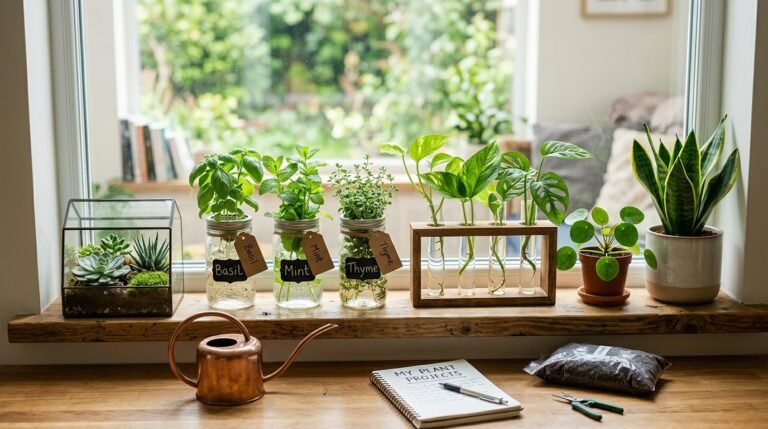
Herbs are probably the easiest things to start growing indoors. They don’t need a lot of space and many of them do really well in pots on a sunny windowsill. They grow quickly and you can keep harvesting them, which is super satisfying.
Basil
Basil is a kitchen garden superstar. It loves sunlight and warmth, so a sunny spot is perfect. You can grow it from seeds or buy a small plant from the store. Once it starts growing, you can snip off the leaves regularly. This actually encourages it to grow bushier.
There are many types of basil, like sweet basil, Thai basil, and lemon basil. Each one has a unique flavor that can spice up your cooking. Imagine adding fresh basil to your pizzas or caprese salads. It’s a game changer for flavor.
Mint
Mint is super easy to grow, maybe even too easy! It’s best to grow mint in its own pot because it can spread very quickly and take over other plants. Mint is great for teas, cocktails, or adding a fresh zing to desserts.
There are tons of varieties, like peppermint, spearmint, and chocolate mint. Just make sure it gets enough water and a good amount of light. You’ll be amazed at how much mint you can harvest from just one plant.
Parsley
Parsley is another kitchen staple that thrives indoors. It likes bright light but can tolerate a bit of shade. There are two main types: curly parsley, which is pretty and good for garnishes, and flat-leaf parsley (Italian parsley), which has a stronger flavor and is great for cooking.
Keep the soil moist, but not waterlogged. You can snip off the outer leaves as you need them. Fresh parsley adds a bright, clean flavor to almost any dish. It really brightens things up.
Chives
Chives are related to onions and garlic but have a much milder flavor. They look like small green onions and are super easy to care for. Just snip off the tops with scissors when you need them. They will grow back!
Chives love sunlight and well-drained soil. They are perfect for adding a subtle oniony kick to eggs, salads, and soups. You can even eat the flowers, which look pretty and taste a bit like mild onion.
Cilantro
Cilantro can be a bit trickier because it likes cooler temperatures and can bolt (go to seed) quickly in heat. However, if you can keep it in a cooler spot and provide it with good light, it’s worth the effort. It’s essential for so many cuisines.
Start new seeds every few weeks for a continuous harvest. This plant is key for Mexican, Indian, and Southeast Asian dishes. Nothing beats the fresh taste of homegrown cilantro.
Veggies That Can Grow Indoors
Don’t stop at herbs! You can also grow some small vegetables right in your kitchen. These might need a bit more space and light than herbs, but the reward is huge.
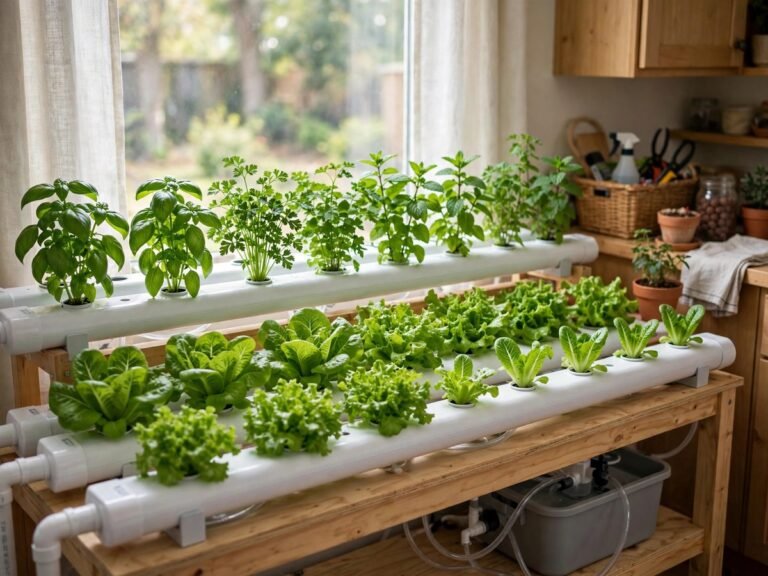
Lettuce and Salad Greens
Many types of lettuce and salad greens are perfect for indoor growing. Leafy greens like romaine, spinach, and arugula grow quickly in containers. You can harvest the outer leaves, and the plant will keep producing more.
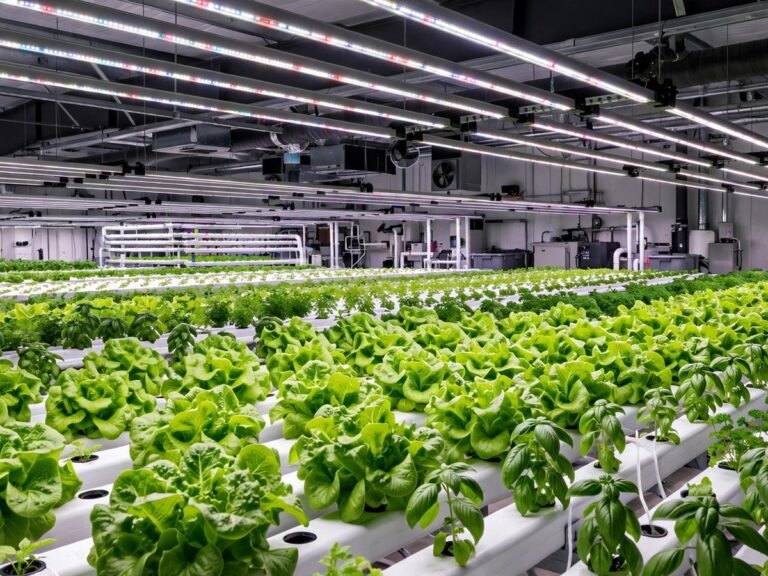
They prefer cooler temperatures and bright, indirect light. A sunny windowsill might work, or you might need a grow light for best results. Having fresh salad greens ready to go is amazing for healthy eating.
Radishes
Radishes are super fast growers, often ready to harvest in less than a month! They need about 6 inches of soil depth to grow properly. They prefer cooler conditions, so a bright but not too hot spot is ideal.
Plant them in a relatively deep pot with good drainage. Keep the soil consistently moist. You can harvest them when the roots are about an inch wide. They add a peppery crunch to salads.
Scallions (Green Onions)
Growing scallions indoors is incredibly simple. You can even regrow them from the white ends you buy at the grocery store! Just place the white ends in a small glass of water on a sunny windowsill. Roots will grow, and then you can plant them in soil.
They grow quickly and you can snip the green tops as needed. This is a super low-effort way to have fresh onion flavor. They are great in stir-fries, soups, and as a garnish.
Spinach
Spinach is a leafy green that does well indoors. It likes bright light and consistently moist soil. Like lettuce, you can harvest the outer leaves, and the plant will continue to grow from the center.
It prefers cooler temperatures, so avoid placing it in direct, hot sunlight all day. Fresh spinach is wonderful in salads, smoothies, or lightly sautéed.
Other Fun Options
Beyond herbs and basic veggies, there are a few other interesting plants you can try.
Microgreens
Microgreens are basically baby versions of vegetables and herbs. They are harvested when they are only a few inches tall. They pack a huge nutritional punch and a concentrated flavor. Think broccoli, kale, radish, or sunflower greens.
They grow very quickly, often ready in one to three weeks. All you need is a shallow tray, some soil, and seeds. Keep them moist and provide good light. They are perfect for adding a fancy touch to any meal.
Edible Flowers
Some flowers are not only beautiful but also edible! Nasturtiums, pansies, and calendula can be grown indoors in pots. They add a pop of color and a unique flavor to salads and desserts.
Make sure you are growing varieties specifically meant for consumption and that they haven’t been treated with pesticides. They generally need good light and regular watering.
Getting Started: What You Need
You don’t need a lot of fancy equipment to start your indoor kitchen garden. Here’s a basic rundown of what will help you succeed:
Containers
Choose pots with drainage holes. This is super important to prevent root rot. Terracotta pots are great because they breathe, but plastic or glazed ceramic pots work too. Any size will do, depending on what you’re growing.
Soil
Use a good quality potting mix. Don’t use soil from your garden, as it can be too dense and may contain pests or diseases. A potting mix designed for containers will provide the right aeration and nutrients.
Light
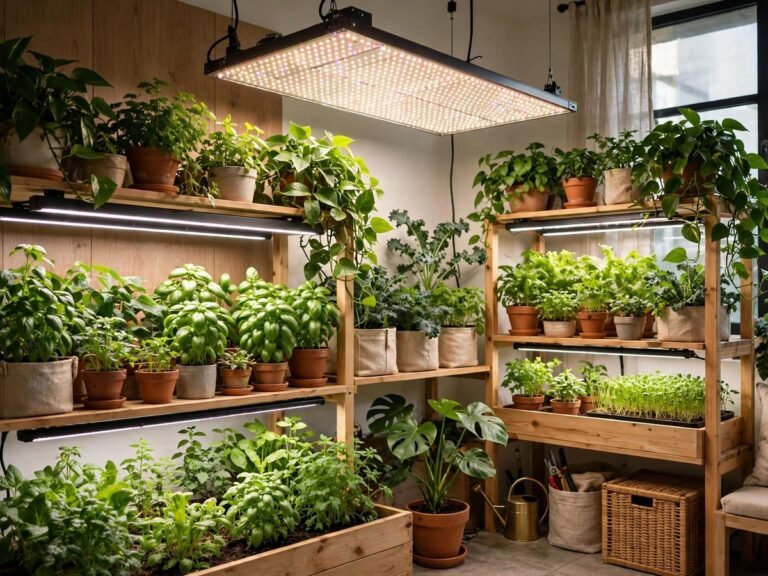
This is key. Most edible plants need at least 6 hours of bright light per day. A south-facing windowsill is often ideal. If you don’t have enough natural light, consider using a grow light. LED grow lights are energy-efficient and very effective.
Grow lights come in many forms, from small bulbs that fit in regular lamps to larger fixtures. They provide the specific spectrum of light plants need to grow strong. Experiment to see what works best for your space. You can find great ideas for plant setups on sites like Plantzu.
Water
Water your plants when the top inch of soil feels dry. Avoid overwatering, as this is a common mistake that can kill your plants. Stick your finger in the soil to check moisture levels.
Caring for Your Indoor Garden
Once you have your plants set up, a little regular care goes a long way. Check on your plants daily. Remove any yellowing or dead leaves.
Rotate your pots every few days so all sides of the plant get light. This helps them grow evenly. Feed your plants occasionally with a balanced liquid fertilizer diluted to half strength, especially during the growing season.
Keep an eye out for pests like aphids or spider mites. If you spot any, try wiping them off with a damp cloth or using insecticidal soap. Early detection is key to keeping your plants healthy. You might find inspiration for different plant combinations and ideas on 15 Outdoor Garden Plant Ideas and Combinations That Work, even though it’s for outdoors, the principles of plant care can be similar.
Harvesting Your Bounty
Harvesting is the best part! For herbs, snip leaves as needed. For leafy greens like lettuce and spinach, harvest the outer leaves first. This encourages the plant to keep producing from the center.
For root vegetables like radishes, harvest them when they reach the desired size. Don’t be afraid to pick your produce; it’s what the plants are there for! Regular harvesting often encourages more growth.
Troubleshooting Common Issues
Leggy Plants: If your plants are tall and spindly with few leaves, they probably aren’t getting enough light. Move them to a brighter spot or supplement with a grow light.
Yellow Leaves: This can mean a few things. It could be overwatering, underwatering, or a lack of nutrients. Check the soil moisture first. If it’s correct, consider fertilizing.
Pests: As mentioned, keep an eye out for common houseplant pests. A gentle stream of water or insecticidal soap can often solve the problem.
Final Thoughts
Starting a kitchen garden indoors is a wonderfully rewarding experience. It provides fresh flavors, adds beauty to your home, and connects you with the simple joy of growing things. You can start small with just a few pots of your favorite herbs and expand as you gain confidence.
Don’t be afraid to experiment. See what works best in your space and what you enjoy eating the most. Happy growing!
Frequently Asked Questions
Q1: What is the easiest herb to grow indoors?
Mint and chives are generally considered the easiest herbs to grow indoors. They are forgiving and grow quite readily with basic care.
Q2: Do I really need a grow light?
Not always. If you have a very sunny, unobstructed south-facing window that gets at least 6 hours of direct sunlight per day, you might not need a grow light. However, for most homes, especially during winter, a grow light significantly improves success rates for growing edible plants indoors.
Q3: How often should I water my indoor plants?
Watering frequency depends on the plant, the pot size, the temperature, and humidity. A good rule of thumb is to water when the top inch of soil feels dry to the touch. It’s better to underwater slightly than to overwater.
Q4: Can I grow vegetables other than greens indoors?
Yes! Besides leafy greens, you can grow radishes, scallions, and even some small peppers or cherry tomatoes if you have adequate light and space. Starting with faster-growing options like radishes and scallions is recommended.
Q5: What kind of soil should I use for my indoor garden?
Always use a good quality potting mix specifically designed for containers. This provides the right balance of drainage, aeration, and nutrients. Avoid using garden soil, which can become compacted in pots and may carry pests or diseases.